



Showing 1 - 4 of 4
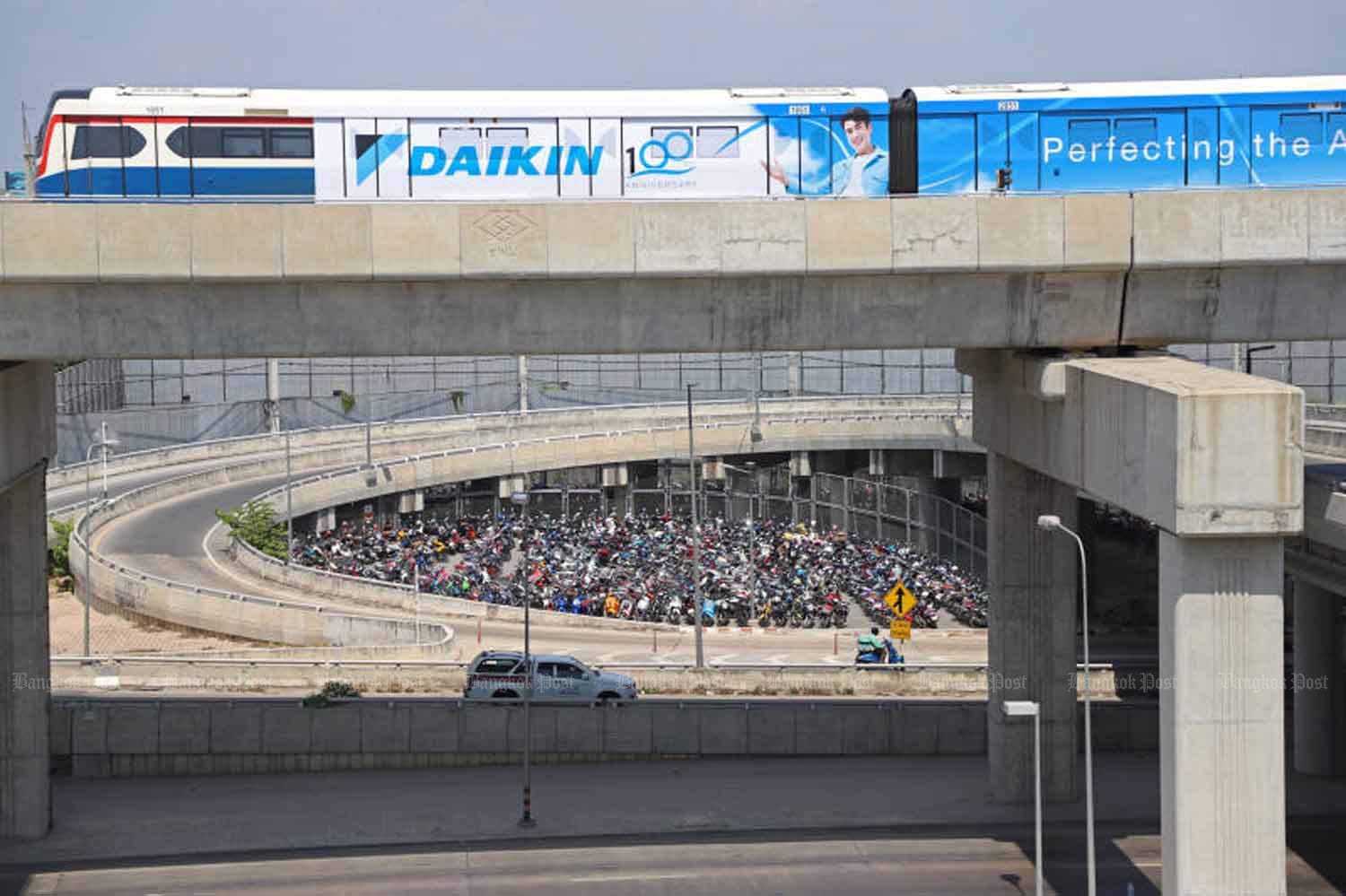
Bonus, benefits dispute settled, Daikin ends lockout
Post Reporters, Published on 09/12/2025
» Daikin Industries (Thailand) Co has reached agreement with its labour union, ending a dispute over bonuses and benefits, and ended its mass lockout of employees, Labour Minister Treenuch Thienthong announced on Tuesday.
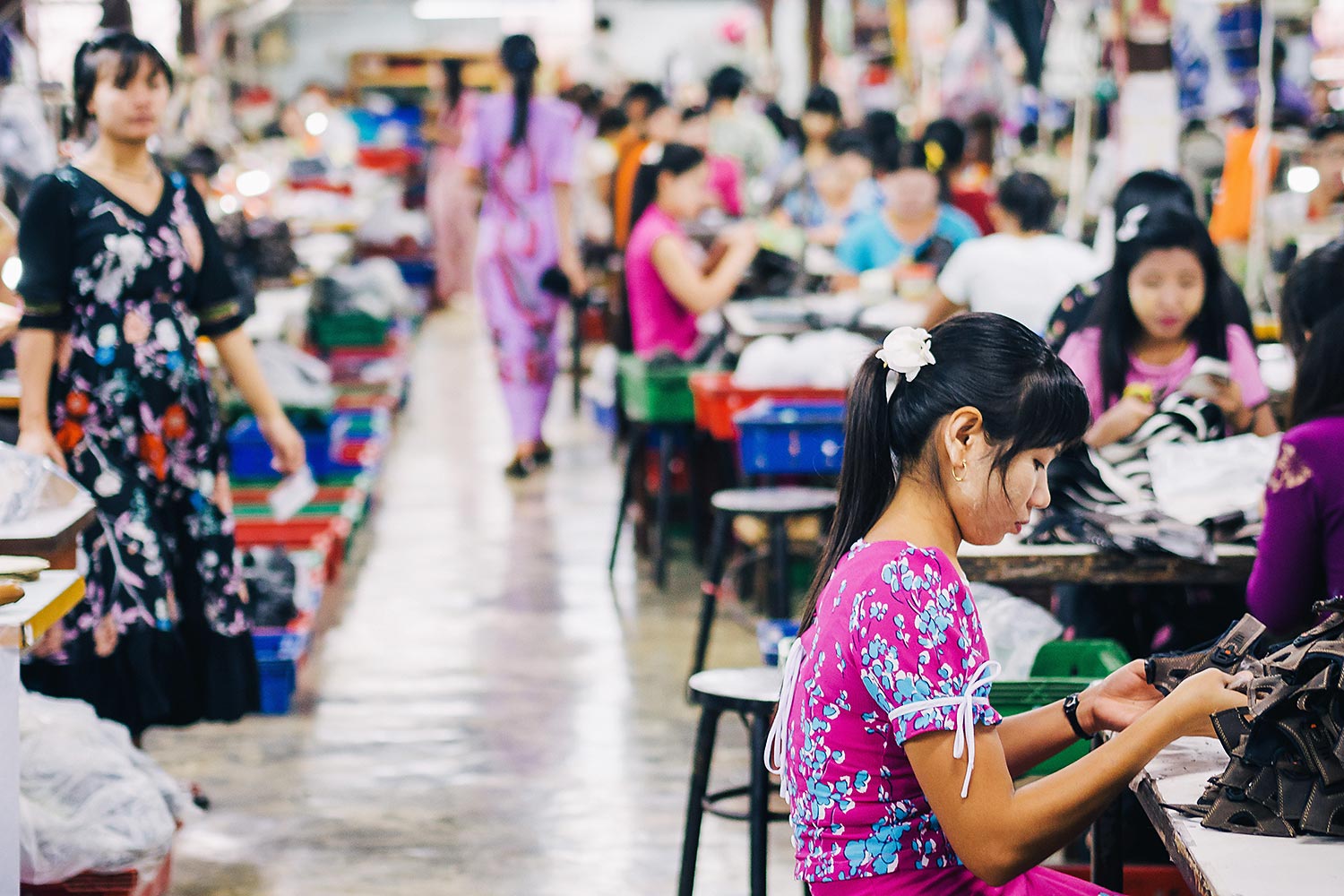
Employment in Myanmar during the COVID-19 Outbreak
Nada Songsasen, Published on 03/11/2020
» Many Thai and international companies have expanded rapidly into Myanmar in recent years, in what had seemed to be an unstoppable expansion of cross-border trade resulting from the country's emergence back onto the global stage. For those companies, the COVID-19 situation in Myanmar has been a cause for much concern and uncertainty—doubly so for those who had hired staff in the jurisdiction, as a lack of clarity regarding their obligations as employers was compounded by a lack of information on the situation on the ground.

Changing employment conditions during the COVID-19 situation
Chusert Supasitthumrong, Published on 13/05/2020
» The COVID-19 crisis continues to have a serious impact on global economic conditions, and many employers are feeling the severe economic effects here in Thailand. In light of this situation, employers are making efforts to ensure that their businesses survive the crisis, often looking to cost reduction measures such as reducing employees’ wages and benefits in accordance with labour laws. In general, Thai labour laws permit employers to reduce employee wages and benefits either by negotiating with employees and receiving their consent for the reductions, or by carrying out the labour relations processes described below.
Managing employees in Myanmar: Pay, time off, and other requirements
Yuwadee Thean-ngarm, Published on 08/10/2019
» As Myanmar continues to open to foreign investment, employers from other ASEAN countries and places farther afield have been setting up local operations. Understanding the requirements of Myanmar labour law is, of course, a crucial part of this.