



Showing 1 - 10 of 189
US must let IAEA do its job in Iran
Oped, Helen Clark, Published on 31/03/2026
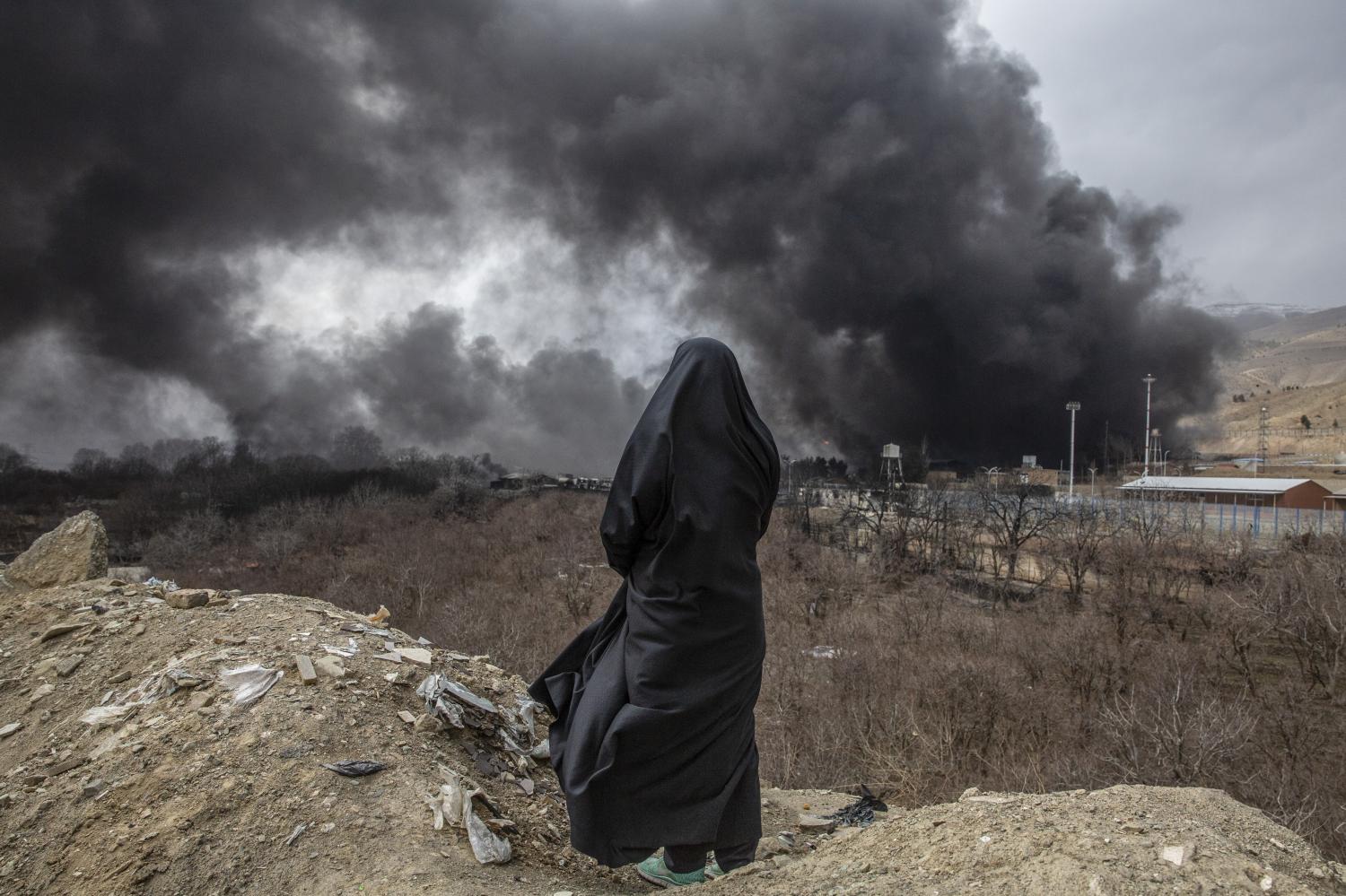
» The US-Israeli war on Iran has already destabilised the global economy and the geopolitics of the Middle East. Even more alarming, recent reporting shows that US President Donald Trump is deploying ground troops, a prospect that immediately evokes memories of past failed interventions -- from Vietnam to Iraq -- with their high costs in American and especially local lives.

Gulf states tell US ending the war is not enough
Oped, Samia Nakhoul, Published on 31/03/2026
» Gulf Arab states are telling the US that any deal with Tehran should do more than end the war, and must permanently curb Iran's missile and drone capabilities and ensure global energy supplies are never again "weaponised", four Gulf sources said.

City's green spaces losing ground
Oped, Thunpicha Greigarn, Published on 30/03/2026
» Like the body, most of Bangkok's battles happen beneath the surface. By the time you notice, the damage is already done.

The long road to war with Iran
Oped, Carla Norrlöf, Published on 06/03/2026
» As the conflict with Iran reshapes global security assumptions and energy markets, the debate in the United States has focused largely on why President Donald Trump chose war in the first place. Was it domestic politics, a desire to project strength, a miscalculation, or something else?
Time for region to double down on green energy
Oped, Lidy Nacpil, Published on 06/03/2026
» The escalating instability in the Middle East has sent shockwaves through global energy markets, forcing Southeast Asian nations into a precarious position. While the region has made significant pledges to transition toward renewables, the threat of interrupted gas supplies and surging LNG prices is creating a dangerous incentive to prioritise immediate energy security over long-term climate goals.

Diplomacy over silence
Oped, Editorial, Published on 24/02/2026
» Caretaker Foreign Minister Sihasak Phuangketkeow is garnering praise for his open diplomacy aimed at re-engaging with Myanmar. Last Wednesday, he formally met his counterpart Than Swe in Phuket. There, Mr Sihasak was quoted by international media as saying that Thailand will serve as a "bridge" to bring Myanmar back into Asean.
Why communities pay for mining
Oped, Christopher Rutledge, Published on 19/02/2026
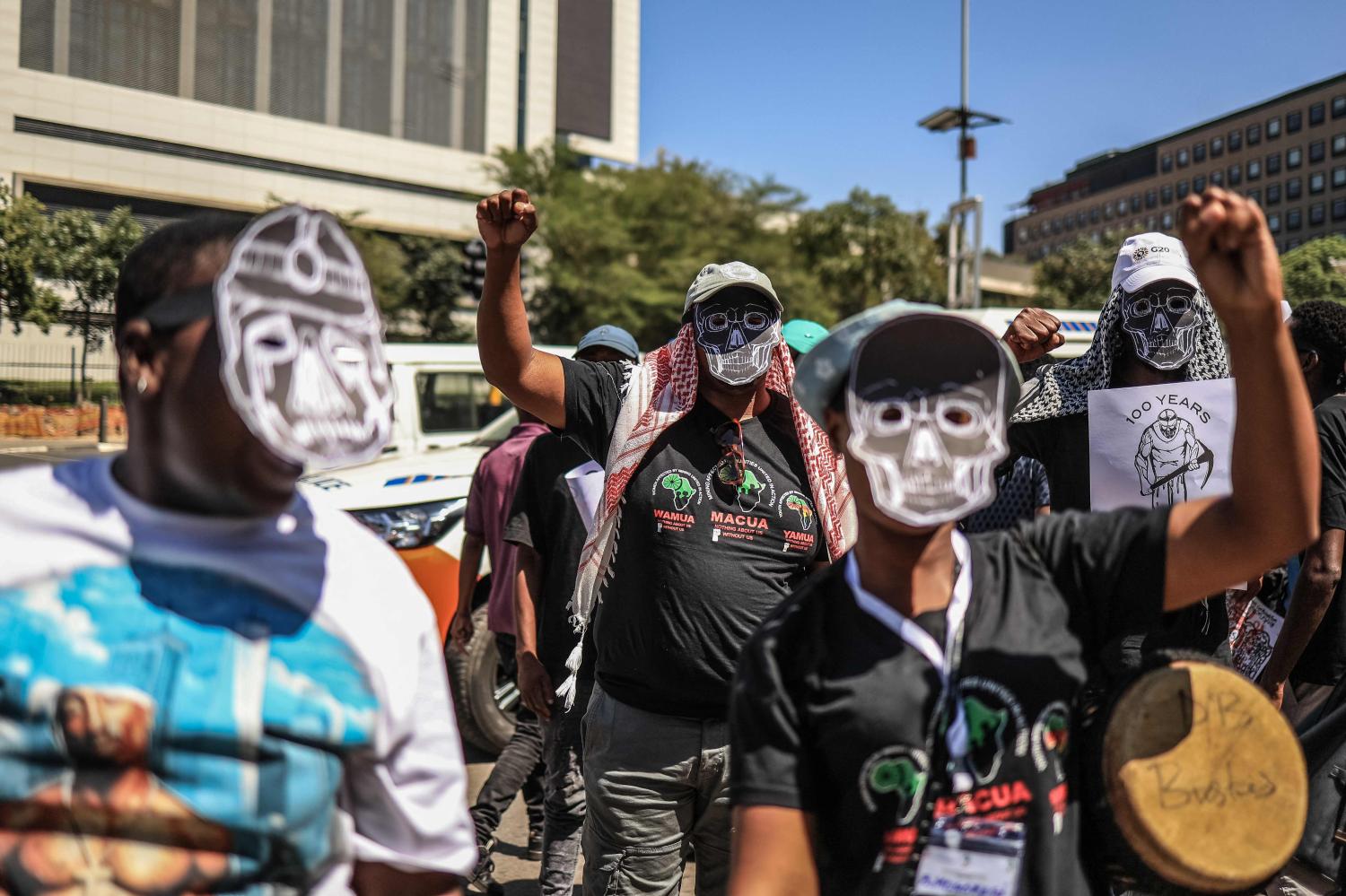
» Last week, policymakers and industry executives of mining companies gathered in Cape Town for the annual African Mining Indaba. They followed a familiar script: governments would court investors, companies would promise jobs and growth, and champagne would flow as speakers tout Africa as indispensable to the global energy transition.
Implications of conservative triumph
Oped, Thitinan Pongsudhirak, Published on 13/02/2026
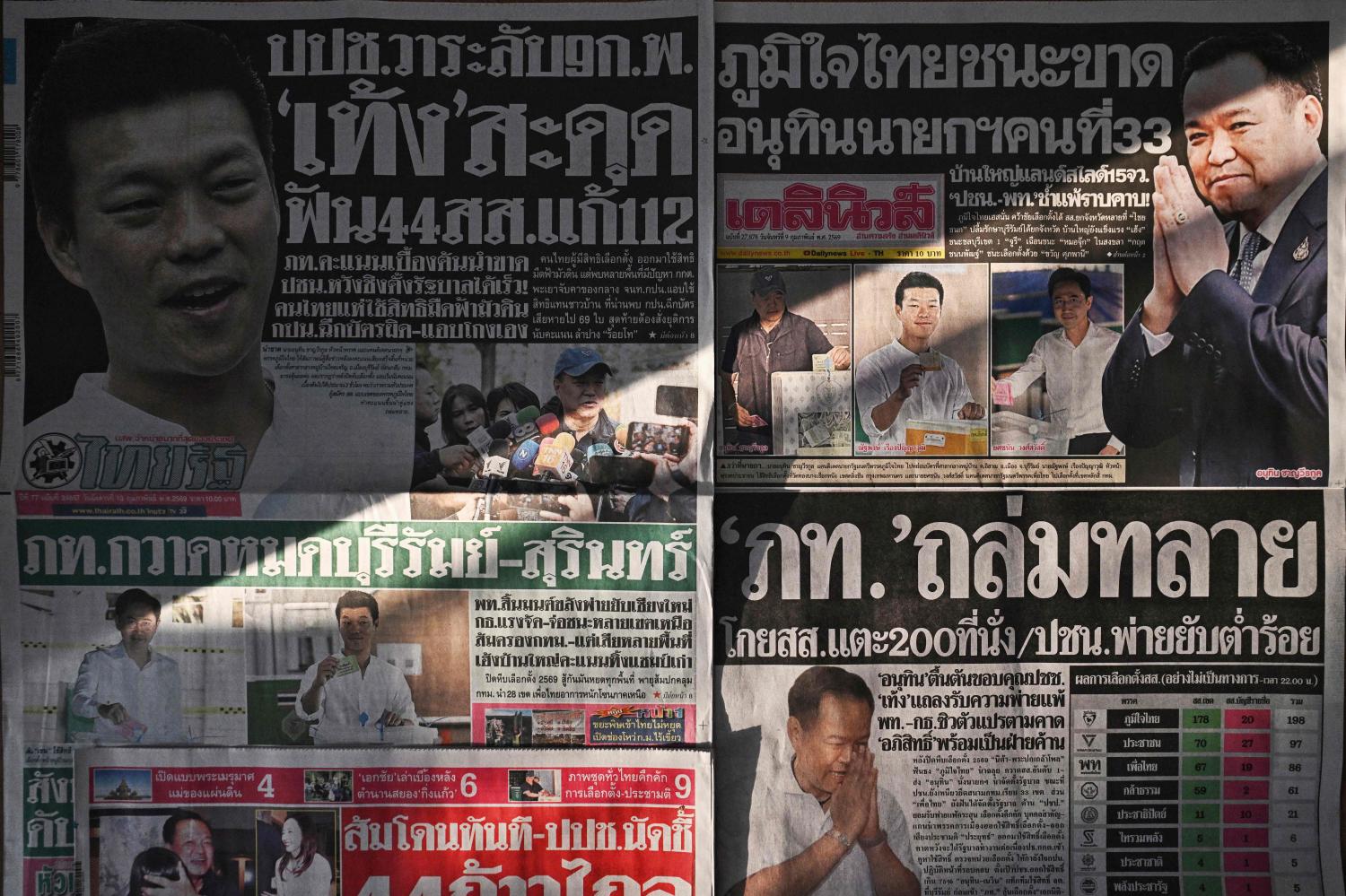
» The incumbent and conservative Bhumjaithai (BJT) Party has surprisingly swept Thailand's Feb 8 election with a commanding win. With the previously poll-leading and progressive People's Party (PP) coming in a distant second, Thailand appears headed for a conservative coalition government revolving around BJT and like-minded junior partners. Known for its conservative stance and being pro-status quo, it would not be surprising if the BJT-led coalition government, led by Prime Minister-elect Anutin Charnvirakul, were not challenged by the Constitutional Court, the Election Commission, and other supervisory agencies, which have derailed and dissolved reform-minded winning parties in the past.
Emerging markets stand strong
Oped, Kristalina Georgieva and Mohammed Al-Jadaan, Published on 12/02/2026
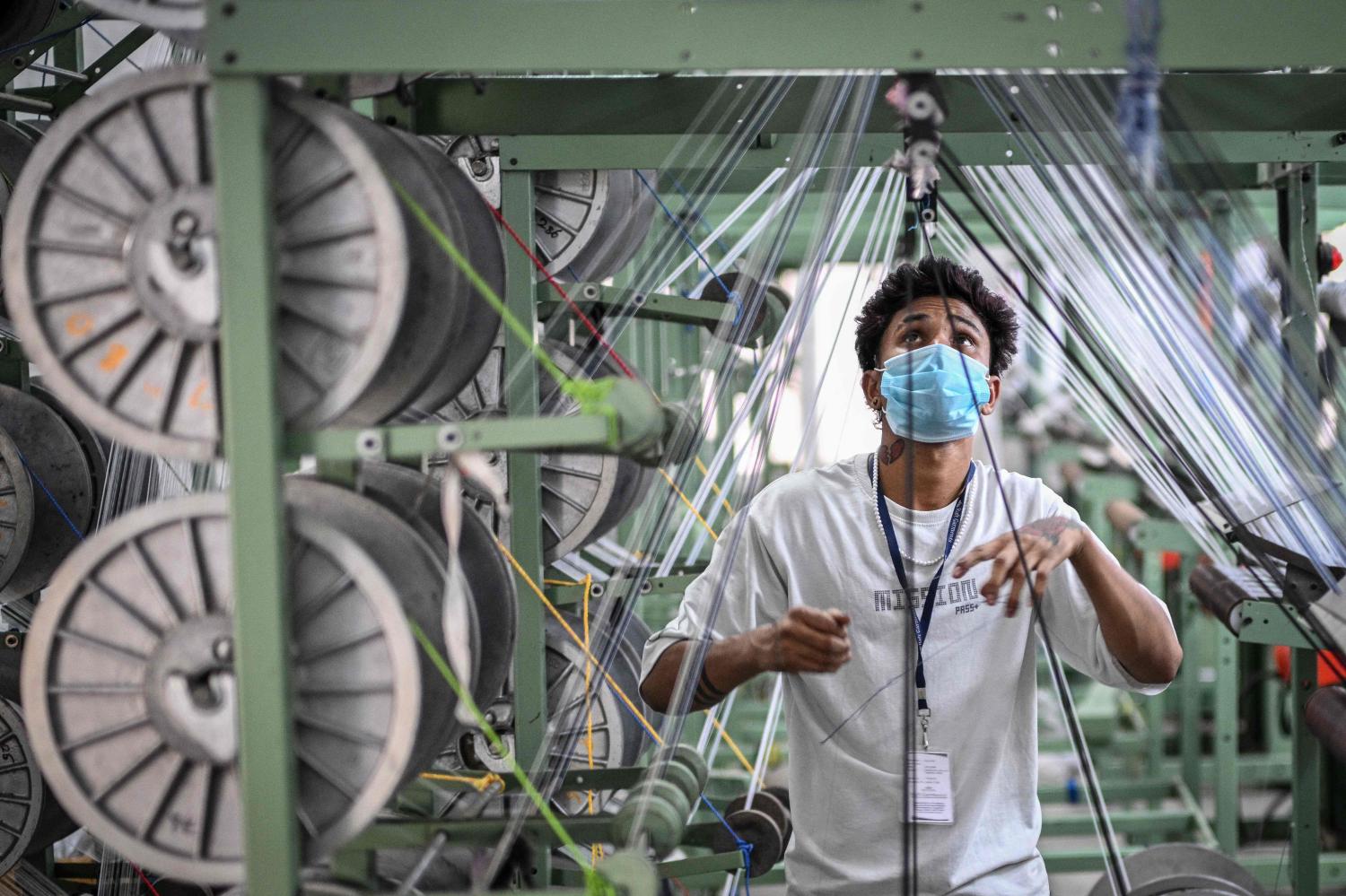
» It used to be that when advanced economies sneezed, emerging markets caught a cold. That is no longer true. Following recent global shocks, such as the post-pandemic inflation surge and a new wave of tariffs, emerging markets have held up well. Inflation has continued to slow, currencies have generally retained their value, and debt issuance costs have remained at manageable levels. There has been no sign of the kind of financial turbulence that came with past economic shocks.
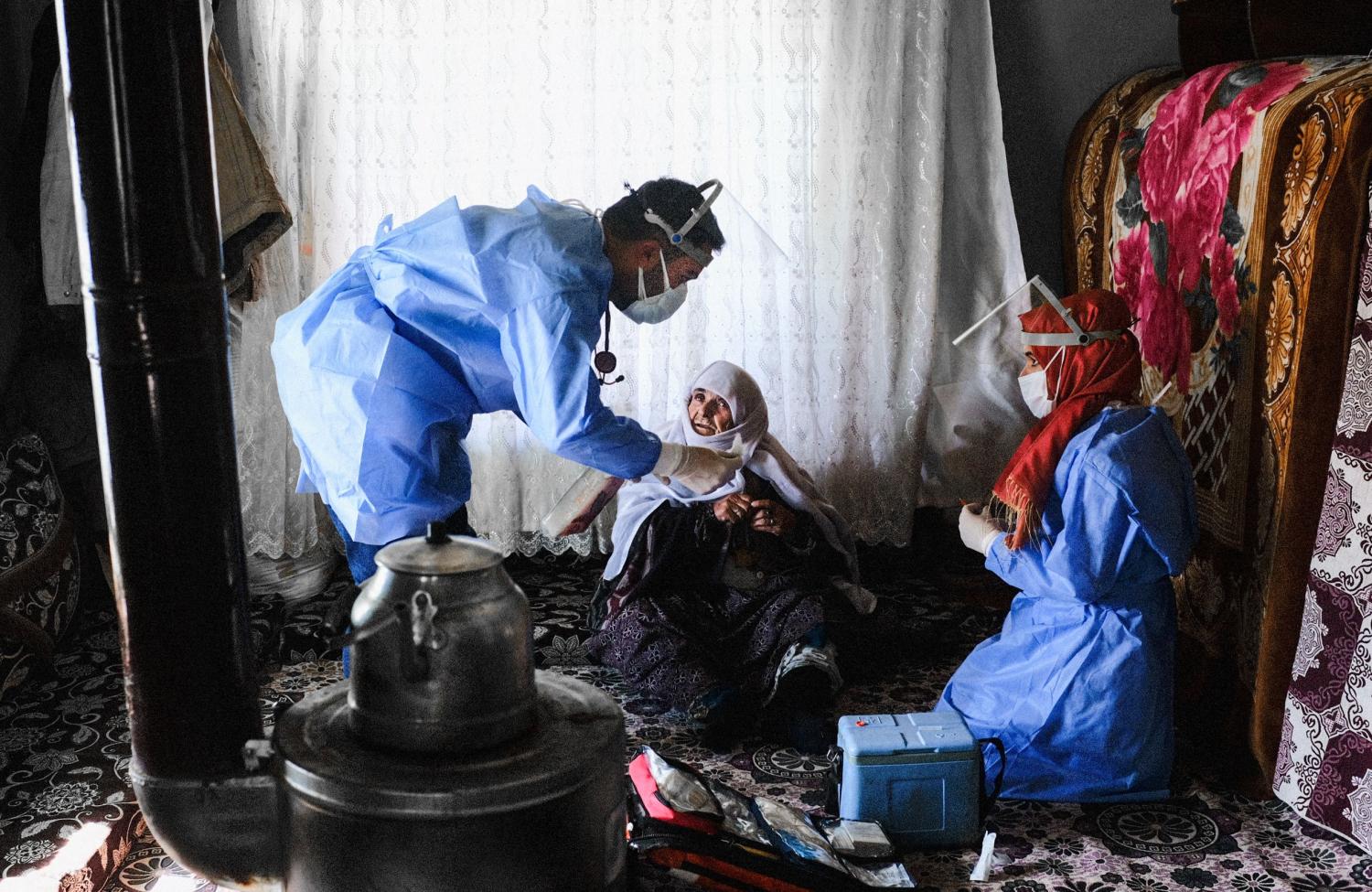
Rethinking global health finance
Oped, Walter O Ochieng & Tom Achoki, Published on 06/02/2026
» For the past half-century, the economics of global health were straightforward. Under the so-called "grant-based" approach, rich countries donate to poor countries, which use the funds to meet their populations' health needs. Success was measured by services provided or lives saved, rather than by balance sheets. While this model was far from perfect, the latest approach replacing it -- focused on using tools like guarantees and blended finance to crowd in private capital -- threatens to produce even worse outcomes.