




Showing 1 - 10 of 960
Next government won't be a grey one
Oped, Nattaya Chetchotiros, Published on 12/02/2026
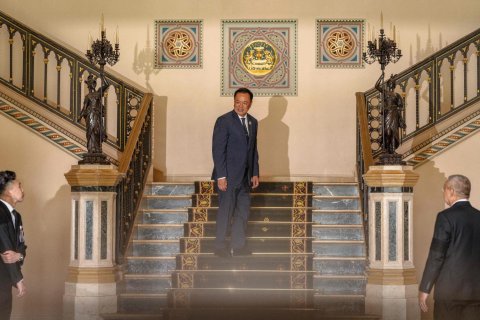
» The formula for the new government will be an amalgamation of three colours -- navy blue representing the Bhumjaithai Party (BJT), red symbolising Pheu Thai (PT), and light blue, the colour code of the Democrat Party.

Ground game
Oped, Postbag, Published on 12/02/2026
» Re: "BJT win bodes well for conservatives", (BP, Feb 11). Given the tallies of the nationwide party list vote, I don't understand the justification for the following assertions: "BJT's landslide victory reflects a surge of nationalist sentiment" (5.9M votes); the PP suffered from "lingering voter scepticism" and "eroded public confidence" (9.8M votes).
Reinvent Thailand to revive growth
Oped, Boonwara Sumano, Published on 11/02/2026
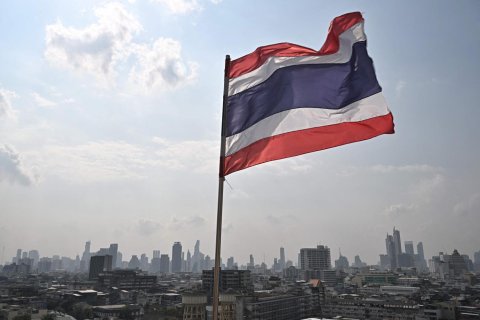
» In the 1990s, Thailand ranked second in Asean for state performance, behind only Singapore. Today, we trail several neighbours. This decline has unfolded gradually over three decades -- through repeated economic crises, institutional stagnation, and reforms that never quite went far enough. What is different today is that the cost of inaction has become far more dangerous.
50-party race comes down to just this
Oped, Veera Prateepchaikul, Published on 09/02/2026
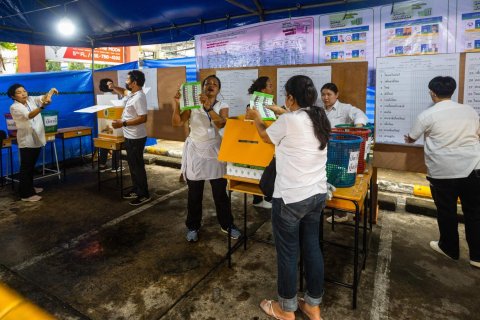
» By the time this opinion piece goes into print, the unofficial outcome of Sunday's election will already have been announced by the Election Commission. Which of the two front-running parties, Bhumjaithai and the People's Party, has emerged the winner and earned the right to form the new government will also be known.

The remarkable rise of Rukchanok ‘Ice’ Srinork
Oped, Sanitsuda Ekachai, Published on 06/02/2026
» No matter what happens on Sunday election, one fact is already sealed. Rukchanok “Ice” Srinork, a former lawmaker representing the People’s Party, is now the most popular politician in Thai history. The word “female” is almost redundant.

Politics at the border
Oped, Editorial, Published on 06/02/2026
» Amid a fierce election campaign, Bhumjaithai -- once a mid-sized party -- has ridden a wave of nationalism, becoming a force to be reckoned with in Sunday's poll.
Rethinking global health finance
Oped, Walter O Ochieng & Tom Achoki, Published on 06/02/2026
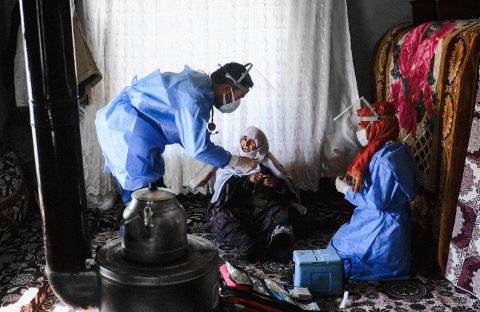
» For the past half-century, the economics of global health were straightforward. Under the so-called "grant-based" approach, rich countries donate to poor countries, which use the funds to meet their populations' health needs. Success was measured by services provided or lives saved, rather than by balance sheets. While this model was far from perfect, the latest approach replacing it -- focused on using tools like guarantees and blended finance to crowd in private capital -- threatens to produce even worse outcomes.
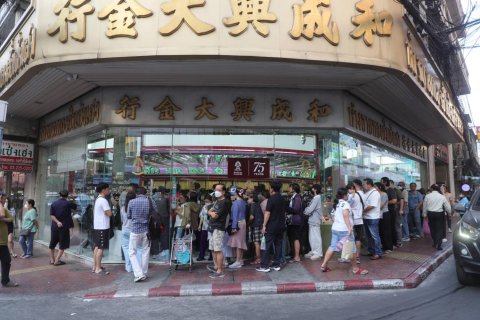
In an uncertain world, gold is a comfort
Oped, Chartchai Parasuk, Published on 05/02/2026
» With Thai citizens heading to the polls this Sunday to decide which party will form the next government, I have decided to postpone my article on the economic crisis for another two weeks.

Future will be decided in classrooms
Oped, Ken Legins and Somchai Jitsuchon, Published on 26/01/2026
» On Feb 8, people across Thailand will head to the national election.
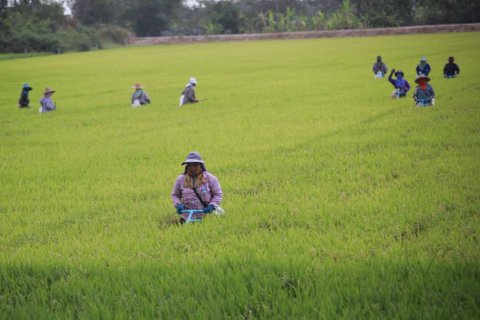
How to feed the world's ten billion people
Oped, Yurdi Yasmi, Published on 22/01/2026
» With the world struggling to feed eight billion people today, how will we feed ten billion by 2050?