



Showing 1 - 10 of 2,223
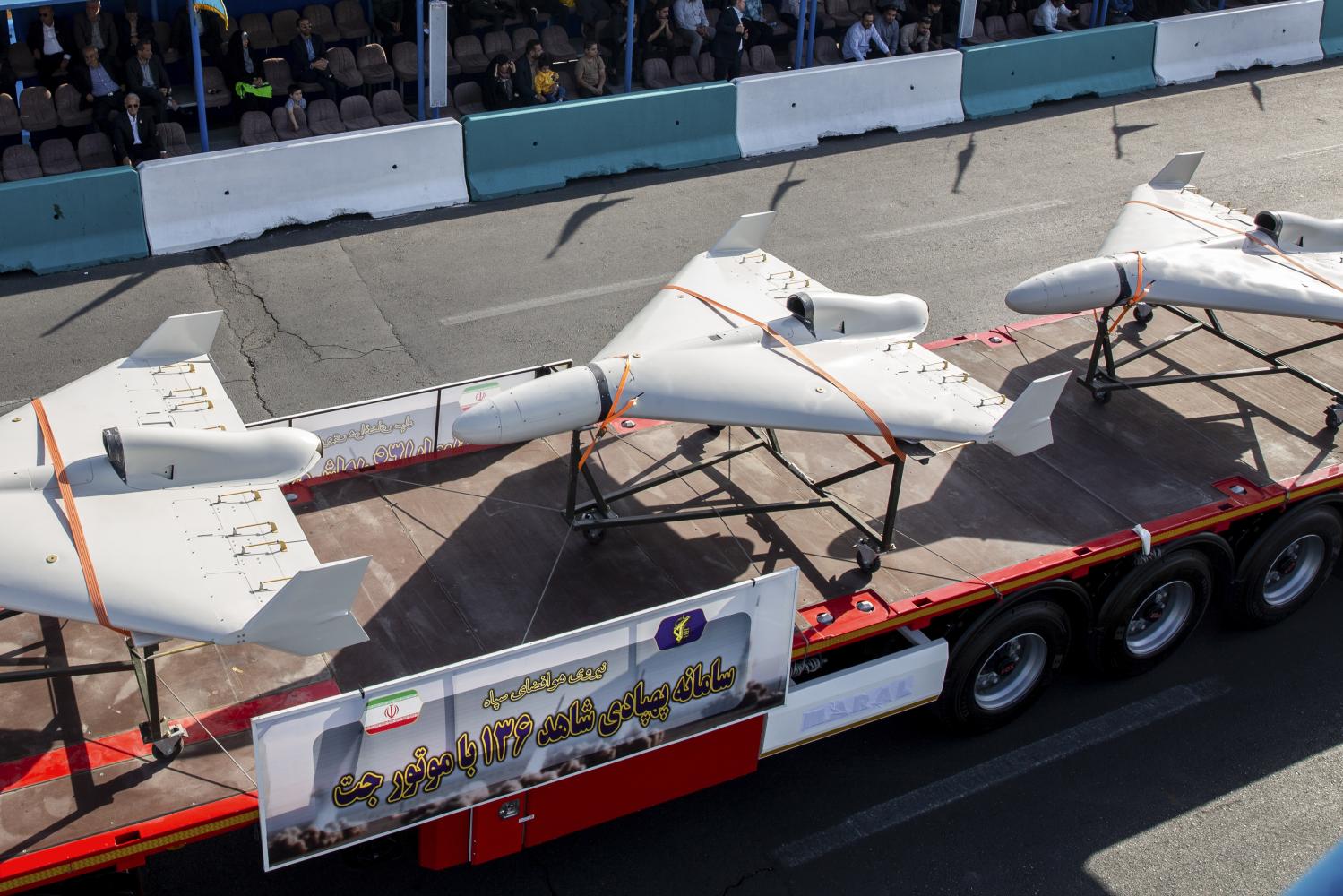
Gulf states tell US ending the war is not enough
Oped, Samia Nakhoul, Published on 31/03/2026
» Gulf Arab states are telling the US that any deal with Tehran should do more than end the war, and must permanently curb Iran's missile and drone capabilities and ensure global energy supplies are never again "weaponised", four Gulf sources said.
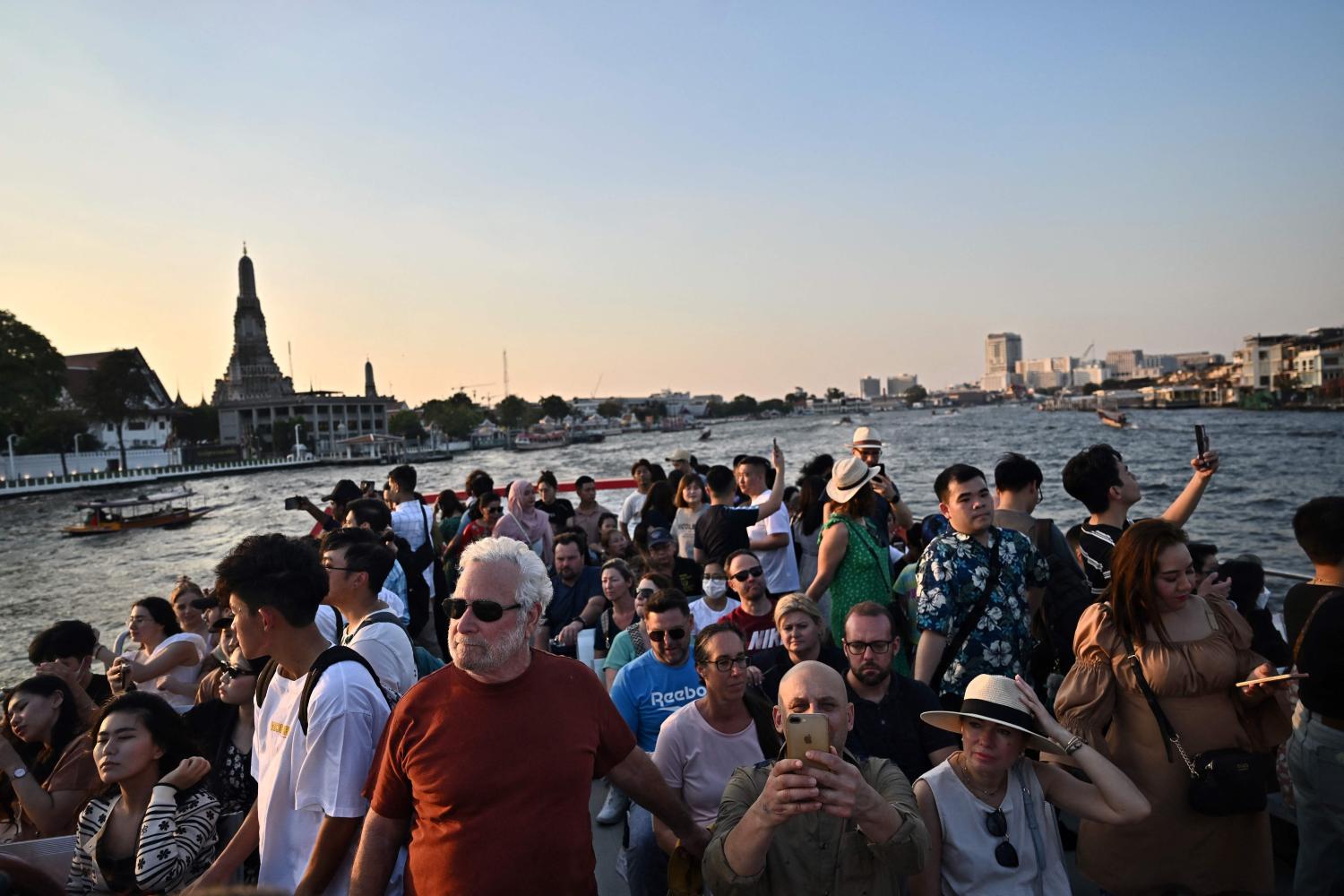
Rethinking Thailand's visa-free policy
Oped, Kavi Chongkittavorn, Published on 31/03/2026
» Thailand is planning to cut visa-free stays from 60 days to 30 days. This long-overdue change reflects growing concern over the effectiveness of immigration surveillance. Moreover, scaling down visa-free stays underscores the seriousness of the Anutin government's efforts to combat scammers, illegal work, and other underground activities that exploit easy visa access to turn Thailand into a base for under-the-table operations.
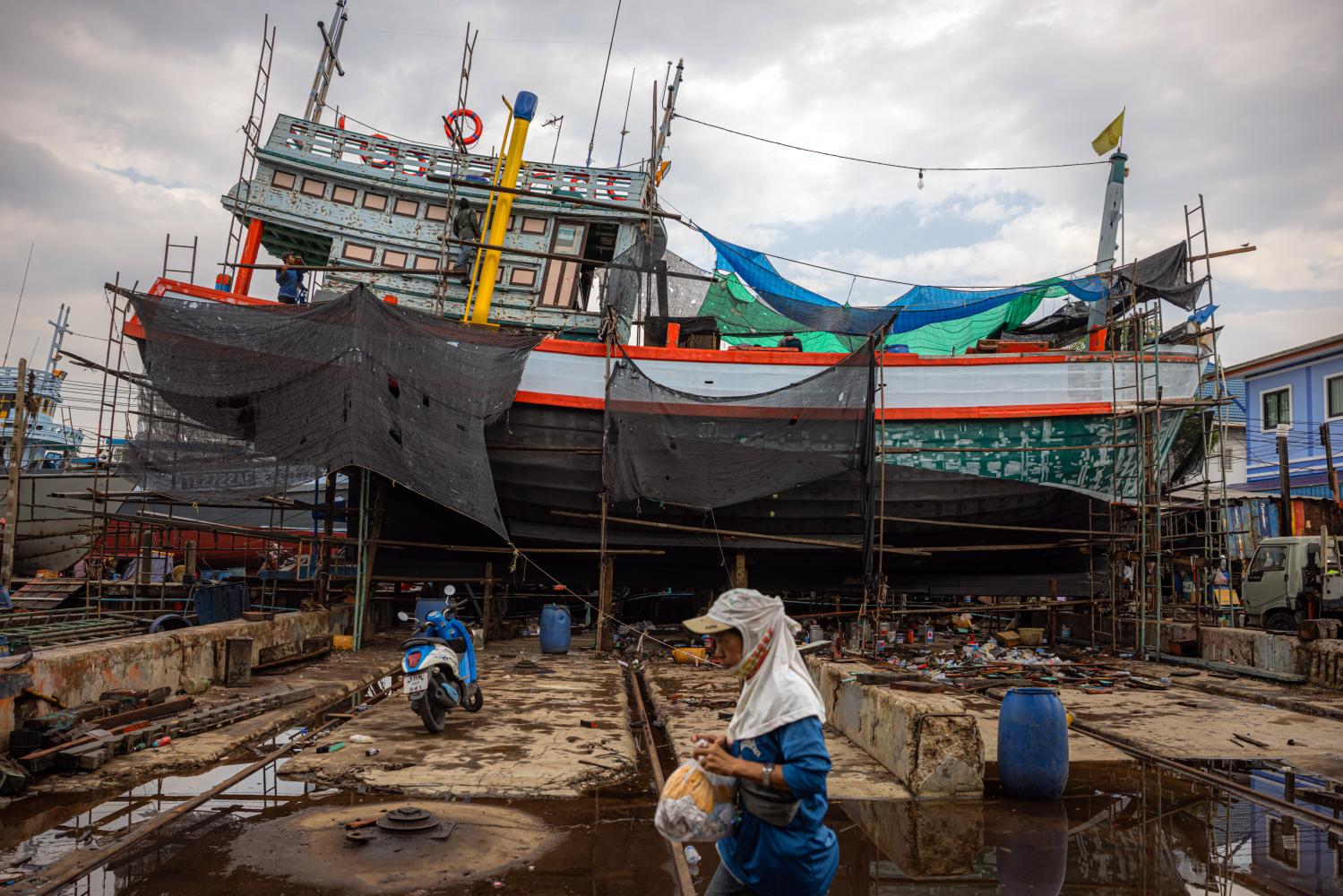
The silent engines of Asean realism
Oped, Imran Khalid, Published on 30/03/2026
» The global economy is currently tackling what may be the most significant energy disruption since the 1970s. The effective throttling of the Strait of Hormuz -- now seeded with Iranian Maham mines and subject to a tense, IRGC-monitored tolling system -- has physically severed the energy arteries that sustain the industrial heart of Southeast Asia.

Flyover bridge sparks backlash
Editorial, Published on 29/03/2026
» A controversial flyover bridge in Ta Phraya district of Sa Kaeo attests to the fact state authorities have taken little, if any, account of the law requiring public participation in development projects before permits are granted.
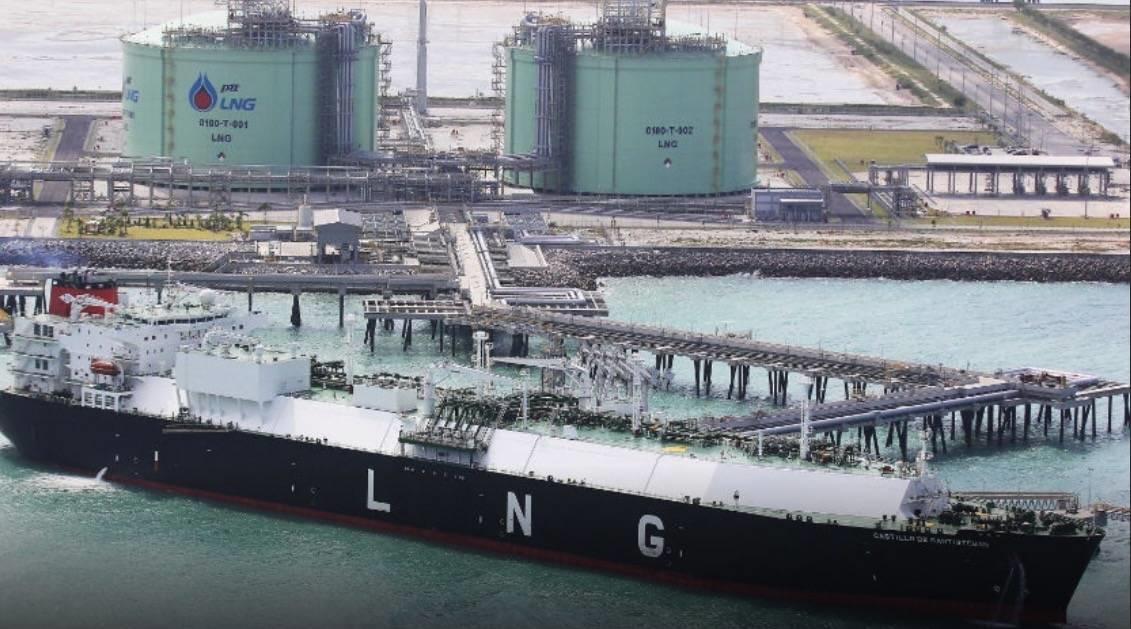
Iran war exposes Thai energy fragility
News, Sutthipath Kanittakul, Published on 28/03/2026
» The ongoing war in the Middle East is exposing a critical vulnerability in Thailand's energy system -- its heavy dependence on imported liquefied natural gas (LNG).
Selective outrage will not end the war in Iran
Oped, Jayati Ghosh, Published on 27/03/2026
» Few United Nations Security Council resolutions have been as one-sided as its recent condemnation of Iran's "egregious attacks" on regional neighbours such as Bahrain, Qatar, Saudi Arabia, and the United Arab Emirates. Leaving little room for interpretation, it describes those attacks as "a breach of international law and a serious threat to international peace and security".

Learn from State Audit Office tragedy
Oped, Editorial, Published on 27/03/2026
» Tomorrow, the nation will mark one of the most painful anniversaries in Thailand's recent history.
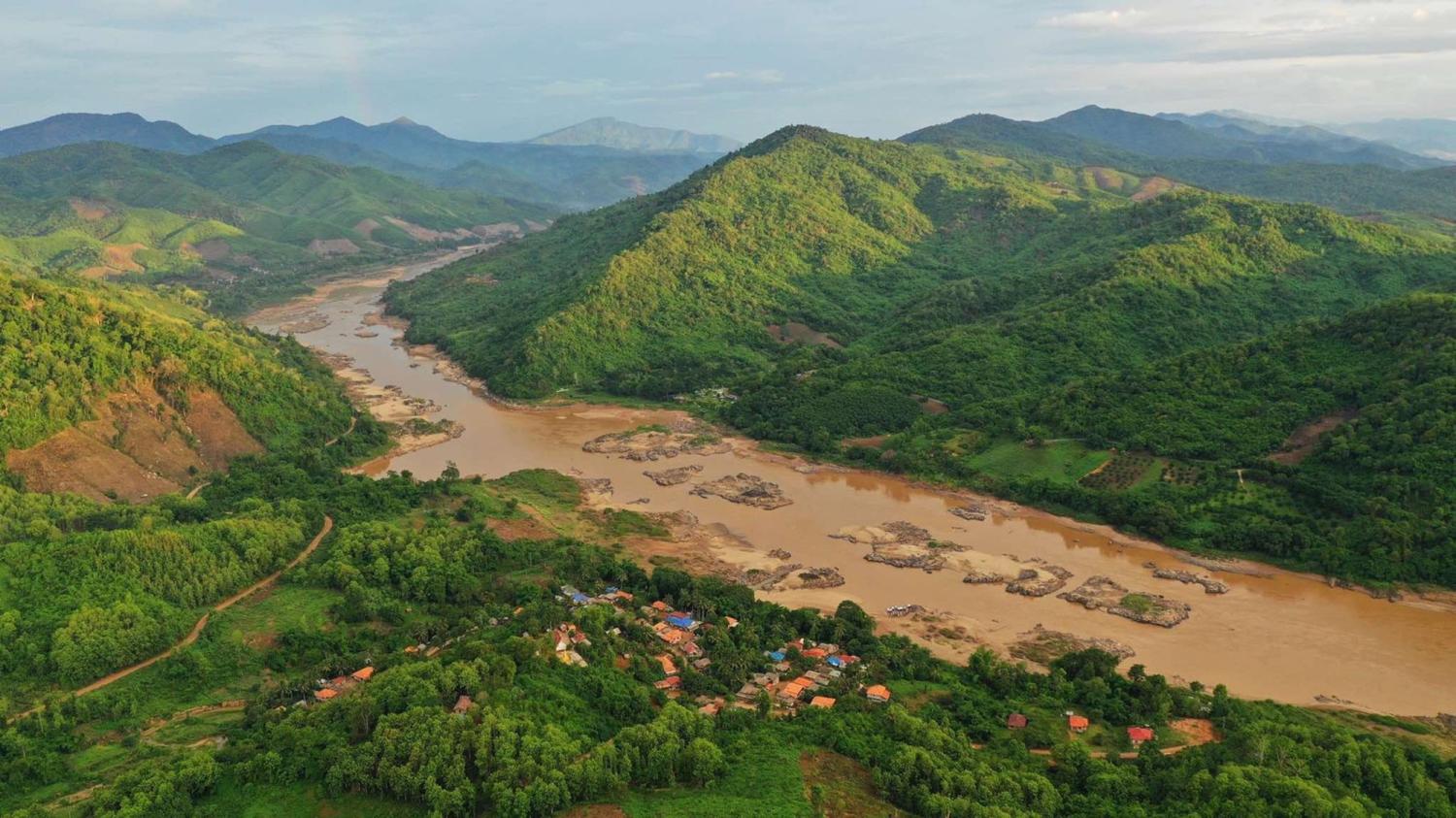
Power rivalry heats up Mekong region
Oped, Kavi Chongkittavorn, Published on 24/03/2026
» The Thai saying, maenam maimee promdan (rivers have no boundaries), fittingly applies to the mighty Mekong River, known in China as the Lancang.

Long stay doubts
Oped, Postbag, Published on 24/03/2026
» Re: "30-day visa-free stay 'sufficient', says minister", (BP, March 21) & "Thailand reviewing visa-free stays as local complaints pile up" & "Phuket up in arms on long‑stay visa", (BP, March 18).

Anutin's first big test
Oped, Editorial, Published on 23/03/2026
» The latest escalation in the Middle East targeting energy infrastructure is not merely another flurry of geopolitical tension, but a systemic shock to the global order with the potential to reverberate far beyond oil markets.