



Showing 1 - 10 of 44

Rethinking identity from the start
Oped, Watcharin Ariyaprakai, Published on 29/10/2025
» Thailand has made history by recognising same-sex marriage, affirming the right of adults to love and marry freely. This will rightly be celebrated as a triumph for equality and human dignity. Yet, in the same society, another group remains voiceless: newborns born with Disorders of Sex Development (DSD).
Climate week fanfare hides the poverty gap
Oped, Bjorn Lomborg, Published on 24/09/2025
» As world leaders converge on New York for the UN General Assembly and Climate Week, two incompatible visions are about to clash: rich-world elites obsessed with climate change versus developing nations battling poverty, hunger, and disease.

People want change
Oped, Postbag, Published on 09/09/2025
» Re: "Most Thais want parliament dissolved immediately, charter change: poll", (BP, Sept 7).
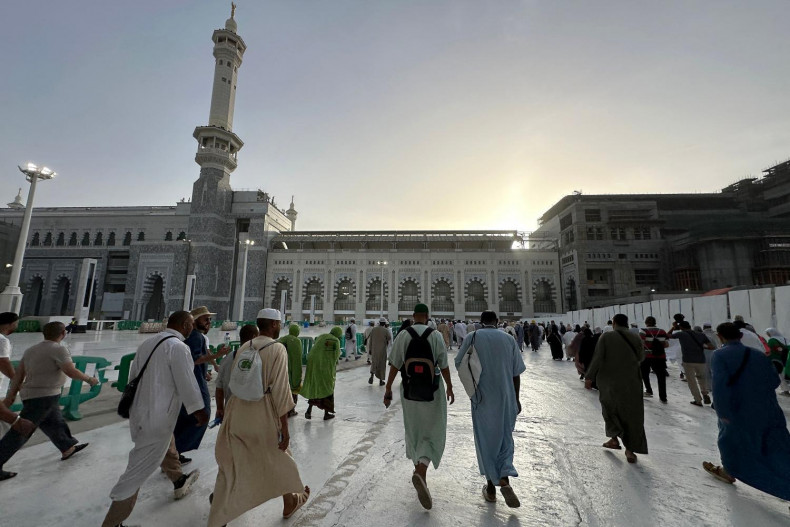
Why faith is indispensable to global development
Oped, Alaa Murabit, Published on 04/06/2025
» For nearly two decades, I have worked at the intersection of development, health, and security. In roundtables with heads of state, emergency briefings, and donor forums, I have noticed a glaring pattern: faith-based actors are often excluded from global strategies. When present at all, they are sidelined, treated as symbolic figures rather than as genuine partners. This isn't just a blind spot. It's a strategic failure.

Foreign aid, the powerful US soft power, is gone
Oped, Jeffrey Frankel, Published on 23/05/2025
» 'Don't it always seem to go, that you don't know what you've got 'til it's gone." When Joni Mitchell sang that line in 1970, she was lamenting the destruction of the environment, but the sentiment applies to many issues. Today, we can add official development assistance (ODA) to the list.
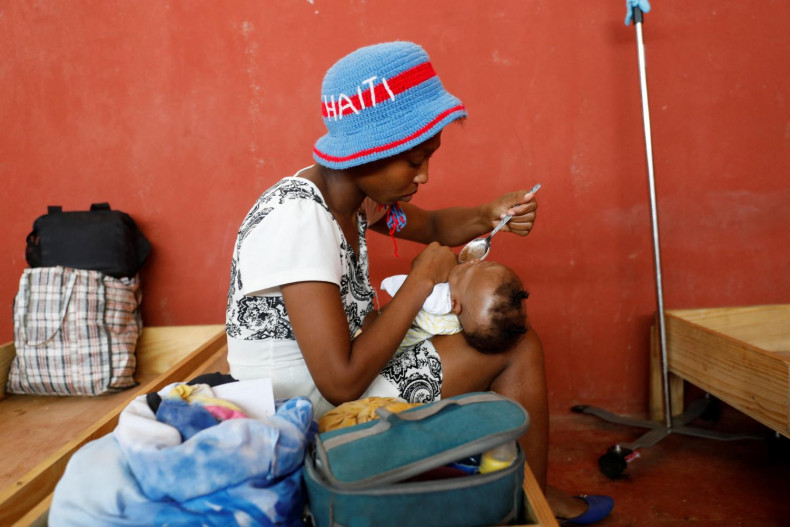
Philanthropy in an era of declining development aid
Oped, William Moore, Published on 02/04/2025
» Philanthropy will never replace public aid, but it can be a powerhouse if we use it right. With global development funding under strain, European aid budgets being redirected towards defence and rearmament, and the United States rethinking foreign assistance altogether, the aid community has been left scrambling.
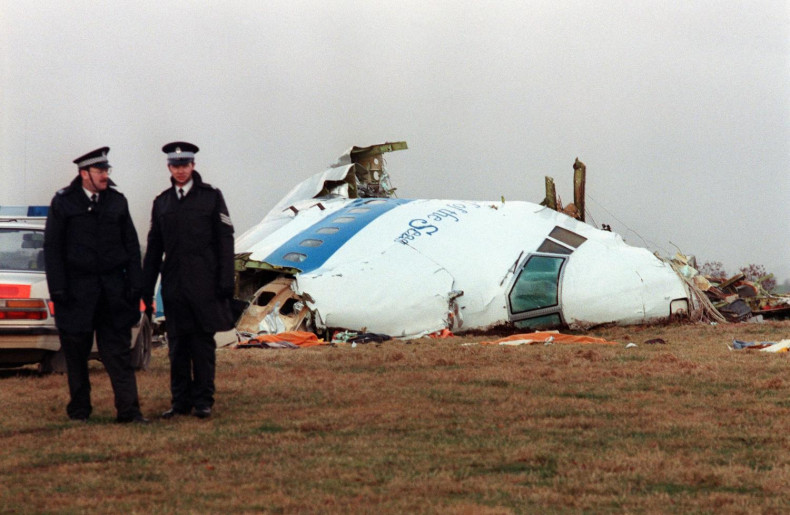
Lockerbie bombing and the questions that linger
Oped, Kantathi Suphamongkhon, Published on 20/12/2024
» I often wondered how much of our lives are predetermined by forces beyond our comprehension.
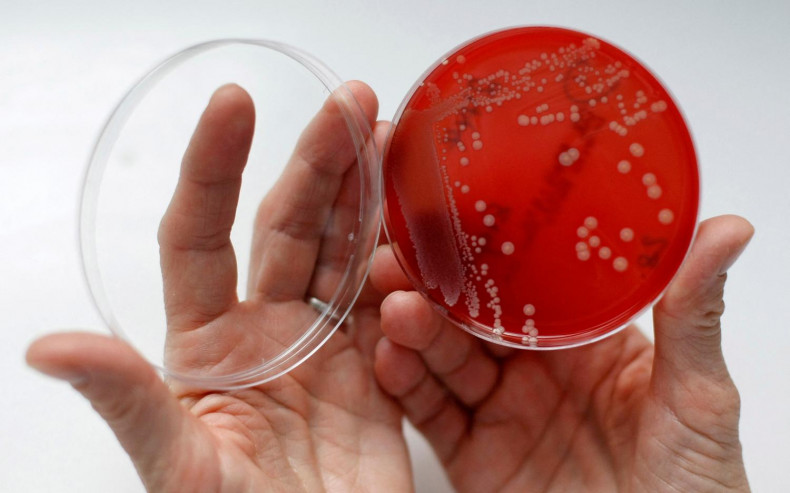
The world's babies need antibiotics
Oped, Glenda Gray, Published on 28/11/2024
» Over the last half-century, the number of children who die before reaching the age of five has fallen dramatically, from around 20 million in 1960 to 4.9 million in 2022, largely owing to the Expanded Programme on Immunisation (EPI). Established by the World Health Organization (WHO) in 1974, the EPI has been extraordinarily successful in providing the youngest people with access to vaccines, saving more than 150 million lives. But while such progress is worthy of celebration, there is still much work to do, because newborns comprise half of all deaths in children under five each year, many of which are caused by infection.

Why the oil market refuses to catastrophise
News, John Kemp, Published on 20/01/2024
» Psychologists sometimes warn anxious and depressed clients about the danger of catastrophising -- fixating on the worst possible outcome, exaggerating serious but unlikely risks rather than evaluating all outcomes rationally.
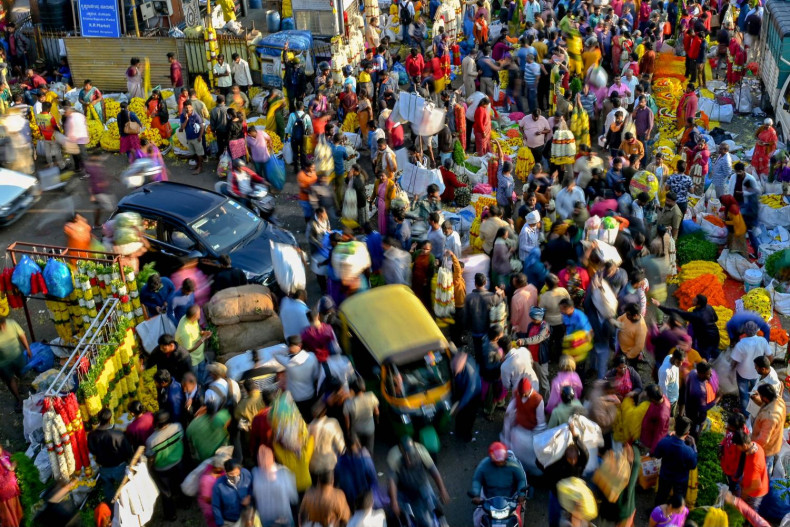
China, India have fewer people than the UN thinks
Oped, Yi Fuxian, Published on 09/06/2023
» In April, the United Nations estimated that India had overtaken China as the world's most populous country. While the announcement received a great deal of media attention, India's 2024 census will likely reveal that the UN's projections have been vastly overestimated.