




Showing 1 - 10 of 1,226

Fix Thailand's data confusion
Oped, Jompon Pitaksantayothin, Published on 20/02/2026
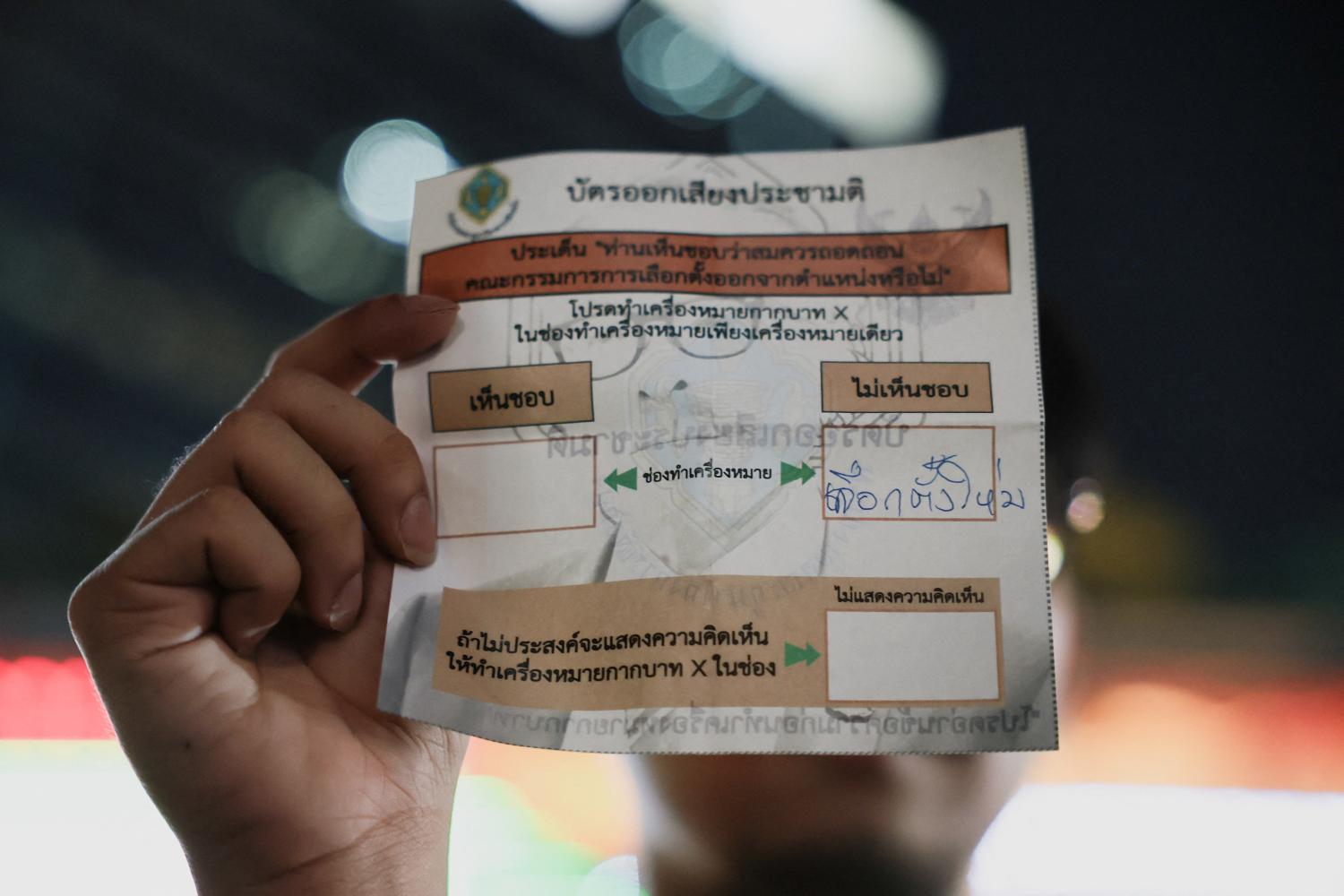
» Thailand has made significant strides in building a data governance framework, most notably through the Personal Data Protection Act (PDPA) 2019. Data now underpins how citizens exercise their rights, how governments deliver services, how businesses innovate, and ultimately, how democracy is sustained.
The gist of Thai politics over 20 years
Oped, Thitinan Pongsudhirak, Published on 20/02/2026
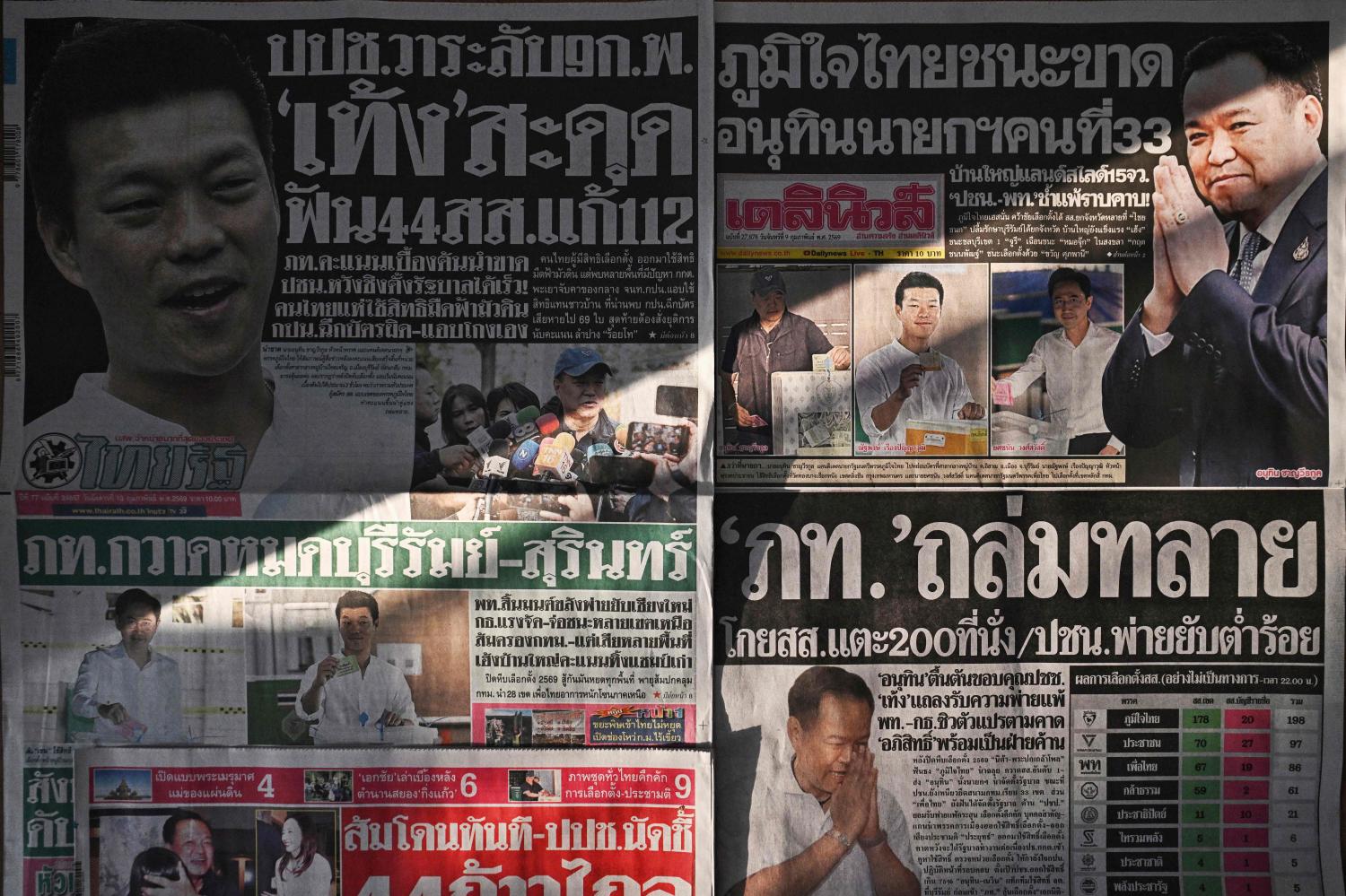
» Thailand's democratic institutions have been repressed and kept weak to the point that confusion still prevails almost two weeks after the Feb 8 election, which purportedly showed a clear victory for the ruling Bhumjaithai (BJT) Party under Prime Minister Anutin Charnvirakul. On the one hand, Mr Anutin and BJT stalwarts are busy forming a coalition government with other parties. On the other hand, fraud allegations from civil society groups and the opposition People's Party have reached a critical mass with the plausibility that the recent vote might be nullified to pave the way for a new poll.
Implications of conservative triumph
Oped, Thitinan Pongsudhirak, Published on 13/02/2026
» The incumbent and conservative Bhumjaithai (BJT) Party has surprisingly swept Thailand's Feb 8 election with a commanding win. With the previously poll-leading and progressive People's Party (PP) coming in a distant second, Thailand appears headed for a conservative coalition government revolving around BJT and like-minded junior partners. Known for its conservative stance and being pro-status quo, it would not be surprising if the BJT-led coalition government, led by Prime Minister-elect Anutin Charnvirakul, were not challenged by the Constitutional Court, the Election Commission, and other supervisory agencies, which have derailed and dissolved reform-minded winning parties in the past.

How world's super-rich are rewriting the rules
Oped, Joseph E Stiglitz & Jayati Ghosh, Published on 13/02/2026
» Ongoing efforts to derail multilateral tax cooperation lie at the heart of a global programme to replace democratic governance with coercive rule by the extremely wealthy -- or what we call 21st-century Caesarism. Any strategy to counter this programme, therefore, must recognise that taxing extreme wealth is essential to saving democracy.

Emerging markets stand strong
Oped, Kristalina Georgieva and Mohammed Al-Jadaan, Published on 12/02/2026
» It used to be that when advanced economies sneezed, emerging markets caught a cold. That is no longer true. Following recent global shocks, such as the post-pandemic inflation surge and a new wave of tariffs, emerging markets have held up well. Inflation has continued to slow, currencies have generally retained their value, and debt issuance costs have remained at manageable levels. There has been no sign of the kind of financial turbulence that came with past economic shocks.

NACC timing questioned
Oped, Editorial, Published on 11/02/2026
» As winning political parties begin forming alliances and the public waits for a new government to address bread-and-butter issues, the National Anti-Corruption Commission's (NACC) decision to move against former MPs from the People's Party is, to say the least, poorly timed.
Reinvent Thailand to revive growth
Oped, Boonwara Sumano, Published on 11/02/2026
» In the 1990s, Thailand ranked second in Asean for state performance, behind only Singapore. Today, we trail several neighbours. This decline has unfolded gradually over three decades -- through repeated economic crises, institutional stagnation, and reforms that never quite went far enough. What is different today is that the cost of inaction has become far more dangerous.

Will poll be breakout or more of same?
Oped, Thitinan Pongsudhirak, Published on 06/02/2026
» As Thais go to the polls this Sunday, the most consequential question is whether Thailand will finally break out of its debilitating cycle of political instability and economic underperformance that has marked the past two decades. The signs and signals suggest otherwise -- at least not yet.
Rethinking global health finance
Oped, Walter O Ochieng & Tom Achoki, Published on 06/02/2026
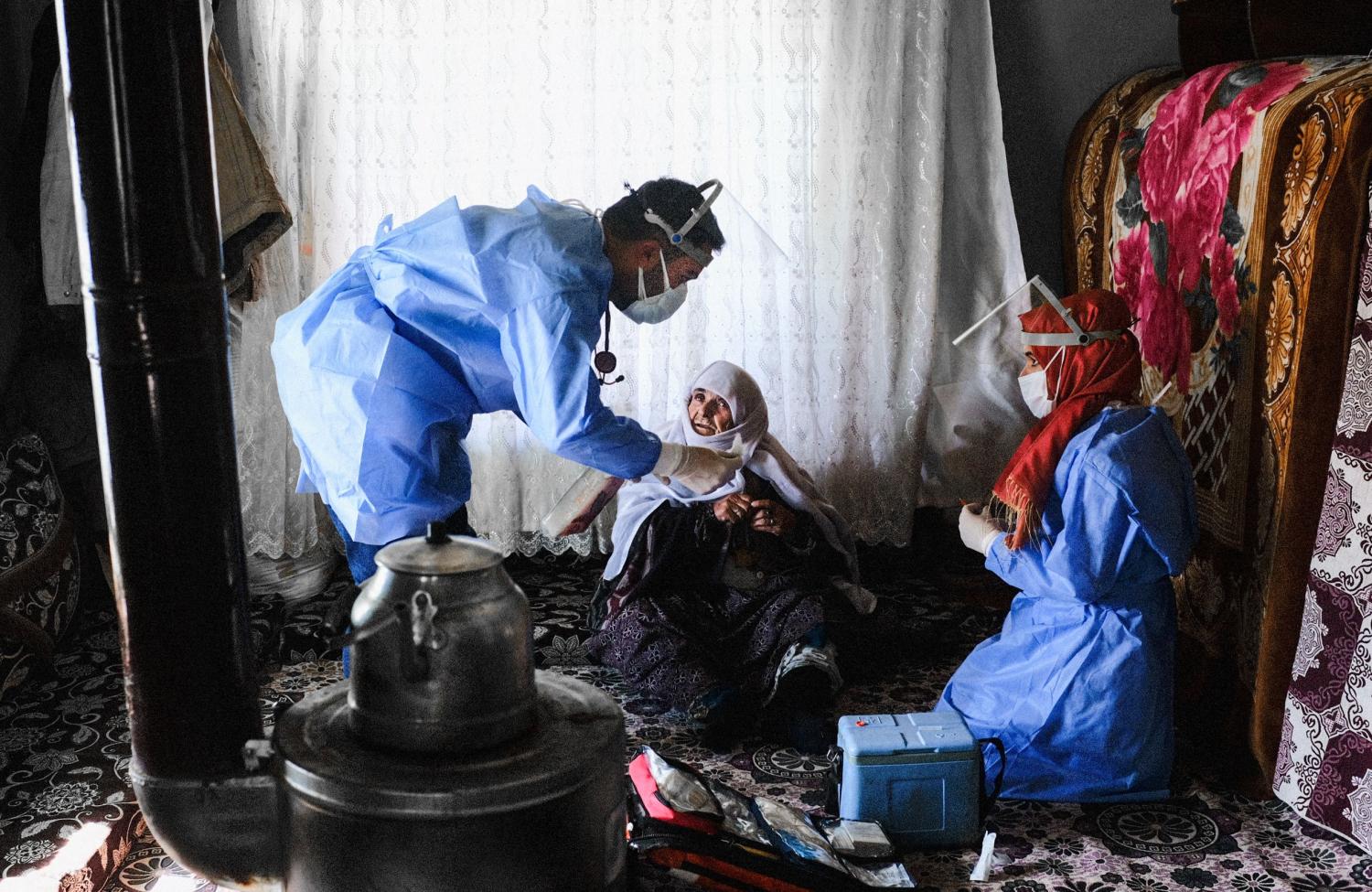
» For the past half-century, the economics of global health were straightforward. Under the so-called "grant-based" approach, rich countries donate to poor countries, which use the funds to meet their populations' health needs. Success was measured by services provided or lives saved, rather than by balance sheets. While this model was far from perfect, the latest approach replacing it -- focused on using tools like guarantees and blended finance to crowd in private capital -- threatens to produce even worse outcomes.
Thailand's responses to Board of Peace
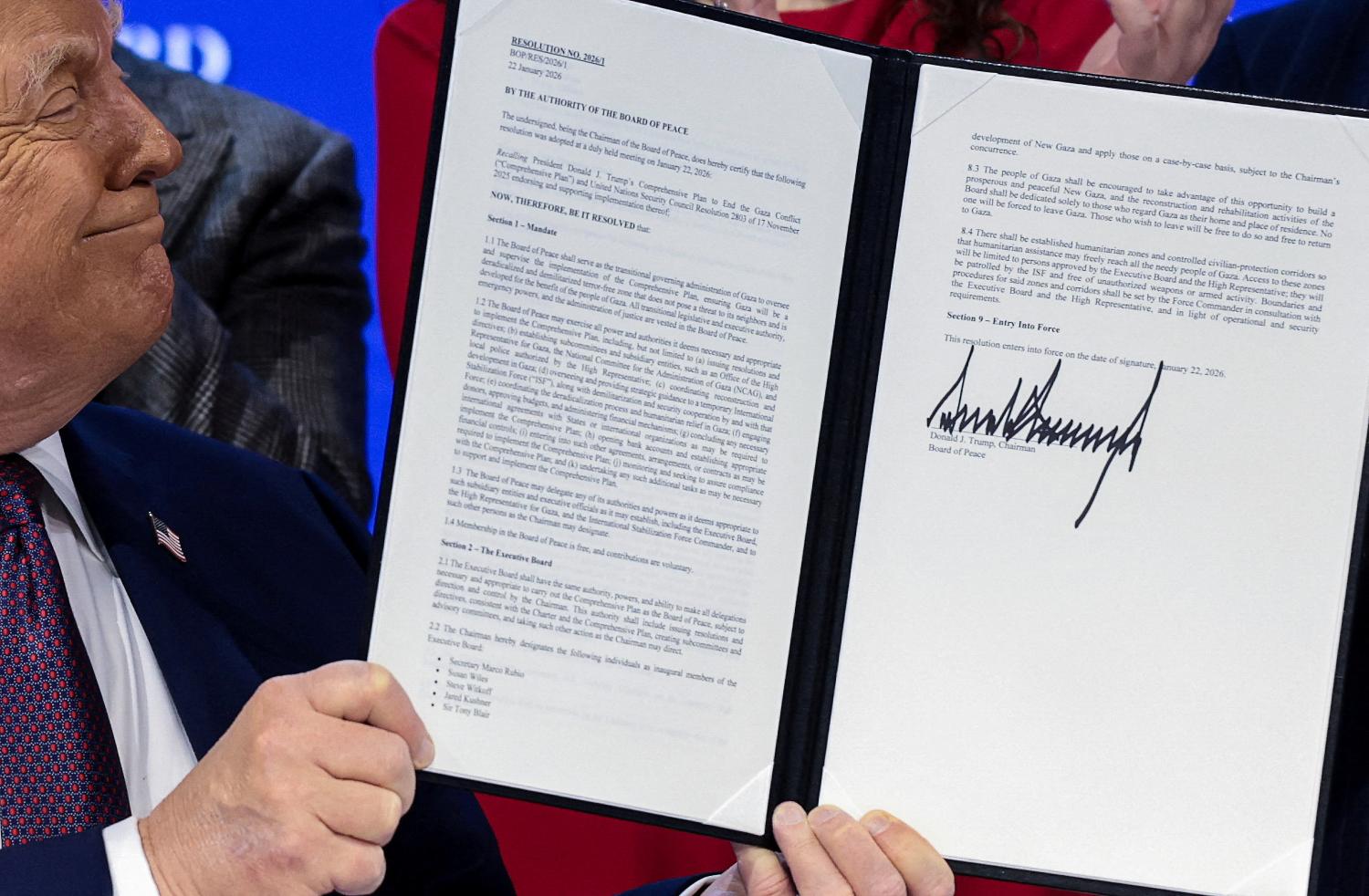
Oped, Kavi Chongkittavorn, Published on 27/01/2026
» US President Donald Trump's invitation to Thailand to join the Board of Peace (BOP) has elicited three distinct responses. The first two are succinct and clear in their rationale. The third, however, is more nuanced -- and notable for its ambivalence.