




Showing 1 - 10 of 463

Fuel-saving ideas
Oped, Postbag, Published on 02/04/2026
» Re: "PM apologises for fuel 'chaos'", (BP, March 28).

Fuel reform now
Oped, Postbag, Published on 01/04/2026
» Re: "PM apology a good start," (Editorial, March 30).

PM apology a good start
Oped, Editorial, Published on 30/03/2026
» The recent public apology by Prime Minister Anutin Charnvirakul regarding the fuel management hiccups during the first half of March is a rare and welcome gesture of political accountability.
Preparing for AI-enabled bioweapons
Oped, Sania Nishtar, Published on 11/03/2026
» We don't know when the next epidemic or pandemic will hit, or where the next infectious threat will emerge. But we do know that the nature of the threat is constantly evolving. One of the most sobering takeaways from this year's Munich Security Conference was that AI-enabled gene editing has radically lowered the barrier to developing genetically engineered bioweapons. We must prepare to live with even deeper uncertainty about whether emerging infectious threats are natural or man-made, and whether they have been accidentally or deliberately released.

Solar boom risks leaving toxic legacy
Oped, Nattaphorn Buayam, Published on 11/03/2026
» Solar power is Thailand's master key in the fight against global warming. It is cheap, popular, and even promoted by the state. But beneath the success story lies a big question: What happens when millions of panels begin to die?

The long road to war with Iran
Oped, Carla Norrlöf, Published on 06/03/2026
» As the conflict with Iran reshapes global security assumptions and energy markets, the debate in the United States has focused largely on why President Donald Trump chose war in the first place. Was it domestic politics, a desire to project strength, a miscalculation, or something else?
Why food waste composting may fail
Oped, Parichat Suknark, Published on 04/03/2026
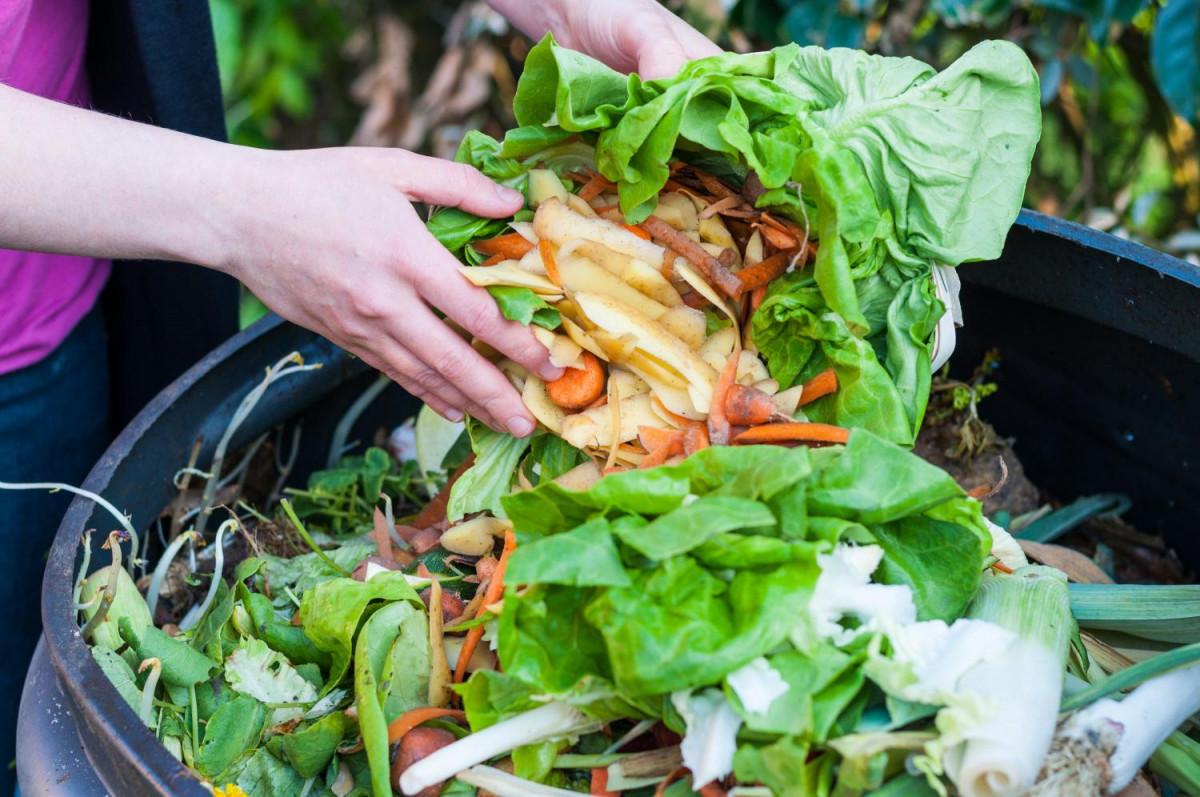
» Imagine an enormous pile of leftover rice, vegetable scraps, or fruit peels dumped to landfill, slowly rotting and filling nearby communities with an unpleasant smell. But the smell is not the only problem.
Reinvent Thailand to revive growth
Oped, Boonwara Sumano, Published on 11/02/2026
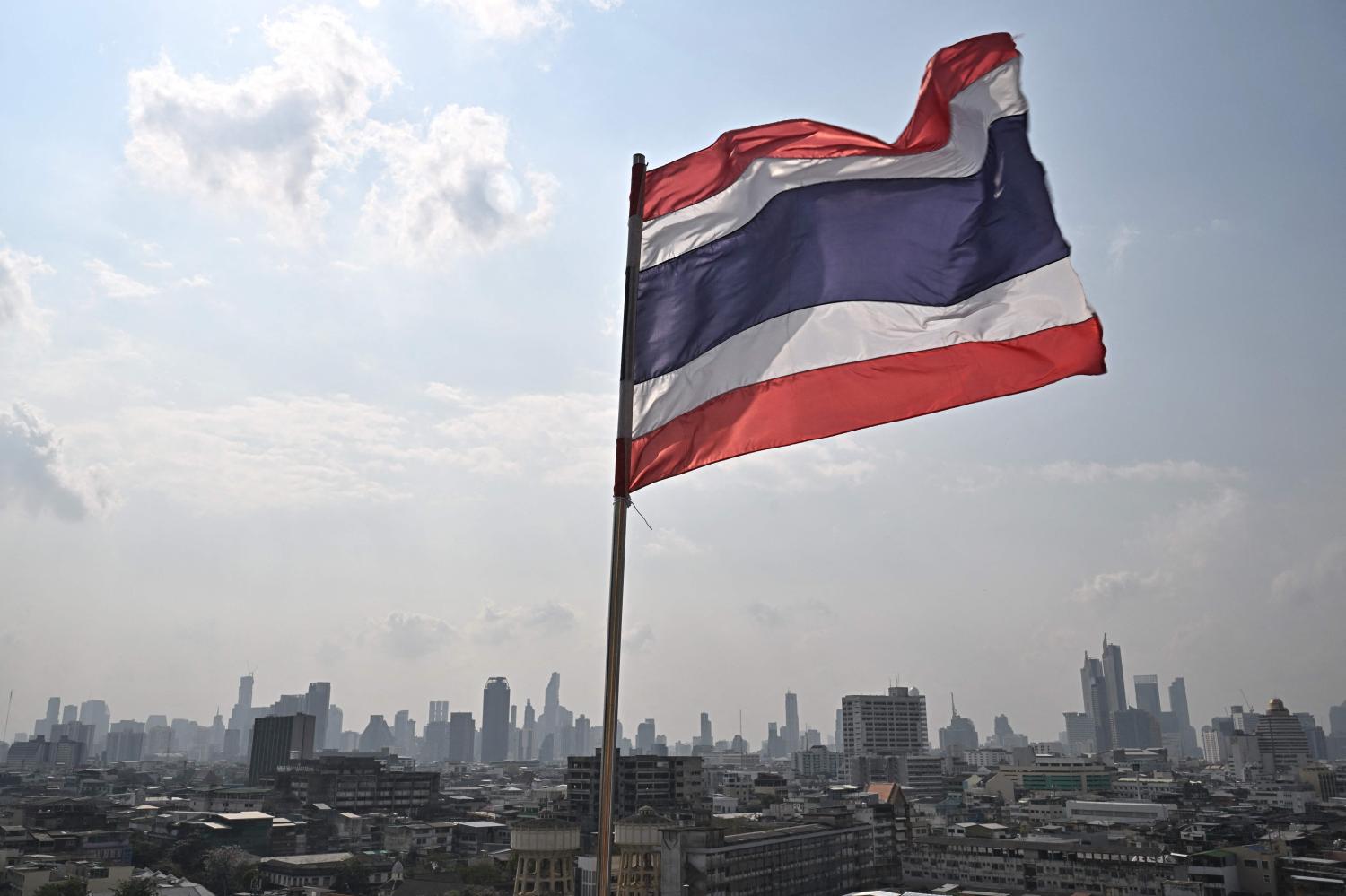
» In the 1990s, Thailand ranked second in Asean for state performance, behind only Singapore. Today, we trail several neighbours. This decline has unfolded gradually over three decades -- through repeated economic crises, institutional stagnation, and reforms that never quite went far enough. What is different today is that the cost of inaction has become far more dangerous.
50-party race comes down to just this
Oped, Veera Prateepchaikul, Published on 09/02/2026
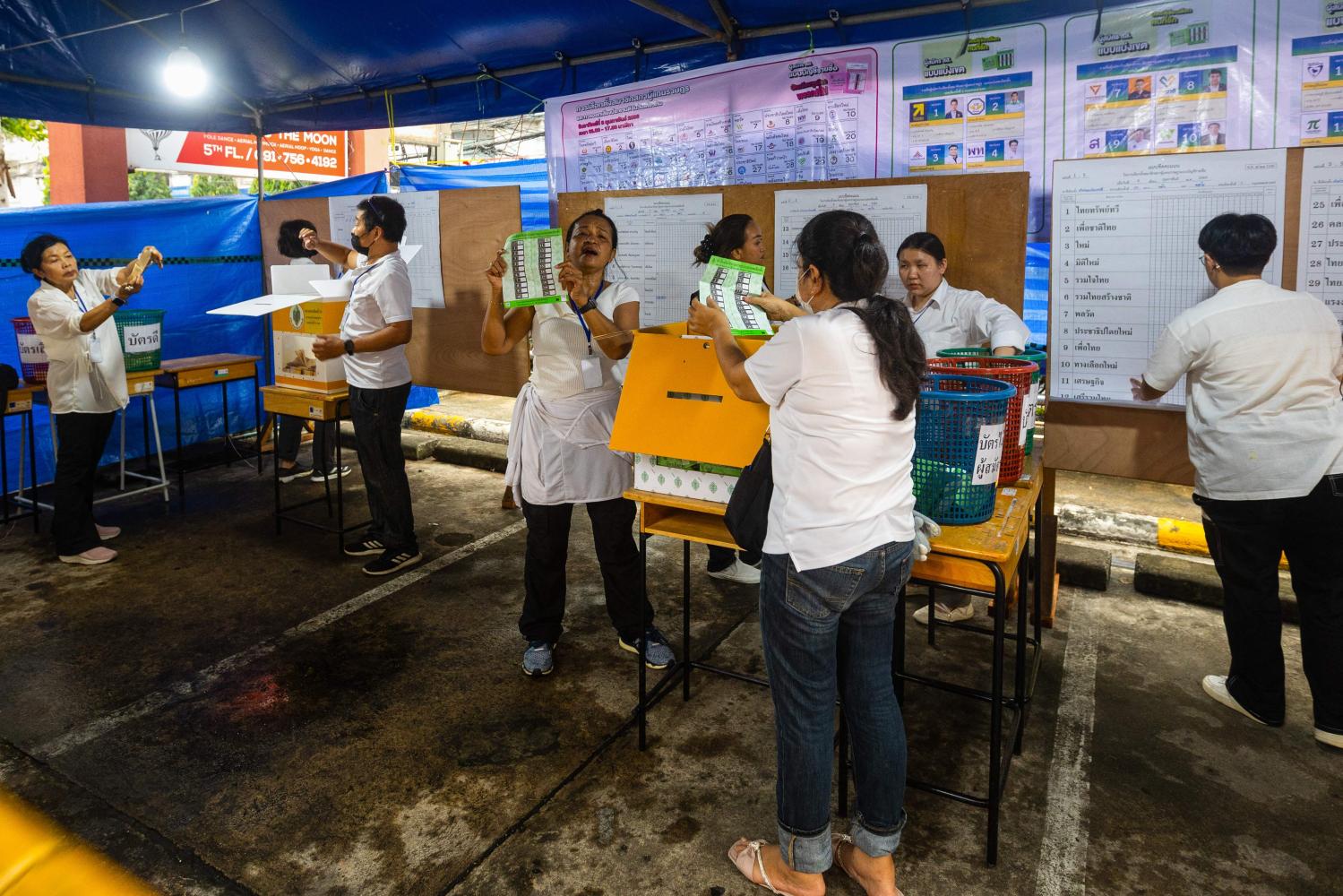
» By the time this opinion piece goes into print, the unofficial outcome of Sunday's election will already have been announced by the Election Commission. Which of the two front-running parties, Bhumjaithai and the People's Party, has emerged the winner and earned the right to form the new government will also be known.
Rethinking global health finance
Oped, Walter O Ochieng & Tom Achoki, Published on 06/02/2026
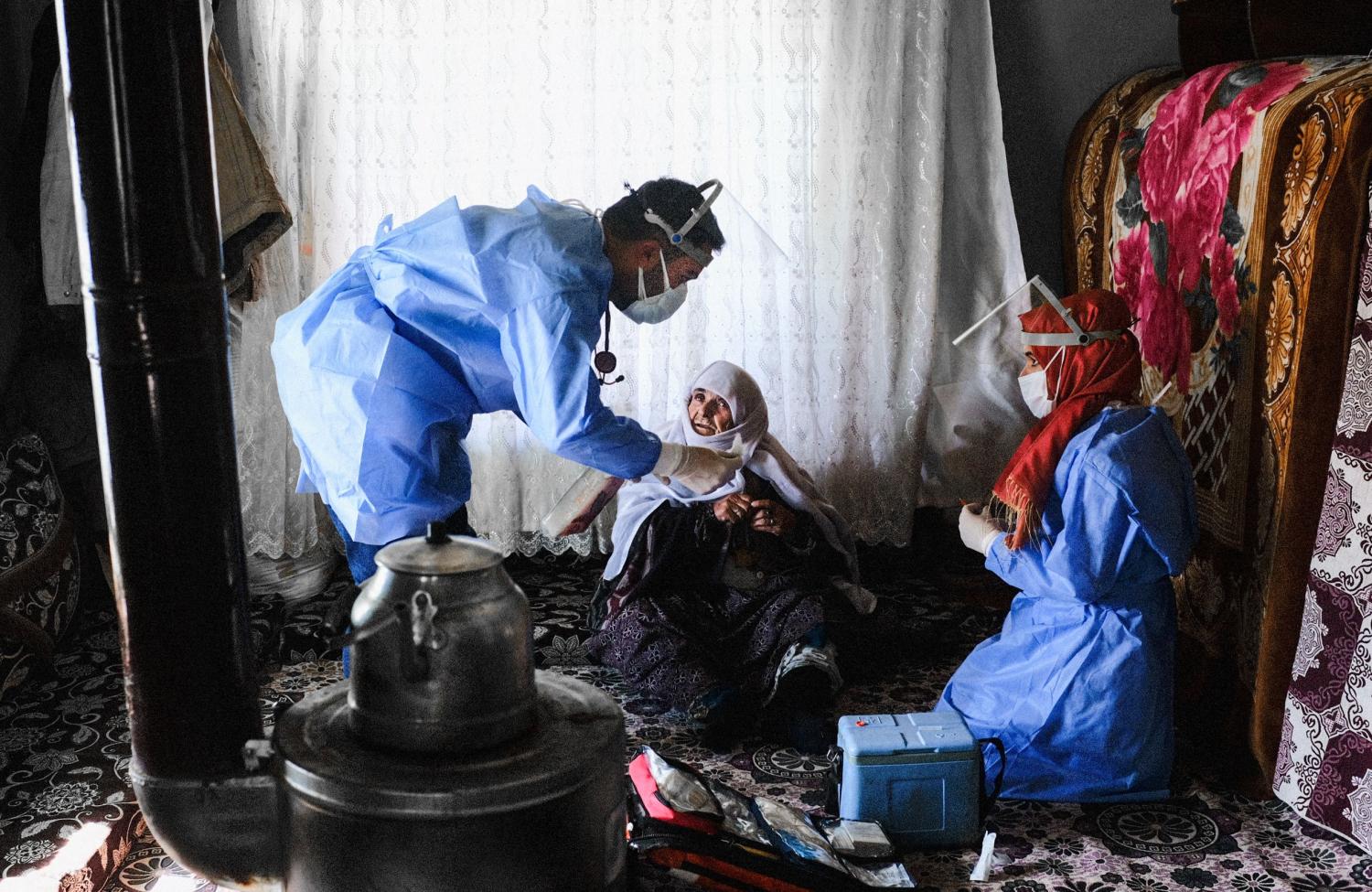
» For the past half-century, the economics of global health were straightforward. Under the so-called "grant-based" approach, rich countries donate to poor countries, which use the funds to meet their populations' health needs. Success was measured by services provided or lives saved, rather than by balance sheets. While this model was far from perfect, the latest approach replacing it -- focused on using tools like guarantees and blended finance to crowd in private capital -- threatens to produce even worse outcomes.