



Showing 1 - 10 of 89

Diversification key to surviving volatility
Oped, Sally Tyler, Published on 13/03/2026
» On the day I am writing this editorial, I was meant to be travelling to Bangkok for one of my periodic visits to a city I have grown to love. I am always keen to shave off a few hours from a long-haul flight, which means the shortest flight path from my home in Washington, DC, would take me through Abu Dhabi, but my flight was cancelled like thousands of others due to the ongoing conflict in the Mideast. My inconvenience is nothing compared to the destruction endured by those on the ground, but it illustrates the expanding global impact of the US/Israel/Iran War.
Preparing for AI-enabled bioweapons
Oped, Sania Nishtar, Published on 11/03/2026
» We don't know when the next epidemic or pandemic will hit, or where the next infectious threat will emerge. But we do know that the nature of the threat is constantly evolving. One of the most sobering takeaways from this year's Munich Security Conference was that AI-enabled gene editing has radically lowered the barrier to developing genetically engineered bioweapons. We must prepare to live with even deeper uncertainty about whether emerging infectious threats are natural or man-made, and whether they have been accidentally or deliberately released.
Flood resilience a national imperative
Oped, Srinivasa Popuri and Kotchakorn Voraakhom, Published on 18/12/2025
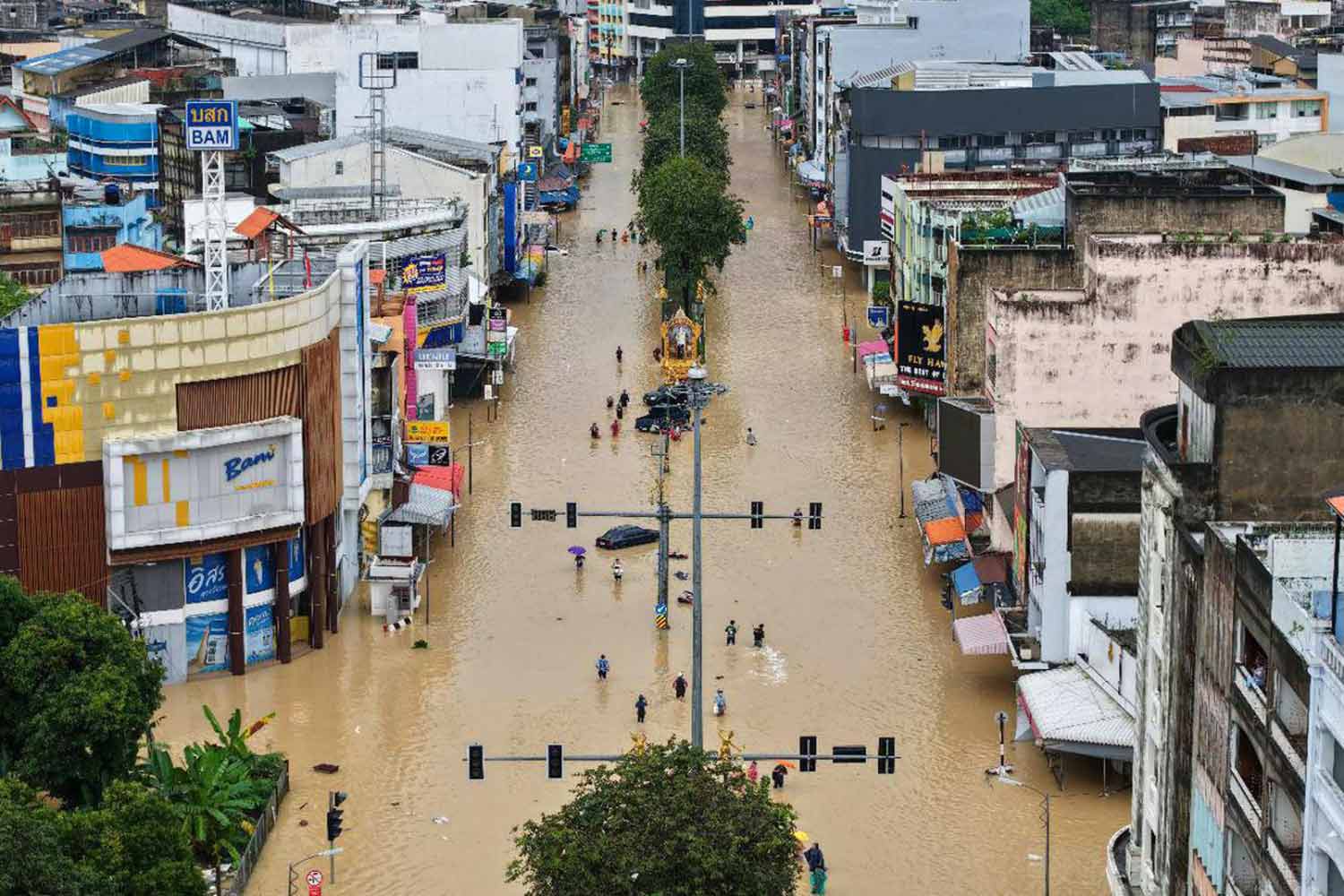
» The twin cyclones Senyar and Ditwah that struck South and Southeast Asia in November caused unprecedented flooding across the region, with Thailand among the most severely affected.
Climate disasters demand swift action
Oped, Genevieve Donnellon-May, Published on 10/12/2025
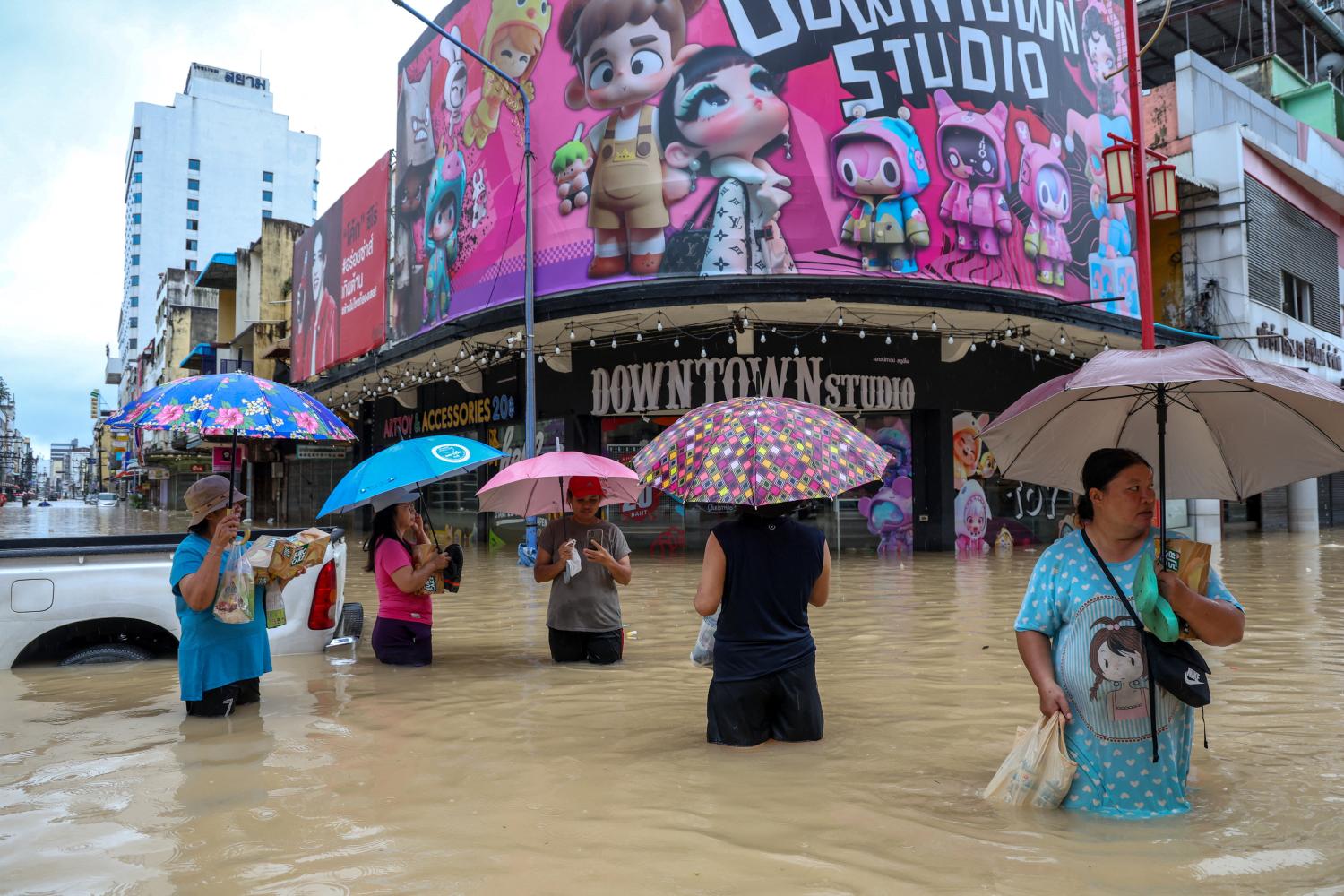
» Southeast Asia is in crisis. Less than a week after the United Nations Climate Change Conference (COP30) concluded in Brazil, the region is grappling with devastating floods and landslides, underscoring the urgent climate challenges that countries have repeatedly raised on the global stage.
Still not learning
Oped, Editorial, Published on 09/12/2025
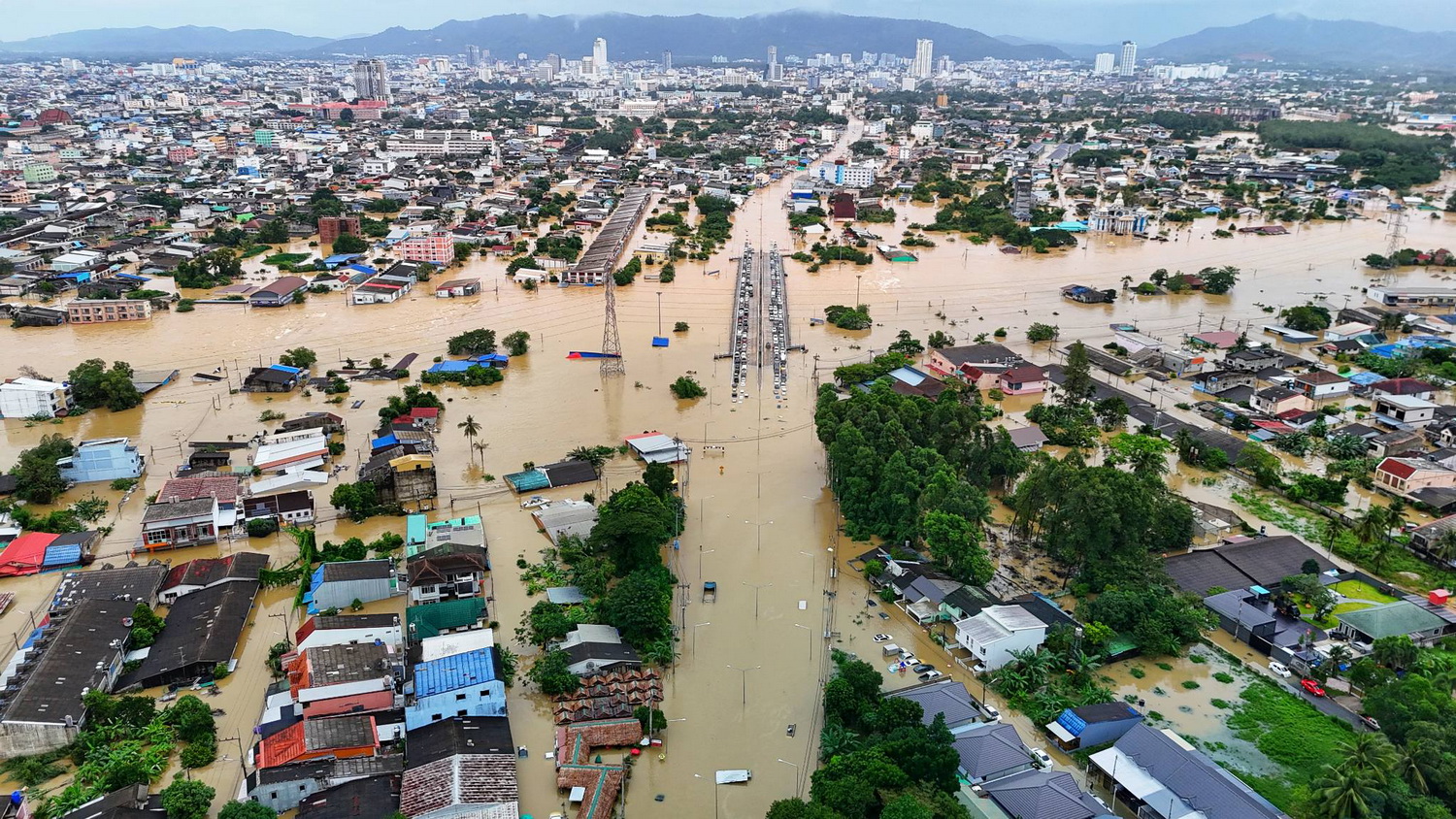
» The Anutin government recently launched a national committee to investigate mistakes made during Hat Yai flood management. The goal of the committee, chaired by Deputy Prime Minister Borwornsak Uwanno and flood experts, is to "draw lessons" from the Hat Yai flood disaster, with the hope that such lessons will improve future disaster preparedness.

AI as Asia's new growth engine?
Oped, Lee Jong-wha, Published on 27/11/2025
» Two decades after globalisation fuelled a global economic boom, growth has shifted onto a more subdued path, where it is likely to remain for the foreseeable future. Beyond the immediate shock of fragmenting trade and investment ties -- a result of rising geopolitical tensions, particularly between the United States and China -- lie structural headwinds, including population ageing, stagnant productivity, and the growing costs of inequality and natural disaster. These challenges strike at the heart of Asia's growth model.
Rising heat needs urgent response
Oped, Armida Salsiah Alisjahbana, Published on 24/11/2025
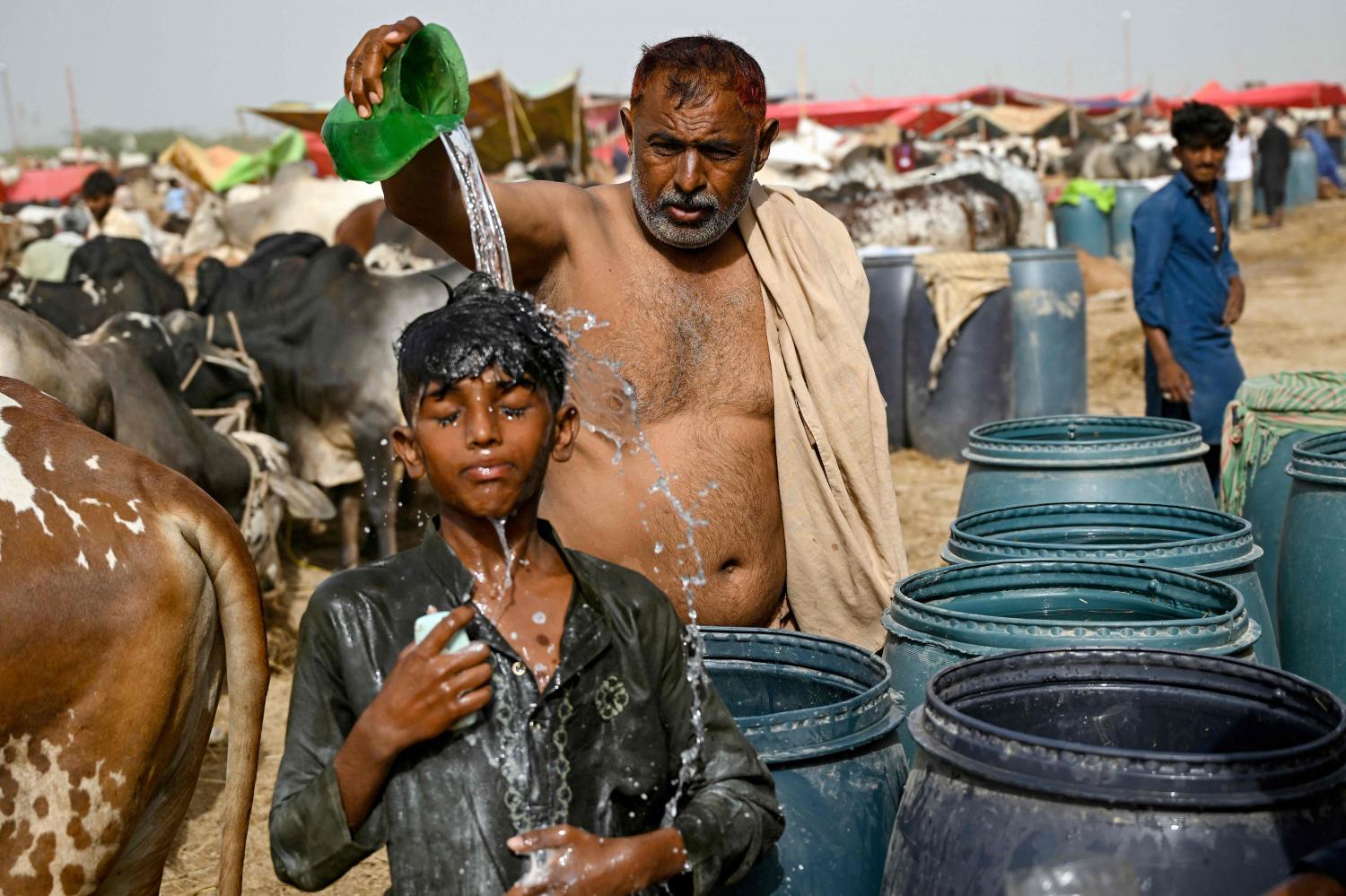
» 2024 was the hottest on record globally. In Asia and the Pacific, Bangladesh was the worst-hit country, with about 33 million people affected by lower crop yields that destabilised food systems, along with extensive school closures and many cases of heatstroke and related diseases. Children, the elderly and low-wage earners in poor and densely populated urban areas suffered the most, as they generally had less access to cooling systems or to water supplies and adequate healthcare. India, too, was badly affected, with around 700 heat-related deaths mostly in informal settlements.
Building an energy resilient bloc
Oped, Fajar Ikhsandy, Ignatius Primadi Limin, Mahila Shabira, Weilie Winaldy Sugianlie, Published on 11/11/2025
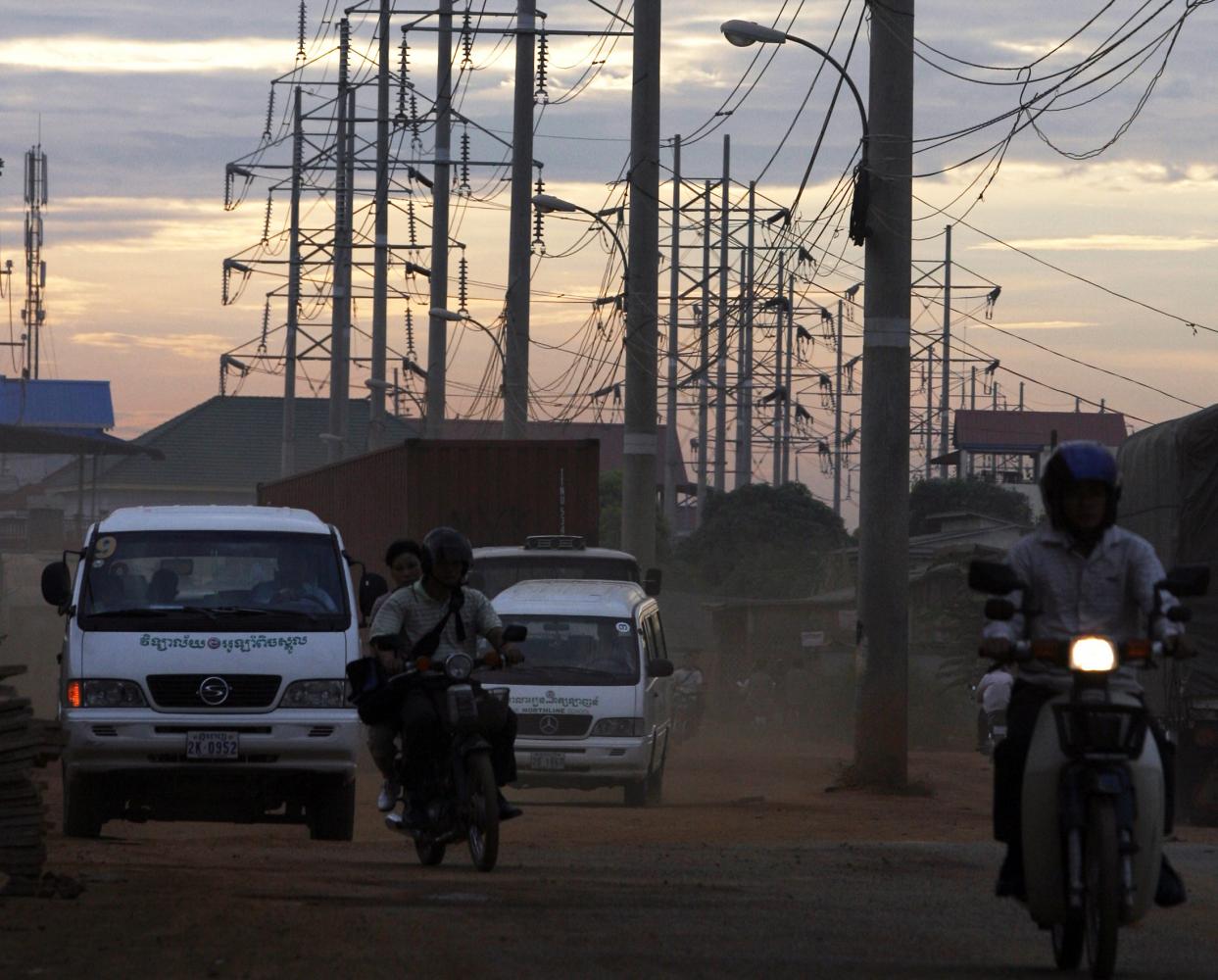
» According to our latest projection, electricity demand in Asean will reach around 173 million tonnes of oil equivalent (Mtoe), or about 2,000 terawatt-hour (TWh), in 2050 -- roughly 1.6 times higher than the 2023 level.
Floods 'a recurring nightmare'
Oped, George G van der Meulen & Chamniern Vorratnchaiphan, Published on 16/09/2025
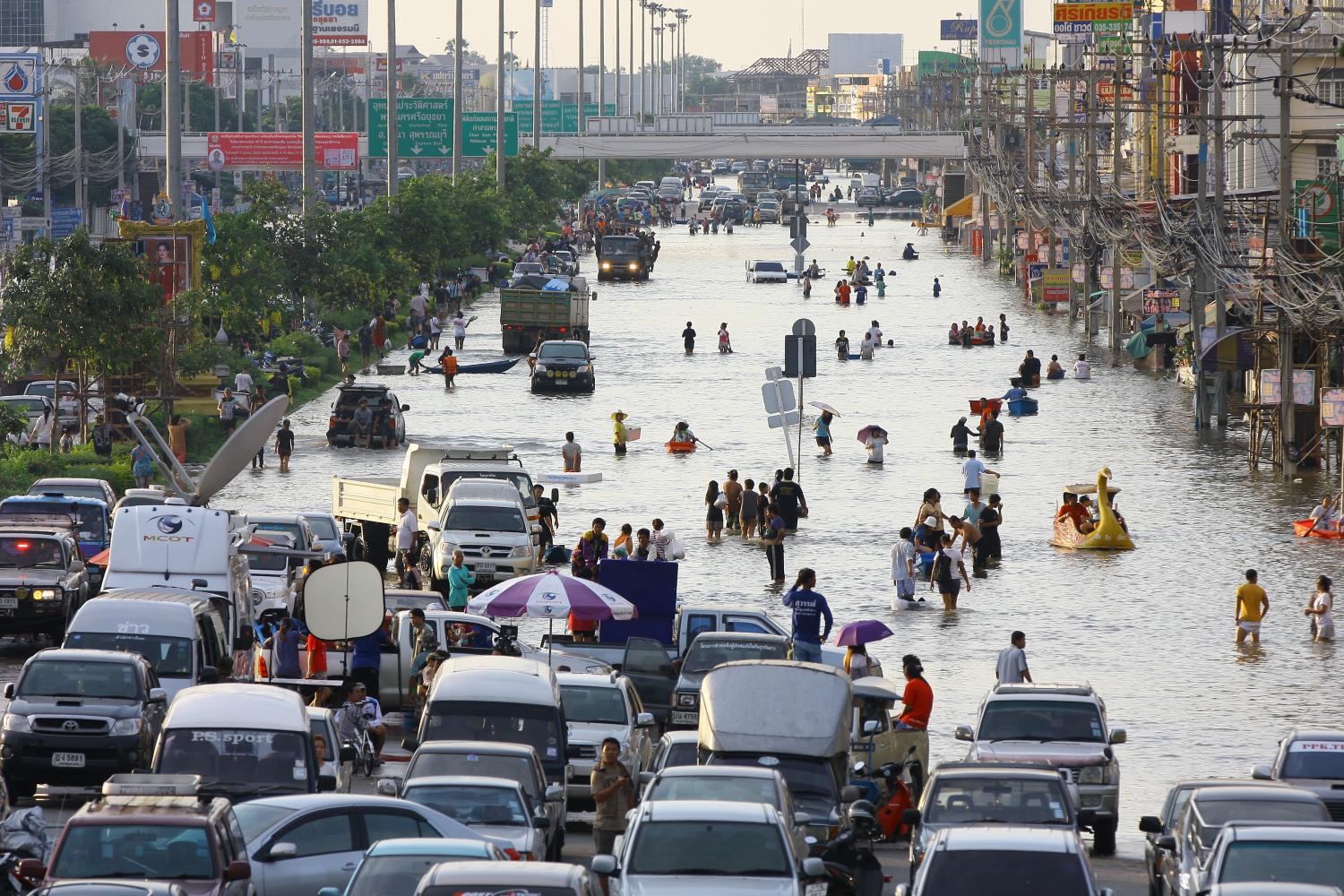
» Thailand has faced floods for more than a century. Some years are worse than others, but the pattern is consistent. The catastrophic 2011 floods remain the most painful reminder: according to the World Bank, they caused US$46.5 billion (1.5 trillion baht) in economic losses, displaced 13 million people, and claimed approximately 800 lives. Much of the country's industrial heartland was submerged for months, severely impacting global supply chains.
High rates hurt public healthcare
Oped, Serah Makka and Rosemary Mburu, Published on 14/07/2025
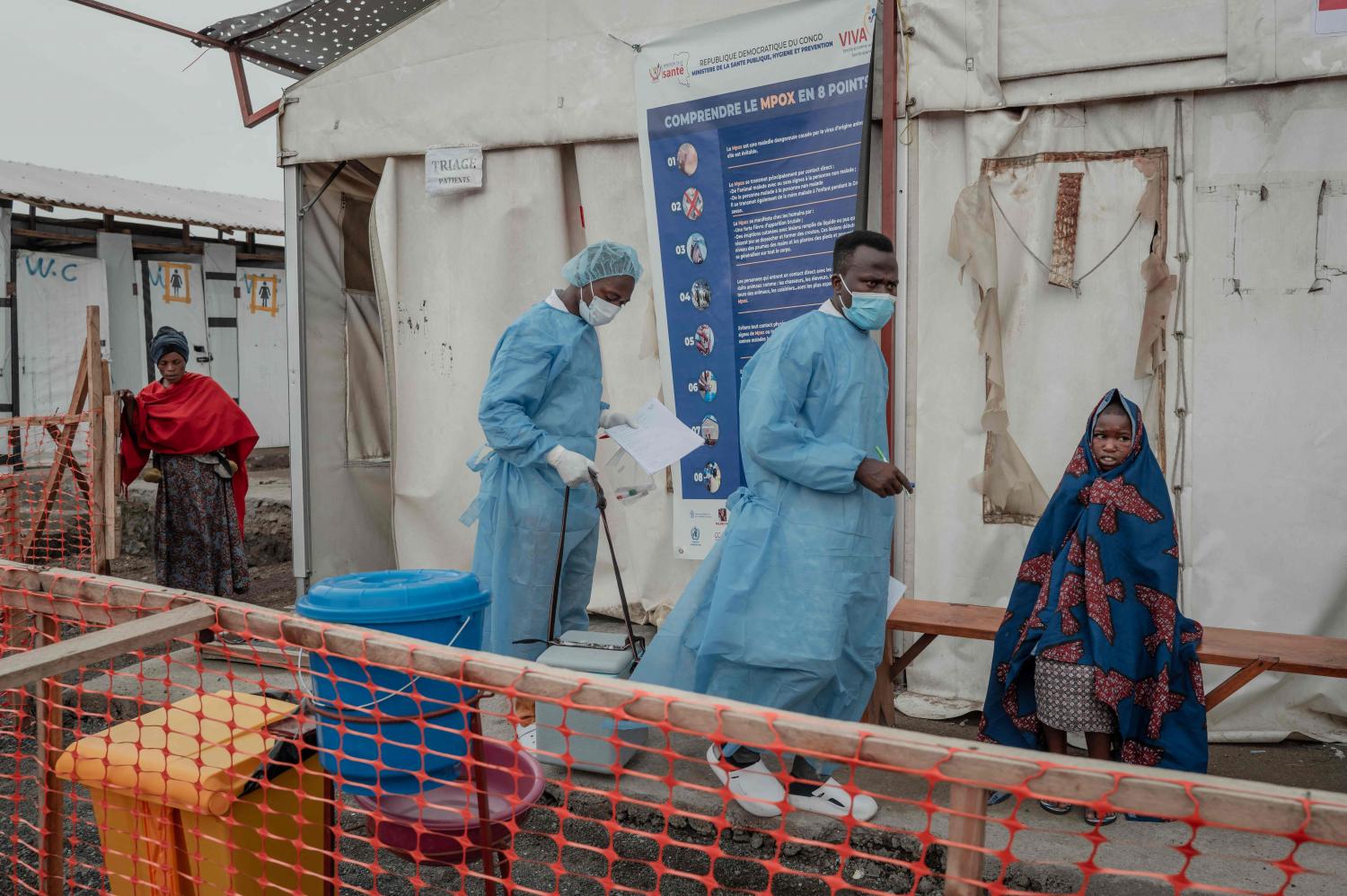
» May's 78th World Health Assembly (WHA) -- the annual meeting of the World Health Organization's member states -- ended on a self-congratulatory note. From an agreement on pandemic preparedness to increases in assessed contributions to the WHO, there were plenty of achievements to tout. But there was an elephant in the room, hiding behind a banner reading "One World for Health": the high borrowing costs faced by African countries.