



Showing 1 - 10 of 250

Loving the lizards
Oped, Postbag, Published on 18/03/2026
» Re: "It's not just the park's lizards", (BP, March 16) & "Monitor monitoring", (BP, April 26, 2025).

Phuket stands at a tourism crossroads
Oped, Ajaree Tavornmas, Published on 12/03/2026
» Phuket has long stood as one of Asia's most celebrated destinations. Framed by the Andaman Sea, its turquoise waters, rich cultural fabric and globally recognised hospitality have attracted millions of visitors for decades. Tourism accounts for approximately 95% of the province's economy, generating more than 500 billion baht annually from over 14 million Thai and international travellers. With around 1,500 registered hotels and more than 100,000 rooms, the island is undeniably a cornerstone of Thailand's tourism industry.
Minilateralism's necessary rise
Oped, Prabhat Upadhyaya & Saliem Fakir, Published on 23/02/2026
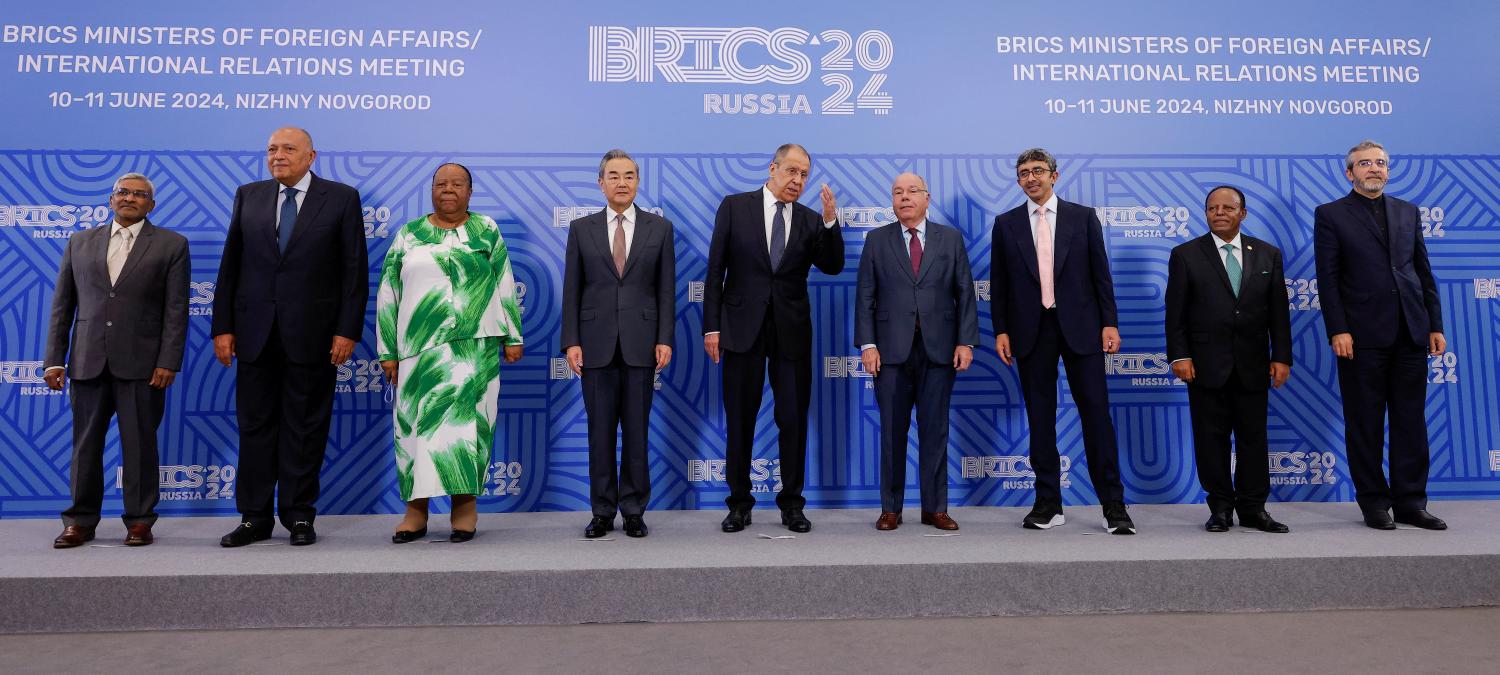
» If there was any doubt remaining about the return of great-power politics, it has been dispelled by US President Donald Trump's attack on Venezuela, threats to annex Greenland, and refusal to extend the New Start treaty limiting the nuclear arsenals of the United States and Russia. Such geopolitical upheavals are driven by "the will to power", as Adam Tooze has pointed out -- including "power over resources, purchasing power, the ability to resist the influence of others."

Thin buyer guide
Oped, Postbag, Published on 11/02/2026
» Re: "Choosing the right air purifier for Thailand's rising air pollution", (Life, Feb 8).
Rethinking global health finance
Oped, Walter O Ochieng & Tom Achoki, Published on 06/02/2026
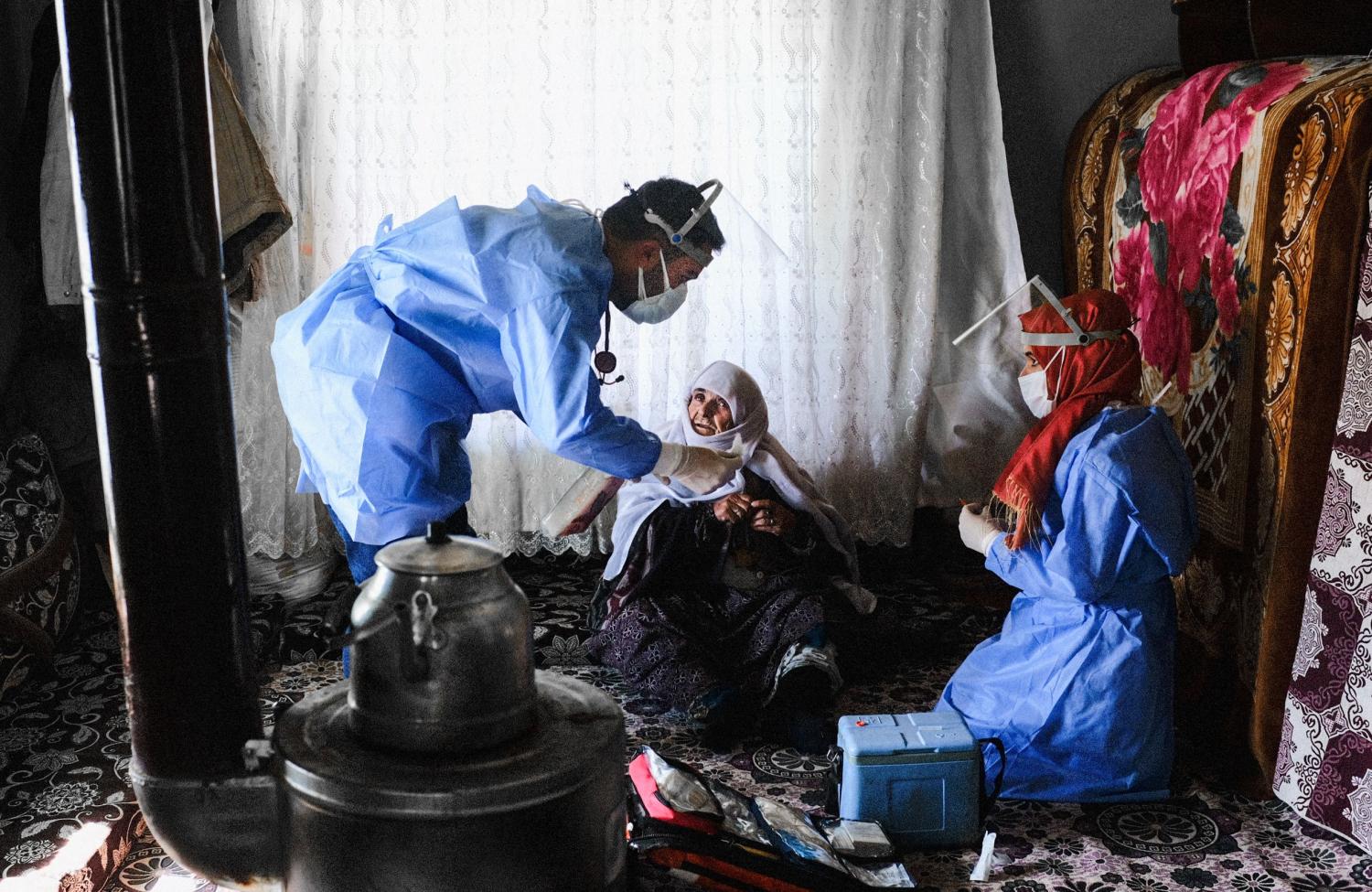
» For the past half-century, the economics of global health were straightforward. Under the so-called "grant-based" approach, rich countries donate to poor countries, which use the funds to meet their populations' health needs. Success was measured by services provided or lives saved, rather than by balance sheets. While this model was far from perfect, the latest approach replacing it -- focused on using tools like guarantees and blended finance to crowd in private capital -- threatens to produce even worse outcomes.
When infrastructure meets AI
Oped, Bertrand Badré & Saurabh Mishra, Published on 16/01/2026
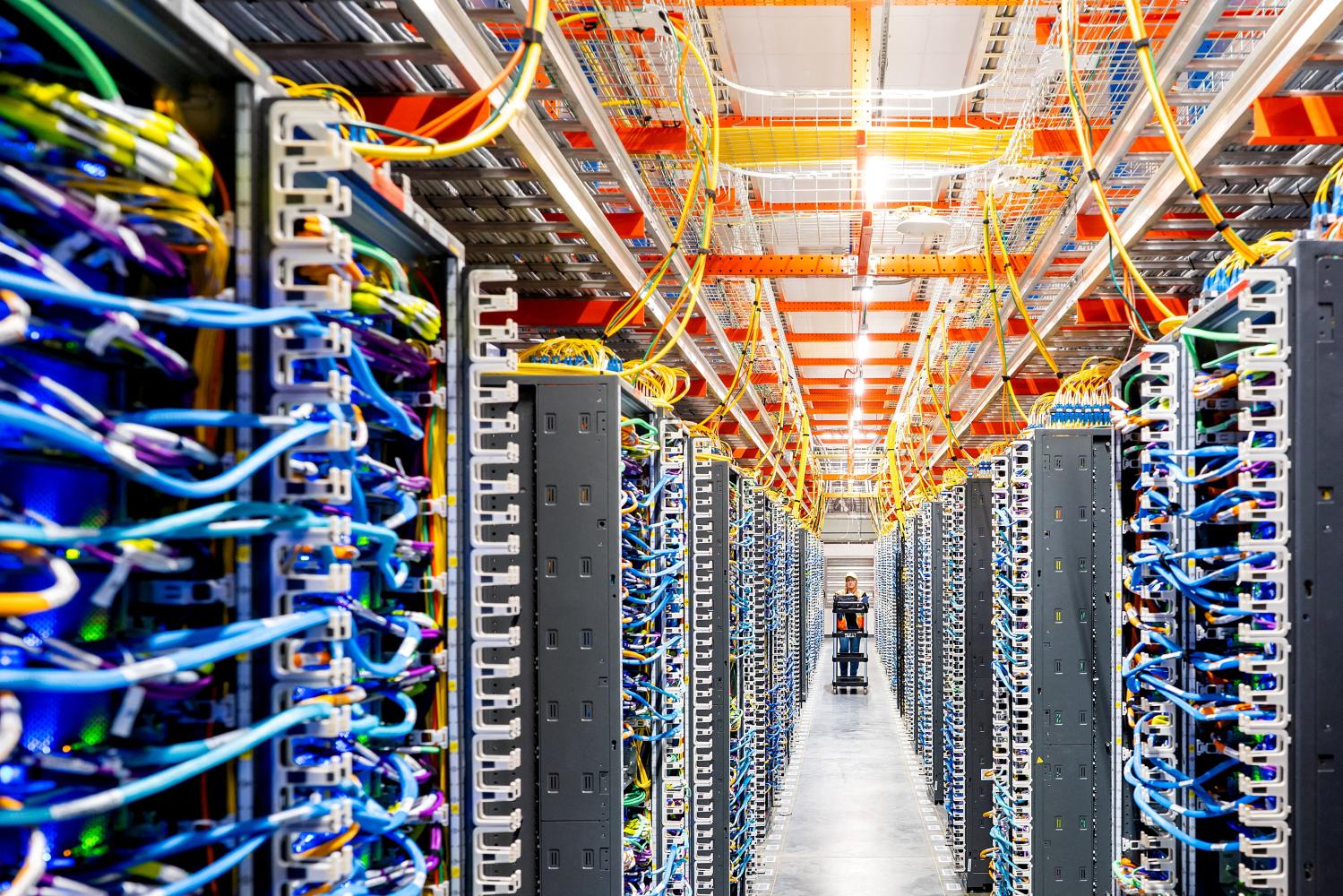
» Infrastructure investment is booming. Around the world, governments are pouring trillions of dollars into roads, power grids, data centres, water systems, and housing, with many responding to intensifying climate shocks and the growing need for adaptation. Yet the construction industry -- the single largest force physically reshaping the planet -- is among the last major sectors to unlock all the benefits that digital technology offers. As a result, it accounts for about 21% of greenhouse-gas emissions, produces half of global landfill waste, and overspends by US$1.6 trillion a year.
Artists resist repression in Thailand, US
Oped, Sally Tyler, Published on 08/12/2025
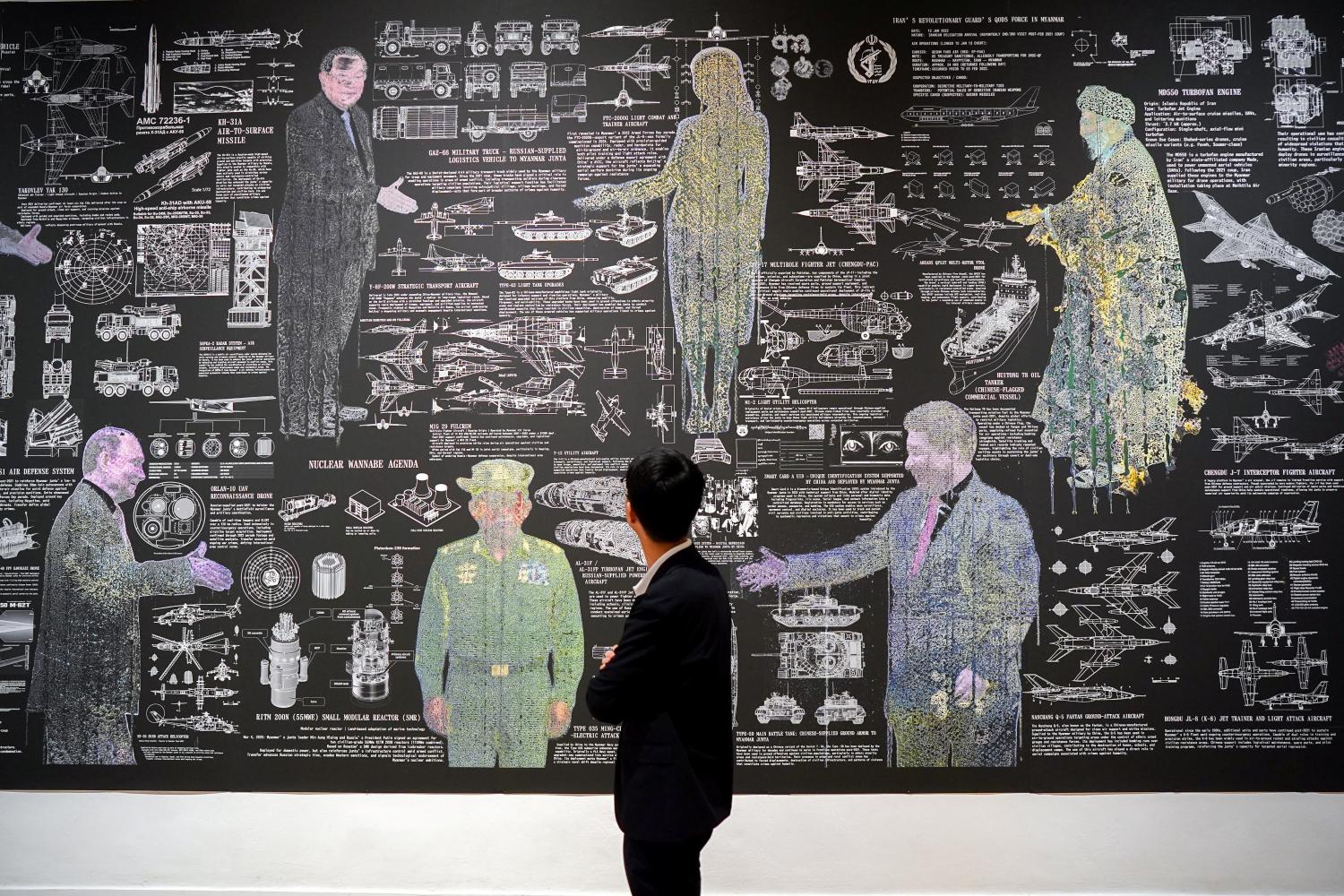
» In late August, two seemingly unrelated events occurred in Thailand and the US. The Bangkok Art and Culture Centre (BACC) altered a major exhibit it had recently opened and, a few weeks later, the comedian Jimmy Kimmel was temporarily taken off the air by the ABC television network. These events are linked as forms of artistic repression and perhaps more concerning, as examples of the growing use of intermediary censorship by authoritarian regimes.

Gates' 'truth' about climate change
Oped, Peter Singer, Published on 14/11/2025
» Ahead of this year's United Nations Climate Change Conference (COP30), now underway in Belém, Brazil, Bill Gates, who chairs and funds the foundation that bears his name, released an essay entitled "Three tough truths about climate". The first of these truths is: "Climate change is a serious problem, but it will not be the end of civilisation."
COP30 must be more focused on human welfare
Oped, Bjorn Lomborg, Published on 13/11/2025
» With the United Nations climate summit, COP30, now in full swing in the humid jungle city of Belém, Brazil, Microsoft co-founder and philanthropist Bill Gates has cut through the noise with a blunt truth: these UN climate gatherings must zero in on lifting human lives, rather than fixating solely on slashing emissions or dialling down global temperatures. It's a perspective that's long overdue yet seems so obvious.

Adam Smith and the moral economy we have lost
Oped, Antara Haldar, Published on 12/11/2025
» With the 250th anniversary of The Wealth of Nations approaching next year, the world is gearing up to honour Adam Smith. But which Smith should be recognised? The hard-nosed "founding father" of modern economics, or the philosopher who wrote The Theory of Moral Sentiments? Scholars have wrestled with this question, a riddle known as "Das Adam Smith Problem", for centuries, because it concerns not just dualities within Smith's thought, but also our own uneasy relationship with morality and markets.