



Showing 1 - 10 of 171
Carney's speech signals end of Western illusions
Oped, Antara Haldar, Published on 27/02/2026
» When the late playwright Tom Stoppard's Rock 'n' Roll first opened 20 years ago, it was deeply personal for me as a student at Cambridge studying film in Prague. A meditation on the clash between communism and capitalism in Czechoslovakia (now the Czech Republic and Slovakia), it dwelt on the confrontation between high theory and lived reality in a way that moved me profoundly. Two decades later, Canadian Prime Minister Mark Carney's recent speech in Davos felt like the sequel.
Humanity's alignment problem
News, Antara Haldar, Published on 06/01/2026
» It's lunchtime on top of the world again. Time's annual "Person of the Year" issue released two weeks ago has revived the iconic Depression-era photograph of steelworkers casually lunching on a beam suspended over Manhattan. With the city rising beneath them, the image portrays risk as normalised, even glamourised.
Adam Smith and the moral economy we have lost
Oped, Antara Haldar, Published on 12/11/2025
» With the 250th anniversary of The Wealth of Nations approaching next year, the world is gearing up to honour Adam Smith. But which Smith should be recognised? The hard-nosed "founding father" of modern economics, or the philosopher who wrote The Theory of Moral Sentiments? Scholars have wrestled with this question, a riddle known as "Das Adam Smith Problem", for centuries, because it concerns not just dualities within Smith's thought, but also our own uneasy relationship with morality and markets.
When societies rise, fall, and face catastrophe
News, Antara Haldar, Published on 11/10/2025
» When the United Nations emerged from the rubble of two world wars 80 years ago, it represented humanity's most ambitious attempt ever to turn catastrophe into cooperation. But while the scarred world of 1945 had hope following the Allied victory, that optimism has since curdled. The UN today is underfunded, risk-averse, and paralysed.

The postwar era's first democratic authoritarian
Oped, Antara Haldar, Published on 08/09/2025
» The 78th anniversary of India's independence last month offers an opportunity to recall one of the most insidious moments in the country's post-independence history: prime minister Indira Gandhi's 1975 decision to declare an emergency and suspend civil liberties. A new book by political scientist Srinath Raghavan, Indira Gandhi and the Years That Transformed India, not only revisits that fateful move, but also traces its lasting impact half a century later.
Tiny Vanuatu steps up to protect the climate
Oped, Antara Haldar, Published on 28/08/2025
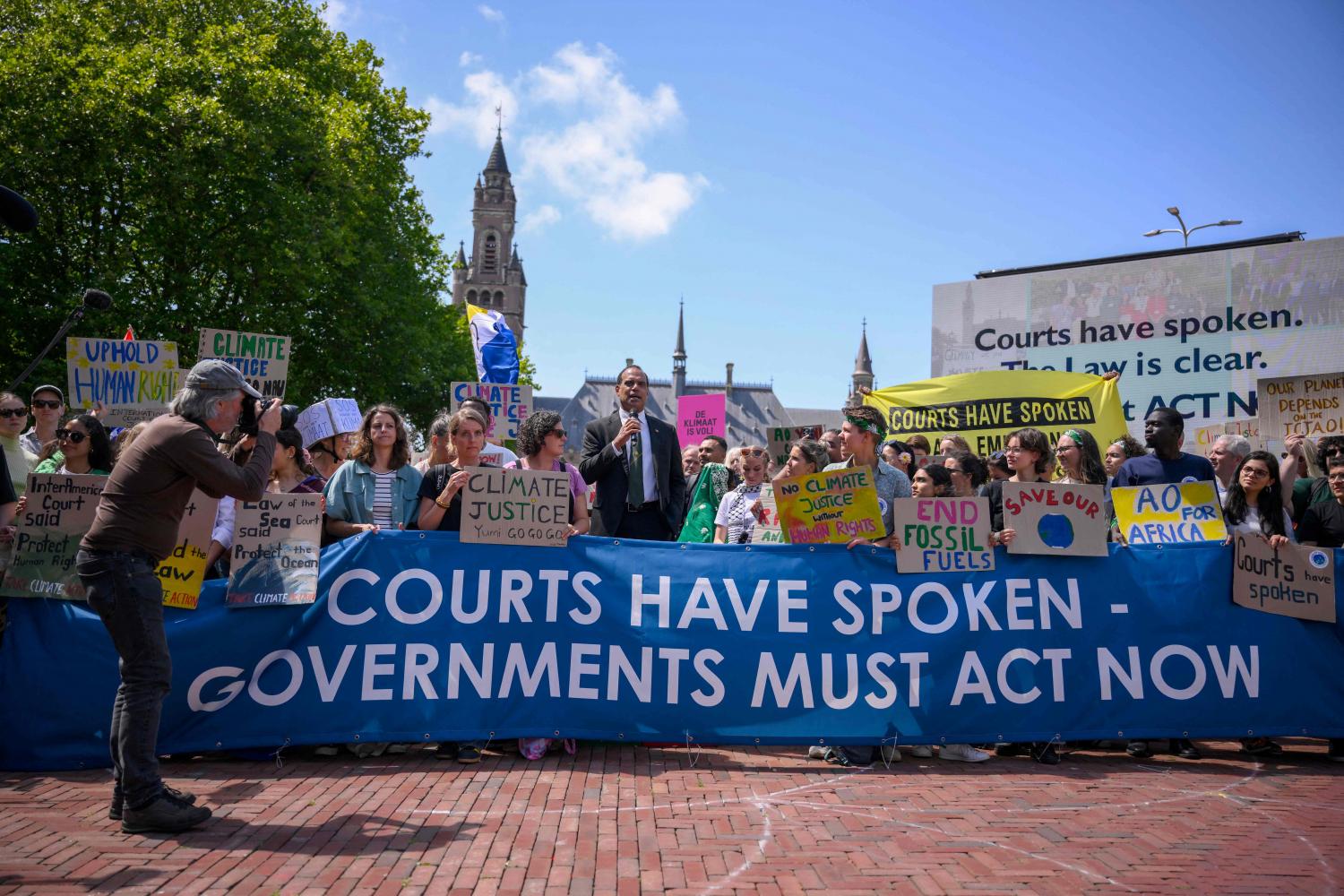
» Although the International Court of Justice (ICJ) turned 80 this year, there is a sense in which it has never felt younger. In a David-versus-Goliath moment, the tiny Pacific Island state of Vanuatu recently changed international law forever by bringing the world's most important issue before its highest court. The result is an ICJ advisory opinion on "the legal obligations of states in respect of climate change", as requested -- at Vanuatu's urging -- by the UN General Assembly (with 132 states co-sponsoring the resolution).
The scramble for the world's critical minerals
Oped, Rabah Arezki & Rick van der Ploeg, Published on 07/08/2025
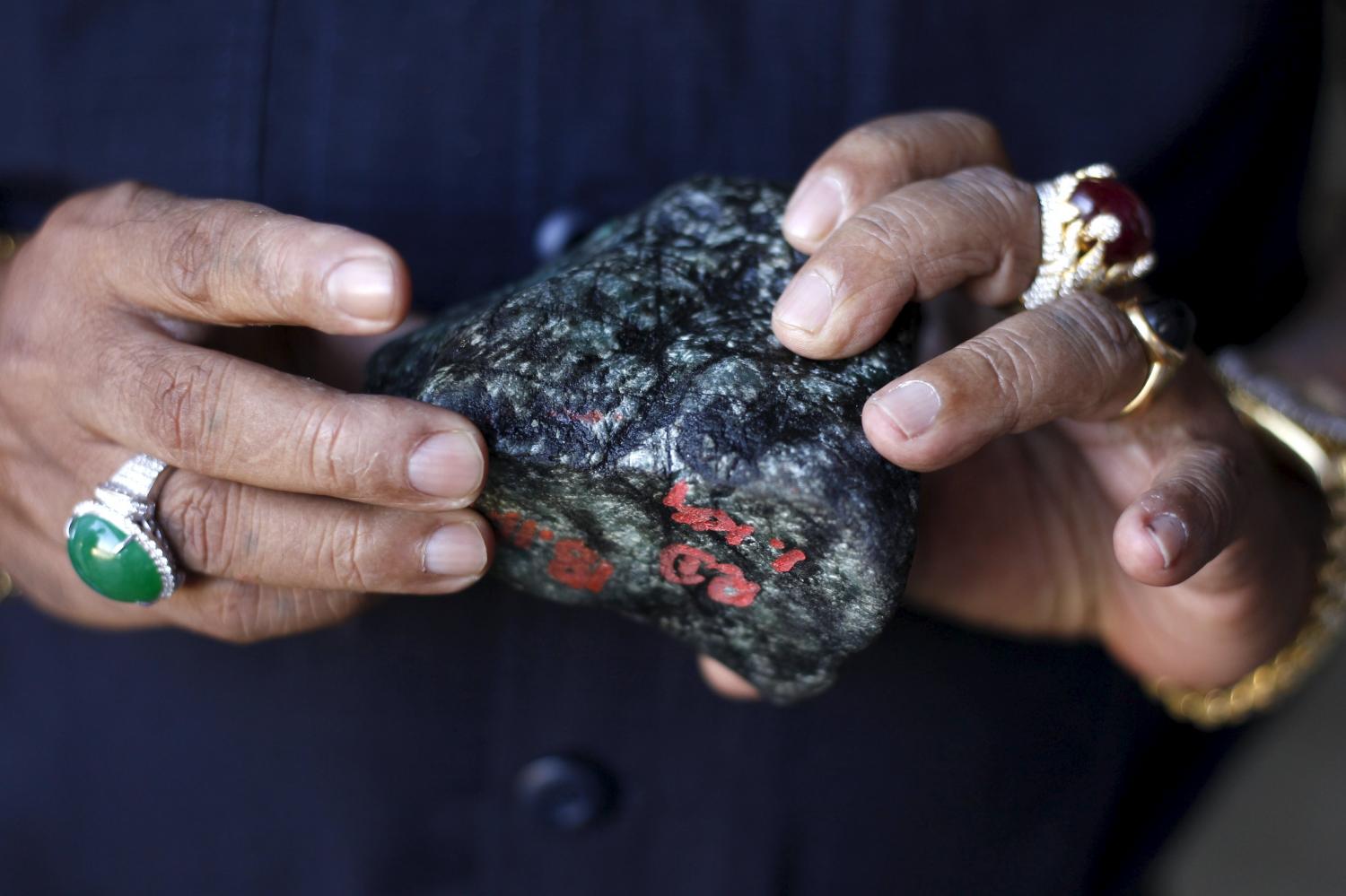
» The world's superpowers have developed a seemingly insatiable appetite for the critical minerals that are essential to the ongoing energy and digital transitions, including rare-earth metals (for semiconductors), cobalt (for batteries), and uranium (for nuclear reactors). The International Energy Agency forecasts that demand for these minerals will more than quadruple by 2040 for use in clean-energy technologies alone. But, in their race to control these vital resources, China, Europe, and the United States risk causing serious harm to the countries that possess them.

Put America first
Oped, Postbag, Published on 05/08/2025
» Re: "Trump hurting global trade in ideas", (Opinion, Aug 4).
Trump hurting global trade in ideas
Oped, Sally Tyler, Published on 04/08/2025
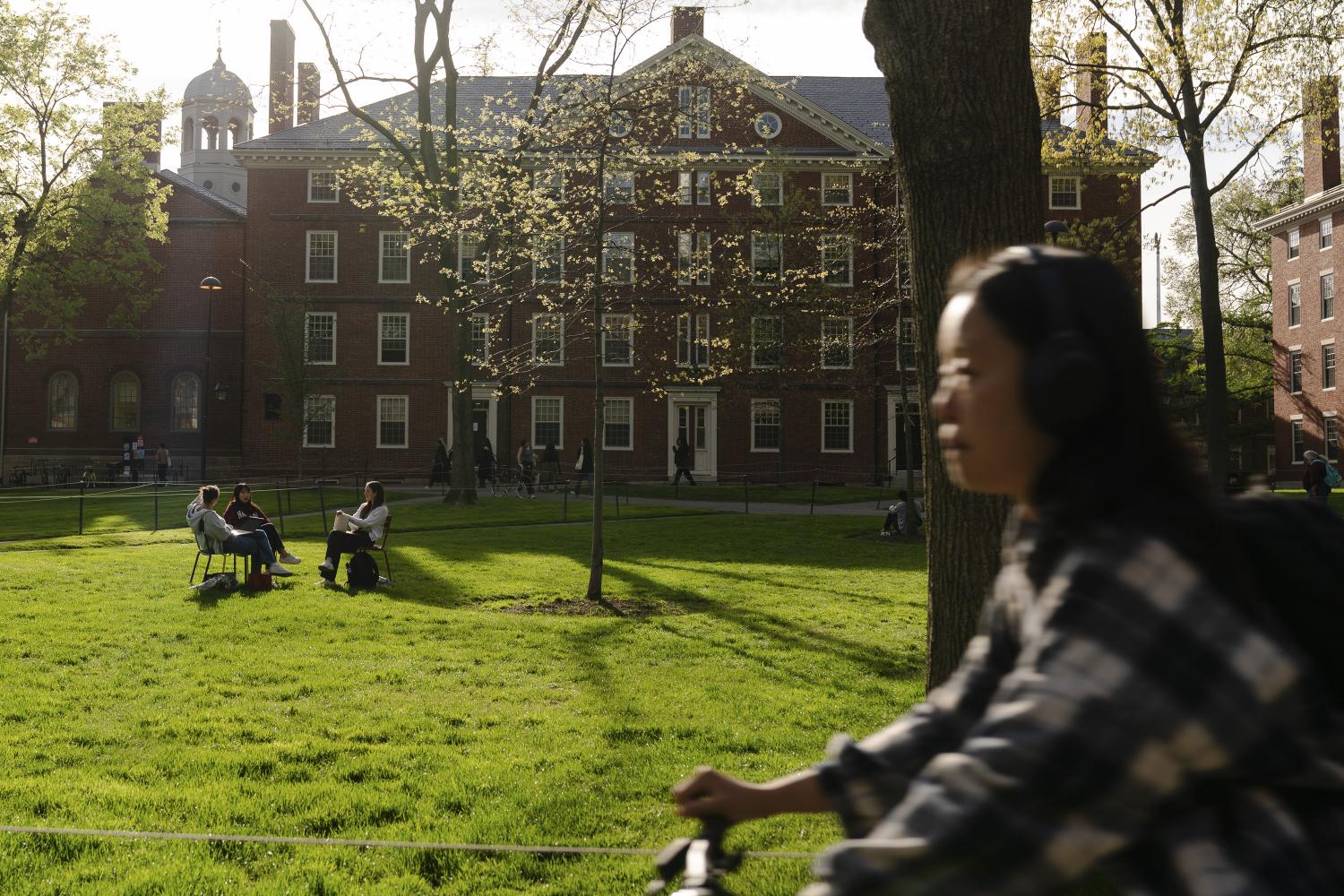
» Much attention has been focused on Thailand's scramble to achieve a bilateral trade agreement with the United States to avoid a 36% tariff on all exported goods. Yet a different restrictive trade policy has received comparatively less scrutiny -- the Trump administration's clampdown on American universities, including a possible ban on the enrolment of international students.
China believes it is winning Trump's trade war
Oped, Zongyuan Zoe Liu, Published on 17/07/2025
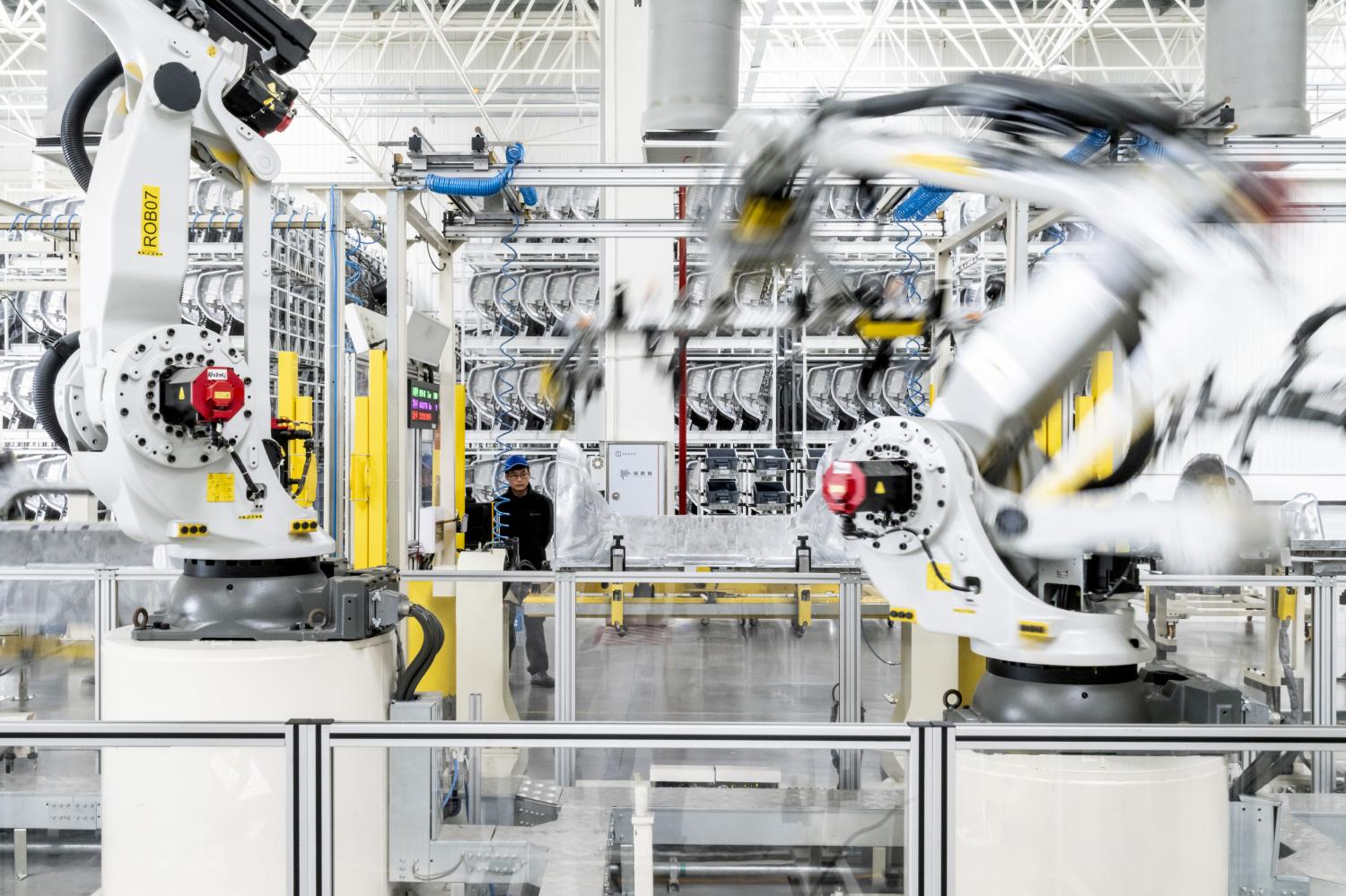
» The most recent trade talks between the United States and China in Geneva and London provided little more than temporary relief in the conflict between the world's two largest economies. Despite US President Donald Trump's efforts to tout the stopgap measures as a "deal" that benefits America, China reads the scoreboard differently -- and believes it is winning. From its vantage point, it has weathered the storm and emerged more confident, more self-reliant, and more convinced that its long game is paying off.