



Showing 1 - 10 of 109

Ground game
Oped, Postbag, Published on 12/02/2026
» Re: "BJT win bodes well for conservatives", (BP, Feb 11). Given the tallies of the nationwide party list vote, I don't understand the justification for the following assertions: "BJT's landslide victory reflects a surge of nationalist sentiment" (5.9M votes); the PP suffered from "lingering voter scepticism" and "eroded public confidence" (9.8M votes).
Rethinking global health finance
Oped, Walter O Ochieng & Tom Achoki, Published on 06/02/2026
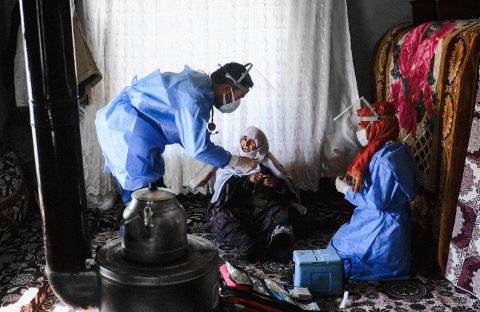
» For the past half-century, the economics of global health were straightforward. Under the so-called "grant-based" approach, rich countries donate to poor countries, which use the funds to meet their populations' health needs. Success was measured by services provided or lives saved, rather than by balance sheets. While this model was far from perfect, the latest approach replacing it -- focused on using tools like guarantees and blended finance to crowd in private capital -- threatens to produce even worse outcomes.

Adam Smith and the moral economy we have lost
Oped, Antara Haldar, Published on 12/11/2025
» With the 250th anniversary of The Wealth of Nations approaching next year, the world is gearing up to honour Adam Smith. But which Smith should be recognised? The hard-nosed "founding father" of modern economics, or the philosopher who wrote The Theory of Moral Sentiments? Scholars have wrestled with this question, a riddle known as "Das Adam Smith Problem", for centuries, because it concerns not just dualities within Smith's thought, but also our own uneasy relationship with morality and markets.

Rethinking identity from the start
Oped, Watcharin Ariyaprakai, Published on 29/10/2025
» Thailand has made history by recognising same-sex marriage, affirming the right of adults to love and marry freely. This will rightly be celebrated as a triumph for equality and human dignity. Yet, in the same society, another group remains voiceless: newborns born with Disorders of Sex Development (DSD).

Amnesty hopes rise
Oped, Editorial, Published on 09/10/2025
» The House of Representatives made good progress in pushing for the long-awaited amnesty bill this month. The bill, which is now known as the "peace-building legislation", was submitted early this month to the Lower House.

The postwar era's first democratic authoritarian
Oped, Antara Haldar, Published on 08/09/2025
» The 78th anniversary of India's independence last month offers an opportunity to recall one of the most insidious moments in the country's post-independence history: prime minister Indira Gandhi's 1975 decision to declare an emergency and suspend civil liberties. A new book by political scientist Srinath Raghavan, Indira Gandhi and the Years That Transformed India, not only revisits that fateful move, but also traces its lasting impact half a century later.
Tiny Vanuatu steps up to protect the climate
Oped, Antara Haldar, Published on 28/08/2025
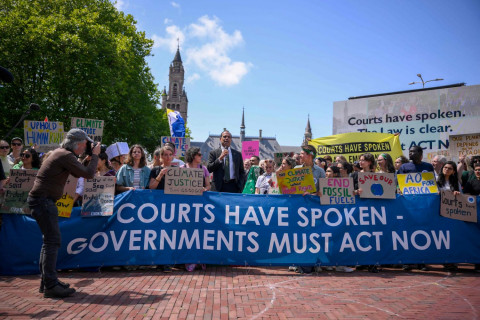
» Although the International Court of Justice (ICJ) turned 80 this year, there is a sense in which it has never felt younger. In a David-versus-Goliath moment, the tiny Pacific Island state of Vanuatu recently changed international law forever by bringing the world's most important issue before its highest court. The result is an ICJ advisory opinion on "the legal obligations of states in respect of climate change", as requested -- at Vanuatu's urging -- by the UN General Assembly (with 132 states co-sponsoring the resolution).

Breaking barriers for Thai innovations
Oped, Saowaruj Rattanakhamfu and Pichakorn Khowasinth, Published on 27/08/2025
» Thailand is abundant with talent in medical technology. Why aren't our homegrown innovations reaching patients? The answer is simple: a broken system.
Overcoming obstacles to reform
Oped, Nilima Gulrajani and John Hendra, Published on 11/08/2025
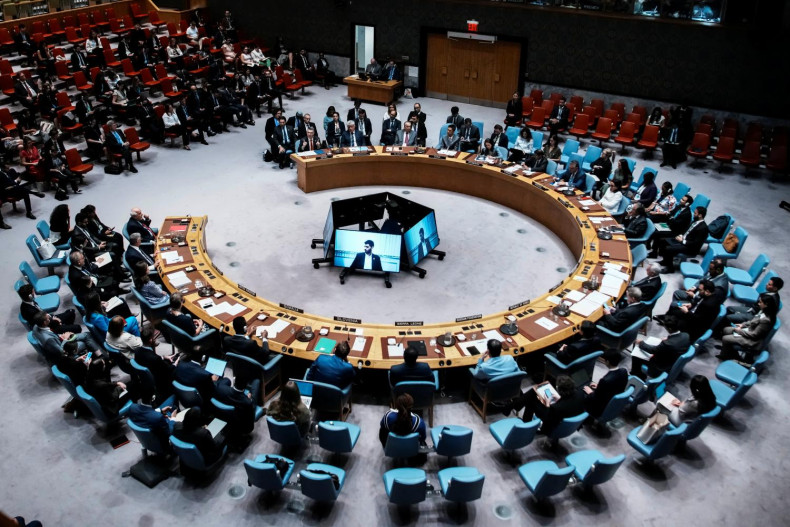
» At the 80th United Nations General Assembly this September, participants will have to confront the escalating development finance crisis that is engulfing the UN system. So far, responses to financial pressures have focused on cutting costs, such as by reducing overhead and improving efficiency. But a lasting solution will require deeper changes, which begins with a fundamental question: What kind of UN does the world need today, and are current funding models fit for purpose?
Trump hurting global trade in ideas
Oped, Sally Tyler, Published on 04/08/2025
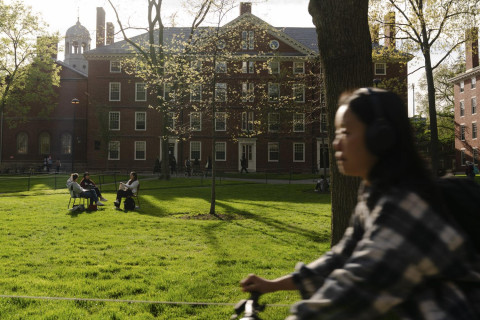
» Much attention has been focused on Thailand's scramble to achieve a bilateral trade agreement with the United States to avoid a 36% tariff on all exported goods. Yet a different restrictive trade policy has received comparatively less scrutiny -- the Trump administration's clampdown on American universities, including a possible ban on the enrolment of international students.