



Showing 1 - 5 of 5
2026 outlook calls for recalibration
News, Mohamed A El-Erian, Published on 17/01/2026
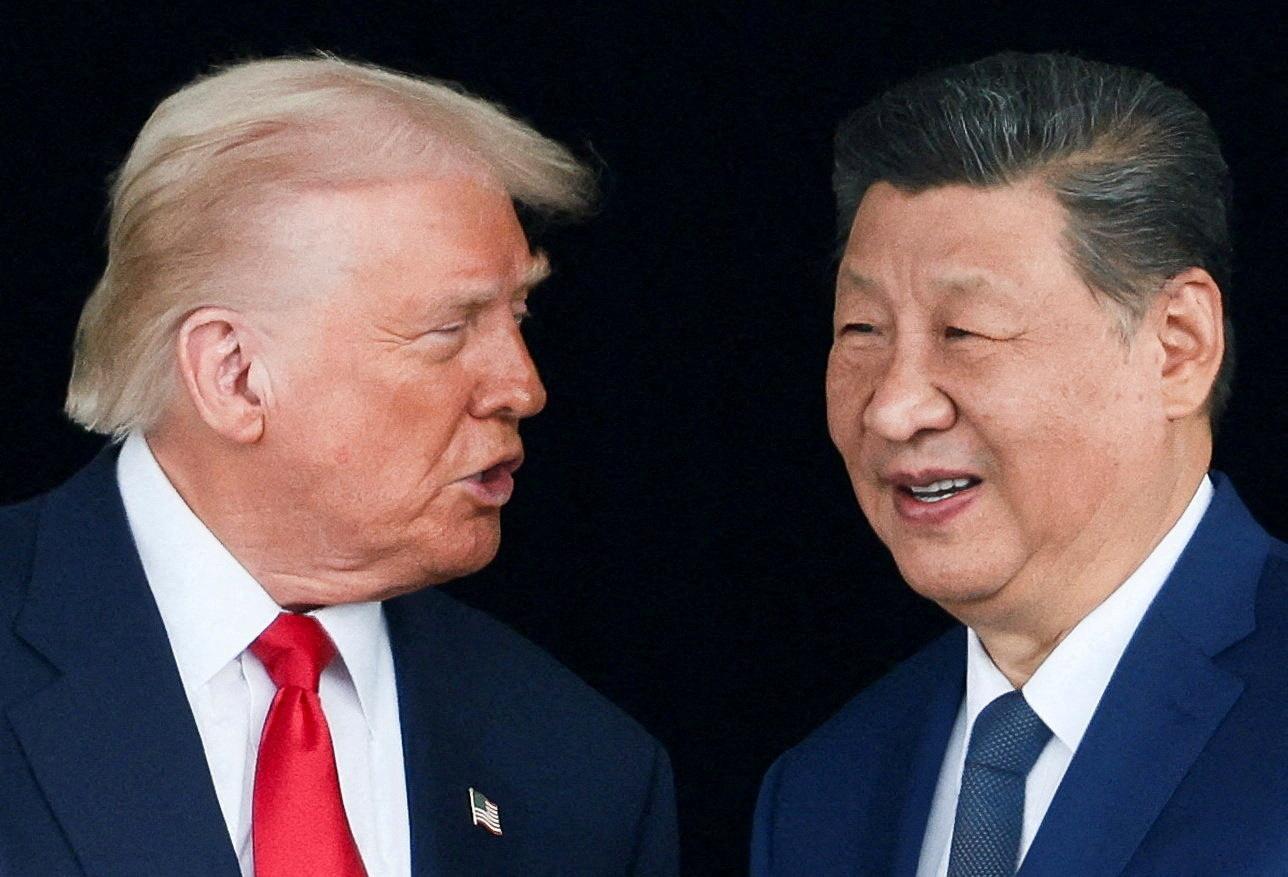
» For global markets, 2025 was defined as much by what did not happen as by what did. The year offered a masterclass in the power of a single narrative, with massive, concentrated bets on AI masking various other unanswered questions. Yet as we move further into 2026, the AI narrative is unlikely to prove strong enough to continue overshadowing other lingering uncertainties, many of which reflect deeper structural shifts. For investors, central banks, and governments alike, the situation demands adaptation.

Shape of new climate politics emerges
News, Sam Geall, Published on 07/06/2025
» Only a few months ago, a headline like "United States sets tariffs of up to 3,521% on solar panels from Southeast Asia" could have been dismissed as satire. Today, it's nothing special, one of many published amid an uninterrupted fusillade accompanying Donald Trump's first 100 days in power. Yet it's also part of something bigger, as axes of economic power shift, technological changes surge, and popular sentiments reconfigure and metastasise. Amid that fracturing world order, how should we consider the climate crisis?

Seeing Asean straight as Thailand chairs
News, Thitinan Pongsudhirak, Published on 21/06/2019
» When Asean organises big meetings, the tendency for the host is to talk up a brouhaha. So it goes with the 34th Asean summit under Thailand's rotating chairmanship this year. By year's end, several hundred Asean-related meetings will have taken place, highlighted by the final annual summitry in October-November that will include top leaders from China, India, Japan, Russia, the United States, among others.
Asean in 2040: Bolder and stronger?
News, Kavi Chongkittavorn, Published on 07/05/2019
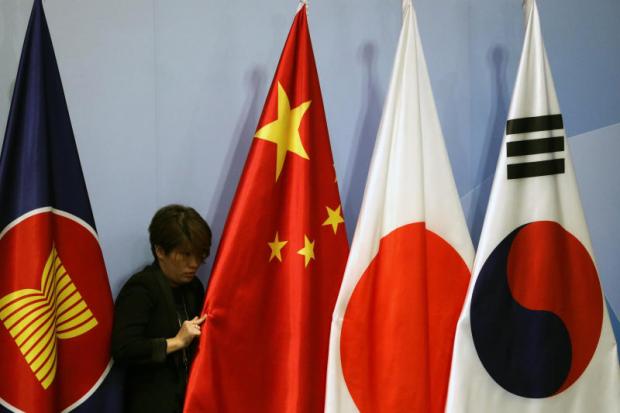
» When Asean was set up in August 1967, the founding fathers did not bother to make sure their newly formed organisation would survive for 52 years, as it already has. All they wanted to do at the time was to make sure they got together, looked each other in the eye and pledged to meet again next time. They had to increase their level of comfort with one another as they were trying to avoid future conflicts and looking for more cooperation. No war, make progress. That was a sufficient vision then.

Malaysia's poll ramifications for Thailand
News, Thitinan Pongsudhirak, Published on 11/05/2018
» It was a vicarious happenstance. When the annual flagship event of Asean's consortium of think-tanks known as the Asia-Pacific Roundtable was scheduled in Kuala Lumpur for May 7-9, not a weekend but the first half of a working week, no one thought it would run into Malaysia's 14th General Election (GE14). But it did, as Prime Minister Najib Razak chose a Wednesday instead of a typical weekend, to stage Malaysia's momentous polls. But the tricky timing failed to help his cause. He lost in a big way that bears far-reaching ramifications for the fate of democracy and authoritarianism in the region and beyond, not least here in Thailand.