



Showing 1 - 10 of 325
Some shock therapy or slow healing?
Oped, Chartchai Parasuk, Published on 02/04/2026
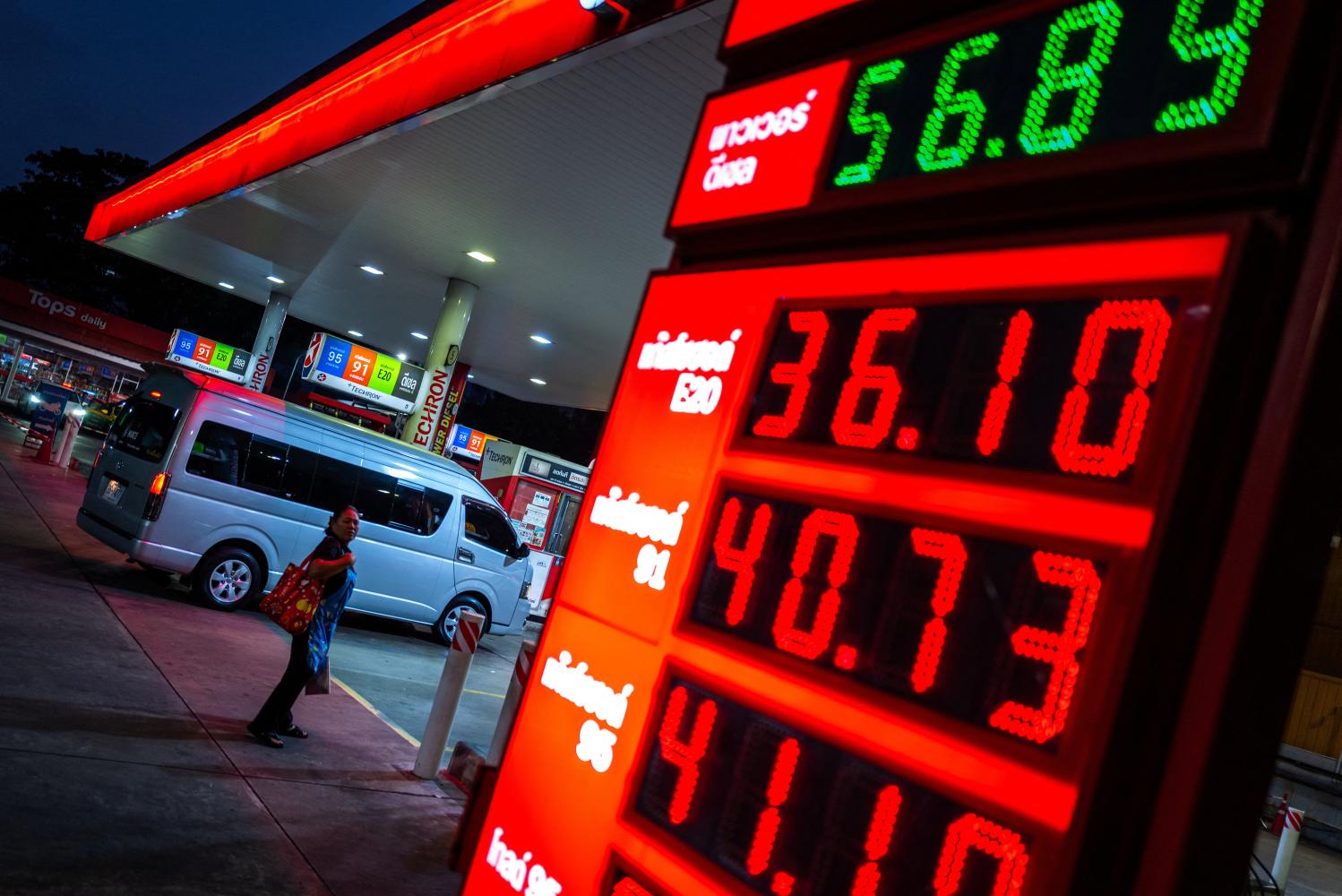
» Do readers prefer shock therapy or slow healing? This is not a health question, but an important economic one.
The silent engines of Asean realism
Oped, Imran Khalid, Published on 30/03/2026
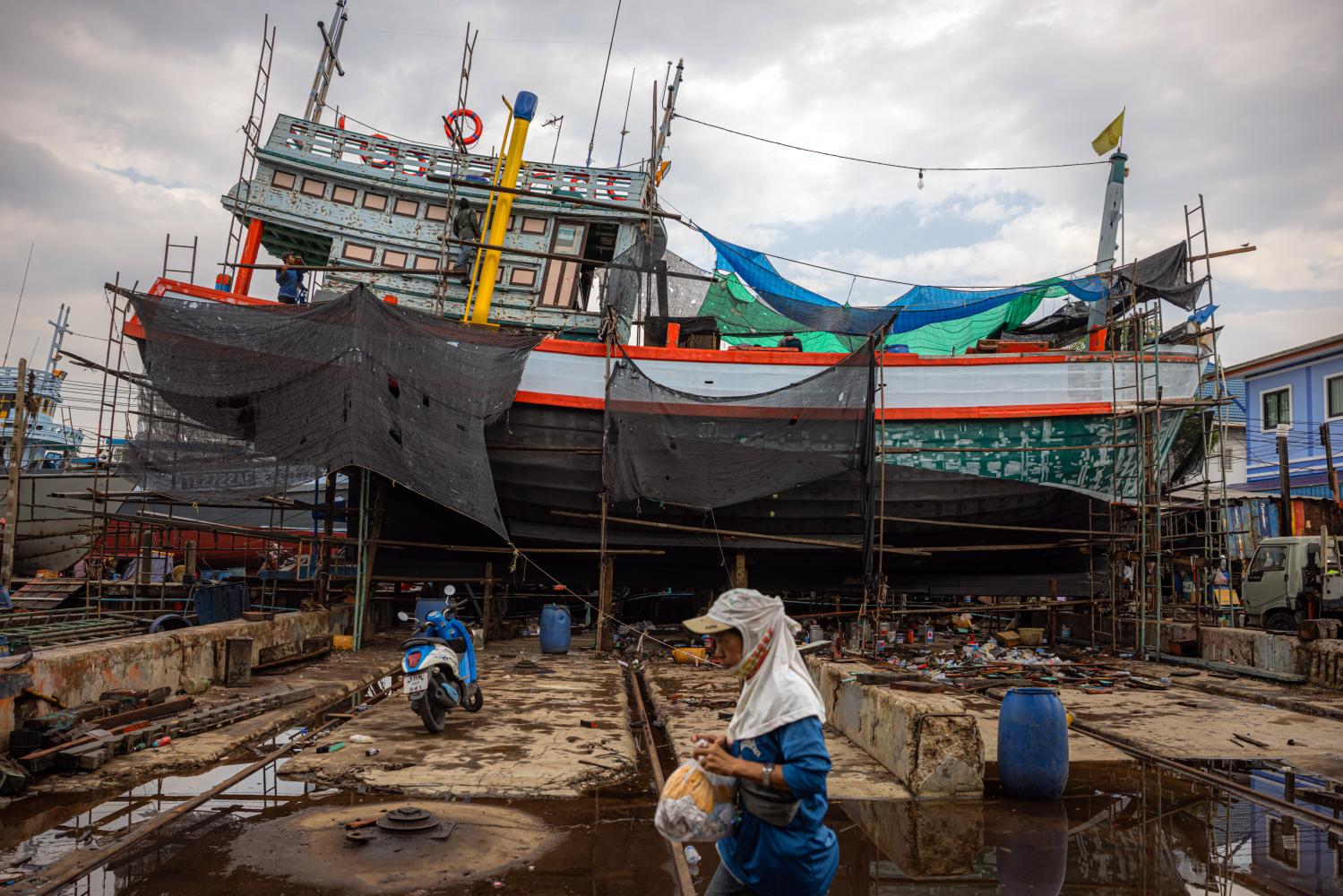
» The global economy is currently tackling what may be the most significant energy disruption since the 1970s. The effective throttling of the Strait of Hormuz -- now seeded with Iranian Maham mines and subject to a tense, IRGC-monitored tolling system -- has physically severed the energy arteries that sustain the industrial heart of Southeast Asia.

Anutin's first big test
Oped, Editorial, Published on 23/03/2026
» The latest escalation in the Middle East targeting energy infrastructure is not merely another flurry of geopolitical tension, but a systemic shock to the global order with the potential to reverberate far beyond oil markets.
The Iran war is upending global energy markets
Oped, Carolyn Kissane, Published on 12/03/2026
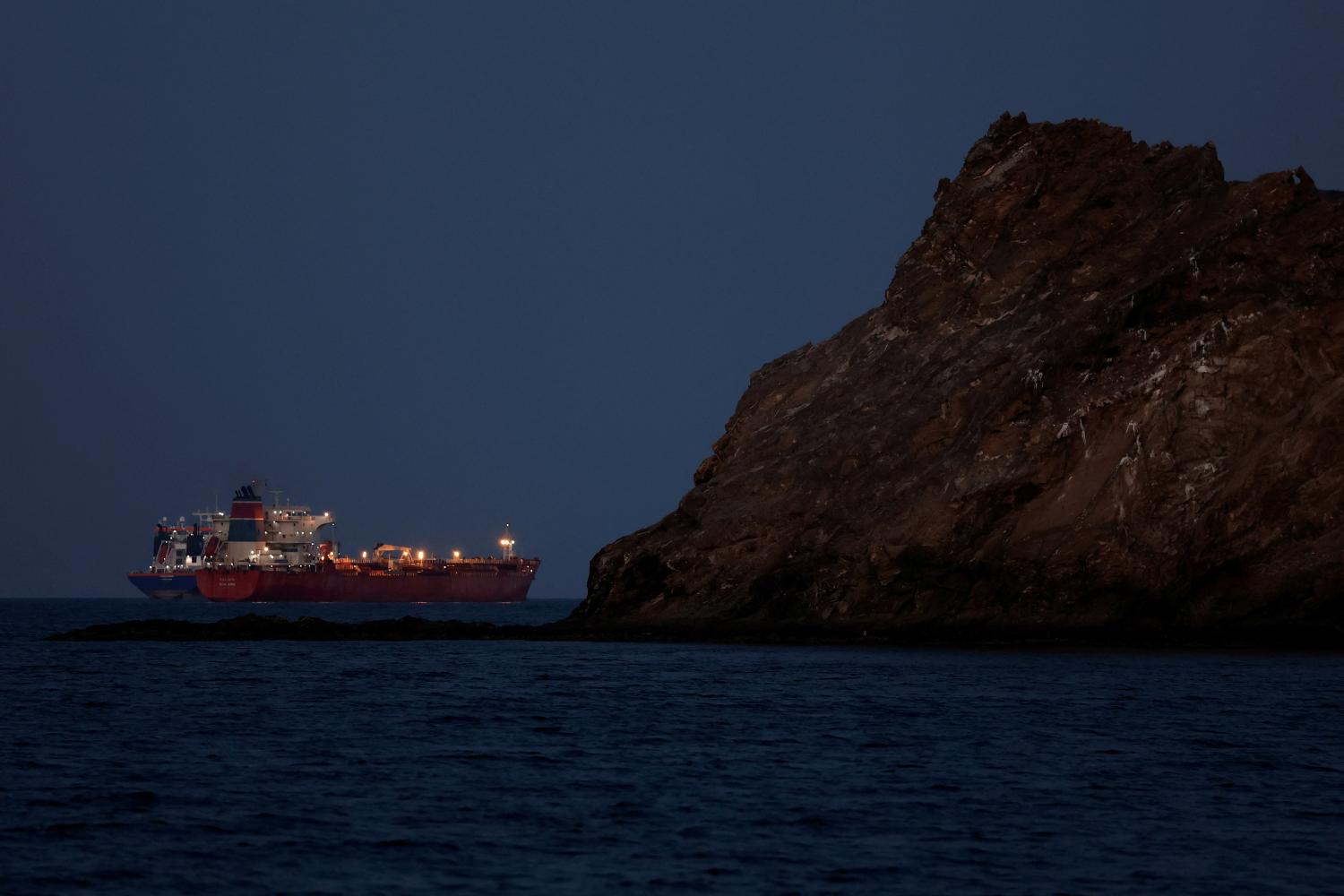
» The war with Iran is widening faster than many expected. The Islamic Republic's retaliation against Arab Gulf states has extended beyond military targets to critical civilian infrastructure, including airports, water desalination plants, and energy facilities. Hezbollah has opened a second front from Lebanon. US President Donald Trump suggests that operations could last "four to five weeks", but with nearly 50 senior Iranian officials having been killed, it is unclear who might be positioned to negotiate an off-ramp.
Time for region to double down on green energy
Oped, Lidy Nacpil, Published on 06/03/2026
» The escalating instability in the Middle East has sent shockwaves through global energy markets, forcing Southeast Asian nations into a precarious position. While the region has made significant pledges to transition toward renewables, the threat of interrupted gas supplies and surging LNG prices is creating a dangerous incentive to prioritise immediate energy security over long-term climate goals.

Risk of crisis growing more acute
Oped, Chartchai Parasuk, Published on 05/03/2026
» This article is a follow-up to my previous piece titled "Fiscal deficit will trigger 2026 crisis". In that article, I argued Thailand's heavy dependence on external liquidity, combined with the government's need for 860 billion baht annually to finance its deficits, would lead to a severe liquidity shortage and, ultimately, a financial crisis.
Why communities pay for mining
Oped, Christopher Rutledge, Published on 19/02/2026
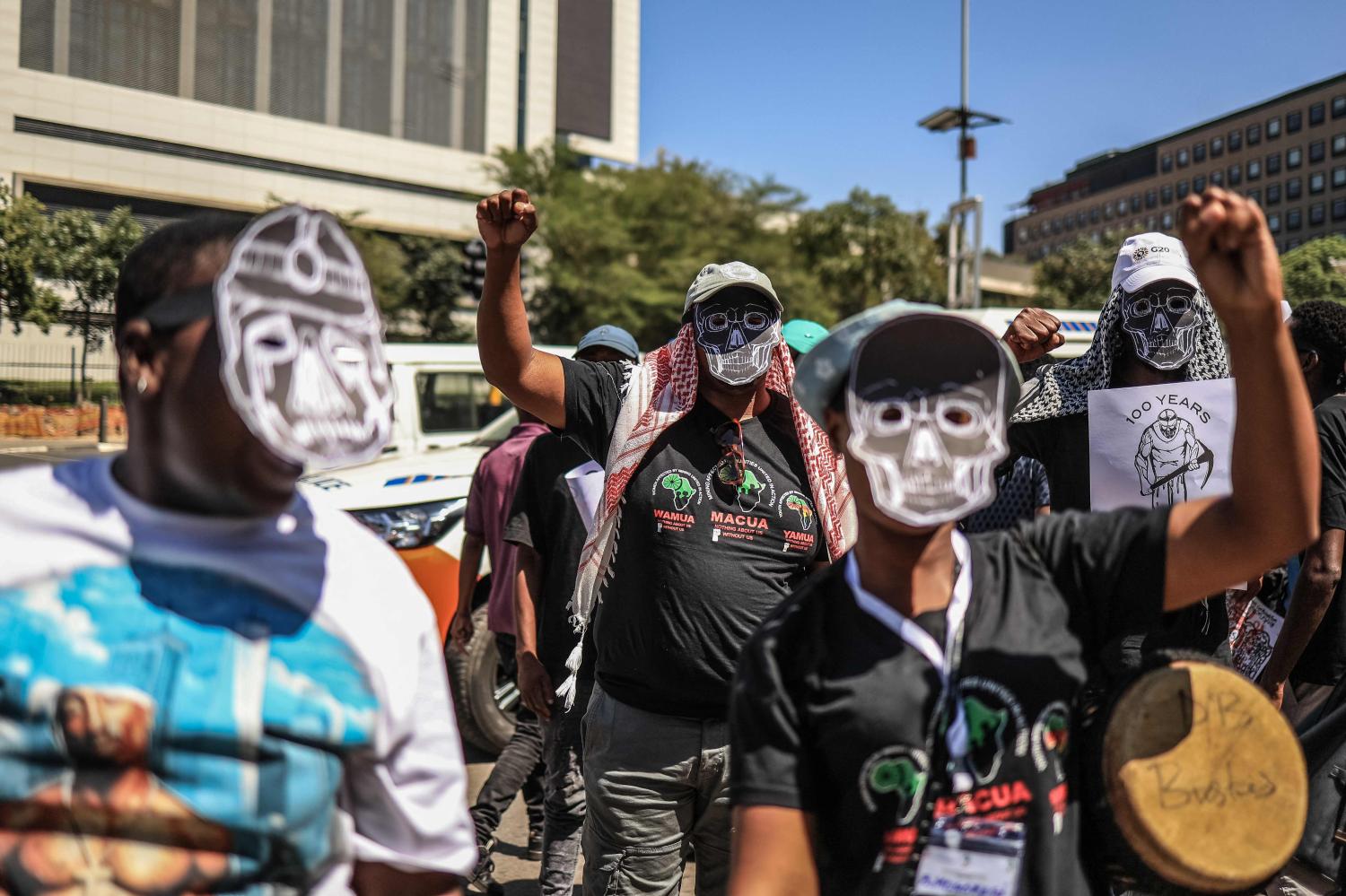
» Last week, policymakers and industry executives of mining companies gathered in Cape Town for the annual African Mining Indaba. They followed a familiar script: governments would court investors, companies would promise jobs and growth, and champagne would flow as speakers tout Africa as indispensable to the global energy transition.
Fiscal deficit will trigger 2026 crisis
Oped, Chartchai Parasuk, Published on 19/02/2026
» If readers want to be fully convinced that there will be a financial crisis in 2026, I can do that in three minutes. Readers need only look at the last two columns of the attached table, which depict the financing situation of the Thai economy in 2025 (actual) and 2026 (projected).
Implications of conservative triumph
Oped, Thitinan Pongsudhirak, Published on 13/02/2026
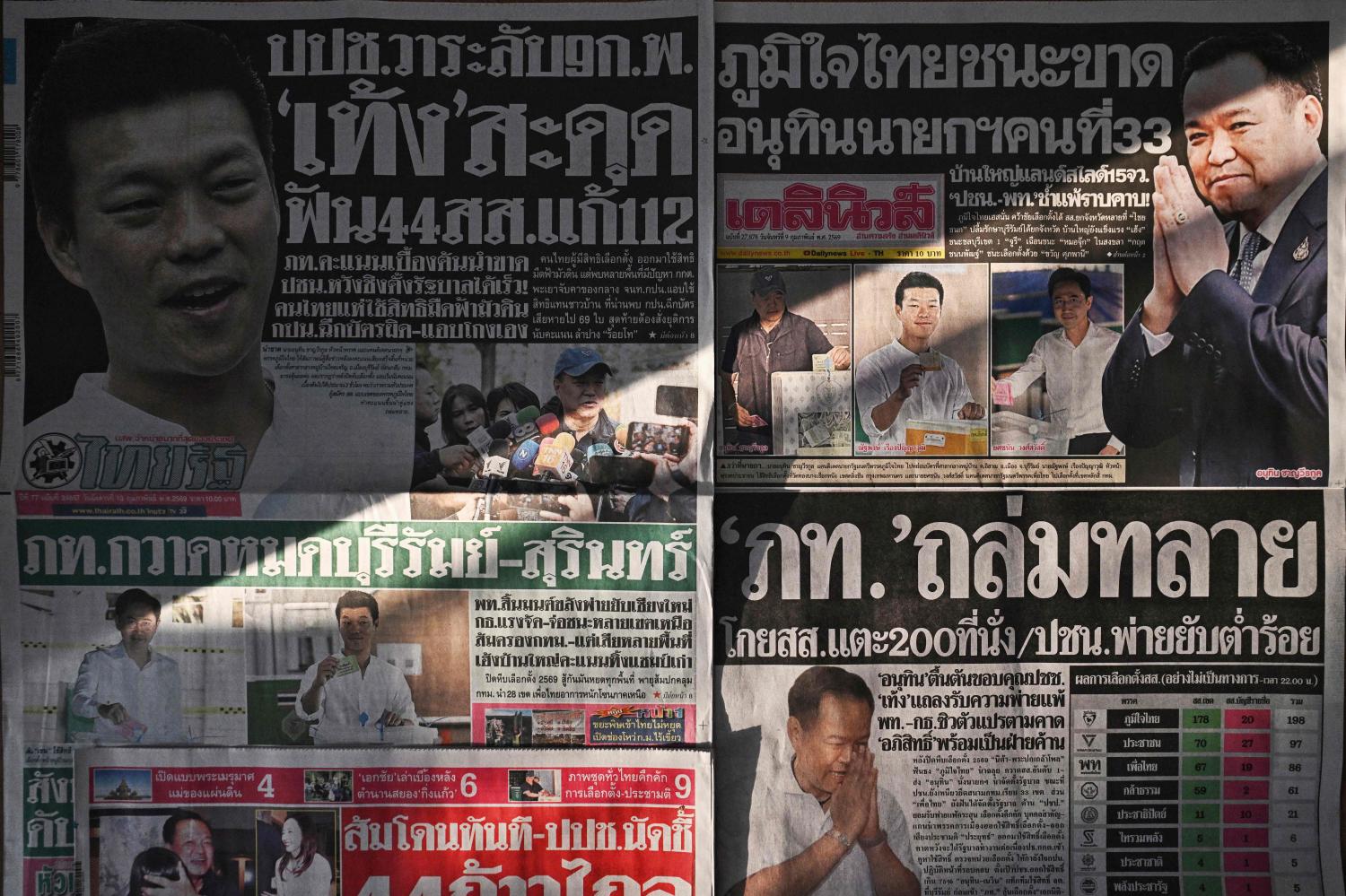
» The incumbent and conservative Bhumjaithai (BJT) Party has surprisingly swept Thailand's Feb 8 election with a commanding win. With the previously poll-leading and progressive People's Party (PP) coming in a distant second, Thailand appears headed for a conservative coalition government revolving around BJT and like-minded junior partners. Known for its conservative stance and being pro-status quo, it would not be surprising if the BJT-led coalition government, led by Prime Minister-elect Anutin Charnvirakul, were not challenged by the Constitutional Court, the Election Commission, and other supervisory agencies, which have derailed and dissolved reform-minded winning parties in the past.

How world's super-rich are rewriting the rules
Oped, Joseph E Stiglitz & Jayati Ghosh, Published on 13/02/2026
» Ongoing efforts to derail multilateral tax cooperation lie at the heart of a global programme to replace democratic governance with coercive rule by the extremely wealthy -- or what we call 21st-century Caesarism. Any strategy to counter this programme, therefore, must recognise that taxing extreme wealth is essential to saving democracy.