



Showing 1 - 10 of 28
The case for funding food security
Oped, Gelsomina Vigliotti & Maurizio Martina, Published on 17/10/2024
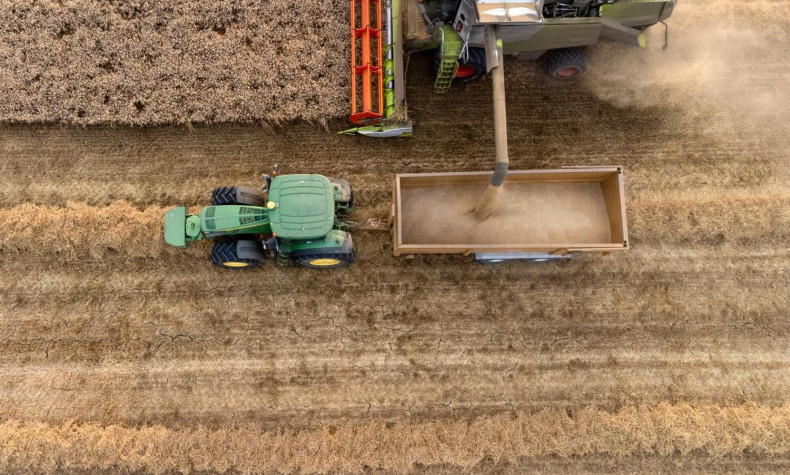
» Although enough food is produced to feed the global population, hunger and malnutrition due to conflict, poverty, economic slowdowns, and climate change still threaten millions of lives. In 2023, around 2.3 billion people faced moderate or severe food insecurity and more than 730 million people suffered from hunger, with undernutrition linked to almost one-half of deaths of children under age five.

Getting to root of the term 'food waste'
Oped, Benjamas Chotthong, Published on 14/09/2024
» The global community has recognised "food waste" as a significant issue and has included it as part of Sustainable Development Goal 12 (SDG 12) on sustainable production and consumption. One target of SDG 12 aims to halve global food waste at the retail and consumer levels by 2030.
Improving the region's food safety
Oped, Jong-Jin Kim, Published on 07/06/2024
» In a region with poor food safety standards, policy makers, the private sector and consumers in Asia and the Pacific must do better.
Asia-Pacific's loss of biodiversity
Oped, Jong-Jin Kim, Published on 22/05/2024
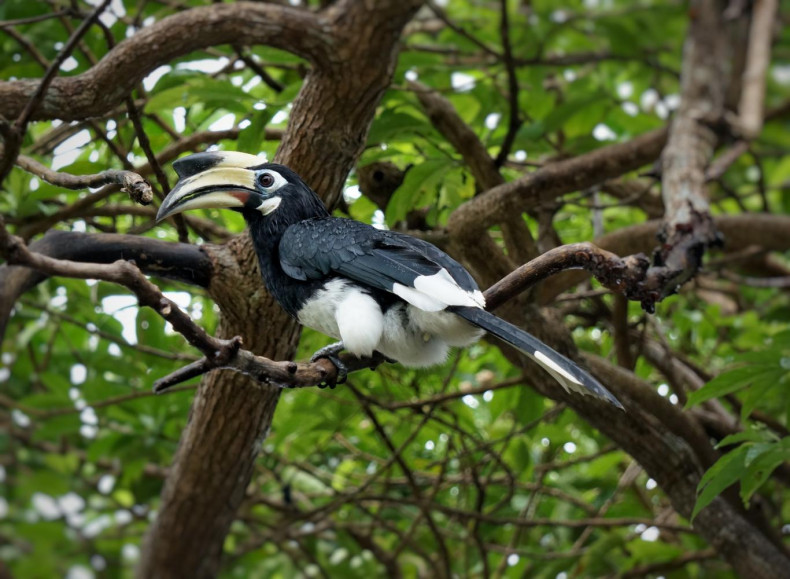
» In recent months, the Food and Agriculture Organization of the United Nations (FAO) and others have pointed to an increase in food insecurity and "hunger hotspots" in various parts of Asia and the Pacific. While conflicts and climate crises can carry some of the blame, we must acknowledge that the slow but steady erosion of our region's biodiversity is an equal or even greater threat to our future food security.

Protect forest, fresh water resources
Oped, Jong-Jin Kim, Published on 21/03/2024
» United we stand, divided we fall -- it's an old cliché, but when talking about access to fresh water in this Asia and Pacific region, it's worth reminding ourselves how imperative it is to work together, within countries and across borders, to share and protect this precious resource.
Give women farm sector power
Oped, Jong-Jin Kim, Published on 06/03/2024
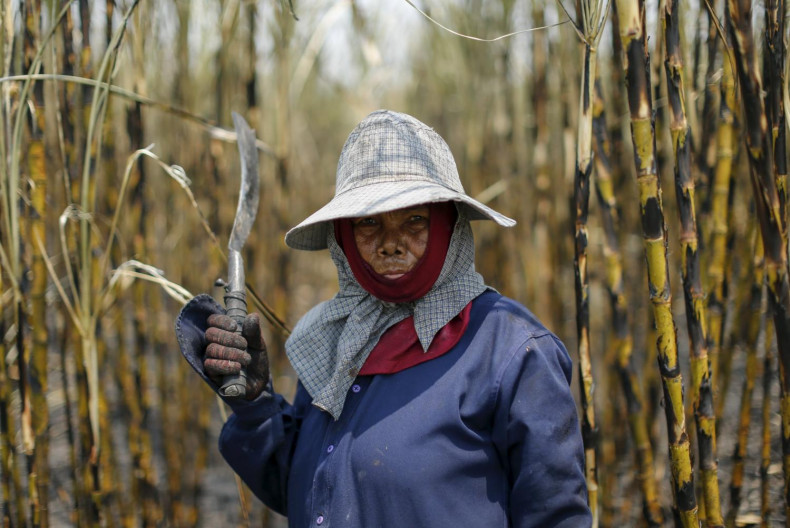
» Despite women's significant contributions to our agrifood systems in the Asia-Pacific region, women continue to face persistent obstacles, including limited access to resources, services, and discriminatory practices all along the food value chain. As we gather to celebrate this year's International Women's Day (IWD), it is time for action to fully recognise women's indispensable role in the fields, in the factories, and those running small and medium-sized companies, associations and cooperatives -- all of which produce the nutritious food we eat each day.

Myanmar eyes return to Asean fold
Oped, Kavi Chongkittavorn, Published on 13/02/2024
» To understand the current game plan of Myanmar's military regime, it is perhaps a good time to remind ourselves of the letter written by former Cambodian Prime Minister Hun Sen to Senior General Min Aung Hlaing on Aug 19, 2022. The rather blunt personal letter urged the junta leader to implement the Five-Point Consensus (5PC), saying that if he fails to do so, his Asean colleagues might ban Myanmar from all meetings and recognise the National Unity Government (NUG). In short, Asean would give the seat to the NUG. The letter angered the general, and Hun Sen's practical advice was ignored, including his call for amnesty for four activists who had been sentenced to death. For the past three years, Myanmar's seat at Asean's high-level meetings has been left vacant. Then, on Feb 29, the seat was occupied temporarily.
Asia-Pacific's bread and butter
Oped, Jong-Jin Kim, Published on 29/11/2023
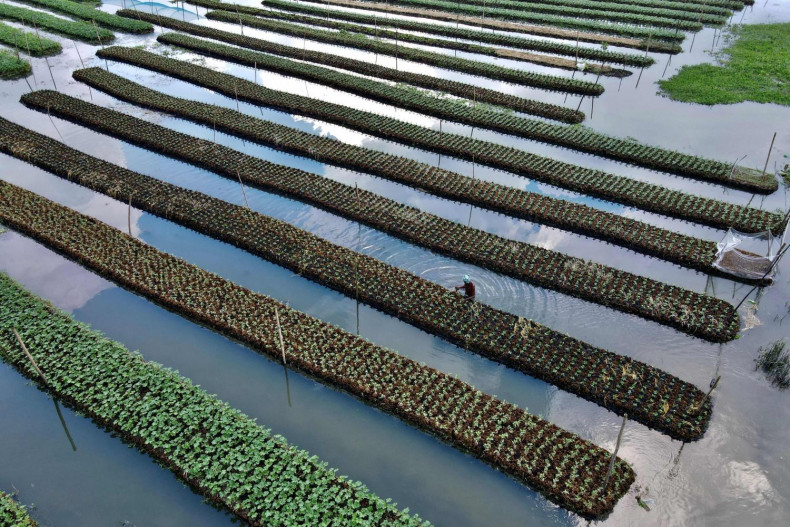
» Here, in the world's most populous region, there is a crisis slowly unfolding that involves the earth beneath our feet. The soil that has been producing the food we eat and supporting the livelihoods of hundreds of millions of farmers and others is under threat.
Water the key to food security
Oped, Qu Dongyu, Published on 11/10/2023
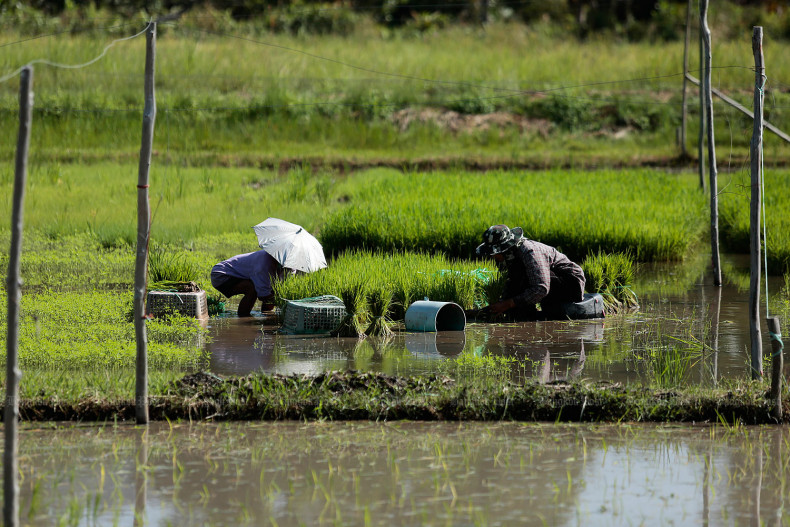
» This year's World Food Day celebrates one of the planet's most precious resources: water. It's essential to life on Earth. It covers the majority of the planet's surface, makes up over 50% of our bodies, helps keep us fed, supports livelihoods and is central to achieving the 2030 Agenda for Sustainable Development and the Sustainable Development Goals (SDGs).
Stopping mangrove deforestation
Oped, Zhimin Wu, Published on 26/07/2023
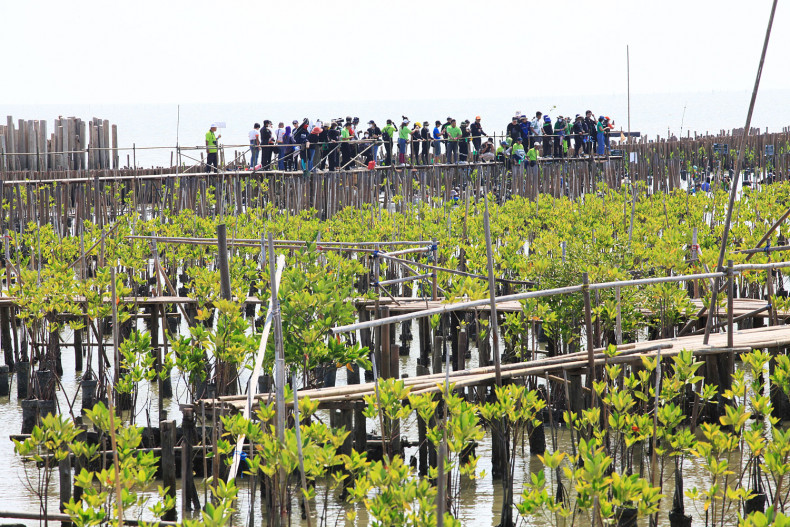
» Over the past 40 years, over 20% of mangroves globally were lost due to both human activities and natural retraction.