



Showing 1 - 10 of 721

Where's the probe?
Postbag, Published on 14/02/2026
» Re: "EC must act, not observe", (Editorial, Feb 2).
Emerging markets stand strong
Oped, Kristalina Georgieva and Mohammed Al-Jadaan, Published on 12/02/2026
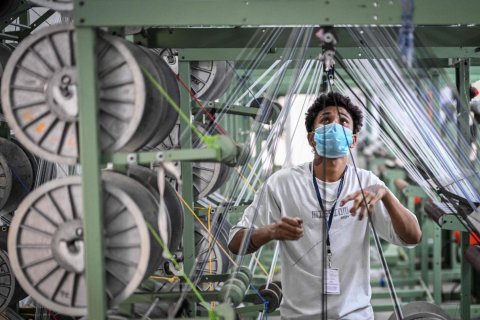
» It used to be that when advanced economies sneezed, emerging markets caught a cold. That is no longer true. Following recent global shocks, such as the post-pandemic inflation surge and a new wave of tariffs, emerging markets have held up well. Inflation has continued to slow, currencies have generally retained their value, and debt issuance costs have remained at manageable levels. There has been no sign of the kind of financial turbulence that came with past economic shocks.
Roaring global growth is emerging
News, Mike Dolan, Published on 11/02/2026
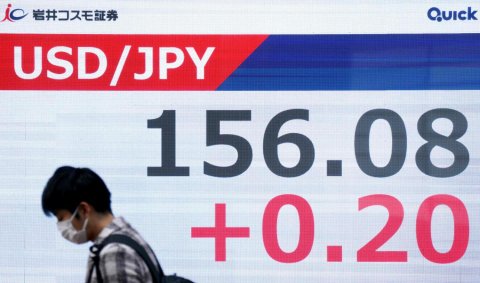
» The chaotic newsflow, geopolitical shape-shifting and wild market swings of 2026 have clouded one basic signal: the global economy is racing forward.

EC needs to do better
News, Published on 10/02/2026
» The election on Sunday has finally ended, albeit with mixed reactions. Despite the polling process going relatively smoothly and a clear winner emerging by the end of the day, the ham-fisted actions of the Election Commission (EC) risk bungling the vote-counting process.
All eyes trained on coalition maths
News, Chairith Yonpiam, Published on 07/02/2026
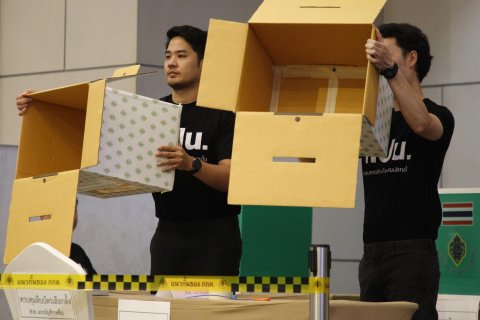
» As the election campaign enters its final stage, with more than 53 million eligible voters heading to the polls tomorrow, experts are making their final tea-leaf readings.
Our tariff-era dollar, your problem
Oped, Qiyuan Xu, Published on 04/02/2026
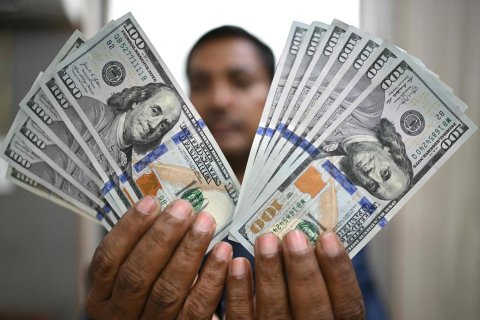
» In 2025, the dollar index, which measures the greenback's strength against a basket of major currencies, fell by roughly 9.4%. Over the same period, the United States' average effective tariff rate rose by around 14.4 percentage points, from 2.4% to 16.8%, according to the Yale Budget Lab. Taken together, these shifts imply that, in the import trade domain, the US experienced an effective exchange-rate depreciation of around 24%.
Philanthropy must dive deeper
News, Shaun Seow, Published on 23/01/2026
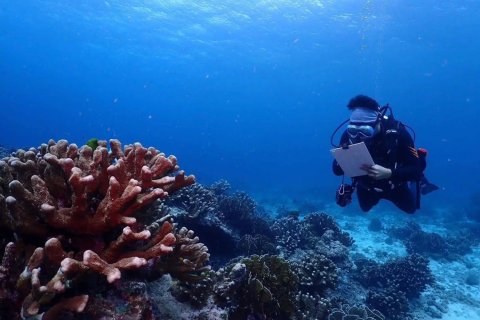
» Long-term global stability depends heavily on what happens in the ocean. Nowhere is this more evident than in Asia, home to much of the Coral Triangle and vast mangrove and seagrass ecosystems that sustain fisheries, protect coastal communities, and store massive amounts of carbon. Together, these ecosystems underpin food security, employment, and climate resilience across the continent and beyond.
A view of global power with a gangster's eye
Oped, Jayati Ghosh, Published on 20/01/2026
» There is a method behind the apparent madness of US President Donald Trump's transactional, spheres-of-influence approach to geopolitics and the global economy. Nowhere has this logic been clearer than in his administration's illegal abduction of Venezuelan President Nicolás Maduro and its ongoing efforts to secure control of the country's oil reserves by installing a client regime.
When infrastructure meets AI
Oped, Bertrand Badré & Saurabh Mishra, Published on 16/01/2026
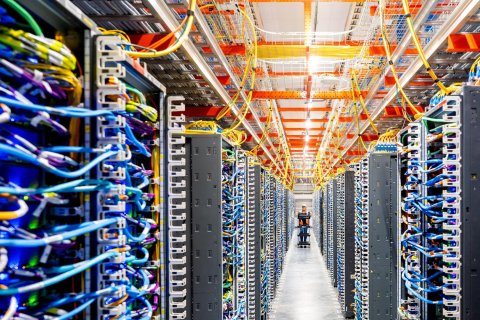
» Infrastructure investment is booming. Around the world, governments are pouring trillions of dollars into roads, power grids, data centres, water systems, and housing, with many responding to intensifying climate shocks and the growing need for adaptation. Yet the construction industry -- the single largest force physically reshaping the planet -- is among the last major sectors to unlock all the benefits that digital technology offers. As a result, it accounts for about 21% of greenhouse-gas emissions, produces half of global landfill waste, and overspends by US$1.6 trillion a year.

Thai diplomacy amid global turmoil
News, Kavi Chongkittavorn, Published on 13/01/2026
» How do we know which way the wind is drifting? This is a frequently asked question amid the tectonic shifts in international politics. Answers vary. Some say the wind blows from Washington, others from Beijing. Some insist it comes from the market, others from geopolitics. Regardless of the answers, Thailand -- thanks to its nimble diplomacy -- has managed to go with the flow without much difficulty.