



Showing 1 - 4 of 4
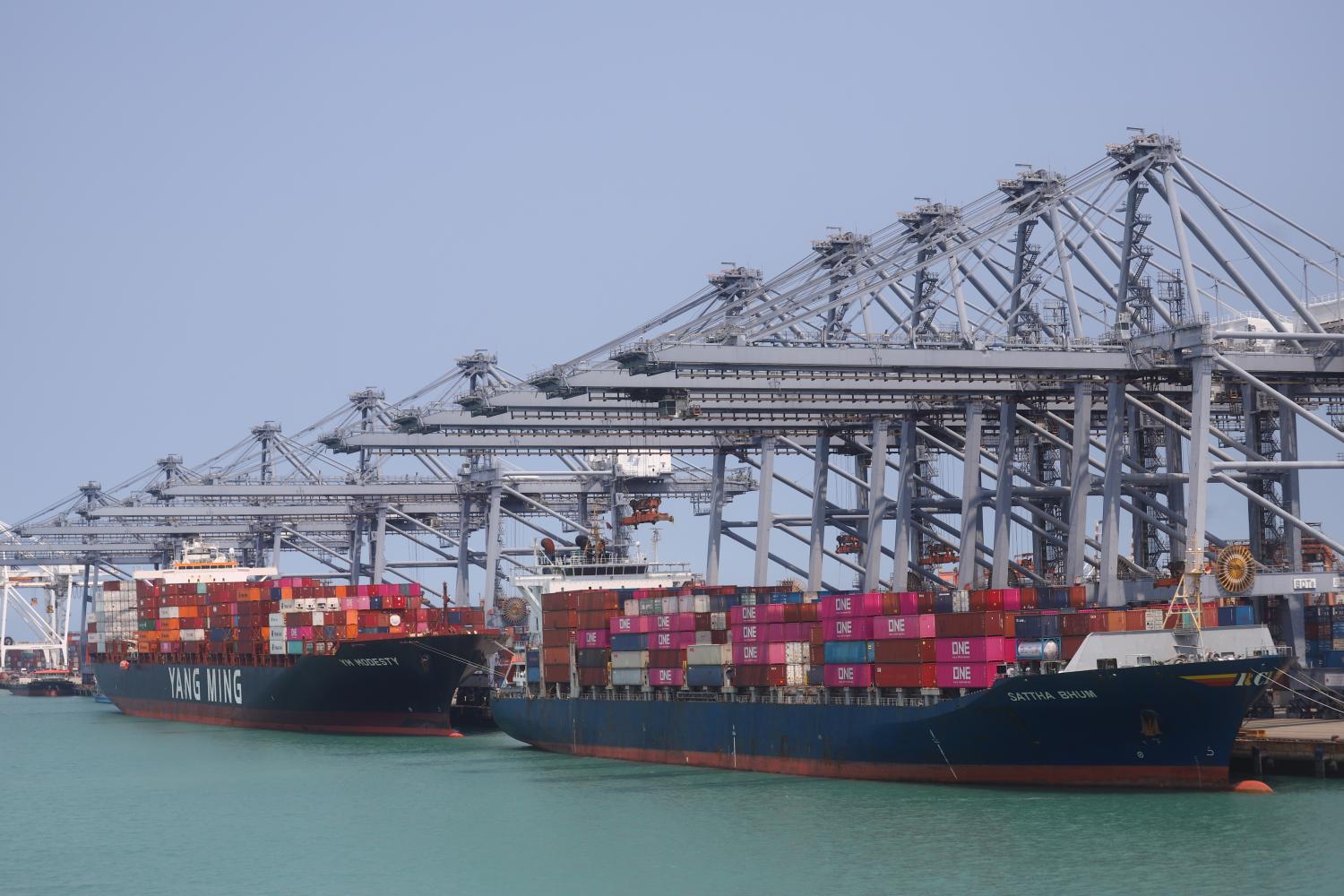
Carbon rules reshape Thai business as CBAM looms
Business, Yuthana Praiwan, Published on 09/02/2026
» The European Union's Carbon Border Adjustment Mechanism (CBAM) is sending ripples of concern throughout global trade, unsettling exporters of certain products while raising broader questions about its long‑term impact on industries not yet covered by the measure.

Thammasat Uni pushes sustainability theme at expo
News, Pitchayangkul Wongjanakool, Published on 24/07/2025
» Thammasat University (TU) is advancing sustainability through its ONE TU movement, linking academic research with real-world solutions aligned with the United Nations' Sustainable Development Goals (SDGs).

What if the world lacks sustainability…
Published on 07/05/2024
» If the world lacks sustainability, we would face severe consequences across environmental, social, and economic domains. Environmental degradation, including deforestation, pollution, habitat loss, and climate change, would accelerate, leading to biodiversity loss, natural disasters, and resource depletion. Socially, inequality and social injustices would likely worsen, exacerbating poverty, food insecurity, and access to clean water and healthcare. Economically, businesses would face increased risks due to resource scarcity, regulatory pressures, and market instability, ultimately impacting global economic stability and prosperity.

Why is ESG Important to Business Now and in the Future?
Published on 07/05/2024
» According to the UOB Business Outlook Study 2024, which canvassed over 100 customers in the regional group, embedding ESG (Environmental, Social, and Governance) practices is a top priority for Thai businesses in the coming years. This focus stems from a recognition of sustainability's role in enhancing reputation (56%), attracting investors (50%), and fostering partnerships with large corporations (42%). Yet, a notable fraction of businesses calls for increased support in industry engagement and guidance on ESG standards and decarbonization strategies