



Showing 1 - 10 of 10
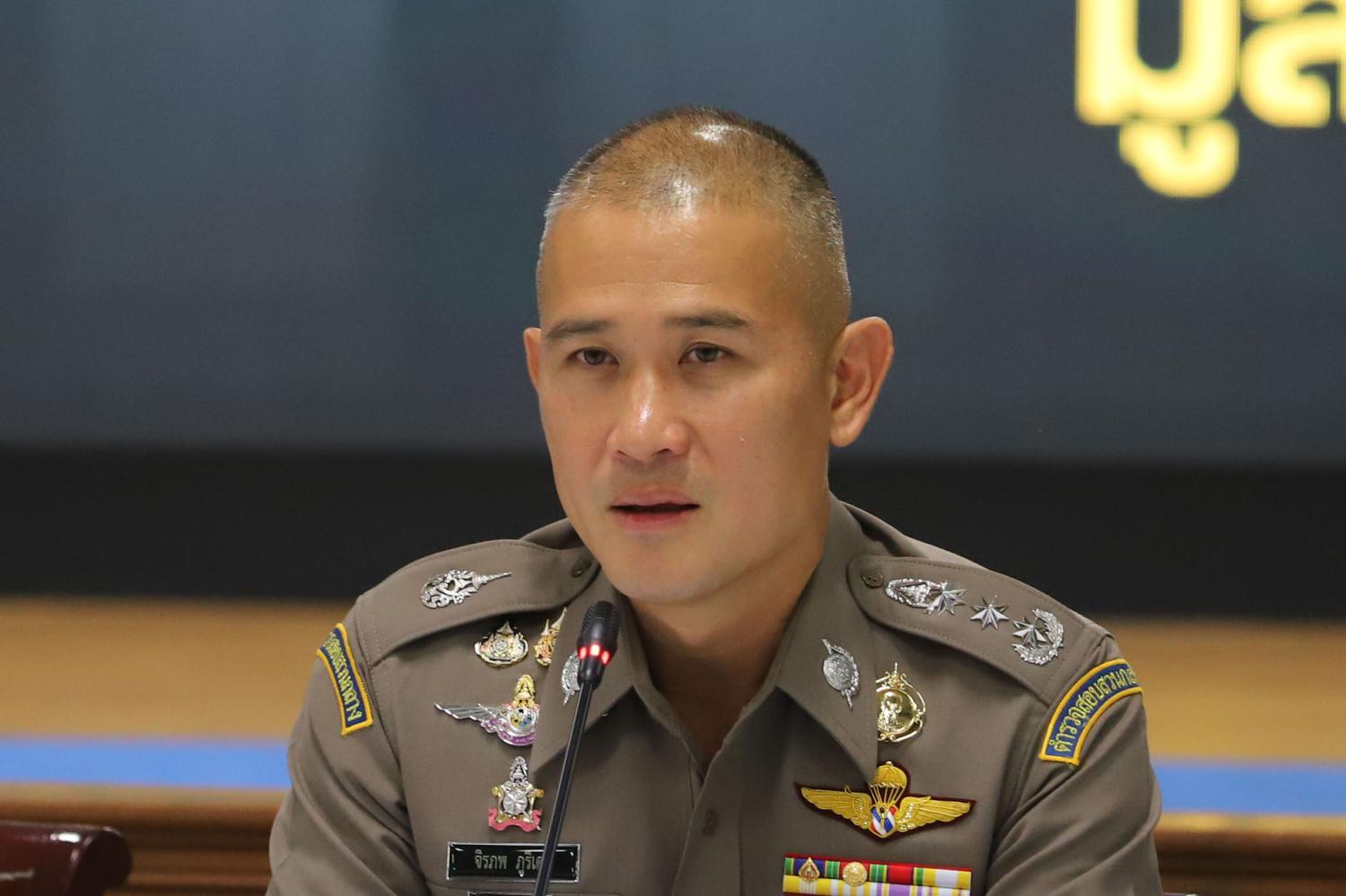
Anatomy of a scam
News, Wassayos Ngamkham, Published on 03/01/2026
» Police say scammers will develop more sophisticated operations in 2026, allowing them to target victims more precisely, even though some scam centres along the borders of Myanmar and Cambodia have been dismantled in recent months.
Meta targets AI-driven scams in Asia
News, Wassayos Ngamkham, Published on 18/12/2025
» Meta has released its latest Adversarial Threat Report, outlining large-scale efforts to combat online scams across the Asia-Pacific (Apac) region and address the growing threat of AI-enabled criminal activity, while working closely with law enforcement agencies in multiple countries.

Alarm at scam AI call to PM
News, Mongkol Bangprapa, Published on 17/01/2025
» The Ministry of Digital, Economy and Society is coordinating with neighbouring countries to suppress scam calls after Prime Minister Paetongtarn Shinawatra admitted on Wednesday that she almost fell victim to a phone scam using an AI cloned voice impersonating a foreign leader's voice, asking her for a donation.

New forensics centre to target online crime
News, Wassayos Ngamkham, Published on 17/08/2024
» A digital forensics centre will be unveiled this month to support efforts to combat cybercrime, Pol Maj Gen Athip Pongsiwapai, commander of the Technology Crime Suppression Division (TCSD), said.
Our freedoms depend on press freedom too
News, Jodie Ginsberg, Published on 06/05/2024
» In just the first week of this year, at least 18 journalists were assaulted while covering alleged election irregularities and violence in Bangladesh. Then, in early February, journalists in Pakistan were hindered from covering elections by a wave of violence, widespread internet blackouts, and mobile-network suspensions. In March, journalists in Turkey were shot at and banned from observing local elections.

Deepfakes will hijack your brain -- if you let them
News, F D Flam, Published on 22/02/2024
» Realistic AI-generated images and voice recordings may be the newest threat to democracy, but they're part of a longstanding family of deceptions. The way to fight so-called deepfakes isn't to develop some rumour-busting form of AI or to train the public to spot fake images. A better tactic would be to encourage a few well-known critical thinking methods -- refocusing our attention, reconsidering our sources, and questioning ourselves.

Deepfake AI scams set to surge in 2024
News, Wassayos Ngamkham, Published on 20/12/2023
» The public is being warned by the Royal Thai Police (RTP) to brace for more widespread crime involving deepfake AI technology to swap faces and imitate the voices of others to lure victims into scams in the year to come.

Gen Z become masters of comedic deflection
News, Amanda Little, Published on 30/10/2023
» 'Can we get a cute drink and snacks after this?" reads the text on a recent TikTok image of men with machine guns in army gear. It's intended to depict the attitude of young female US soldiers while storming a building in Gaza. The post, created by a Gen Zer whose popular feed abounds with Taylor Swift lip-syncs and dance videos, is captioned: "I love this trend #thedraft #war #foryou #fyp #funny."

AI has great potential for social good
News, Sutapa Amornvivat, Published on 29/05/2019
» Earlier this year, I attended EmTech Digital, a leading forum on AI and the latest stage of technology organised by the MIT Technology Review. Interestingly, the major emphasis this year was on ethical AI and the use of AI to solve social issues and to create a positive impact.
For election hackers, a new, more dangerous tool
News, Michael Chertoff & Eileen Donahoe, Published on 15/11/2018
» The election interference tactics originally deployed by Russia against the United States and Europe are now global. Hackers across the democratic world have exploited weaknesses in campaign email servers; probed electronic voting machines for vulnerabilities; set up troll farms to spread highly-partisan narratives; and employed armies of bots to distort the truth online. Tech experts in countries such as Iran and Venezuela have borrowed these tactics and joined efforts toward the same goals: to erode confidence in electoral processes and in democratic governance itself.