



Showing 1 - 10 of 550
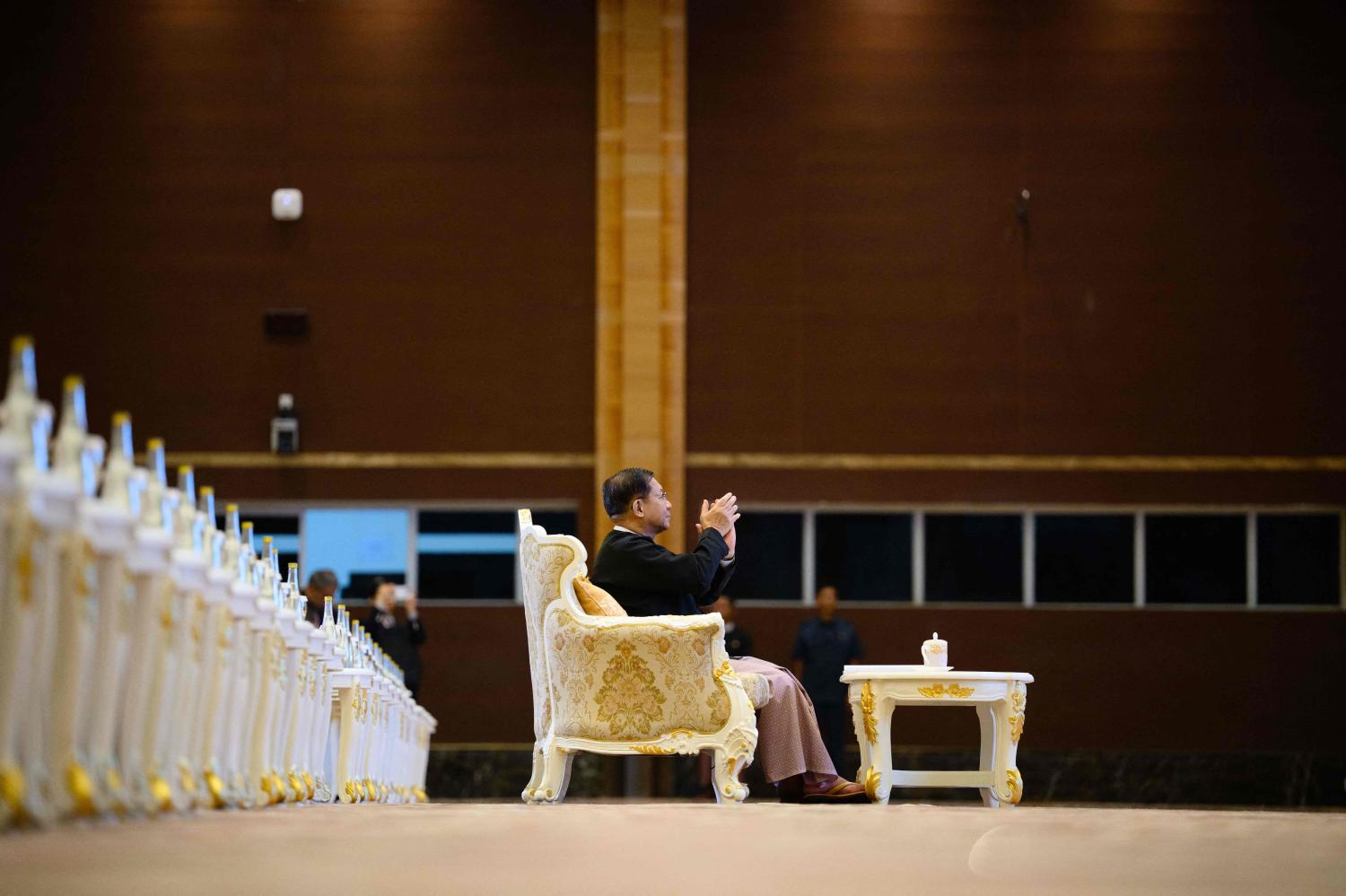
Myanmar's robbery of a democracy
Oped, Thitinan Pongsudhirak, Published on 24/04/2026
» Five long years after Myanmar's military seized power on 1 Feb 2021, what has taken place in recent weeks amounts to a delayed fait accompli. Led by Senior General Min Aung Hlaing, then commander-in-chief of the armed forces, the coup diverged from its traditional playbook seen in 1962 and 1988, when tanks rolled and the military ruled by brute force. This time, the takeover nearly unravelled amid a nationwide uprising that evolved into a civil war, waged by an armed and determined resistance comprising the civilian-led National Unity Government (NUG), the People's Defence Forces (PDFs), and a constellation of Ethnic Armed Organisations (EAOs).
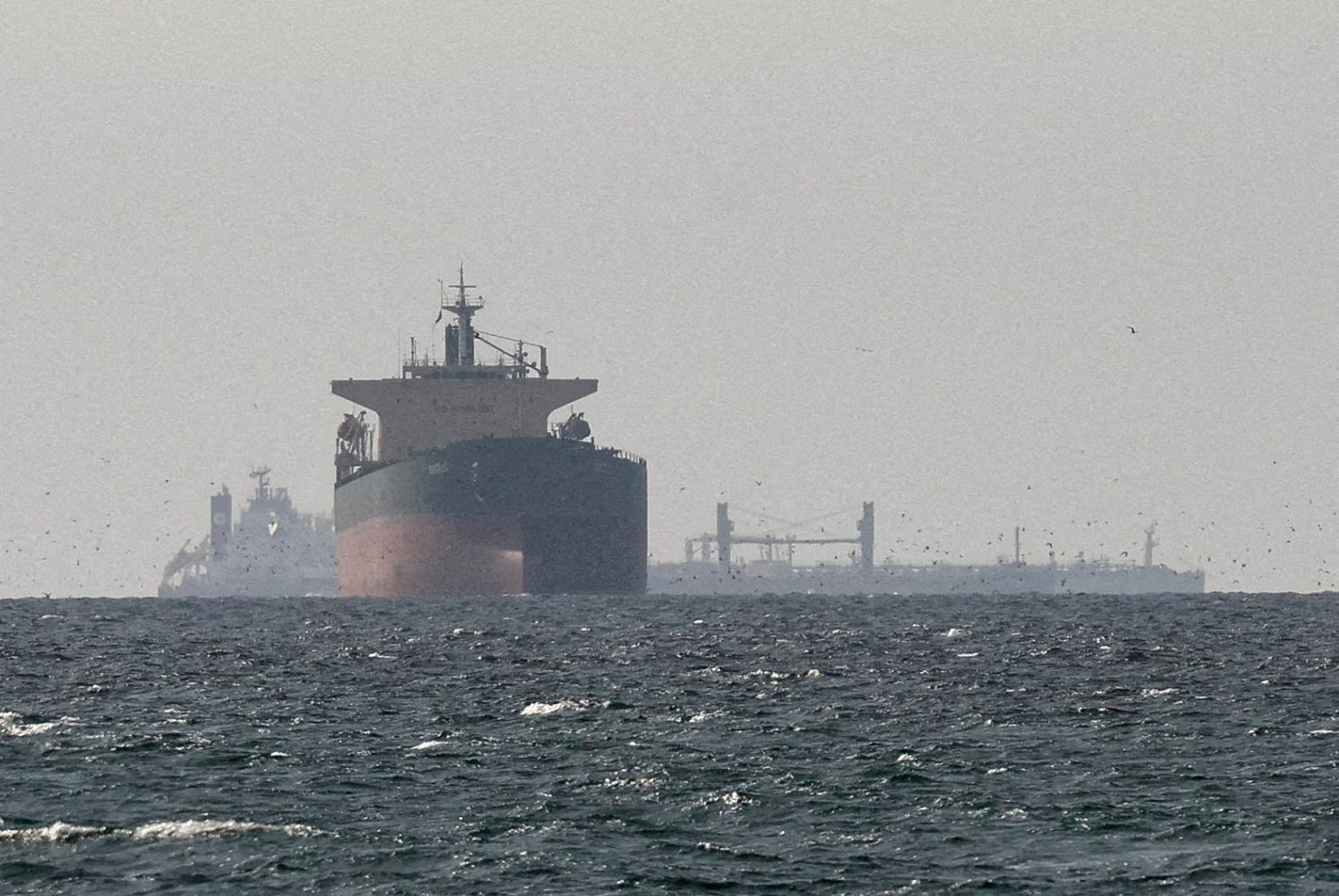
Is the Iran war America's Suez or its Gallipoli?
Oped, Yanis Varoufakis, Published on 21/04/2026
» When Egypt closed the Suez Canal for five months in 1956, it triggered events that shrunk the global standing of Britain's pound sterling, inaugurated the petrodollar age, and demonstrated how a small country can inflict serious damage upon the economic power that had subjugated it decades earlier.

When will the IMF ever learn?
Oped, Timothy Kaldas, Published on 16/04/2026
» This year's International Monetary Fund Spring Meetings come at a time of heightened economic uncertainty and intense scrutiny of the institution's capabilities and approach. Critics on the left argue that the IMF imposes regressive austerity measures on borrowers, exacerbating poverty, hampering economic growth, and undermining their ability to achieve debt sustainability. On the right, US President Donald Trump's administration has accused the IMF of "mission creep," claiming that it has strayed from its core mandate of maintaining macroeconomic stability.
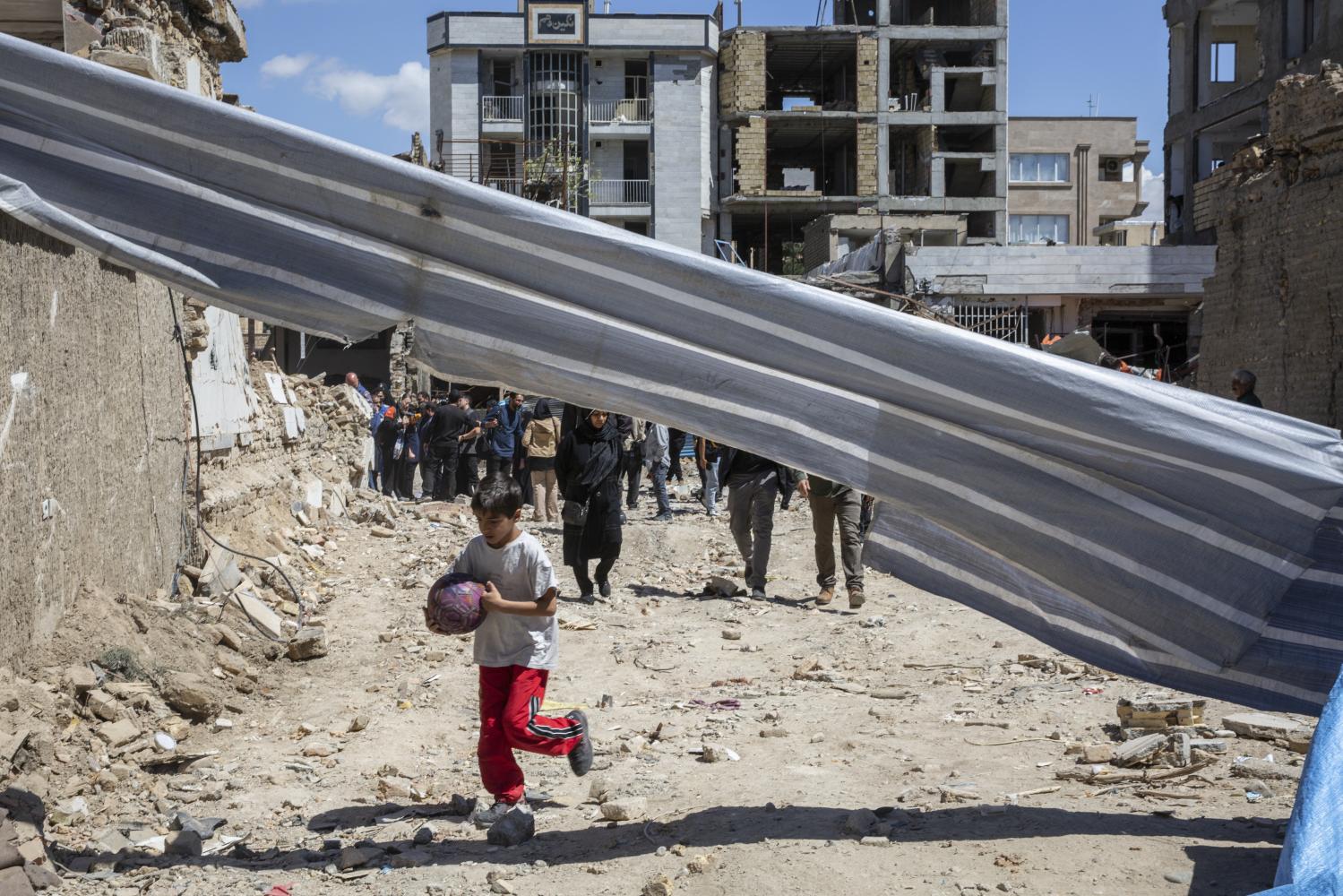
Modern-day mispricing of war
Oped, Antara Haldar, Published on 09/04/2026
» In the space of just a few weeks, the throttling of shipping traffic through the Strait of Hormuz has revealed the true nature of the US-Israeli war with Iran. This is no regional conflict, because the entire world is being invoiced. While the size of the bill remains to be determined, it is already obvious that the belligerents won't be the only ones paying the tab.
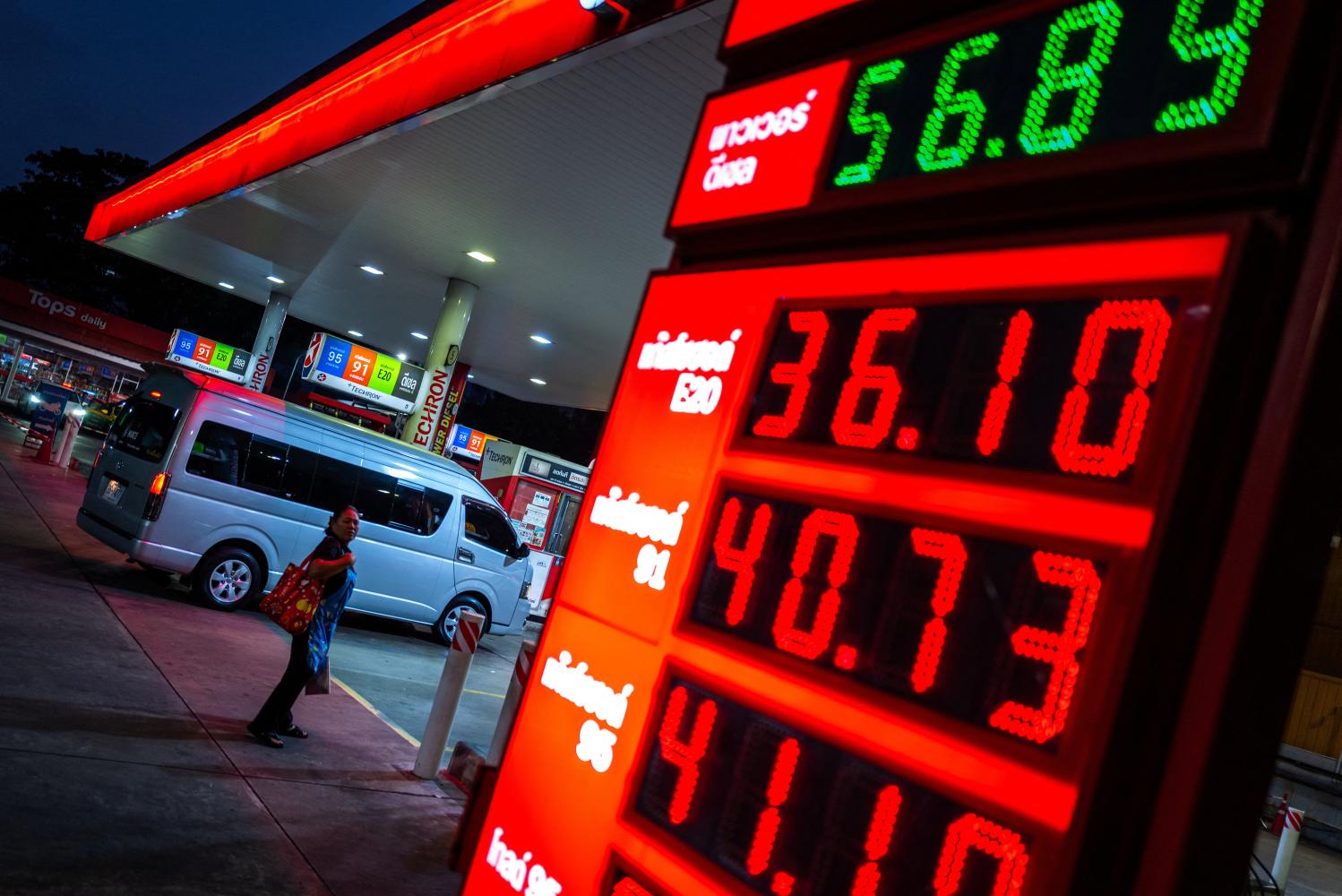
Some shock therapy or slow healing?
Oped, Chartchai Parasuk, Published on 02/04/2026
» Do readers prefer shock therapy or slow healing? This is not a health question, but an important economic one.
Trump goes off-script, US gone rogue
Oped, Thitinan Pongsudhirak, Published on 27/03/2026
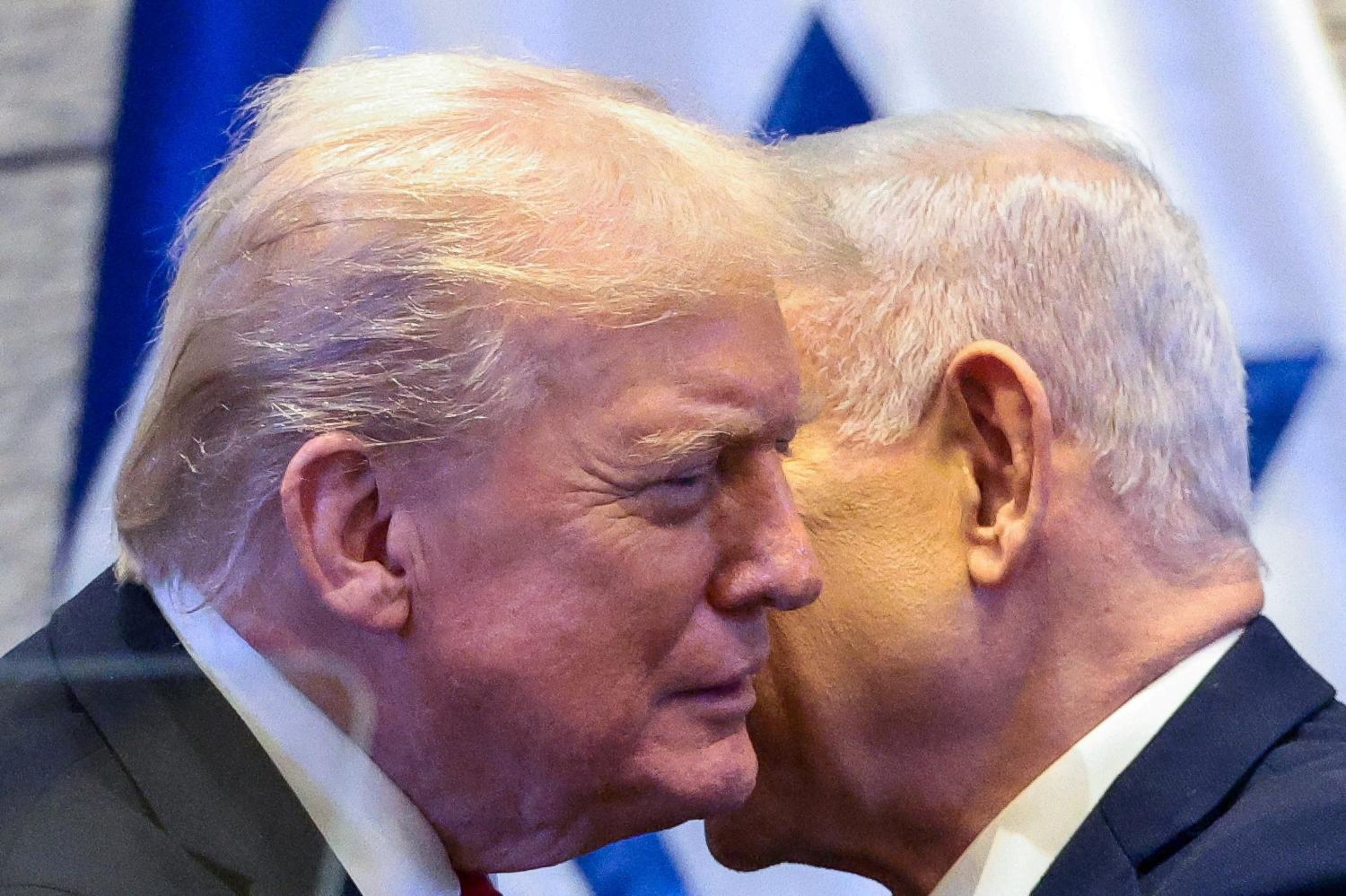
» It was not supposed to work like this. "America First" and "Make America Great Again" (MAGA) were supposed to be about an inward turn to repair, replenish and rebuild an externally overstretched and internally weakened country, weighed down by unnecessary global entanglements, unsustainable national debt, and unimpeded mass migration. It seemed for a time that the MAGA movement to prioritise America above and beyond the international system and its constituent parts had found its final prophet in President Donald J Trump. But now, somehow, President Trump has betrayed the movement that has carried him to office by waging a disastrous war on Iran in cooperation with Israel.

Anutin's first big test
Oped, Editorial, Published on 23/03/2026
» The latest escalation in the Middle East targeting energy infrastructure is not merely another flurry of geopolitical tension, but a systemic shock to the global order with the potential to reverberate far beyond oil markets.
The Iran war is upending global energy markets
Oped, Carolyn Kissane, Published on 12/03/2026
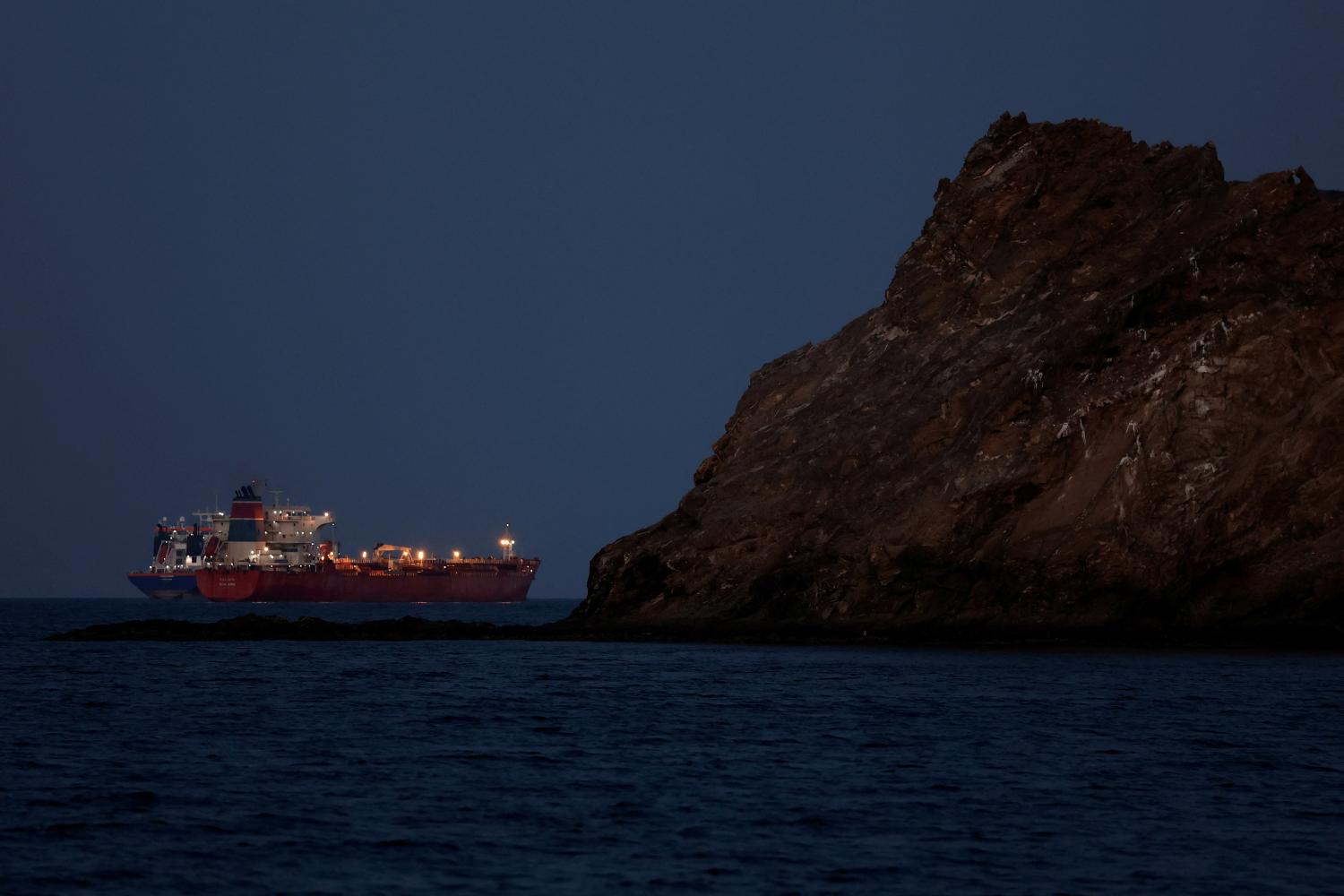
» The war with Iran is widening faster than many expected. The Islamic Republic's retaliation against Arab Gulf states has extended beyond military targets to critical civilian infrastructure, including airports, water desalination plants, and energy facilities. Hezbollah has opened a second front from Lebanon. US President Donald Trump suggests that operations could last "four to five weeks", but with nearly 50 senior Iranian officials having been killed, it is unclear who might be positioned to negotiate an off-ramp.
Time for region to double down on green energy
Oped, Lidy Nacpil, Published on 06/03/2026
» The escalating instability in the Middle East has sent shockwaves through global energy markets, forcing Southeast Asian nations into a precarious position. While the region has made significant pledges to transition toward renewables, the threat of interrupted gas supplies and surging LNG prices is creating a dangerous incentive to prioritise immediate energy security over long-term climate goals.

Risk of crisis growing more acute
Oped, Chartchai Parasuk, Published on 05/03/2026
» This article is a follow-up to my previous piece titled "Fiscal deficit will trigger 2026 crisis". In that article, I argued Thailand's heavy dependence on external liquidity, combined with the government's need for 860 billion baht annually to finance its deficits, would lead to a severe liquidity shortage and, ultimately, a financial crisis.