




Showing 1 - 10 of 521
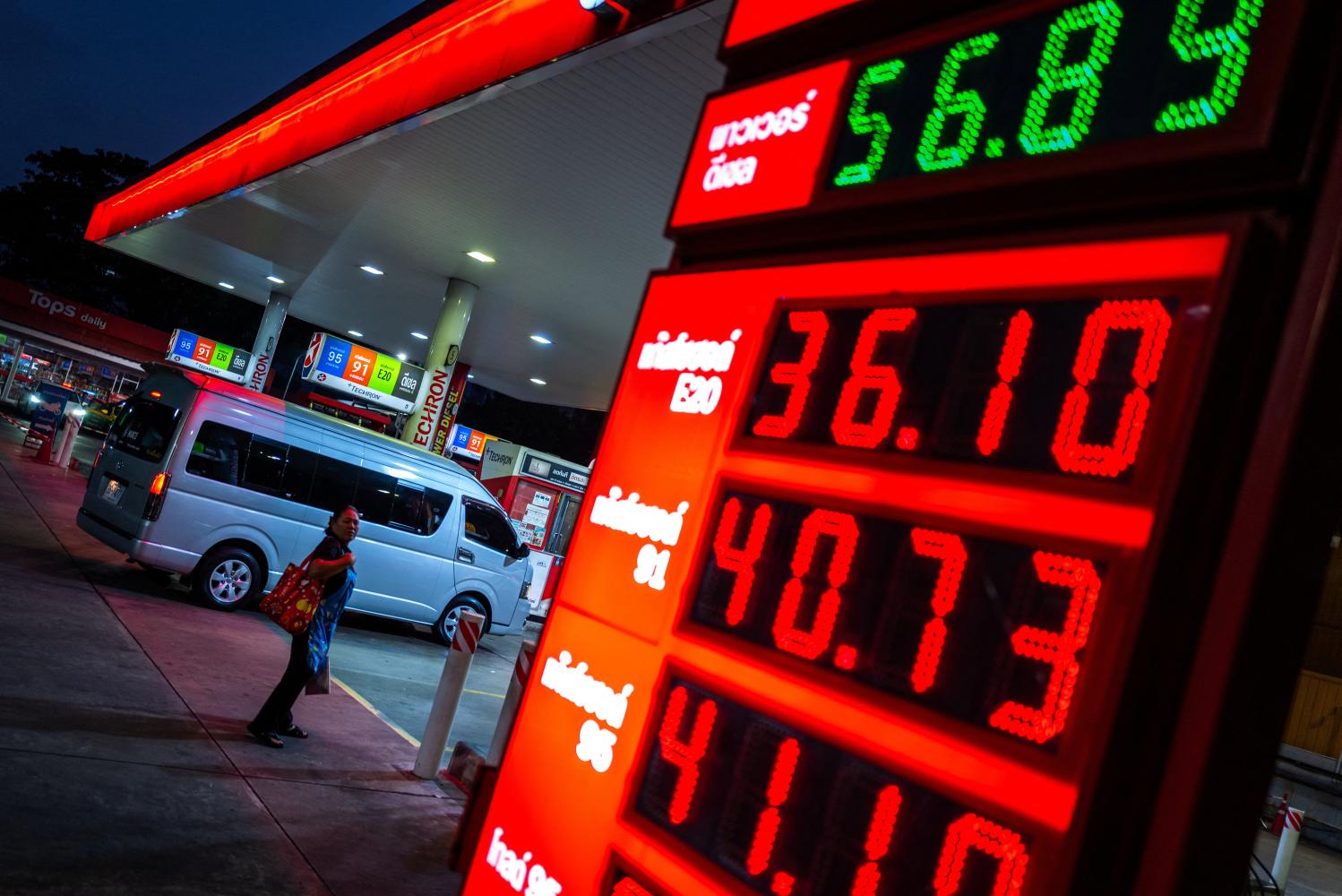
Some shock therapy or slow healing?
Oped, Chartchai Parasuk, Published on 02/04/2026
» Do readers prefer shock therapy or slow healing? This is not a health question, but an important economic one.

Trump goes off-script, US gone rogue
Oped, Thitinan Pongsudhirak, Published on 27/03/2026
» It was not supposed to work like this. "America First" and "Make America Great Again" (MAGA) were supposed to be about an inward turn to repair, replenish and rebuild an externally overstretched and internally weakened country, weighed down by unnecessary global entanglements, unsustainable national debt, and unimpeded mass migration. It seemed for a time that the MAGA movement to prioritise America above and beyond the international system and its constituent parts had found its final prophet in President Donald J Trump. But now, somehow, President Trump has betrayed the movement that has carried him to office by waging a disastrous war on Iran in cooperation with Israel.

Anutin's first big test
Oped, Editorial, Published on 23/03/2026
» The latest escalation in the Middle East targeting energy infrastructure is not merely another flurry of geopolitical tension, but a systemic shock to the global order with the potential to reverberate far beyond oil markets.
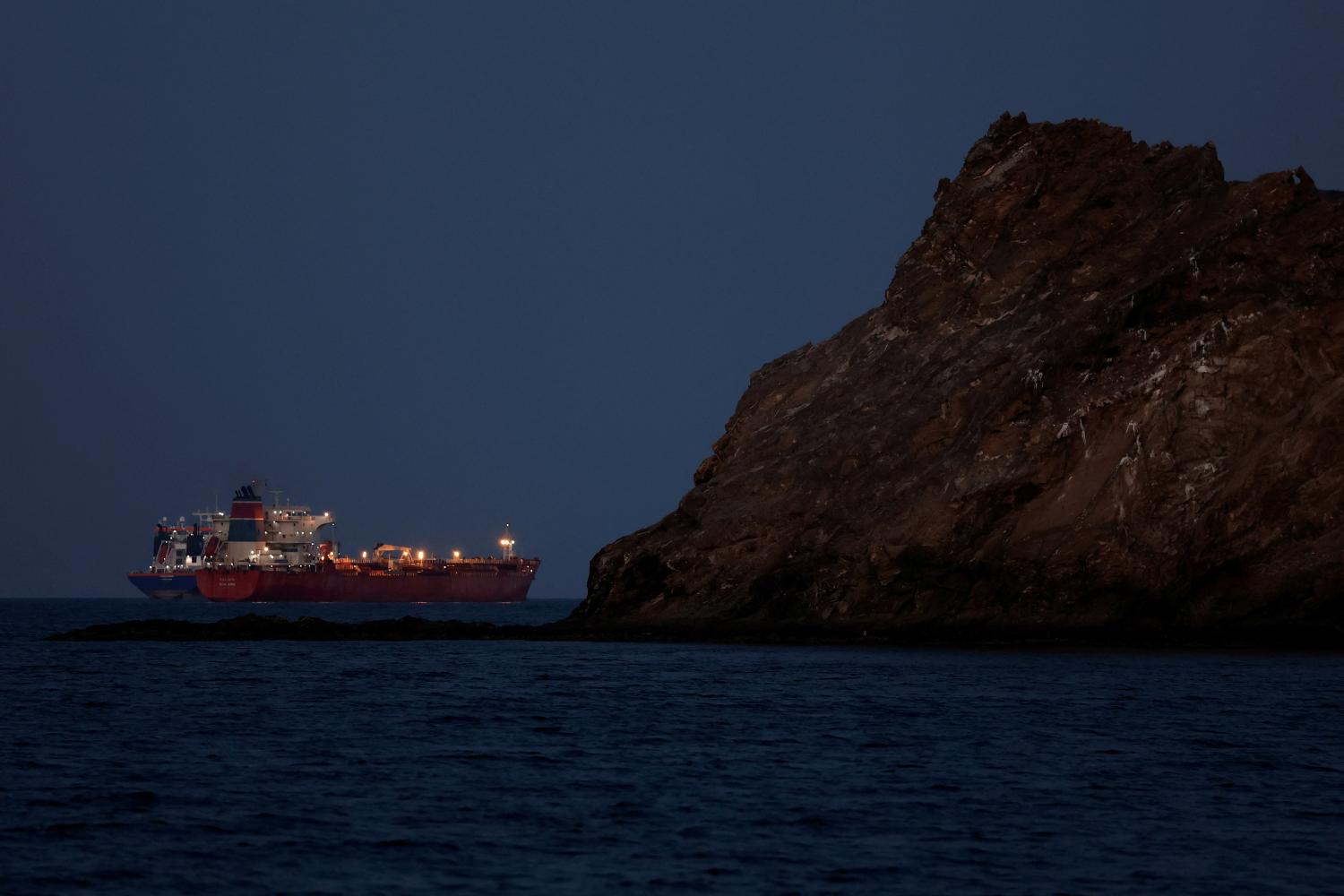
The Iran war is upending global energy markets
Oped, Carolyn Kissane, Published on 12/03/2026
» The war with Iran is widening faster than many expected. The Islamic Republic's retaliation against Arab Gulf states has extended beyond military targets to critical civilian infrastructure, including airports, water desalination plants, and energy facilities. Hezbollah has opened a second front from Lebanon. US President Donald Trump suggests that operations could last "four to five weeks", but with nearly 50 senior Iranian officials having been killed, it is unclear who might be positioned to negotiate an off-ramp.
Time for region to double down on green energy
Oped, Lidy Nacpil, Published on 06/03/2026
» The escalating instability in the Middle East has sent shockwaves through global energy markets, forcing Southeast Asian nations into a precarious position. While the region has made significant pledges to transition toward renewables, the threat of interrupted gas supplies and surging LNG prices is creating a dangerous incentive to prioritise immediate energy security over long-term climate goals.

Risk of crisis growing more acute
Oped, Chartchai Parasuk, Published on 05/03/2026
» This article is a follow-up to my previous piece titled "Fiscal deficit will trigger 2026 crisis". In that article, I argued Thailand's heavy dependence on external liquidity, combined with the government's need for 860 billion baht annually to finance its deficits, would lead to a severe liquidity shortage and, ultimately, a financial crisis.

Conscript deaths
Oped, Postbag, Published on 27/02/2026
» Re: "Senate probes conscript death case", (BP, Feb 24). The news that a Senate committee will inquire into the death of Pvt Phetcharat Kamlangying is a step in the right direction. But is it enough?
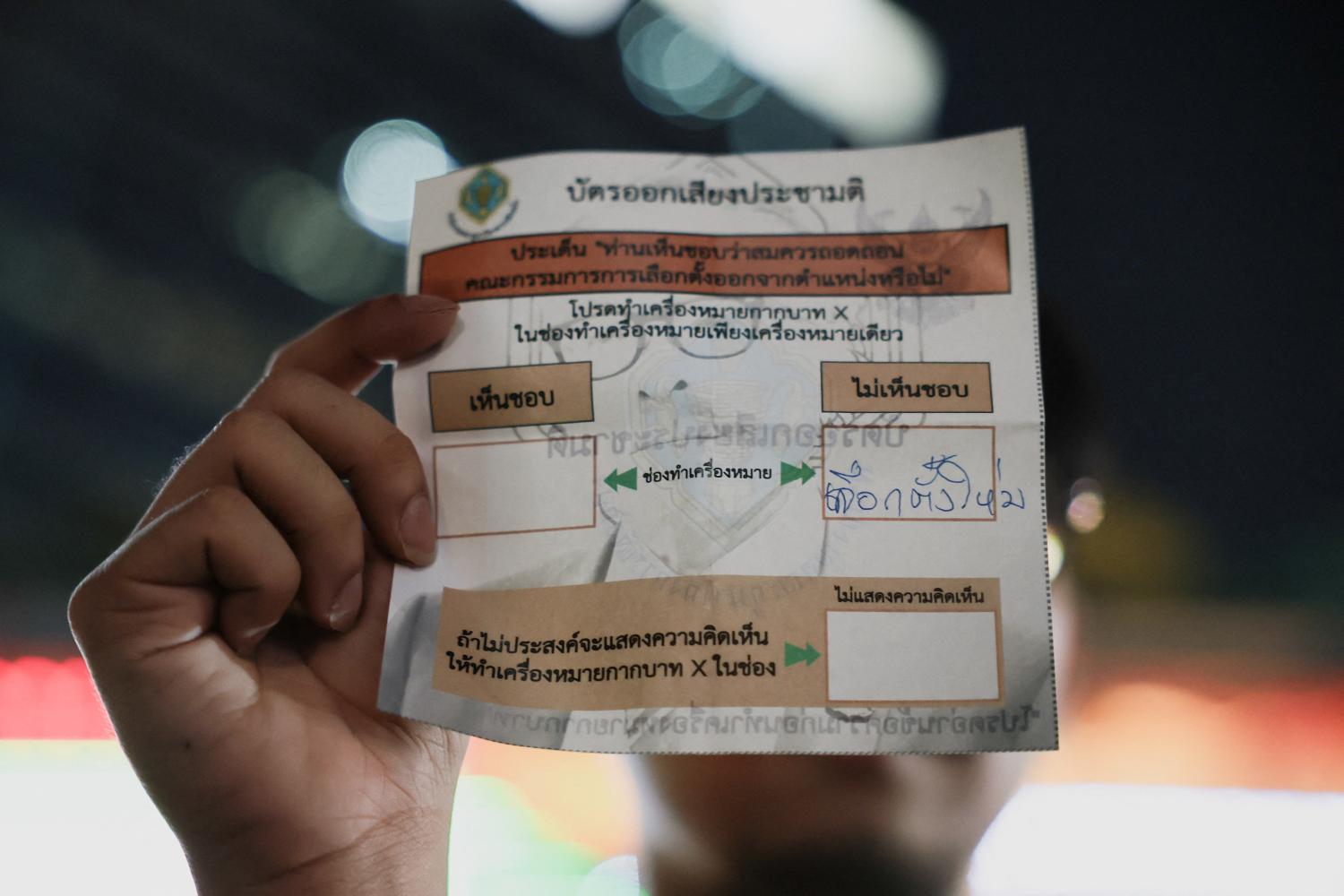
The gist of Thai politics over 20 years
Oped, Thitinan Pongsudhirak, Published on 20/02/2026
» Thailand's democratic institutions have been repressed and kept weak to the point that confusion still prevails almost two weeks after the Feb 8 election, which purportedly showed a clear victory for the ruling Bhumjaithai (BJT) Party under Prime Minister Anutin Charnvirakul. On the one hand, Mr Anutin and BJT stalwarts are busy forming a coalition government with other parties. On the other hand, fraud allegations from civil society groups and the opposition People's Party have reached a critical mass with the plausibility that the recent vote might be nullified to pave the way for a new poll.
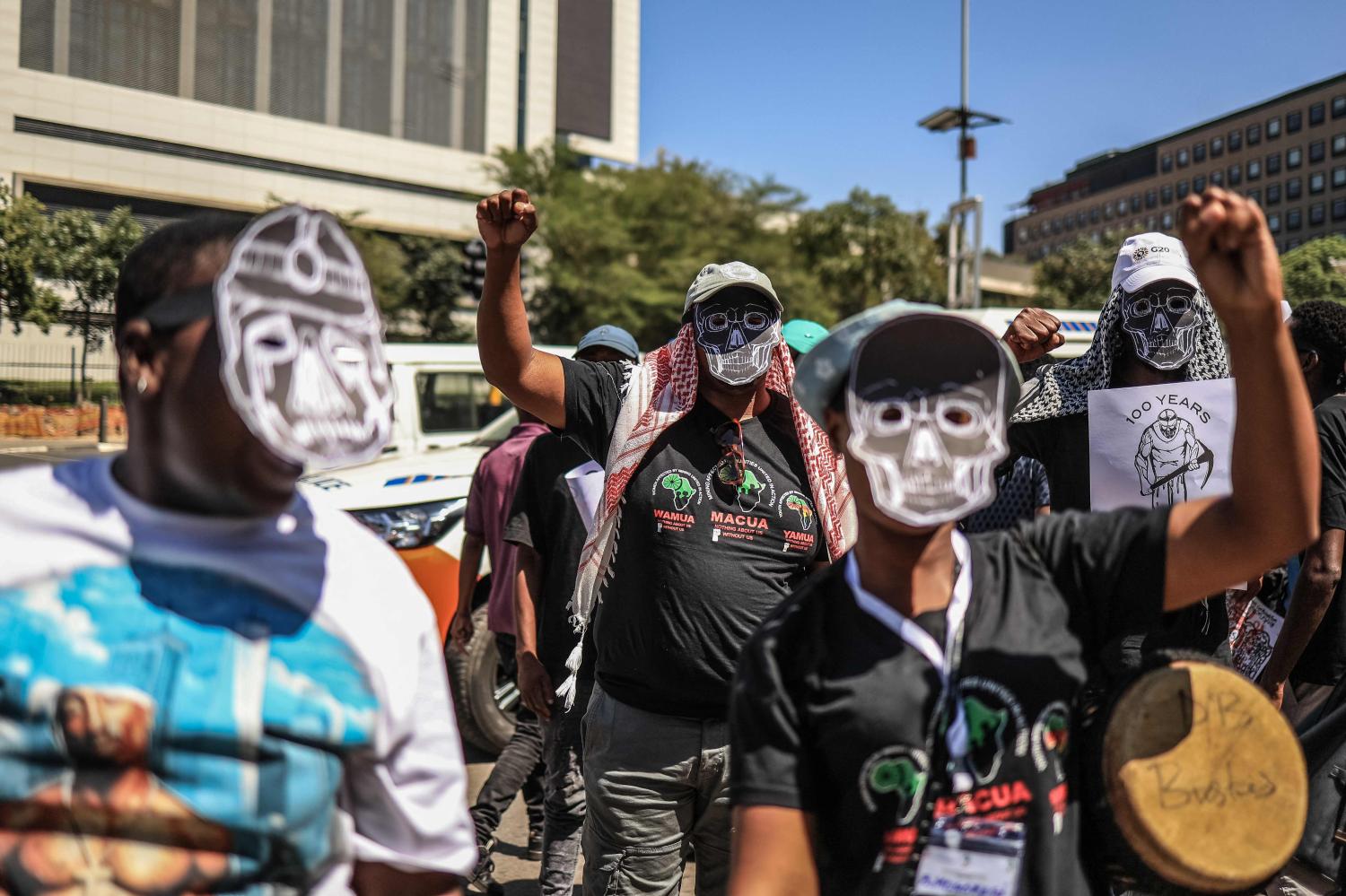
Why communities pay for mining
Oped, Christopher Rutledge, Published on 19/02/2026
» Last week, policymakers and industry executives of mining companies gathered in Cape Town for the annual African Mining Indaba. They followed a familiar script: governments would court investors, companies would promise jobs and growth, and champagne would flow as speakers tout Africa as indispensable to the global energy transition.
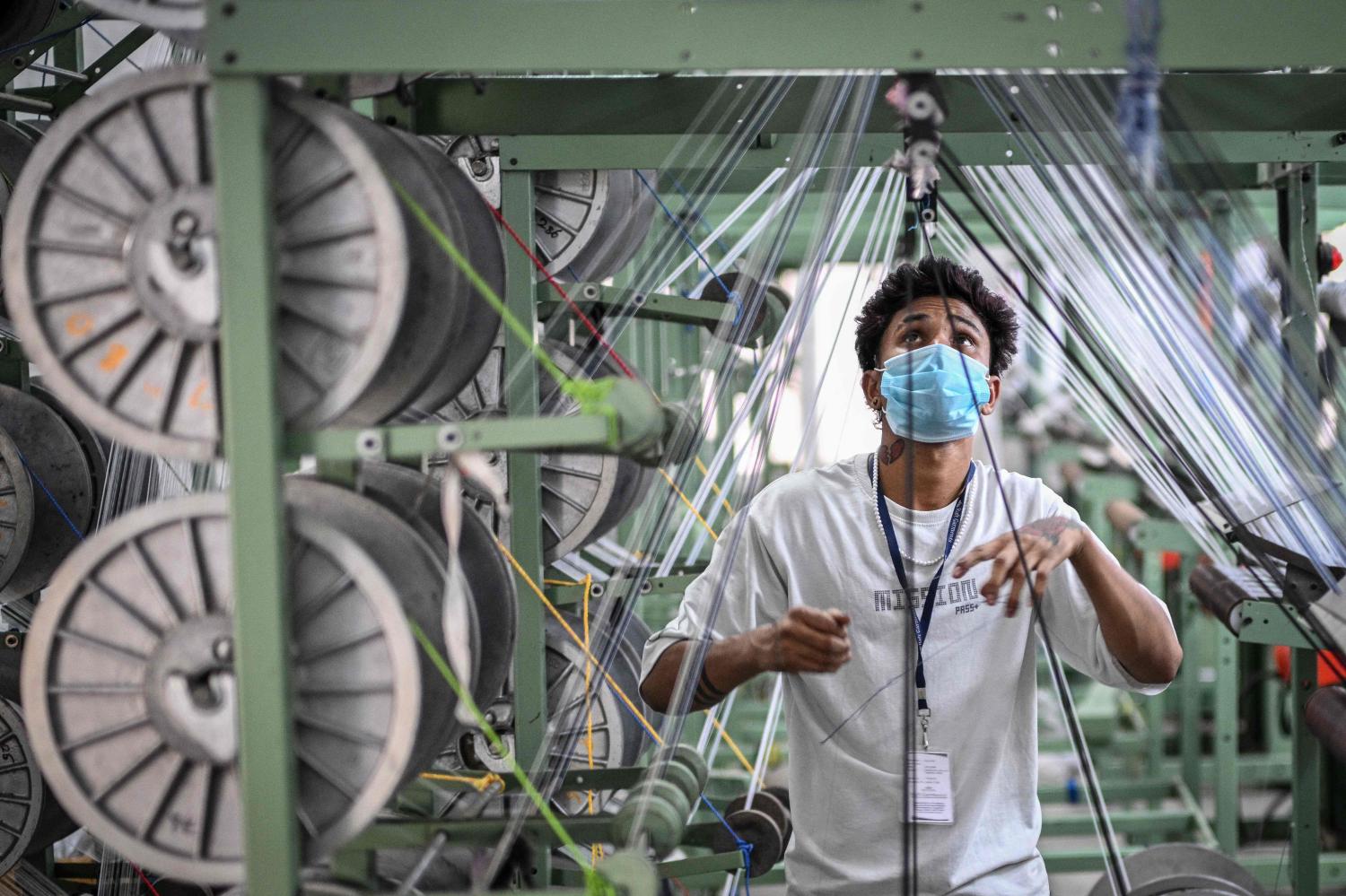
Emerging markets stand strong
Oped, Kristalina Georgieva and Mohammed Al-Jadaan, Published on 12/02/2026
» It used to be that when advanced economies sneezed, emerging markets caught a cold. That is no longer true. Following recent global shocks, such as the post-pandemic inflation surge and a new wave of tariffs, emerging markets have held up well. Inflation has continued to slow, currencies have generally retained their value, and debt issuance costs have remained at manageable levels. There has been no sign of the kind of financial turbulence that came with past economic shocks.