



Showing 1 - 10 of 165
Emerging markets stand strong
Oped, Kristalina Georgieva and Mohammed Al-Jadaan, Published on 12/02/2026
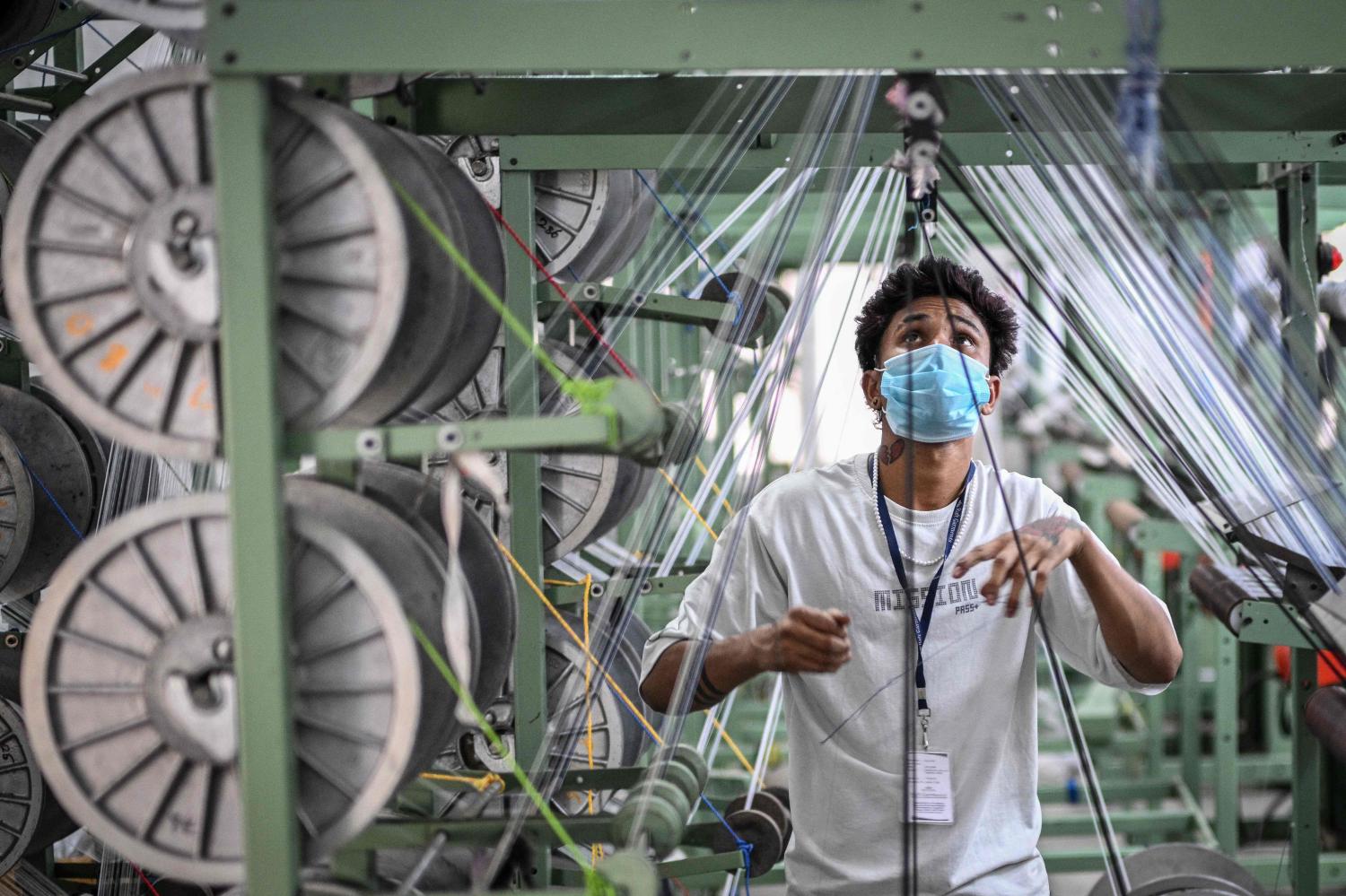
» It used to be that when advanced economies sneezed, emerging markets caught a cold. That is no longer true. Following recent global shocks, such as the post-pandemic inflation surge and a new wave of tariffs, emerging markets have held up well. Inflation has continued to slow, currencies have generally retained their value, and debt issuance costs have remained at manageable levels. There has been no sign of the kind of financial turbulence that came with past economic shocks.

Shaping Thailand's tourism future
Oped, Kulit Kiartsritara, Published on 22/01/2026
» The era of volume is dead. The next decade of Thai tourism will and must be shaped not by the number of arrivals, but by the economic value generated by those arrivals.

Philippines' crucial Asean test
Oped, Simon Hutagalung, Published on 21/01/2026
» The Association of Southeast Asian Nations (Asean) has its own administration. Member states take turns leading the organisation through an annual chairmanship, a system designed to give all members equal opportunities to shape regional priorities.

When infrastructure meets AI
Oped, Bertrand Badré & Saurabh Mishra, Published on 16/01/2026
» Infrastructure investment is booming. Around the world, governments are pouring trillions of dollars into roads, power grids, data centres, water systems, and housing, with many responding to intensifying climate shocks and the growing need for adaptation. Yet the construction industry -- the single largest force physically reshaping the planet -- is among the last major sectors to unlock all the benefits that digital technology offers. As a result, it accounts for about 21% of greenhouse-gas emissions, produces half of global landfill waste, and overspends by US$1.6 trillion a year.

Missed timing undermines Big Tech competition
Oped, Madhavi Singh, Published on 18/12/2025
» When a US federal judge ruled in late November that Meta does not maintain an illegal monopoly in social media, it was a reminder that even the strongest evidence can look weak when enforcers act too late.
Climate disasters demand swift action
Oped, Genevieve Donnellon-May, Published on 10/12/2025
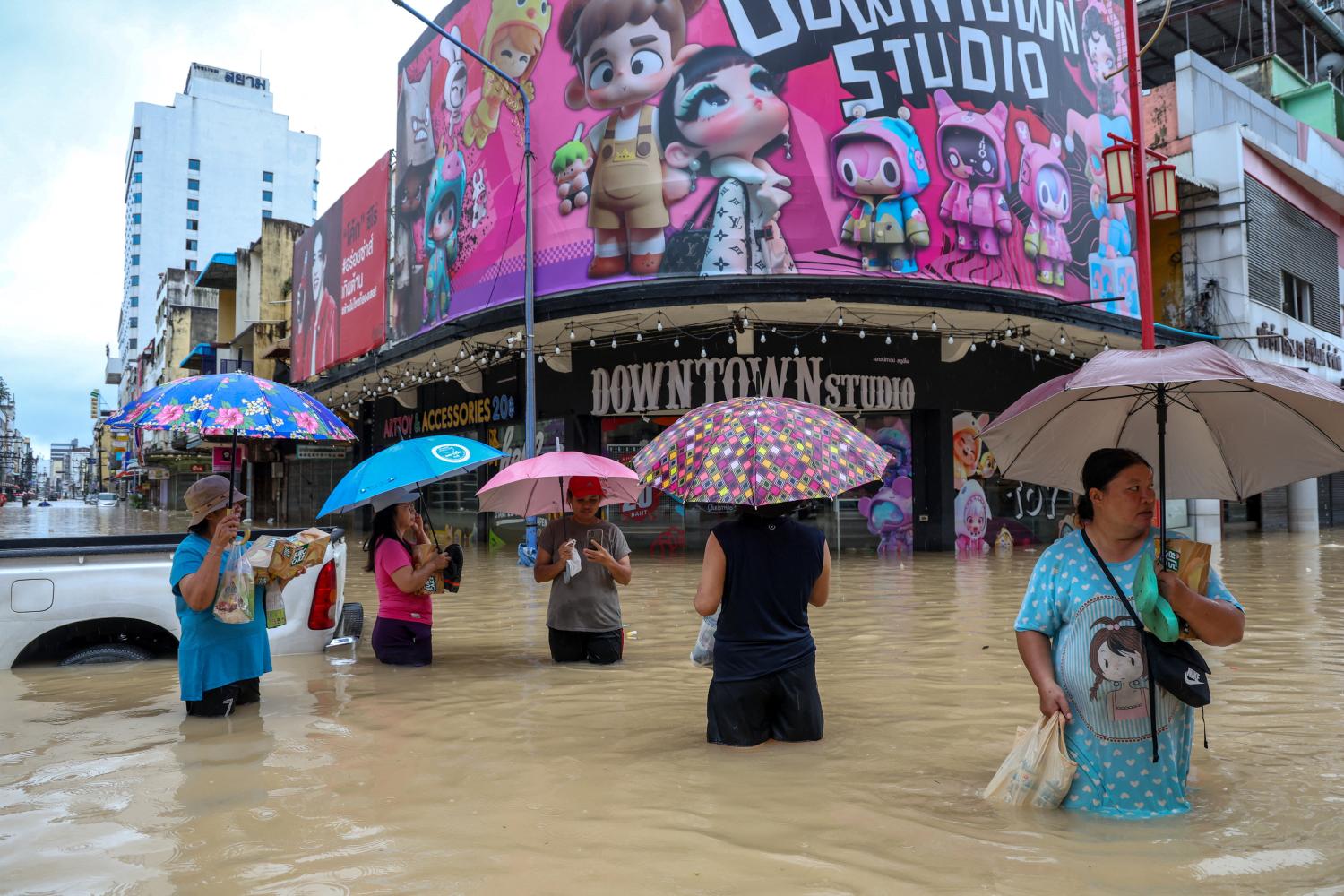
» Southeast Asia is in crisis. Less than a week after the United Nations Climate Change Conference (COP30) concluded in Brazil, the region is grappling with devastating floods and landslides, underscoring the urgent climate challenges that countries have repeatedly raised on the global stage.
Rethinking finance beyond aid
Oped, Justin Yifu Lin & Yan Wang, Published on 06/11/2025
» Traditional donors have sharply scaled back their aid commitments to developing countries over the past year. Some, like the United States, have virtually eliminated their aid programmes. According to the Organisation for Economic Co-operation and Development (OECD), official development assistance (ODA) from member countries declined by 7.1% in 2024, its first annual drop in six years.
Asean's moment of truth is now
Oped, Mari Elka Pangestu & Tan Sri Rebecca Fatimah Sta Maria, Published on 05/11/2025
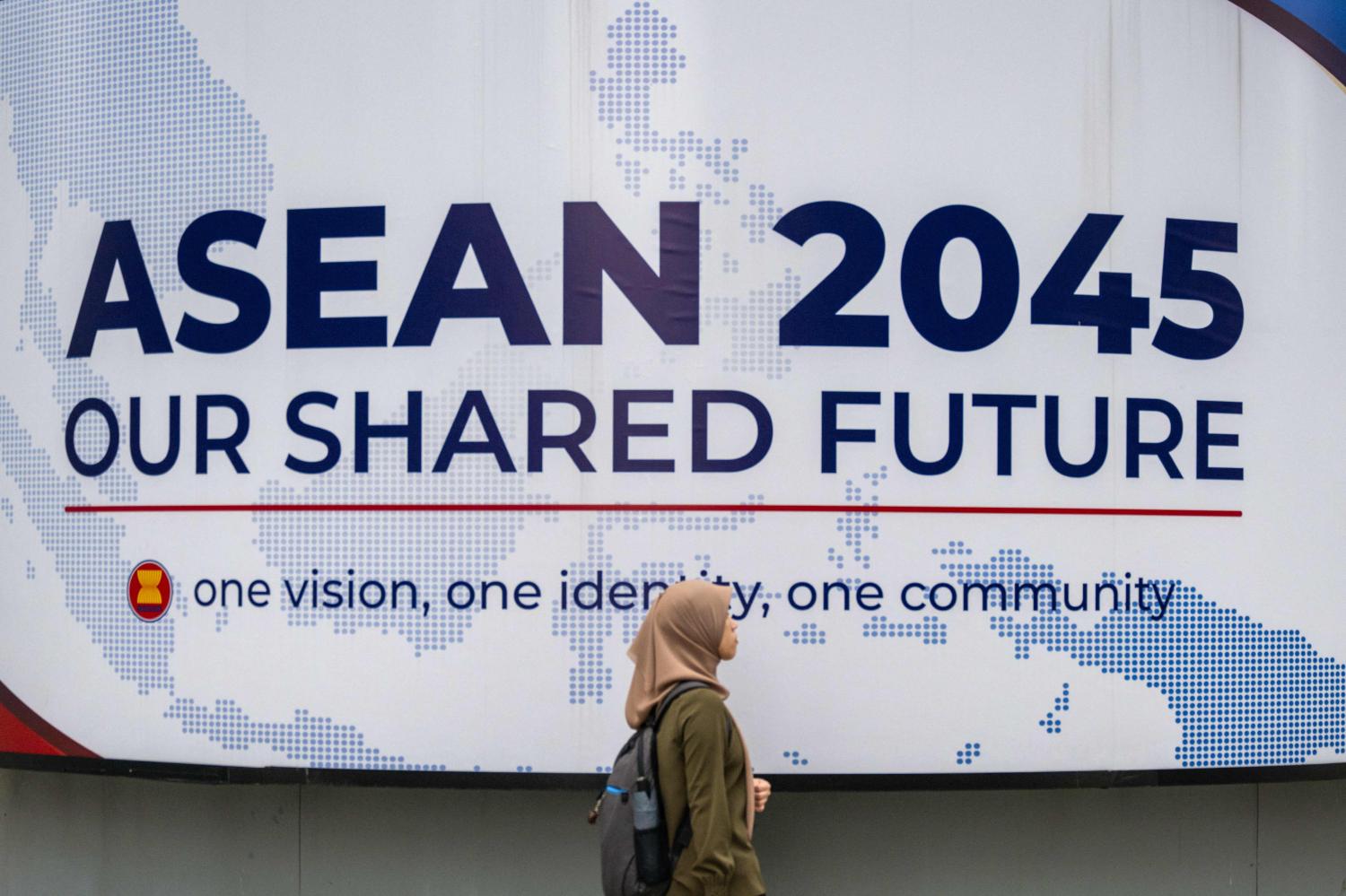
» For decades, integration into the global trading system has been vital to economic growth and development. Now, however, integration implies vulnerability, as powerful actors -- beginning with the US -- wield tariffs, export restrictions, and financial sanctions. For Southeast Asia, this turn of events represents both a warning and a call to action: countries must work together to shape their own destiny or others will decide their fate for them.

Asean's regroup requires deep reforms
Oped, Thitinan Pongsudhirak, Published on 17/10/2025
» If Asean's 58 years thus far have been about resilience and playing a central organising role in promoting regional security and stability, its next decade will determine whether the Southeast Asian bloc can adapt and remain relevant. After the crises in Myanmar and along the Thai-Cambodian border, Asean's credibility has never been more in doubt. To regain its effectiveness as Southeast Asia's one and only agency, Asean needs to move away from the ritualistic diplomacy of mundane meetings to far-reaching reforms that chart new ways of making things work.
Can ethical supply chains survive tariffs?
Oped, Joleen Ong, Published on 10/10/2025
» Recent geopolitical developments have underscored the fragility of global supply chains, reminding businesses in constantly evolving sectors like consumer goods and fashion that the strength of supplier relationships is one of the few persistent sources of resilience. Maintaining such relationships through responsible purchasing is not only ethical but strategically necessary.