



Showing 1 - 8 of 8
Time to invest more in women
Oped, María Fernanda Espinosa and Anita Bhatia, Published on 07/07/2025
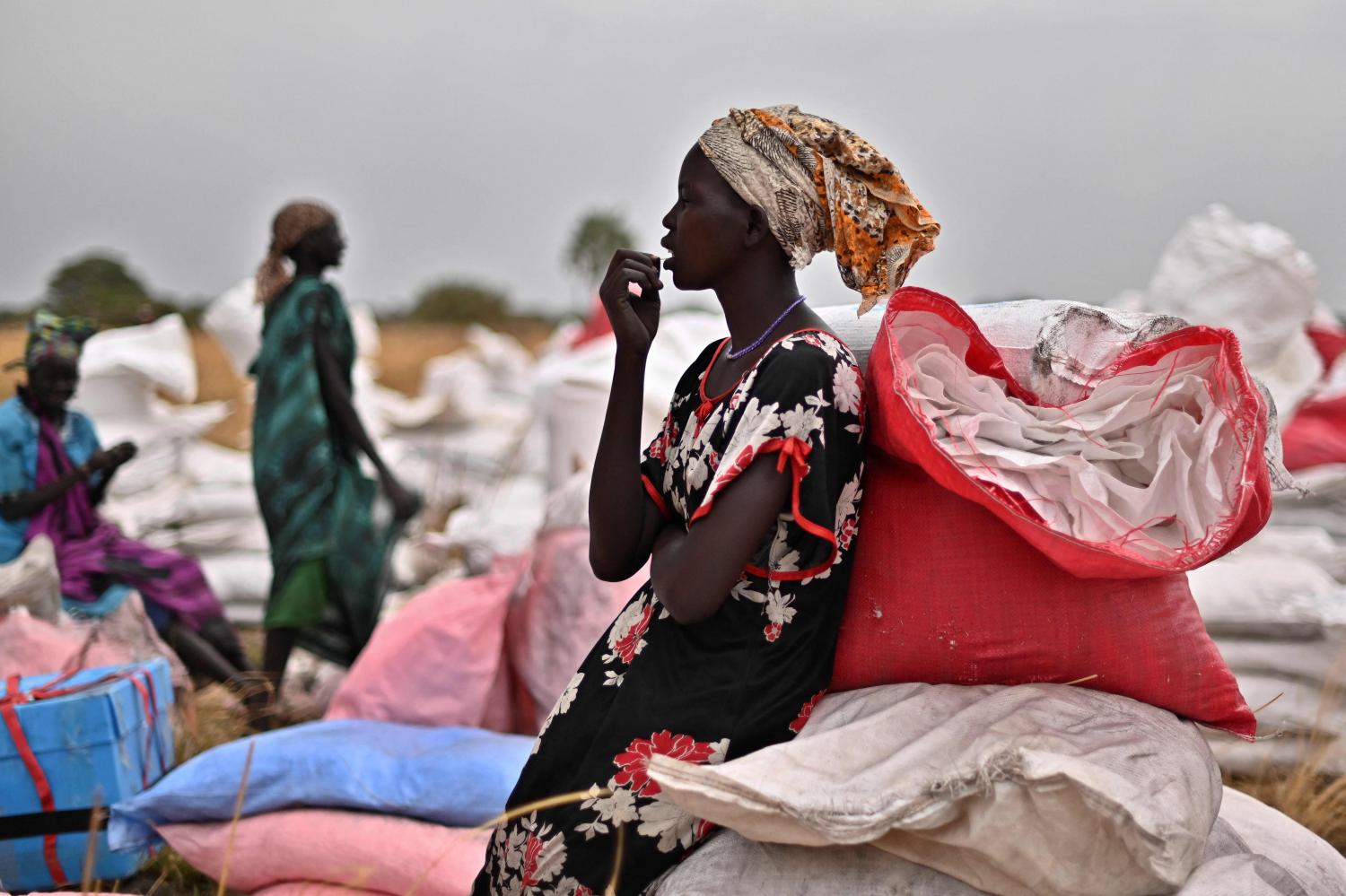
» The Fourth International Conference on Financing for Development (FfD4) in Seville, which ended on Thursday, has taken place at a time of escalating debt crises, rising poverty, declining food security and proliferating climate-related damage. These crises are all exacerbated by deep reductions in official development assistance (ODA), and they all disproportionately affect women and girls, especially in developing countries.

Developing nations face solvency crisis
Oped, Anne O. Krueger, Published on 08/01/2025
» High debt levels are again setting off alarm bells worldwide. In developed countries, attention is focused on the rapid increase in public debt, while developing economies are struggling to service their external obligations amid slowing growth and stagnating exports.

IMF must lead climate financing
Oped, Laurence Tubiana & Kevin P Gallagher, Published on 19/12/2023
» With their agreement at COP28 to "transition away from fossil fuels in energy systems", countries have made genuine progress on tackling climate change. But there is still much to do to mobilise the level of financing needed to turn the commitment into reality. International organisations -- especially the International Monetary Fund -- must step up. Though the IMF was relatively slow off the mark in the race to combat climate change, it has made great strides under Managing Director Kristalina Georgieva. But it must take its climate leadership much further.

Credit ratings and climate chaos
Oped, Emily Wilkinson & Kanni Wignaraja, Published on 13/12/2023
» The sun-drenched coral islands and reefs of the Maldives are in existential danger. With 80% of the country's population living just one metre above sea level, many islands could become uninhabitable as climate change causes the ocean's level to rise. By the end of this century, half a million people could be displaced. The Maldives is confronting this threat with a range of innovative adaptation initiatives, from restoring coral reefs to floating solar-power systems. But survival does not come cheap.

A world of debt is in need of more flexibility
Oped, Anne O. Krueger, Published on 30/05/2023
» Recent headlines seem to augur a global debt crisis. The US is teetering on the precipice of a self-inflicted default. Egypt, Ghana, Pakistan, and other countries face grave financial difficulties. And the Chinese are delaying or hampering multilateral efforts to restructure low- and middle-income countries' debt.

Smarter climate finance needed
Oped, Sumant Sinha, Published on 15/02/2023
» Recent estimates suggest that the developing world will need US$1 trillion of external climate finance annually by 2025, and $2.4 trillion per year by 2030, to meet the goals enshrined in the Paris climate agreement. But these targets will not be met unless international financial institutions and governments create stronger incentives, paying special attention to three key areas.

Sustainable ways to wipe out hunger by 2030
Oped, Maximo Torero, Published on 13/11/2021
» In 2015, 193 countries gathered at the United Nations and pledged to end global hunger by 2030 as part of the Agenda for Sustainable Development. With less than a decade to go, prospects for achieving this goal appear bleak. Improving them will require governments and the private sector to address the global food and environmental crises simultaneously.
3 narratives for smart liveable cities, post-Covid
Oped, Venkatachalam Anbumozhi, Published on 11/02/2021
» Cities are home to most of the world's population and where problems and solutions meet. They are centres of economic growth and innovation. However, the high concentration of people and economic activities in cities make them most vulnerable to various disasters, epidemics and pandemics. In several countries, the Covid-19 pandemic emerged from the cities and spread to rural areas via peri-urban and transport corridors. In Southeast and South Asia, around 70% of all reported infections are in urban areas. Furthermore, cities consume much of the national electricity and account for more than 60% of global carbon emissions. National efforts to successfully limit global warming hinge on cities. As a result, the decisions made by city mayors can have direct and immediate impacts on the health of people and the planet -- perhaps more than national or international policies.