



Showing 1 - 10 of 52

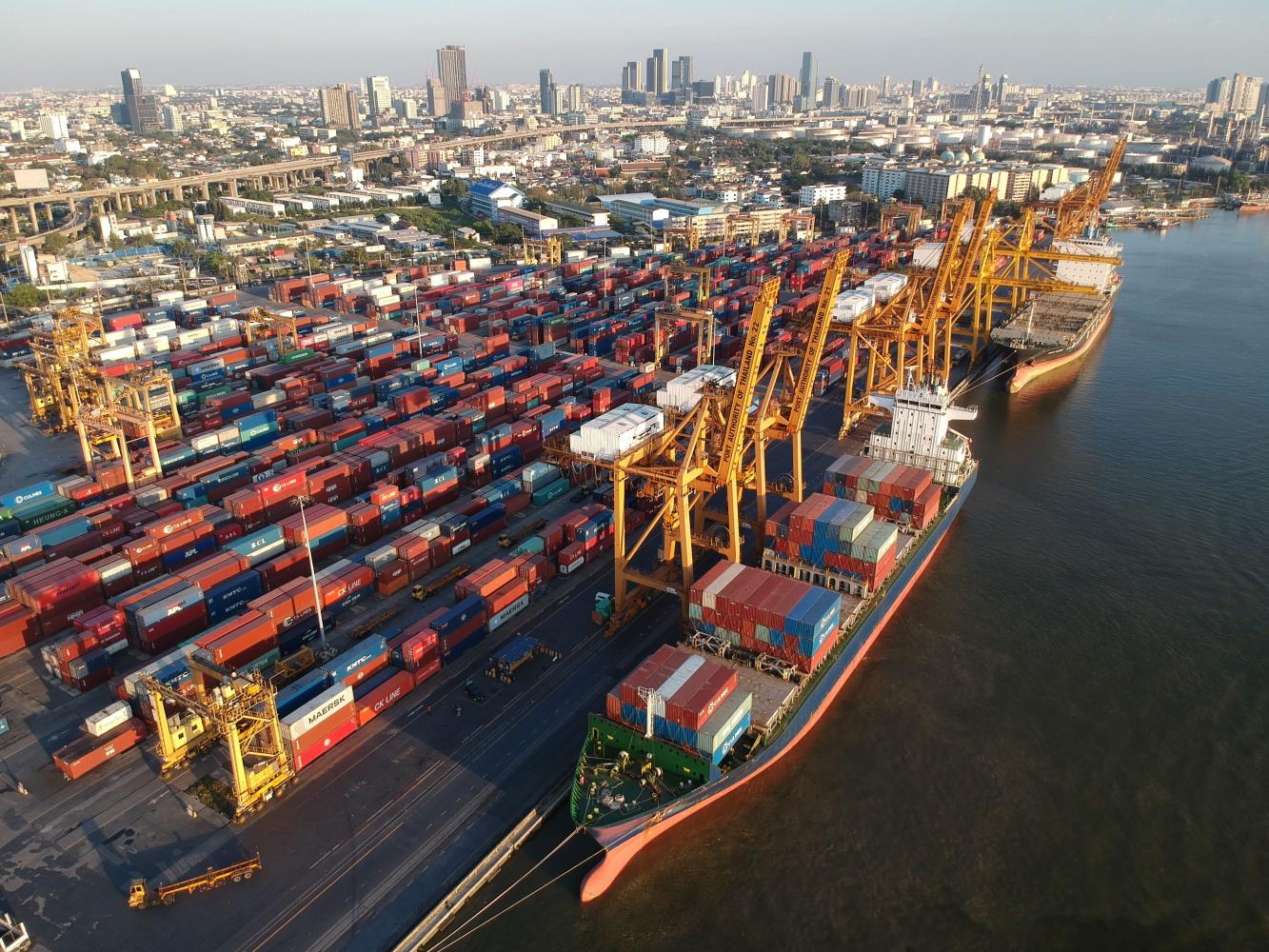
Thailand must manage debt to progress
Oped, Chartchai Parasuk, Published on 22/01/2026
» This article may be read as a continuation of my previous piece, Year of the Debt. That article focused mainly on household debt, which has already risen beyond the ability of Thai consumers to repay.
G20 must commit to debt relief
Oped, Olusegun Obasanjo, Published on 04/12/2025
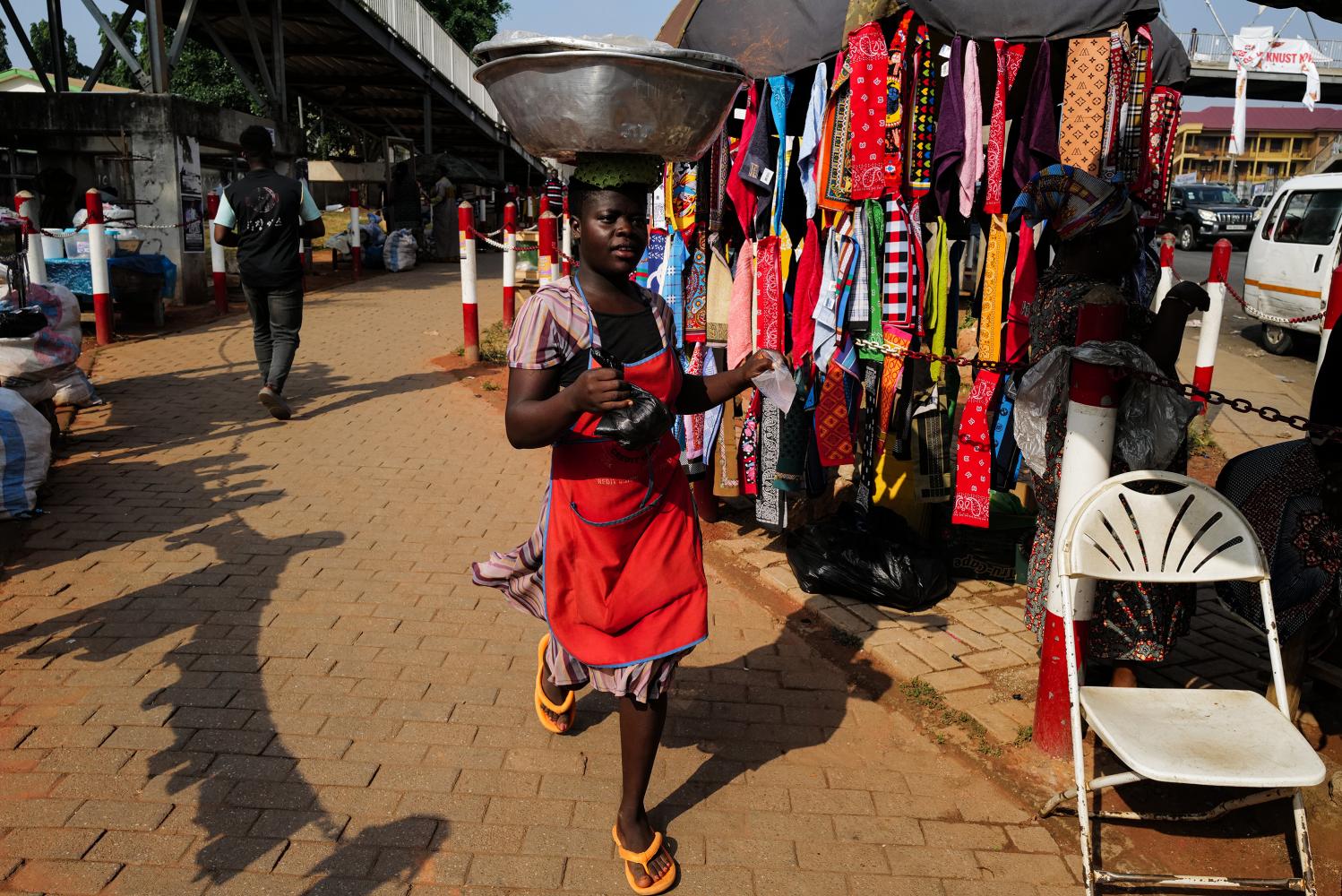
» As G20 leaders met in Johannesburg last month, they faced a grim reality: many developing-country governments are spending more than they can afford on debt service. To keep funds flowing to foreign creditors, policymakers have been forced to cut spending on education, health care, and infrastructure. These countries have so far avoided default, but at the expense of their own development.
Rethinking finance beyond aid
Oped, Justin Yifu Lin & Yan Wang, Published on 06/11/2025
» Traditional donors have sharply scaled back their aid commitments to developing countries over the past year. Some, like the United States, have virtually eliminated their aid programmes. According to the Organisation for Economic Co-operation and Development (OECD), official development assistance (ODA) from member countries declined by 7.1% in 2024, its first annual drop in six years.
Renminbi debt in a dollar-denominated world
Oped, Paola Subacchi, Published on 25/09/2025
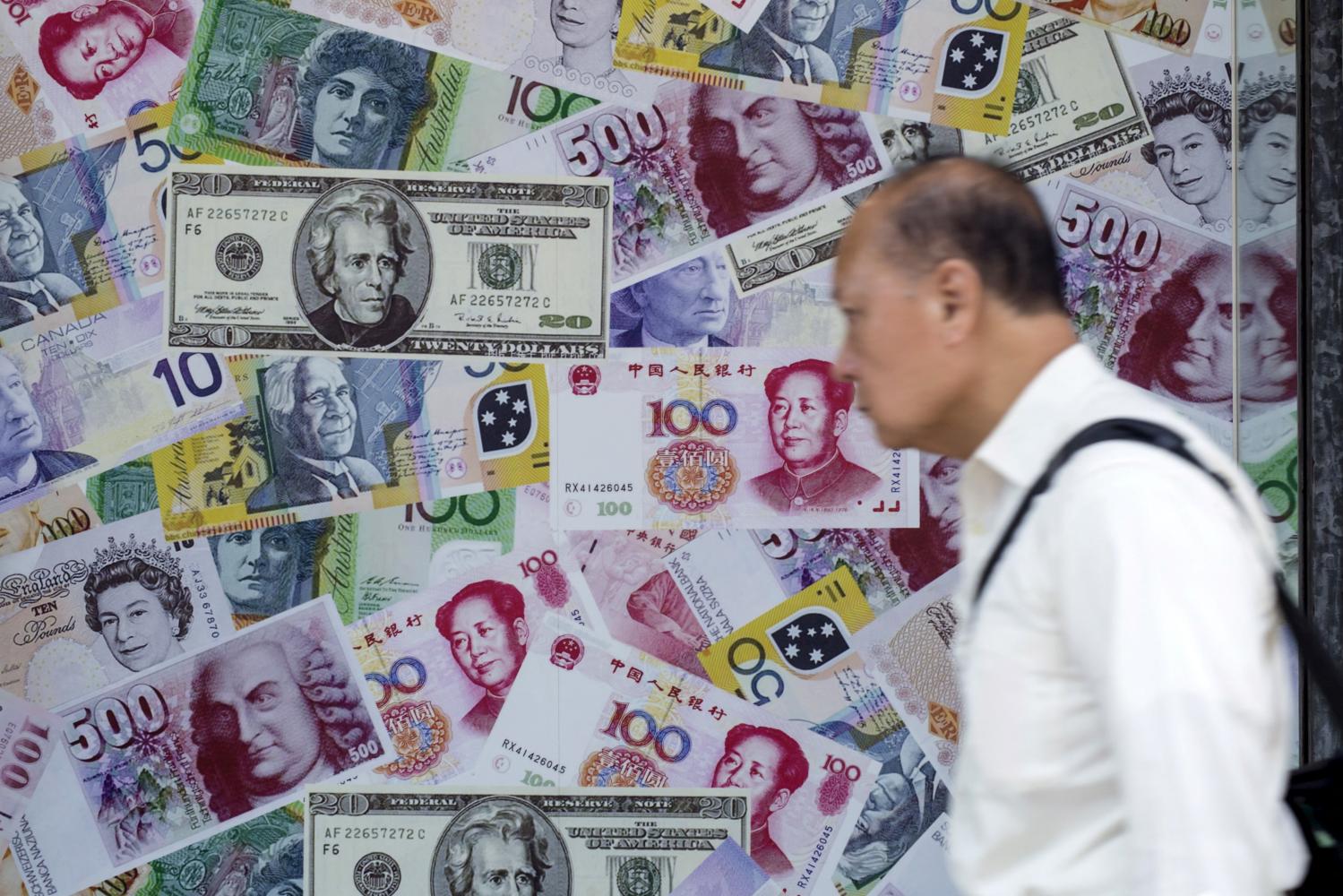
» When governments borrow on international markets, they do so overwhelmingly in US dollars. Roughly two-thirds of international debt issuance is denominated in foreign currencies, of which nearly half is in dollars and about 40% is in euros. The rest is spread across other currencies, including the Chinese renminbi.

Blended finance for climate action
Oped, Imran Arif, Published on 13/08/2025
» It takes policy support, commitment and also money to tackle climate change. For the latter, Thailand needs around 5-7 trillion baht in climate finance to achieve its carbon neutrality and net-zero emissions by 2050 and 2065, respectively. However, that's a target the country is still a long way away from.
Thai SMEs are in need of a lifeline
Oped, Dai Kadomae, Published on 07/08/2025
» Thailand's small and medium-sized enterprises (SMEs) are quietly suffering through a credit crunch with far-reaching implications. Despite accounting for over 90% of registered businesses, SMEs are finding it harder than ever to access capital. The economic recovery has been uneven, and traditional lenders -- still cautious after the pandemic -- are reducing risk exposure. But the core issue is not merely liquidity; it is the absence of a national system for reviving viable but stressed firms.

Resetting development finance
Oped, Carlos Cuerpo and Joseph E Stiglitz, Published on 03/07/2025
» At the Fourth International Conference on Financing for Development this week in Seville, delegates are calling for urgent action to fix a system that has stopped working. Prior to the third such gathering a decade ago, in Ethiopia, we had witnessed unprecedented advances towards reducing poverty, increasing school enrolment, and providing clean water worldwide. Today, however, progress is not only slowing but potentially stagnating -- or, worse, reversing.

US fiscal state is everyone's issue
Oped, Paola Subacchi, Published on 28/05/2025
» As Donald Trump's "big, beautiful" tax bill heads to the US Senate, investors everywhere are growing increasingly uneasy. On May 16, the credit-rating agency Moody's downgraded US sovereign debt from its long-held triple-A status to Aa1 -- following similar decisions by Standard & Poor's (in 2011) and Fitch Ratings (2023). Given the sheer volume of US debt -- which now stands at $36 trillion, or 124% of GDP -- and rising interest costs, these institutions have concluded that US debt metrics are no longer in line with those of similarly rated sovereigns.
Pakistan's best chance to save its economy
Oped, Aasim M Husain, Published on 17/05/2025
» As the military confrontation between Pakistan and India continues, Pakistan's economy could be caught in the crossfire. The ongoing crisis has fuelled concerns that India may try to halt the flow of the Indus River into Pakistan -- a threat that Pakistan's struggling economy can ill afford.

Ability to pay key to debt restructuring
Oped, Chartchai Parasuk, Published on 03/04/2025
» Last week's earthquake has provided Thais with two valuable lessons. First, Thailand has no national disaster management plan. No government agency seems to have had carefully thought-out plans and procedures to manage the situation. All measures were carried out on an ad-hoc basis. Worse, there appears to be no coordination among various agencies. Thais were left to rely on their own two feet as thousands of Bangkokians had no choice but to walk for hours to their homes when the mass transit railways were shutdown.