




Showing 1 - 10 of 13
‘US Plus One’ trade strategy gains ground
News, Karnjana Karnjanatawe, Published on 13/11/2025
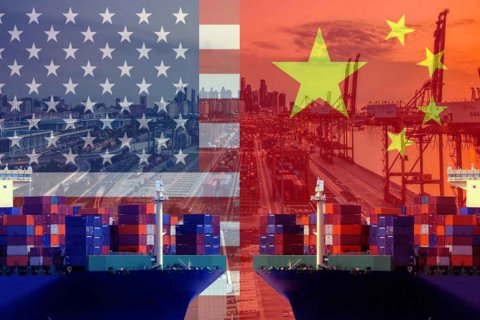
» Amid US-China trade tensions, third countries such as Japan or Asean members are embracing a so-called "US Plus One" business strategy, diversifying partners and taking advantage of tariff gaps to expand exports and strengthen economic resilience despite Trump-era uncertainties.

Dollar haven status may always have been a mirage
News, Mike Dolan, Published on 10/09/2025
» The dollar's sharp drop in April during a burst of tariff-related financial stress called into question what many had assumed to be its critical function as a safety trade. Some now wonder whether that haven status was ever truly warranted.

G7's campaign against China could backfire
News, Lili Yan Ing, Published on 23/10/2023
» On Oct 28–29, Japan will host the G7 Trade Ministers' Meeting in Osaka. The primary focus of the gathering will be improving supply-chain resilience and strengthening export controls on critical minerals and technologies. But China's "economic coercion", particularly the widespread disruption caused by its non-transparent and market-distorting industrial policies, is also expected to be high on the agenda.
Thai solar panel factories accused of being China's tax proxies
News, Phusadee Arunmas, Published on 20/09/2021
» An American solar panel manufacturer has called on the US Department of Commerce to scrutinise 14 factories in Thailand, Vietnam and Malaysia over allegations that they have been complicit in the prohibited rerouting of exports from China that would otherwise be subject to far higher US taxation.
Push for online ID law a mistake
News, Kyung Sin Park, Published on 14/06/2021
» News that the Thai government may be considering implementing an internet real name law for social media platforms, to monitor so-called fake news and online harms, is alarming. I know because my country, South Korea, tried the same thing a decade ago and I was part of the process that lead to it being struck down by the Constitutional Court as unconstitutional in 2012.
Asean must not give up on India ... yet
News, Kavi Chongkittavorn, Published on 10/12/2019
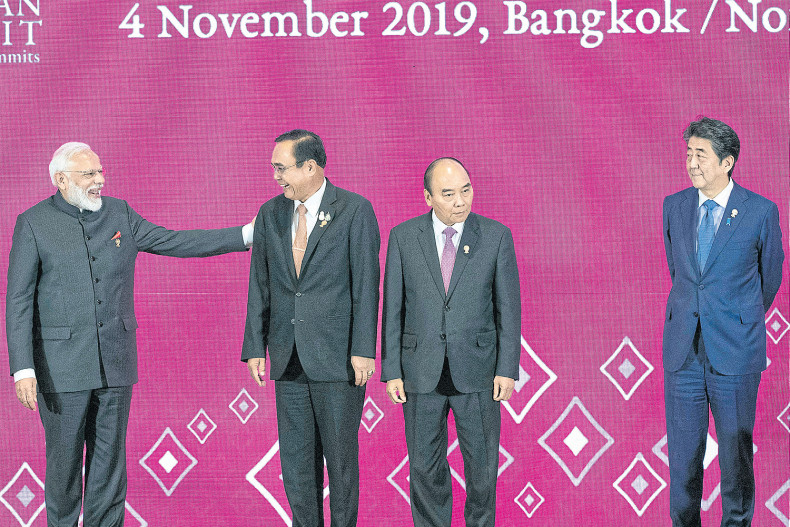
» Japanese Prime Minister Shinzo Abe is flying to New Delhi next week to meet up with Indian Prime Minister Narendra Modi. His mission is to convince India to take up the Regional Comprehensive Economic Partnership (RCEP), for which negotiations were last month completed in Bangkok after seven years. In the wee hours before the official announcement on Nov 4, Mr Modi told Thai Prime Minister Prayut Chan-o-cha that he would personally like very much to sign the pact but India was not yet ready, reiterating that further consultations were still required at home at this crucial juncture. The Asean chair, Thailand, accommodated India's request.
Thai chairmanship ends on upbeat note
News, Thitinan Pongsudhirak, Published on 01/11/2019
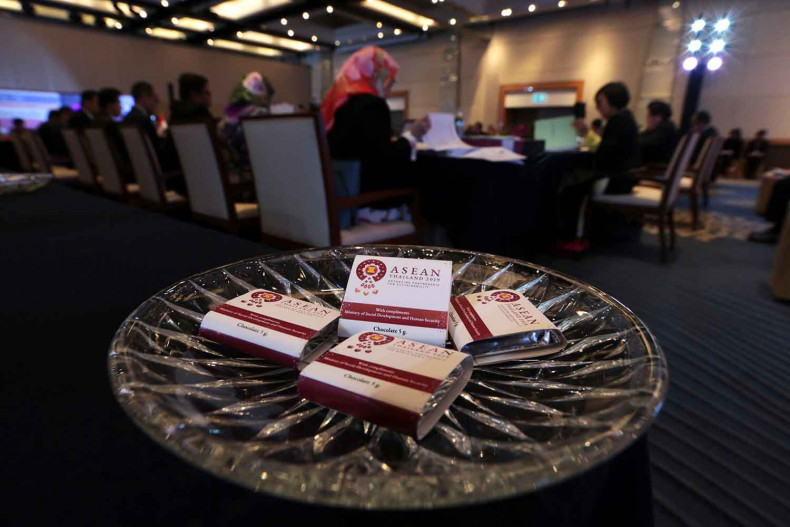
» Just as Thailand's chairmanship of Asean is about to end and a flurry of Asean-related summits are about to transpire, this year has been more eventful for Southeast Asia's 10-member grouping than anticipated. Despite its domestic constraints, Thailand has managed to steer the sometimes unwieldy ship of Asean with limited propulsion and direction. If Vietnam as the next chair can build on momentum from this year, Asean might just be able to regain and reboot its role in the near term as the de facto bridge, broker and buffer for the wider Indo-Pacific region, notwithstanding its usual warts and flaws.
Thailand a new fulcrum for big hitters
News, Kavi Chongkittavorn, Published on 30/07/2019
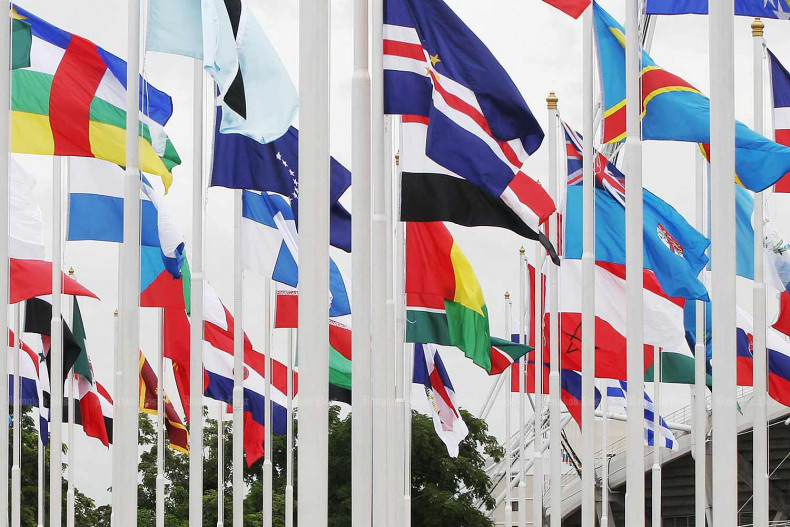
» Is it by design or default that foreign ministers of the world's three most powerful nations are making their official visits to Thailand at the same time? It does not matter actually. First of all, they are scheduled to be here to attend the Post Ministerial Meeting, East Asian Foreign Ministerial Meeting and Asean Regional Forum anyway. That was it. But the US, China and Russia want to have their presence felt strongly, stating that their trips would be official ones, not at the working level like those of other dialogue partners.
Seeing Asean straight as Thailand chairs
News, Thitinan Pongsudhirak, Published on 21/06/2019
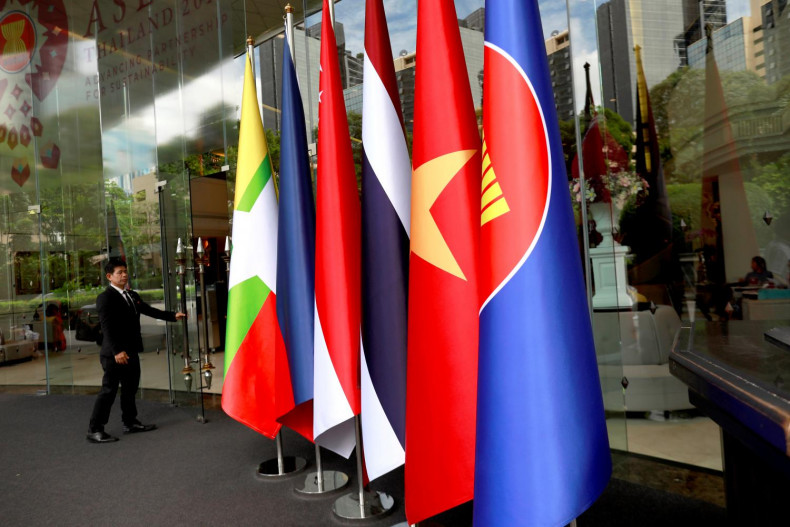
» When Asean organises big meetings, the tendency for the host is to talk up a brouhaha. So it goes with the 34th Asean summit under Thailand's rotating chairmanship this year. By year's end, several hundred Asean-related meetings will have taken place, highlighted by the final annual summitry in October-November that will include top leaders from China, India, Japan, Russia, the United States, among others.
Spectre of debt leaves migrant workers ill at ease
News, Dana Graber Ladek, Published on 15/06/2019
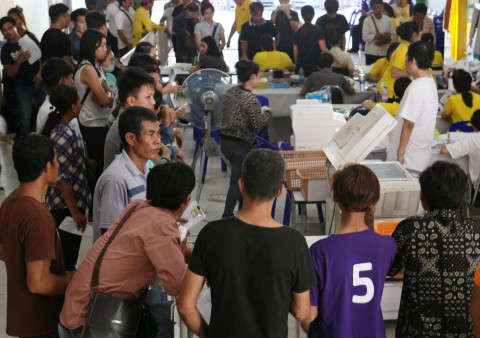
» The International Day of Family Remittances -- celebrated on the 16th of June each year -- recognises the efforts of 200 million migrants across the world who send home billions of dollars which sustains 800 million people in their home countries. Remittances are a major contributor to development and approximately 40% of them go to rural areas where poverty is a pressing issue.