



Showing 1 - 10 of 47
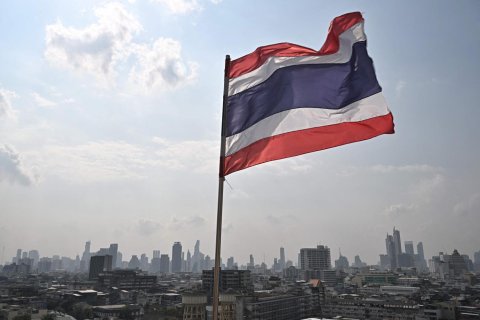
Reinvent Thailand to revive growth
Oped, Boonwara Sumano, Published on 11/02/2026
» In the 1990s, Thailand ranked second in Asean for state performance, behind only Singapore. Today, we trail several neighbours. This decline has unfolded gradually over three decades -- through repeated economic crises, institutional stagnation, and reforms that never quite went far enough. What is different today is that the cost of inaction has become far more dangerous.

Another wasted year in Thai politics
Oped, Thitinan Pongsudhirak, Published on 26/12/2025
» As Thailand winds down 2025 with an early election looming on Feb 8, the most consequential issue to watch in the coming year will be whether recent topsy-turvy political patterns of polls, protests, and military and judicial interventions give way to a compromise between the old guard clinging on to vested interests and the new generation clamouring for reform and change.
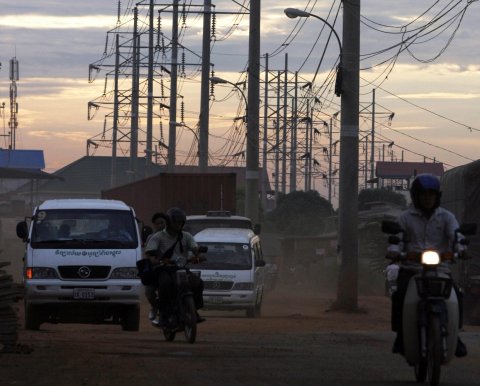
Building an energy resilient bloc
Oped, Fajar Ikhsandy, Ignatius Primadi Limin, Mahila Shabira, Weilie Winaldy Sugianlie, Published on 11/11/2025
» According to our latest projection, electricity demand in Asean will reach around 173 million tonnes of oil equivalent (Mtoe), or about 2,000 terawatt-hour (TWh), in 2050 -- roughly 1.6 times higher than the 2023 level.

Asean's regroup requires deep reforms
Oped, Thitinan Pongsudhirak, Published on 17/10/2025
» If Asean's 58 years thus far have been about resilience and playing a central organising role in promoting regional security and stability, its next decade will determine whether the Southeast Asian bloc can adapt and remain relevant. After the crises in Myanmar and along the Thai-Cambodian border, Asean's credibility has never been more in doubt. To regain its effectiveness as Southeast Asia's one and only agency, Asean needs to move away from the ritualistic diplomacy of mundane meetings to far-reaching reforms that chart new ways of making things work.

Reshuffle a bad sign
Oped, Editorial, Published on 17/10/2025
» The mass reshuffle involving 45 senior officials under the Interior Ministry, including provincial governors and department heads, is causing a stir.
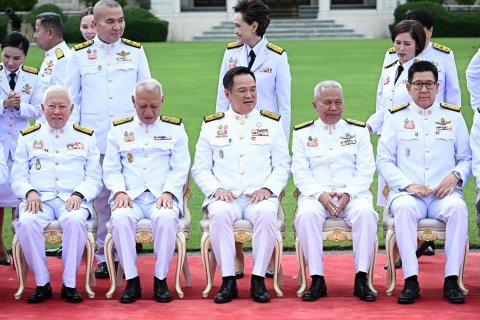
Anutin's new cabinet is a mixed bag
Oped, Thitinan Pongsudhirak, Published on 26/09/2025
» The composition and size of Prime Minister Anutin Charnvirakul's 36-member cabinet suggest that he intends to stay in office for as long as possible, clinging to the terms of the government-enabling Memorandum of Agreement (MOA) and calling an early election only if circumstances make it unavoidable.
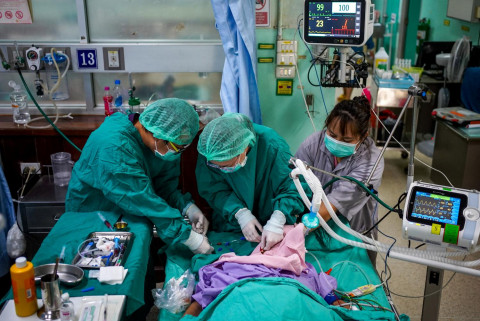
Instability hurts refugees' hopes
Oped, Thanida Piyachot, Published on 09/09/2025
» Thailand's political situation has remained tense since the violent clashes that erupted along the Thai-Cambodian border, which fueled a wave of right-wing nationalism and boosted the military's popularity. This was followed by the Constitutional Court's ruling to dismiss Paetongtarn Shinawatra, the prime minister, on charges of ethical misconduct, which forced the entire cabinet to step down.

Thailand's costly political shenanigans
Oped, Thitinan Pongsudhirak, Published on 22/08/2025
» In a country of 70 million where a handful of men can remove an elected government time and again, there can be no stability and progress, only tension and regression. This is how Thailand can be characterised over the past two decades. It is now going through yet another cycle of heightened political instability with the potential collapse of the government under suspended Prime Minister Paetongtarn Shinawatra in the footsteps of previous leaders who were similarly ousted by the Constitutional Court.
Should the US join China's WWII event?
Oped, Philip J Cunningham, Published on 21/07/2025
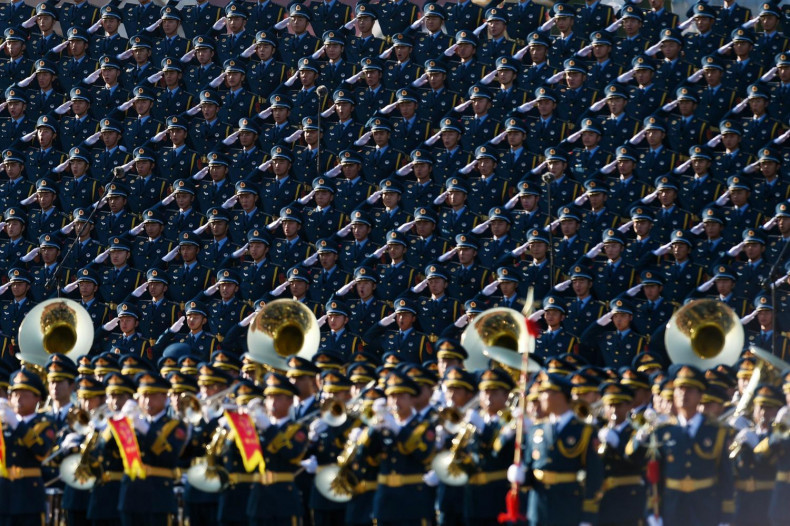
» The latest Victory Day parade in Moscow marking the 80th anniversary of Germany's independence defeat in May will be bookended in the upcoming September with a commemorative parade at Tiananmen Square in Beijing marking the defeat of Japan.
High rates hurt public healthcare
Oped, Serah Makka and Rosemary Mburu, Published on 14/07/2025
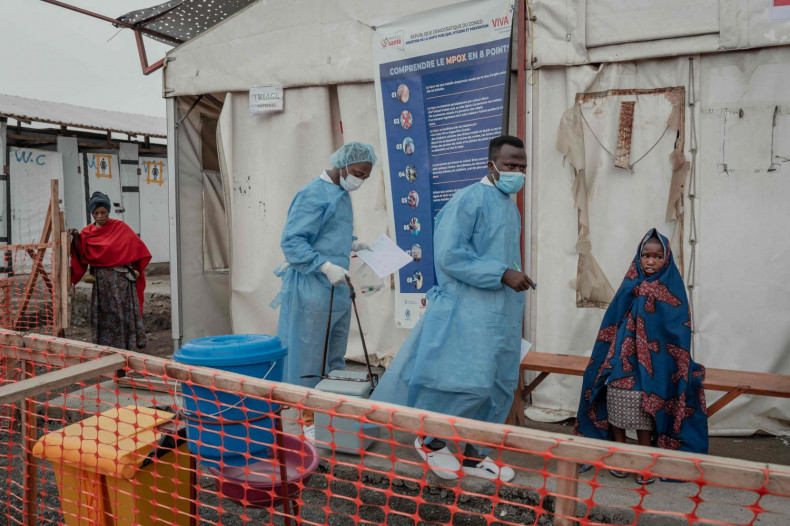
» May's 78th World Health Assembly (WHA) -- the annual meeting of the World Health Organization's member states -- ended on a self-congratulatory note. From an agreement on pandemic preparedness to increases in assessed contributions to the WHO, there were plenty of achievements to tout. But there was an elephant in the room, hiding behind a banner reading "One World for Health": the high borrowing costs faced by African countries.