




Showing 1 - 10 of 1,349
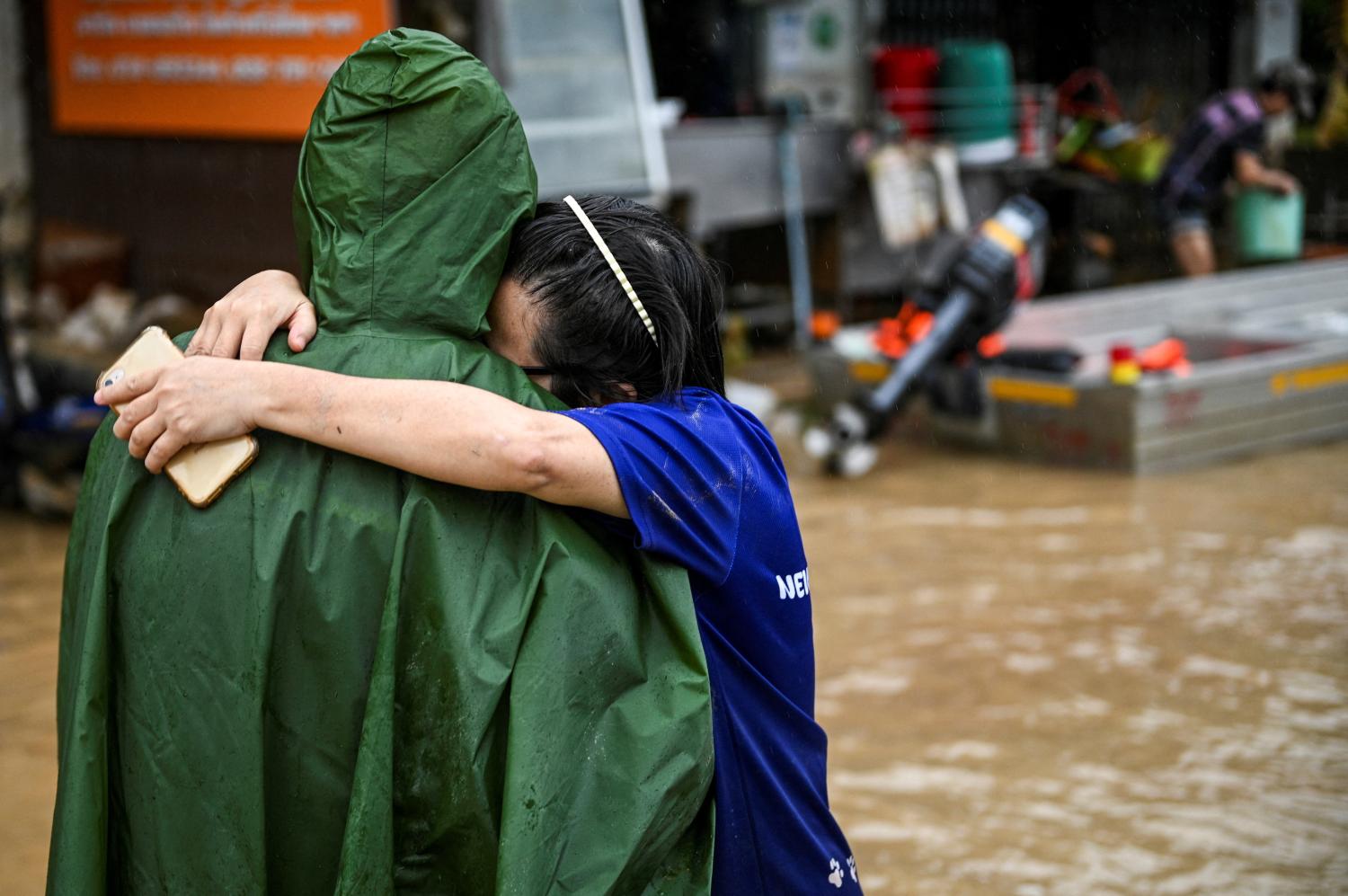
Building readiness for climate loss
Oped, Chayapat Patarapanchai, Published on 22/04/2026
» The floods that submerged Hat Yai were not just another natural disaster. They were a warning sign that climate change is now hitting harder and faster than Thailand can keep up with.
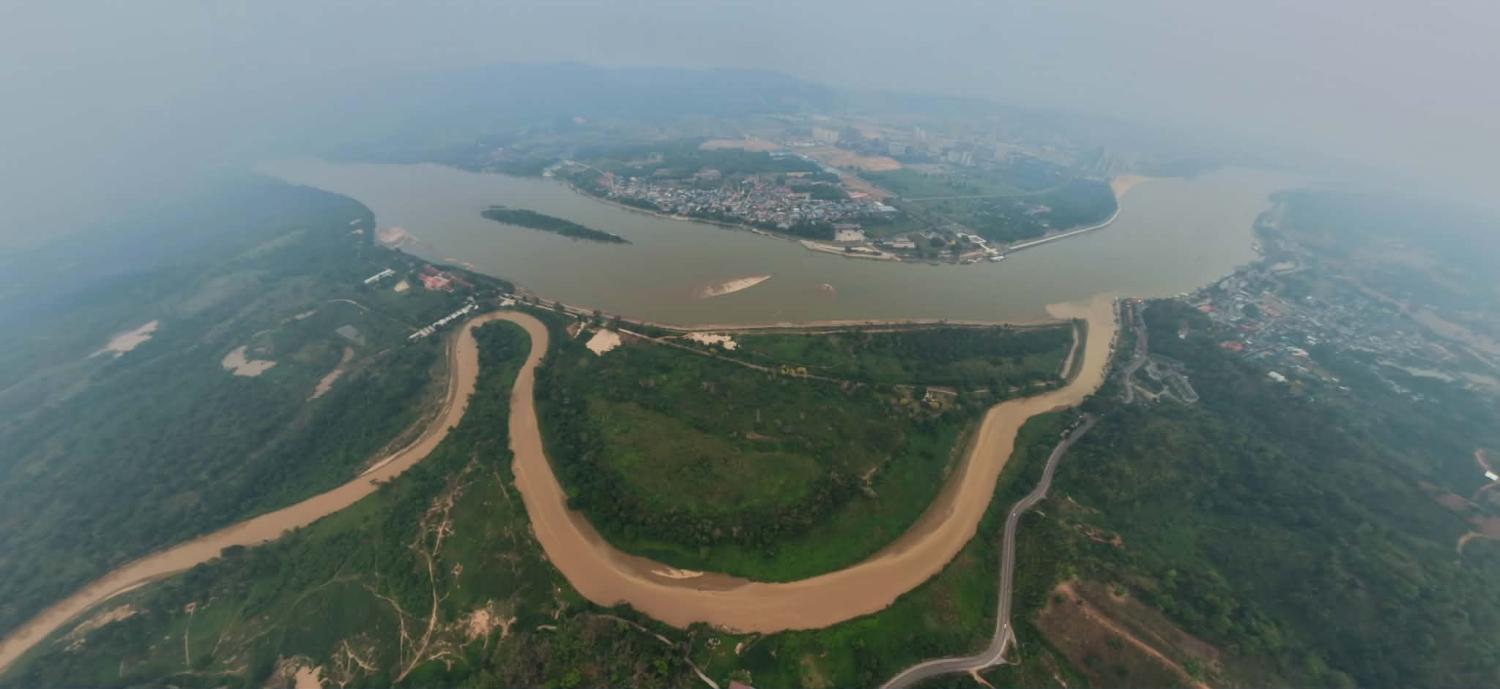
Mining is killing region's rivers
Oped, Pianporn Deetes, Published on 21/04/2026
» Last week, Thailand's Pollution Control Department (PCD) released a report on its tenth round of water quality monitoring tests on three rivers in the northern region. The report is based on samples taken from the Kok, Sai, Ruak, and Mekong rivers in the country's northernmost area.
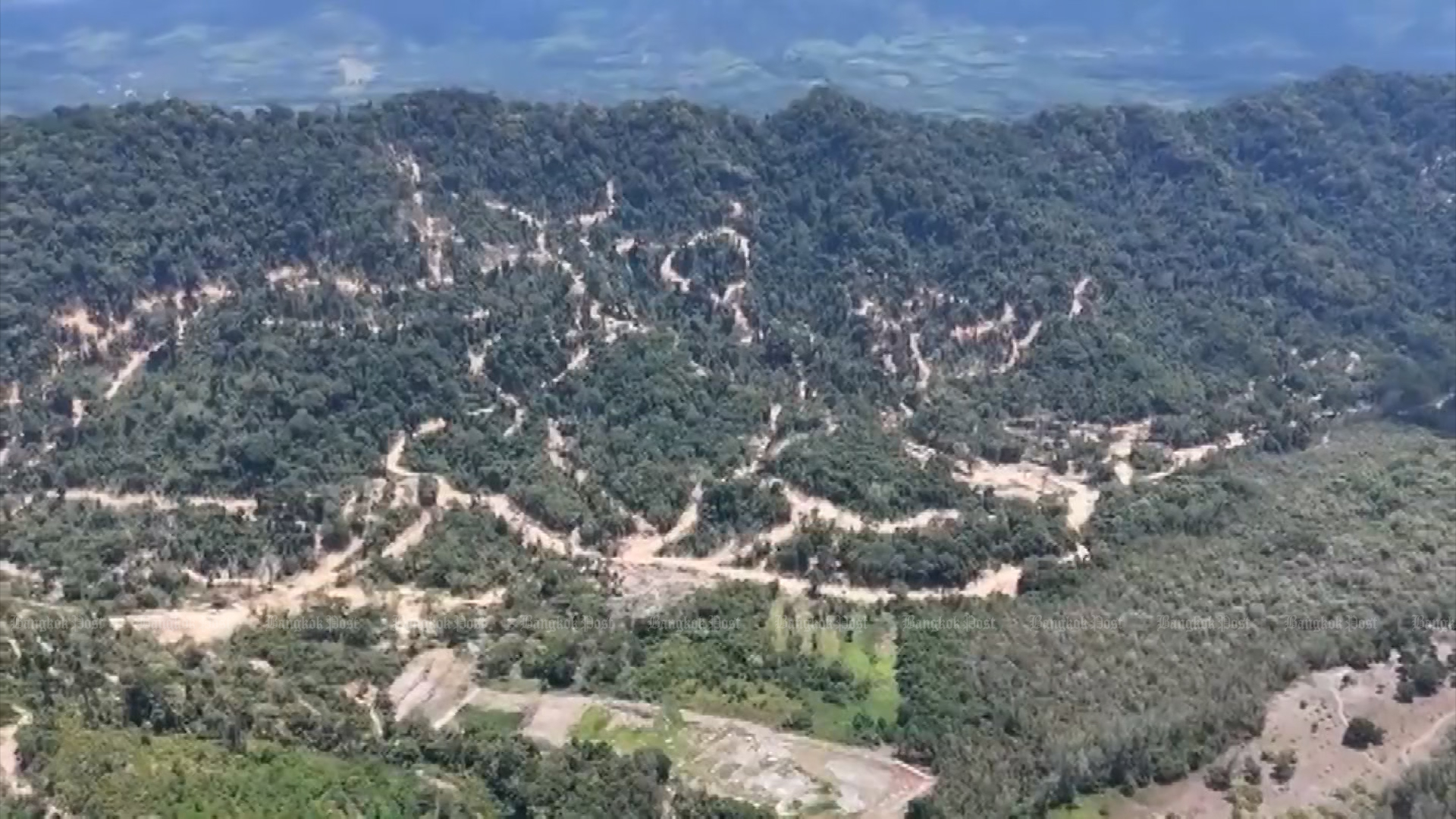
Thailand is failing its forests
Vanich Kittichai, Published on 18/04/2026
» I would be the first to admit that I have been quite single-minded on matters of perceived domestic corruption and mismanagement throughout just over a month of writing here at the Bangkok Post.
Hormuz crisis reveals energy resilience gap
News, Laura Carvalho, Published on 18/04/2026
» The closure of the Strait of Hormuz has triggered what the International Monetary Fund calls a "global yet asymmetric" rupture, disrupting the flow of roughly one-quarter of oil, one-fifth of liquefied natural gas, and one-third of fertiliser supplies. Energy and fertiliser prices have risen, supply chains have rerouted, and financial conditions have tightened unevenly around the world.

When will the IMF ever learn?
Oped, Timothy Kaldas, Published on 16/04/2026
» This year's International Monetary Fund Spring Meetings come at a time of heightened economic uncertainty and intense scrutiny of the institution's capabilities and approach. Critics on the left argue that the IMF imposes regressive austerity measures on borrowers, exacerbating poverty, hampering economic growth, and undermining their ability to achieve debt sustainability. On the right, US President Donald Trump's administration has accused the IMF of "mission creep," claiming that it has strayed from its core mandate of maintaining macroeconomic stability.
Oil shock risks wider chain reaction
Oped, Chartchai Parasuk, Published on 16/04/2026
» There is no such thing as a free lunch. When global oil prices rise sharply, as they are doing now, someone must bear the cost. Some countries choose to absorb it through government support, as in Japan, while others pass the burden on to consumers, as in Thailand. Neither approach is inherently right or wrong; each carries different economic consequences. Policymakers must decide which set of outcomes is more acceptable and act accordingly.

A toxic reversal
Postbag, Published on 13/04/2026
» Re: "Energy and environment will take centre stage" (InQuote, April 1) and "BJT pulls support for Clear Air Bill" (BP, April 7).
Suu Kyi, media bias and morality
News, Fergus Harlow, Published on 11/04/2026
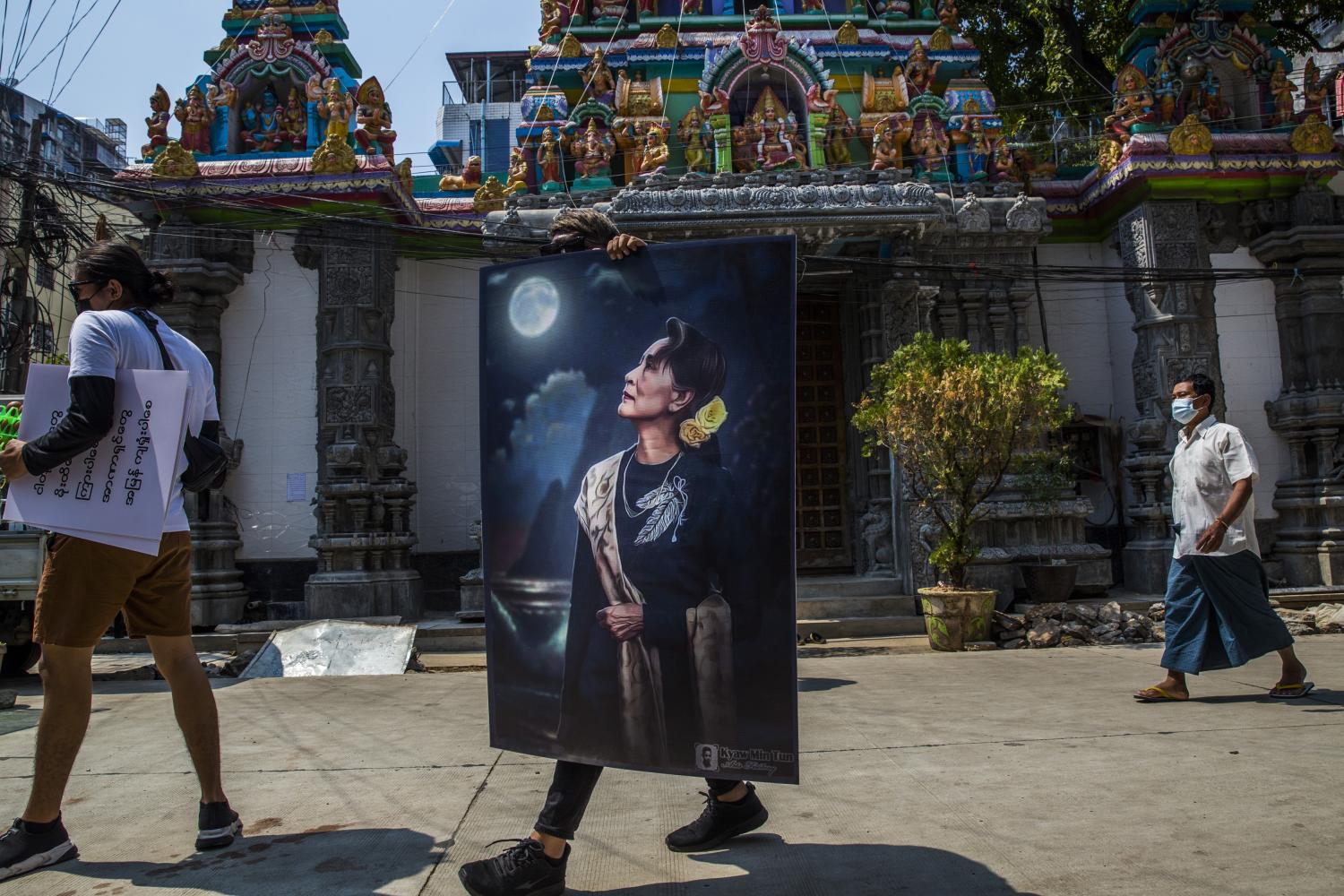
» History rarely collapses in an instant; more often, it is quietly rewritten until reality itself feels negotiable. In the years leading up to Myanmar's 2021 coup, a story took shape in the international imagination -- one that cast Aung San Suu Kyi not as a constrained civilian leader navigating a military-dominated state, but as a symbol of moral failure.
Temple aid halt signals deeper crisis
News, Anucha Charoenpo, Published on 11/04/2026
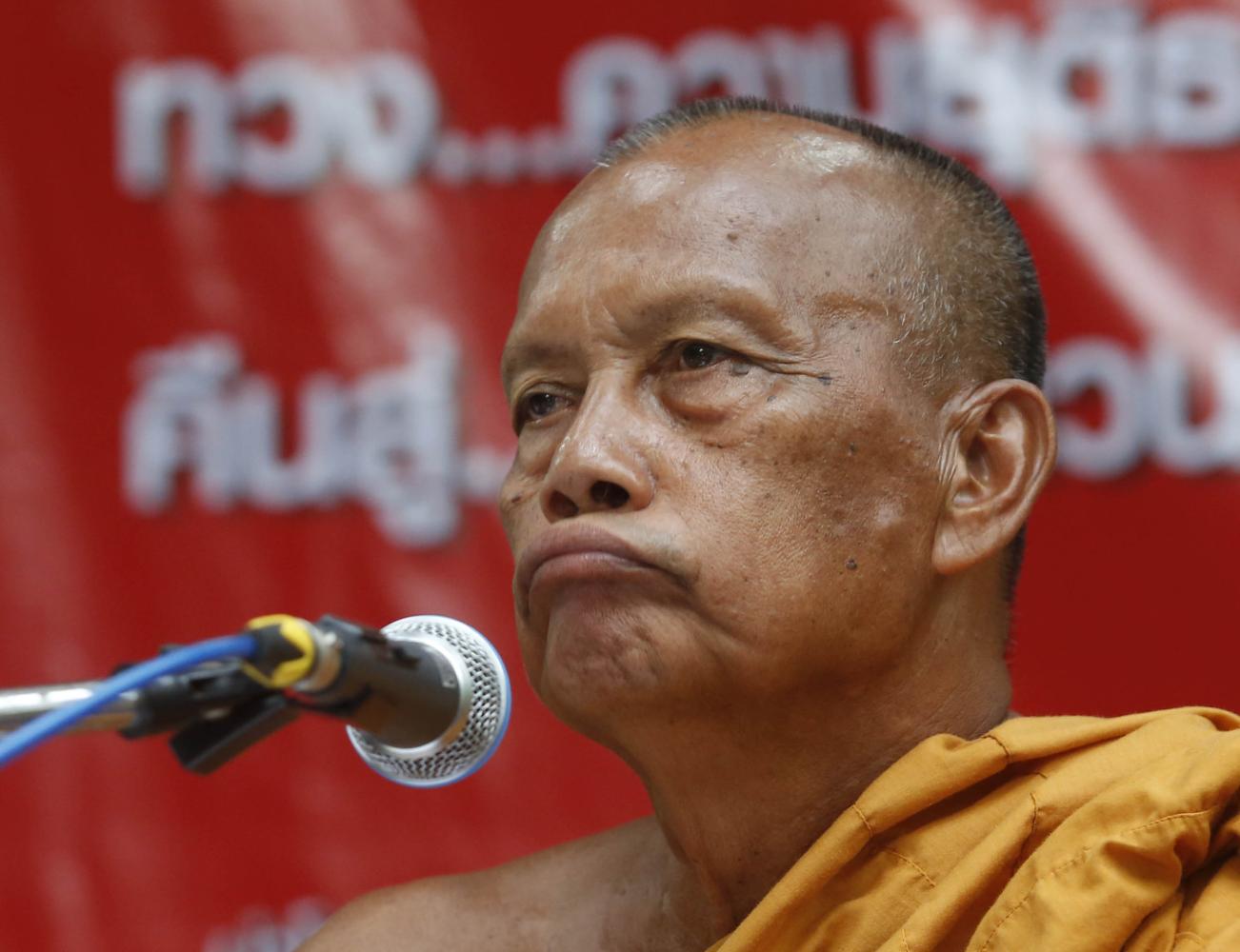
» Wat Suan Kaew in Nonthaburi's Bang Yai district has announced a temporary suspension of its long-running social charity programmes for needy groups due to mounting financial pressures.
Government stability tests performance
Oped, Thitinan Pongsudhirak, Published on 03/04/2026
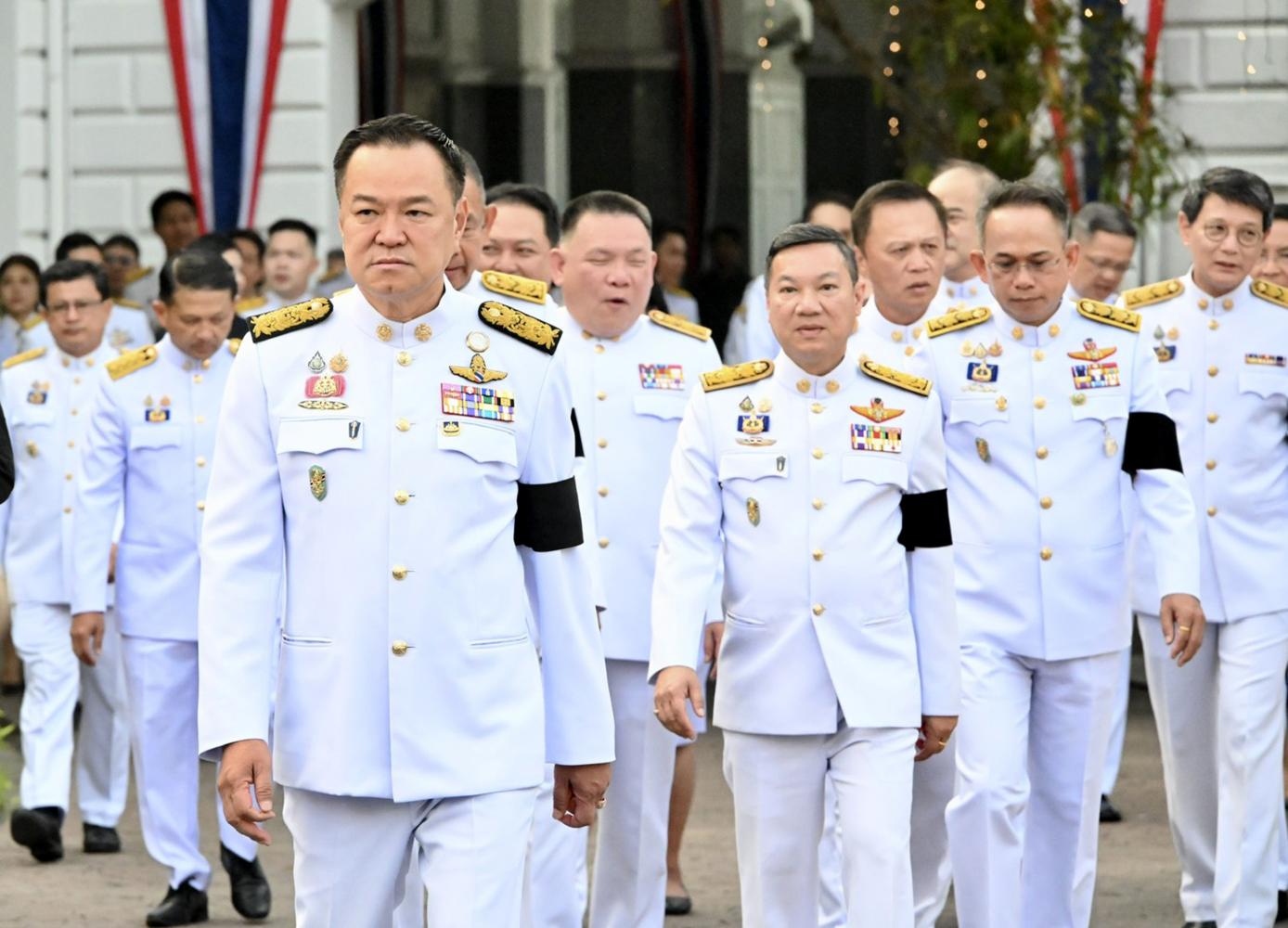
» Prime Minister Anutin Charnvirakul has gone from strength to strength, leveraging a stopgap minority government late last year into solid majority rule after the Feb 8 election.