




Showing 1 - 10 of 166
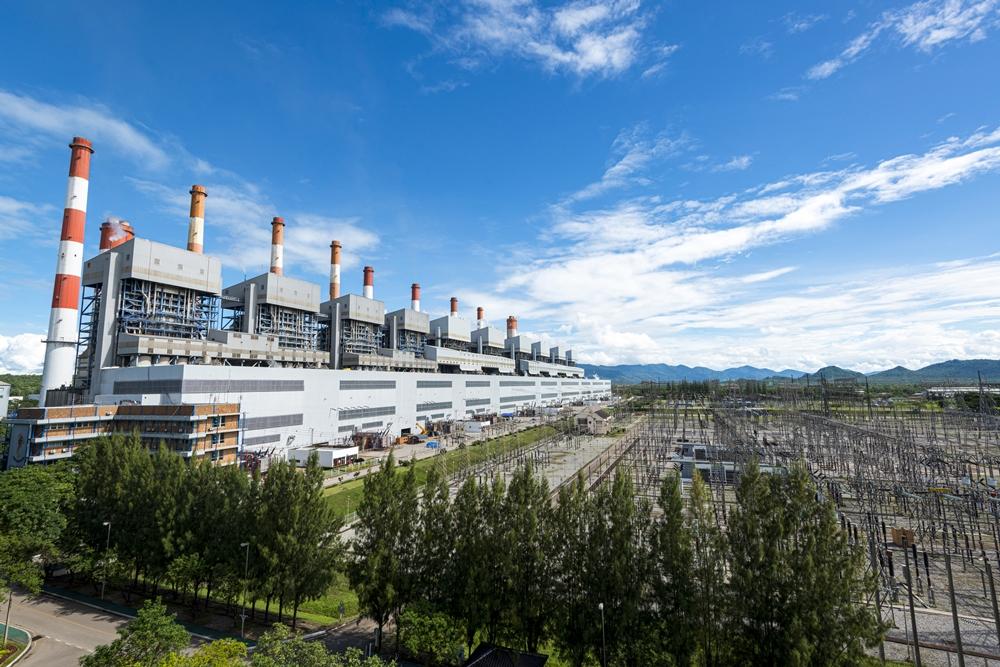
Urgent push for fair climate finance
Oped, Sarinee Achavanuntakul, Published on 01/04/2026
» Ever more visible, the various impacts from climate change are eroding both Thailand's economic competitiveness and the livelihoods of its people: season by season, in heat waves that flatten productivity, floods that swallow farmland, and coastal erosion that is slowly reclaiming communities.

Phuket stands at a tourism crossroads
Oped, Ajaree Tavornmas, Published on 12/03/2026
» Phuket has long stood as one of Asia's most celebrated destinations. Framed by the Andaman Sea, its turquoise waters, rich cultural fabric and globally recognised hospitality have attracted millions of visitors for decades. Tourism accounts for approximately 95% of the province's economy, generating more than 500 billion baht annually from over 14 million Thai and international travellers. With around 1,500 registered hotels and more than 100,000 rooms, the island is undeniably a cornerstone of Thailand's tourism industry.

Sorry lesson in exam saga
Oped, Editorial, Published on 09/03/2026
» Every year, thousands of students compete for admission to a handful of prestigious public schools. This year was no exception. Nearly 14,000 applicants sat the entrance examination for Triam Udom Suksa School, vying for just 1,520 places. The scale of the competition speaks not only to the school's reputation but also to deeper problems within the education system.

War tests energy policy
Oped, Editorial, Published on 06/03/2026
» The ongoing war in the Middle East is a new litmus test for the energy policies of governments around the world, including the new administration in Bangkok. This time, the government and our energy policymakers hope -- and indeed pray -- that this Middle East conflict will be brief.

Unlocking Thai competitiveness
Oped, Kiratipong Naewmalee & Phumjit Sri-Udomkajorn, Published on 25/02/2026
» Regulatory reform is an urgent priority in restoring growth to Thailand's emerging economy. Rigid rules and excessive red tape have become significant structural barriers to private sector development. Evidence from several key industries demonstrates that outdated, fragmented legislation continues to constrain competitiveness.

Killing the goose that lays the Olympic gold medal
Oped, Nancy Qian, Published on 24/02/2026
» The Olympic Games have always been about more than sports, with the medal count serving as a measure of national vitality. The 2026 Winter Games in Milan and Cortina are no different. The Americans, like everyone else, want confirmation of their preeminence. So important is that outcome that even US Vice President JD Vance briefly acknowledged the value of non-white immigration to the United States when he complained that Eileen Gu, the US-born medal-winning skier for China, should be competing under the American flag.

The gist of Thai politics over 20 years
Oped, Thitinan Pongsudhirak, Published on 20/02/2026
» Thailand's democratic institutions have been repressed and kept weak to the point that confusion still prevails almost two weeks after the Feb 8 election, which purportedly showed a clear victory for the ruling Bhumjaithai (BJT) Party under Prime Minister Anutin Charnvirakul. On the one hand, Mr Anutin and BJT stalwarts are busy forming a coalition government with other parties. On the other hand, fraud allegations from civil society groups and the opposition People's Party have reached a critical mass with the plausibility that the recent vote might be nullified to pave the way for a new poll.

Reinvent Thailand to revive growth
Oped, Boonwara Sumano, Published on 11/02/2026
» In the 1990s, Thailand ranked second in Asean for state performance, behind only Singapore. Today, we trail several neighbours. This decline has unfolded gradually over three decades -- through repeated economic crises, institutional stagnation, and reforms that never quite went far enough. What is different today is that the cost of inaction has become far more dangerous.

Today's date with national destiny
Oped, Editorial, Published on 08/02/2026
» Thailand has a double date with destiny today. As the polls open across all 77 provinces, it is imperative for citizens to exercise their right to vote in both the general election and the constitutional referendum.
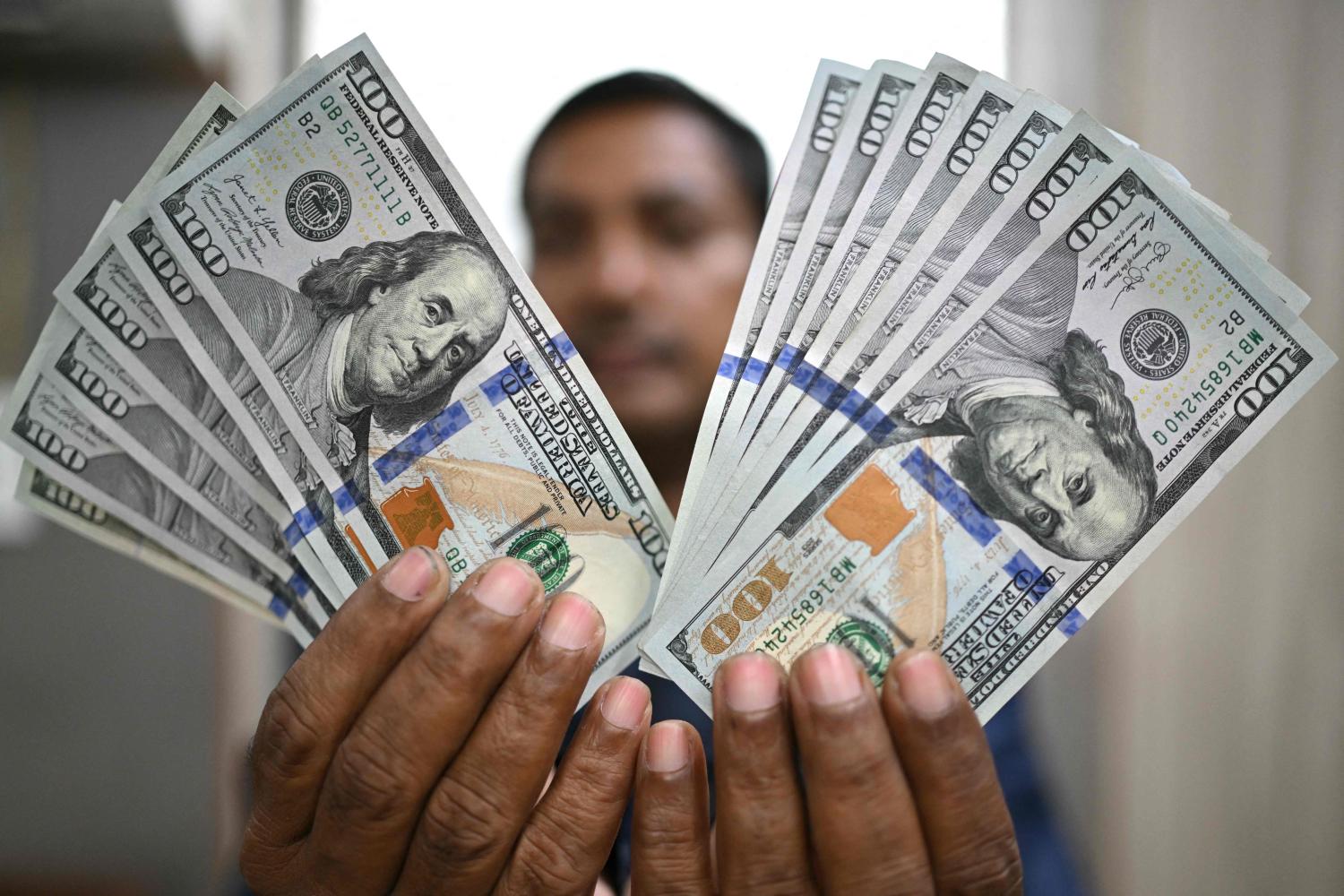
Our tariff-era dollar, your problem
Oped, Qiyuan Xu, Published on 04/02/2026
» In 2025, the dollar index, which measures the greenback's strength against a basket of major currencies, fell by roughly 9.4%. Over the same period, the United States' average effective tariff rate rose by around 14.4 percentage points, from 2.4% to 16.8%, according to the Yale Budget Lab. Taken together, these shifts imply that, in the import trade domain, the US experienced an effective exchange-rate depreciation of around 24%.