




Showing 1 - 10 of 2,323
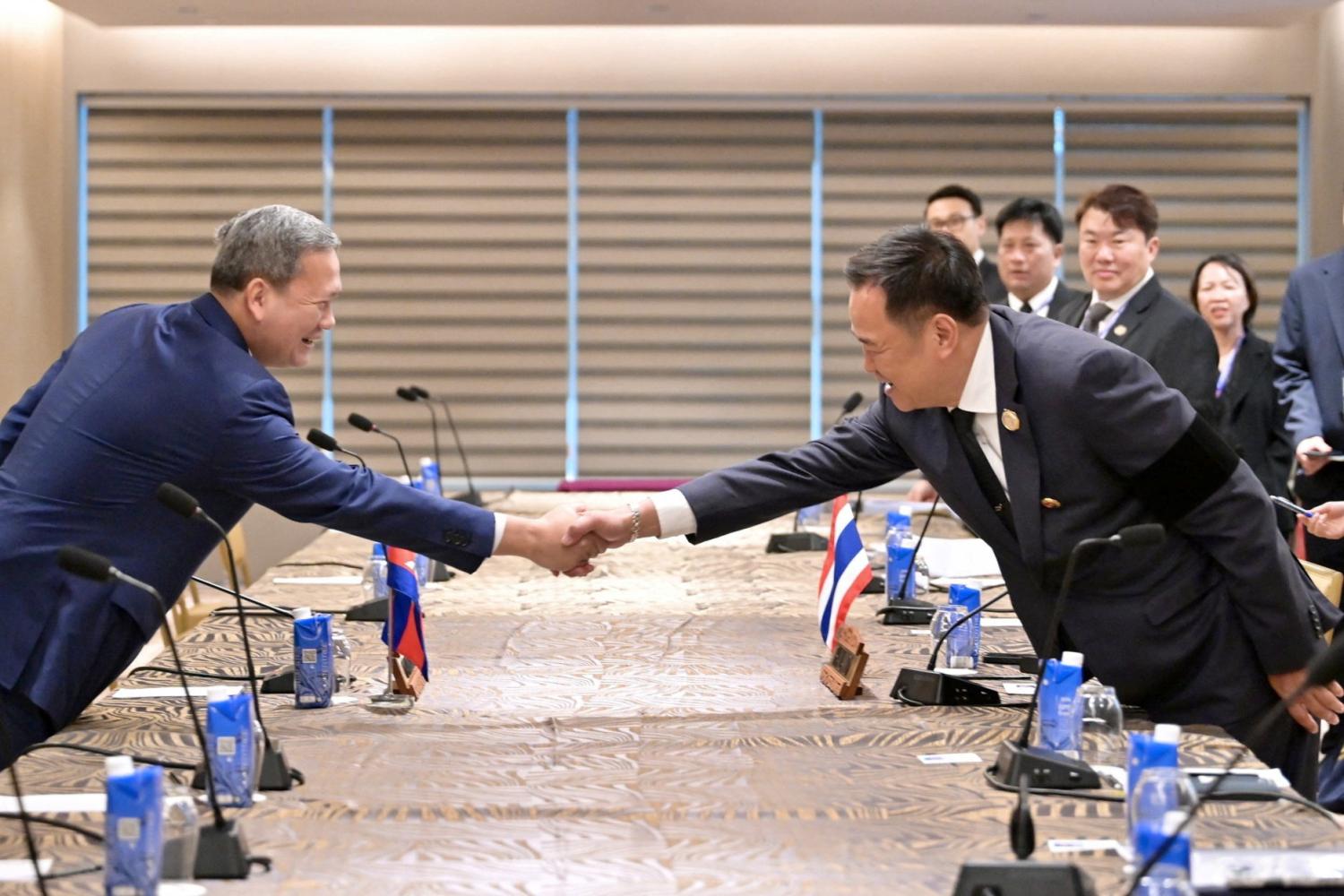
Border dispute needs steady dialogue
Oped, Kavi Chongkittavorn, Published on 21/04/2026
» Cambodian Prime Minister Hun Manet's recent comment prioritising bilateral negotiations is welcome news. However, it is not a breakthrough. Rather, it is a return to what should have been the modus operandi from the beginning.
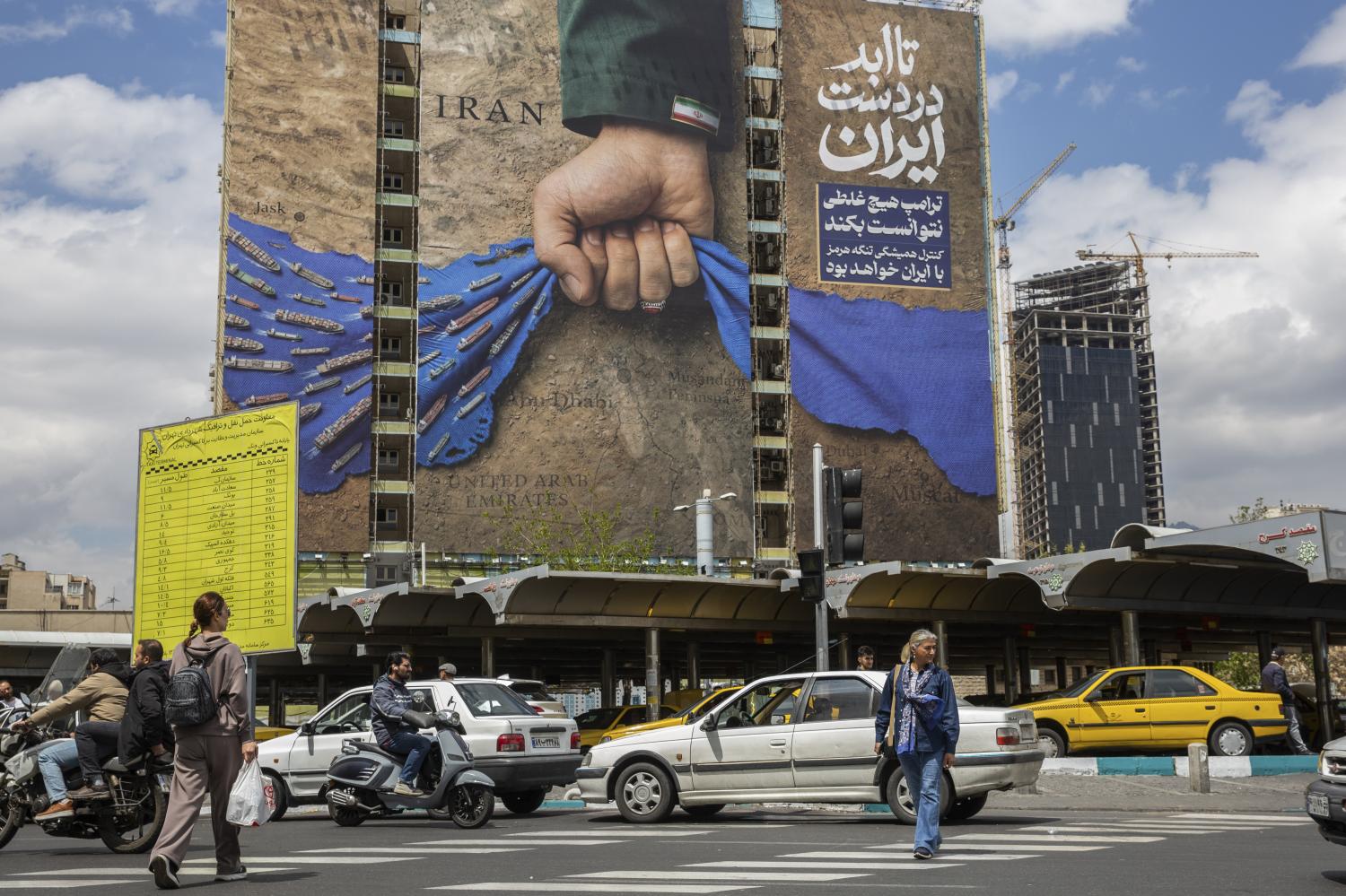
The war and its likely consequences
Oped, Thitinan Pongsudhirak, Published on 17/04/2026
» As the joint attack between the United States and Israel against Iran that resulted in a wider regional conflict in the Middle East approaches its two-month mark, the directions of the war remain precarious while some of the longer-lasting consequences appear evident. Unsurprisingly, the war has been detrimental and damaging for all states and societies concerned, not just within the affected region but the wider world. Already we can start counting some of the long-term costs.
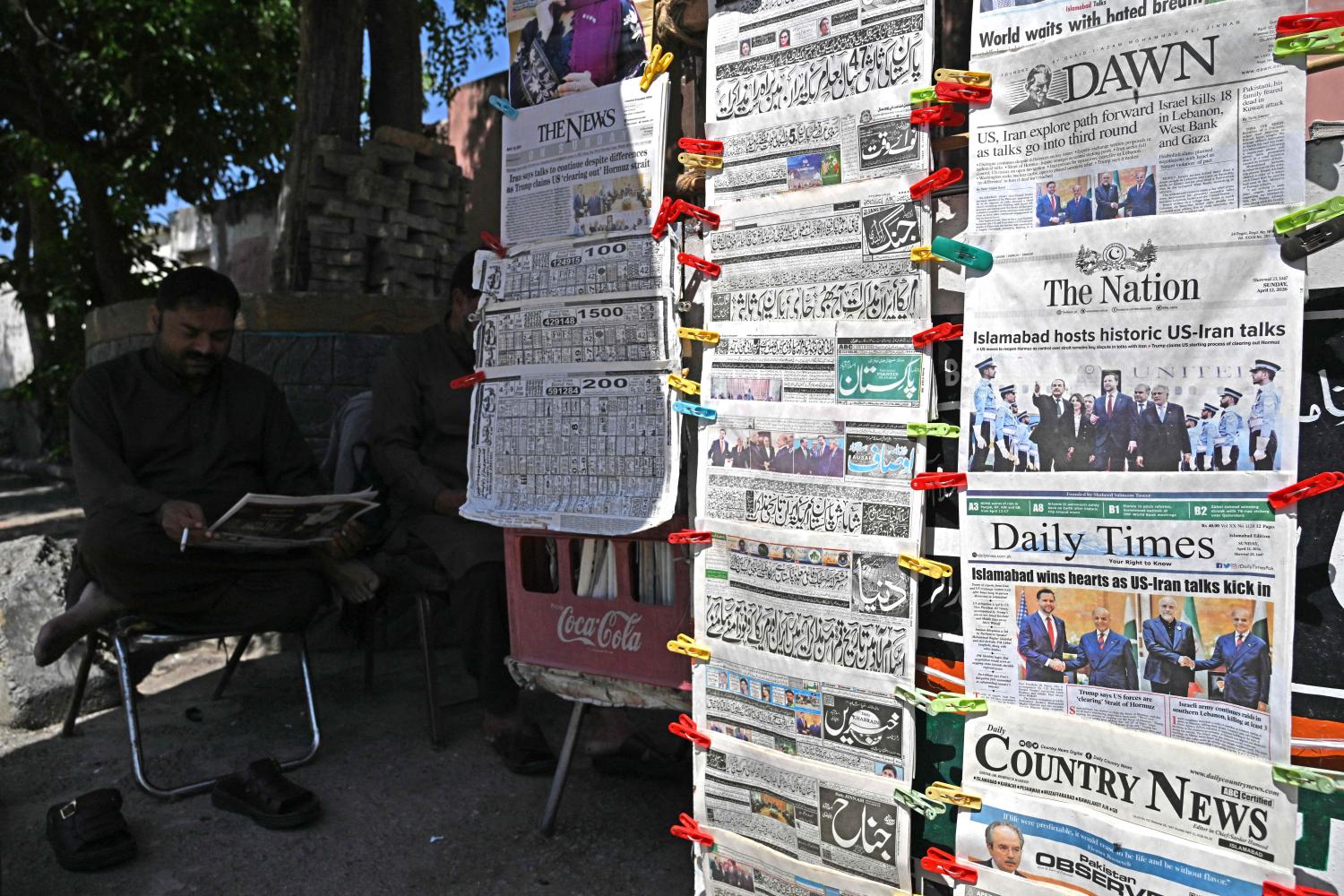
Rethink Asean-Pakistan relations
News, Kavi Chongkittavorn, Published on 14/04/2026
» Pakistan became an Asean sectoral dialogue partner in 1993. Yet for more than three decades, the grouping's engagement with this nuclear-armed state has remained limited. The time has surely come to reconsider its status and elevate it to a full dialogue partner.

It can even get a bit chilly in Hell
Roger Crutchley, Published on 12/04/2026
» The pause in the Middle East conflict is very welcome although with the opposing elements both claiming a "great victory" it's all a trifle confusing. Prior to the ceasefire, we had witnessed increasingly belligerent exchanges from both sides containing sombre warnings that the opposing forces were destined to end up in "hell". In fact the word "hell" was appearing so frequently it was in danger of losing its intended impact.
A US-founded alliance worth keeping around
News, John J Metzler, Published on 11/04/2026
» Nato is again in the rhetorical crosshairs as the Trump administration has chided some European members for not allowing American aircraft to transit through America's European bases.

Rethink handouts
Oped, Postbag, Published on 10/04/2026
» Re: "Co-pay scheme misses mark", (Editorial, April 5).

It's a revenue grab
Oped, Postbag, Published on 09/04/2026
» Re: "Thailand plans mandatory accident insurance for foreign visitors", (Business, April 8).

Laws must unlock food waste value
News, Chanisara Dumkum & Theerat Dejitikul, Published on 08/04/2026
» Thailand has been throwing away food on a massive scale. Yet much of what ends up in the bin could have been used to feed people, animals, or even generate energy. The question is what needs to be done. To find a proper solution, we must acknowledge a hard fact: waste is not the problem in itself. The real issue lies in the system that manages it.
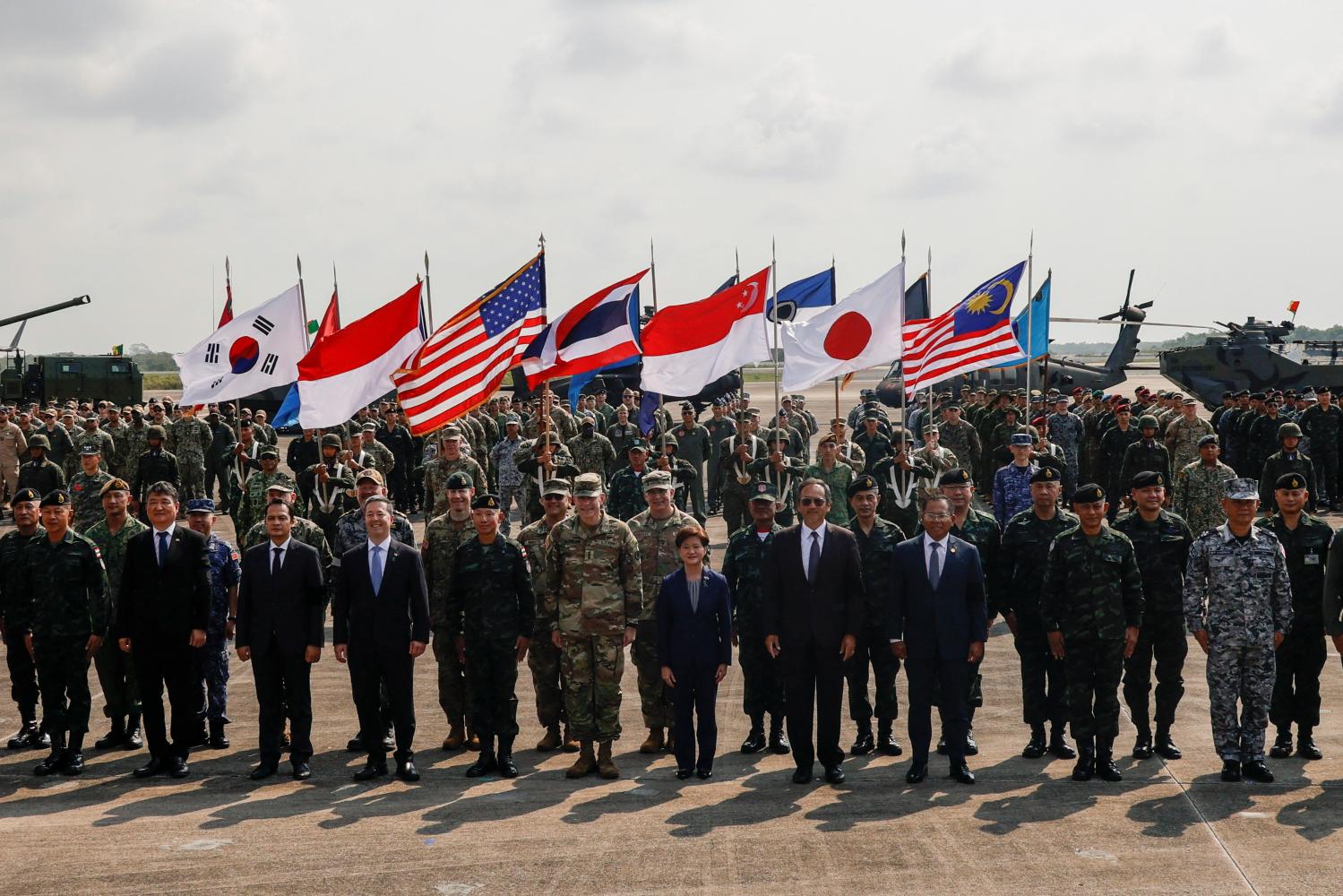
Can alliances with the US be replaced?
Oped, Kavi Chongkittavorn, Published on 07/04/2026
» The increasingly loud debate over the future of alliances -- after reports that the US could scale back or even withdraw from Nato -- is nerve-racking. It has caused alarm across Europe and in Southeast Asia, another node of the US alliance network. Even without any official decision, remarks by US President Donald Trump on social media were enough to shake already fragile US alliances. The question now frequently asked by Thai policymakers is: What comes next if alliances weaken?

Bridge to nowhere
Oped, Editorial, Published on 07/04/2026
» New Myanmar president Snr Gen Min Aung Hlaing will be sworn in on Friday.