



Showing 1 - 10 of 64
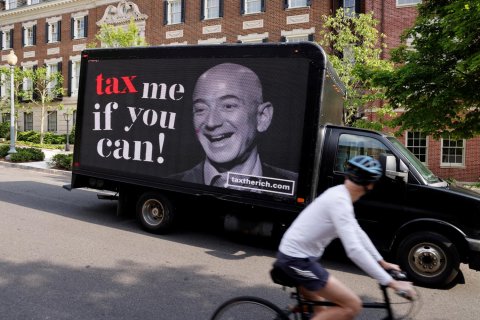
How world's super-rich are rewriting the rules
Oped, Joseph E Stiglitz & Jayati Ghosh, Published on 13/02/2026
» Ongoing efforts to derail multilateral tax cooperation lie at the heart of a global programme to replace democratic governance with coercive rule by the extremely wealthy -- or what we call 21st-century Caesarism. Any strategy to counter this programme, therefore, must recognise that taxing extreme wealth is essential to saving democracy.
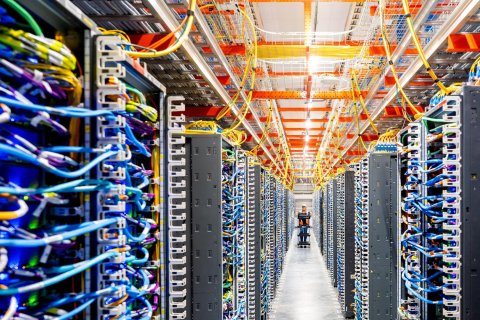
When infrastructure meets AI
Oped, Bertrand Badré & Saurabh Mishra, Published on 16/01/2026
» Infrastructure investment is booming. Around the world, governments are pouring trillions of dollars into roads, power grids, data centres, water systems, and housing, with many responding to intensifying climate shocks and the growing need for adaptation. Yet the construction industry -- the single largest force physically reshaping the planet -- is among the last major sectors to unlock all the benefits that digital technology offers. As a result, it accounts for about 21% of greenhouse-gas emissions, produces half of global landfill waste, and overspends by US$1.6 trillion a year.
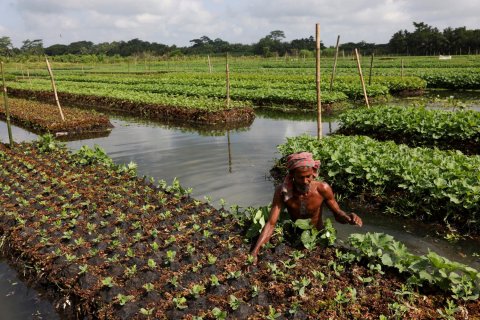
How G20 could help end hunger
Oped, Raj Patel & Refiloe Joala, Published on 21/10/2025
» Upon assuming the G20 presidency in December, South Africa chose "solidarity, equality, and sustainability" as its theme. Far from being an empty slogan, this vision reflects the principles on which any credible international response to today's hunger crisis must rest.

From FDI to homegrown growth
Oped, Peerasit Kamnuansilpa, Published on 11/09/2025
» For decades, Thailand has leaned heavily on foreign direct investment (FDI) as the engine of growth. That strategy once delivered jobs and exports, but today it yields diminishing returns. Inflows are volatile, competitiveness is slipping, and dependence on external capital leaves the economy vulnerable to global shocks. Thailand must change course.
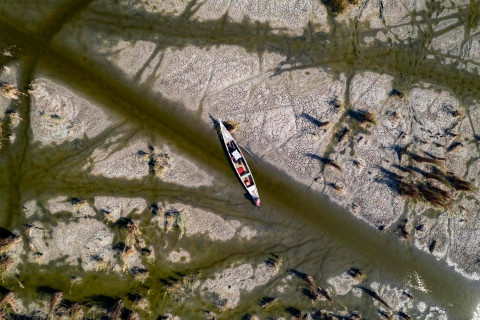
A new agenda for climate-resilient development
Oped, Saliem Fakir, Published on 01/08/2025
» Mitigating the worst effects of climate change requires reconciling ambition and justice. But achieving both a just energy transition and ambitious global climate action depends on trade rules that foster equitable development. To facilitate the shift to low-carbon economies, developing countries must have reliable access to green technologies, investments, and international markets.
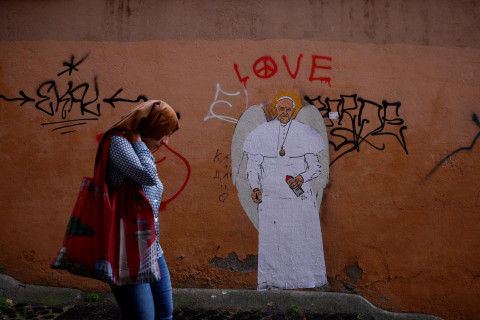
The late Pope Francis and the soul of economics
Oped, Antara Haldar, Published on 06/05/2025
» Pope Francis redefined the papacy in profound ways. As the leader of the Catholic Church, he worked to make it more inclusive of women and the LGBTQ+ community. As the first Latin American pontiff, he became a voice for the Global South. And by taking his name -- and inspiration -- from St Francis of Assisi, he positioned himself as a champion of the poor and marginalised.
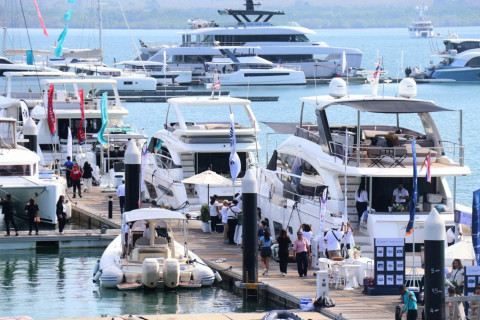
Leveraging Thailand's superyacht exposure
Oped, Pun-Arj Chairatana and Andy Treadwell, Published on 19/04/2025
» The feature of the 117-foot (35.7-metre) catamaran Spacecat in the television series The White Lotus Season 3, set in the Gulf of Thailand and in the waters around Phuket, highlights the potential of Thailand's superyacht charter market. Delivered in November 2022 by Silver Yachts, the vessel showcased luxury against the backdrop of Thailand. This visibility presents an opportunity to further develop Thailand's luxury tourism and service industry, moving beyond glamour to build a sustainable sector that could drive economic growth. Thailand has significant assets; strategic support can help this industry thrive.

Bail is still a human right
Oped, Editorial, Published on 11/04/2025
» The royal defamation lawsuit against American academic Paul Chambers -- who initially had his bail requests denied twice -- has dealt a fresh blow to Thailand's already tarnished human rights record.

Uyghurs questioned
Oped, Editorial, Published on 01/03/2025
» The Paetongtarn Shinawatra government has dismissed the local and global outcry over the repatriation of 40 Uyghurs to China, insisting -- albeit unconvincingly -- it's a "happy ending" for all. Really?

So what are we supposed to make of MAGAnomics?
Oped, Antara Haldar, Published on 20/02/2025
» While the end of World War II 80 years ago ushered in an age of reason, Donald Trump's return to the White House has ushered it out. His MAGA (Make America Great Again) movement promises to take a wrecking ball to the postwar global economic order, raising the question of what will replace it.