




Showing 1 - 10 of 3,023

Time for fair reform
Oped, Postbag, Published on 22/04/2026
» Re: "Another perspective" & "Leave S112 alone", (April 20, April 19). I sincerely thank Khun Yingwai Suchaovanich and Khun Felix Qui for their thoughtful comments on our application of our lese majeste law, aka S112. This law demands our thorough scrutiny before being used, for as our beloved late national father told us, "(its) use ultimately damages the monarchy".
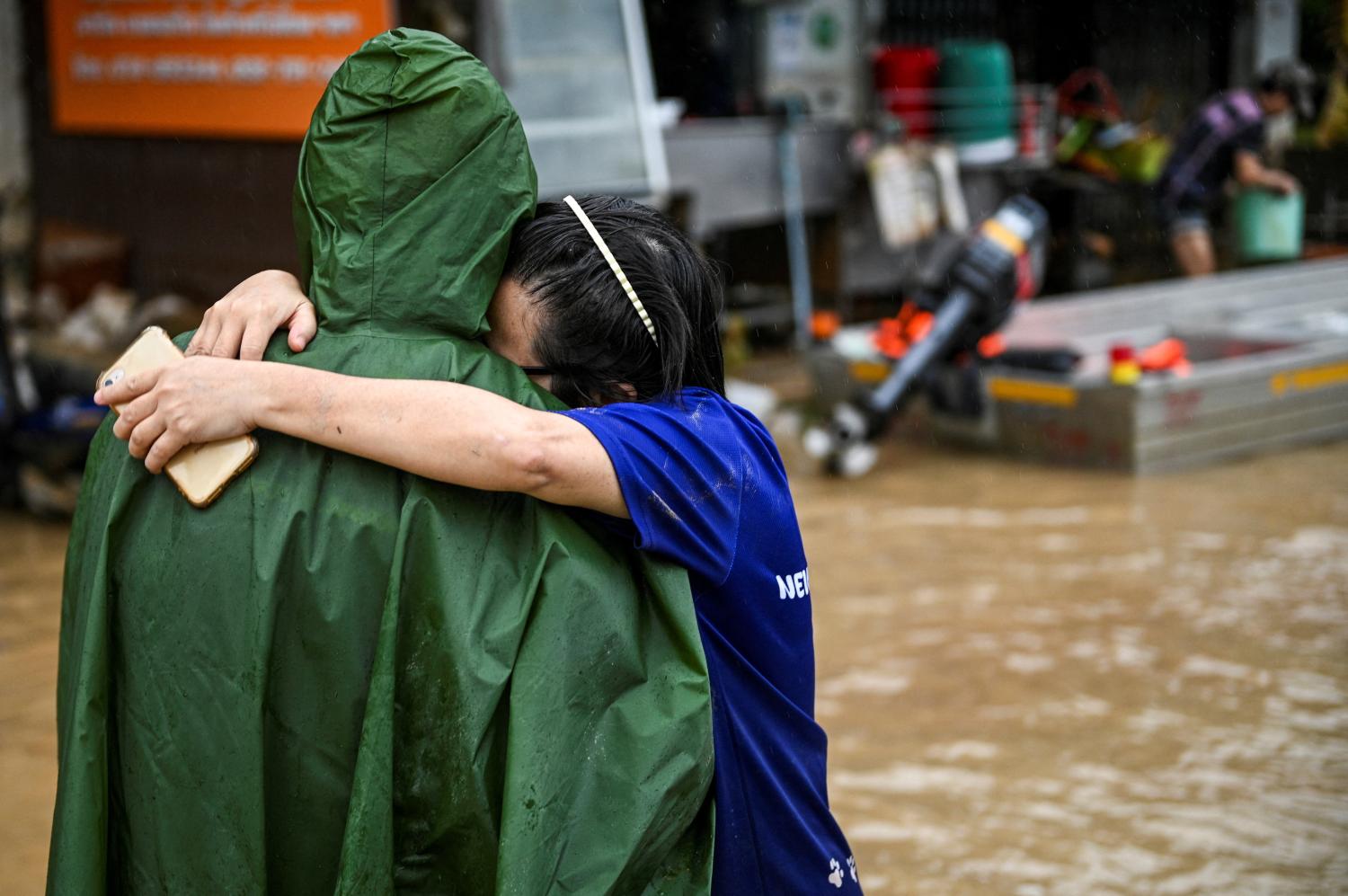
Building readiness for climate loss
Oped, Chayapat Patarapanchai, Published on 22/04/2026
» The floods that submerged Hat Yai were not just another natural disaster. They were a warning sign that climate change is now hitting harder and faster than Thailand can keep up with.
Is the Iran war America's Suez or its Gallipoli?
Oped, Yanis Varoufakis, Published on 21/04/2026
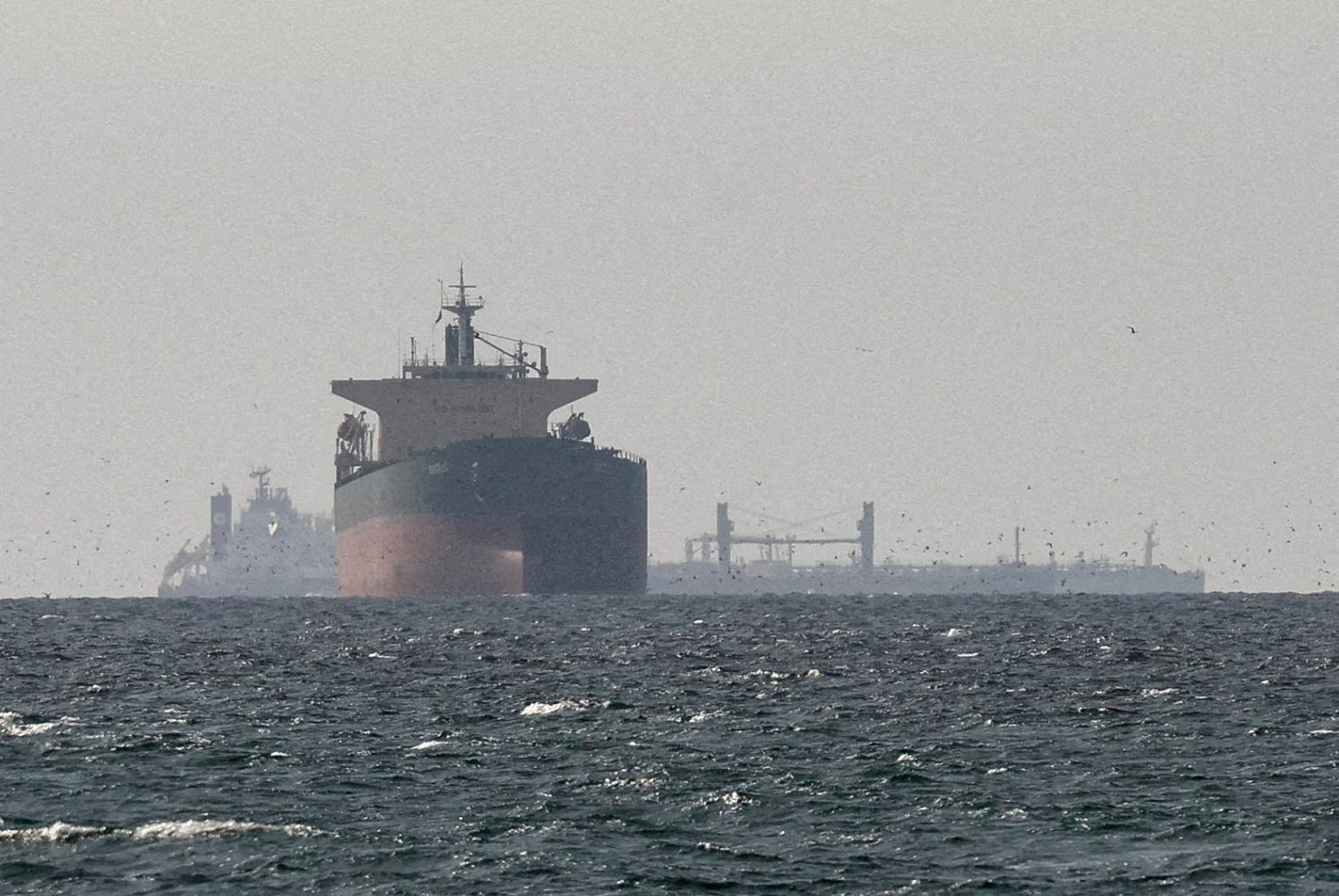
» When Egypt closed the Suez Canal for five months in 1956, it triggered events that shrunk the global standing of Britain's pound sterling, inaugurated the petrodollar age, and demonstrated how a small country can inflict serious damage upon the economic power that had subjugated it decades earlier.
Border dispute needs steady dialogue
Oped, Kavi Chongkittavorn, Published on 21/04/2026
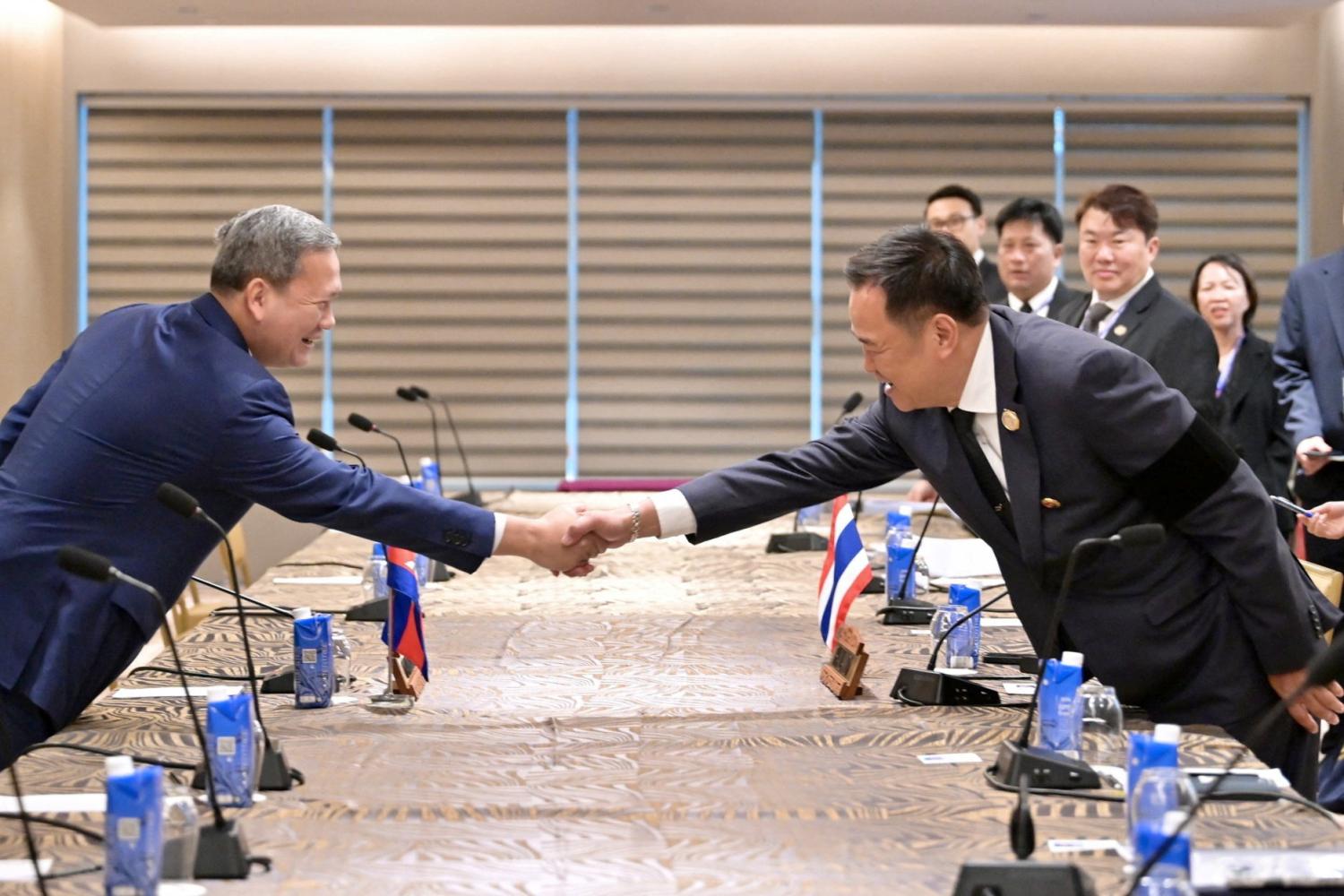
» Cambodian Prime Minister Hun Manet's recent comment prioritising bilateral negotiations is welcome news. However, it is not a breakthrough. Rather, it is a return to what should have been the modus operandi from the beginning.
Crypto push undermines US power
Oped, Jayati Ghosh, Published on 20/04/2026
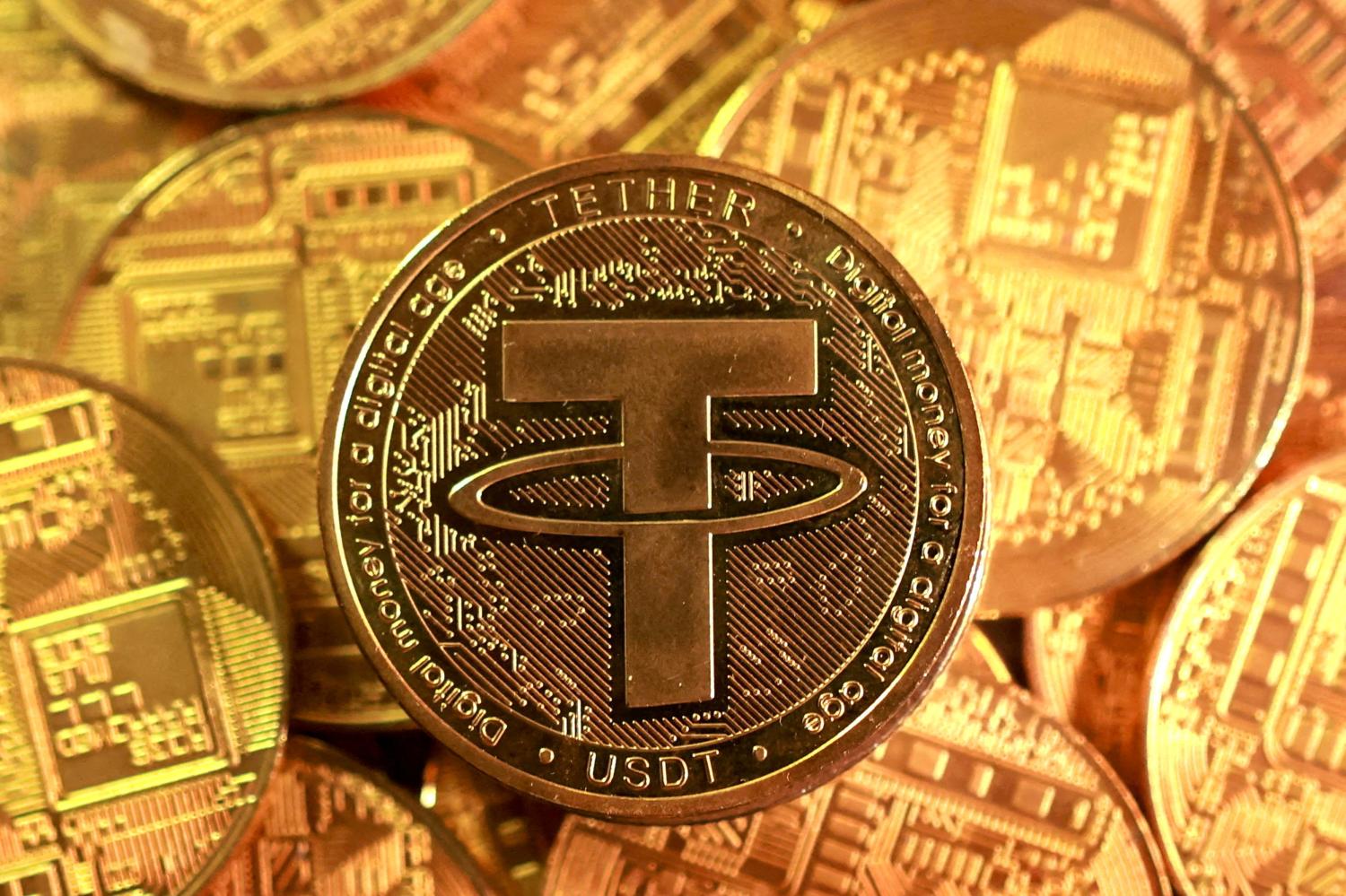
» The Ouroboros, the ancient image of a serpent devouring its own tail, has long symbolised self-defeating strategies. It is thus an apt metaphor for US President Donald Trump's current policies. His reckless and illegal war against Iran is the clearest example, but his administration's enthusiastic embrace of crypto currencies represents a subtler, slower-burning expression of the same self-destructive tendency.

Myanmar looks east again in search of legitimacy
Oped, Larry Jagan, Published on 17/04/2026
» Myanmar understands it needs to reach out to the world if it is to end its isolation and roll back the sanctions much of the West has levied against it. To this end, the men in green, now in civilian clothes, are seeking the support of traditional allies -- China and Asean, especially Thailand -- as well as Bangladesh and Pakistan, in an effort to reset foreign policy and regain international acceptance.

Thumbs up for Lumpini
Oped, Editorial, Published on 17/04/2026
» Two recent developments at Lumpini Park offer a solid proof that when the public and private sectors collaborate to address community needs, the results are nothing short of spectacular.
Climate fixation fails world's poor
Oped, Bjorn Lomborg, Published on 17/04/2026
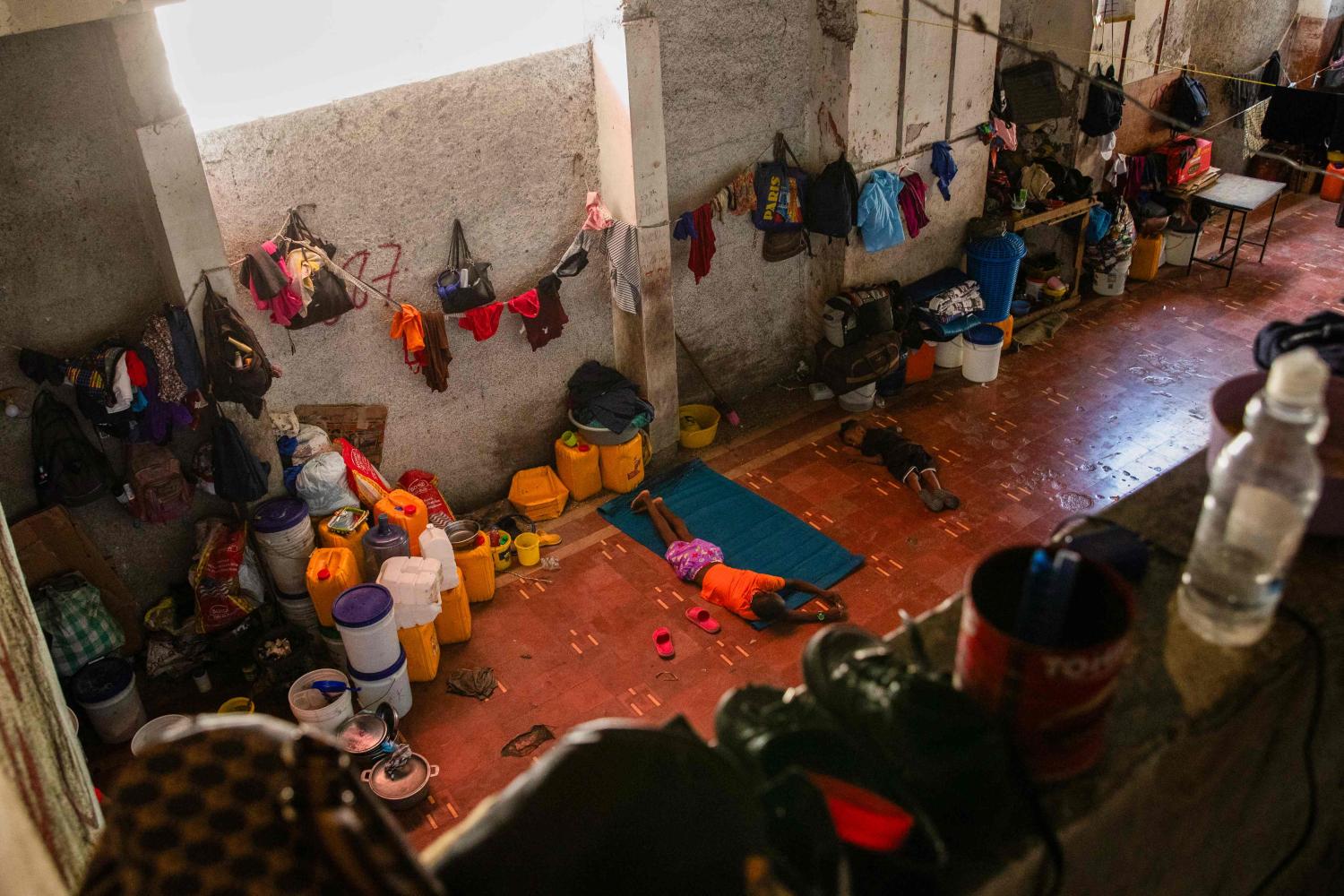
» This week in Washington, more than 10,000 delegates, finance ministers, and central bankers are gathering for the World Bank and IMF Spring Meetings. Their stated goal: accelerate global development, drive economic growth, and lift billions out of poverty.

When will the IMF ever learn?
Oped, Timothy Kaldas, Published on 16/04/2026
» This year's International Monetary Fund Spring Meetings come at a time of heightened economic uncertainty and intense scrutiny of the institution's capabilities and approach. Critics on the left argue that the IMF imposes regressive austerity measures on borrowers, exacerbating poverty, hampering economic growth, and undermining their ability to achieve debt sustainability. On the right, US President Donald Trump's administration has accused the IMF of "mission creep," claiming that it has strayed from its core mandate of maintaining macroeconomic stability.
Oil shock risks wider chain reaction
Oped, Chartchai Parasuk, Published on 16/04/2026
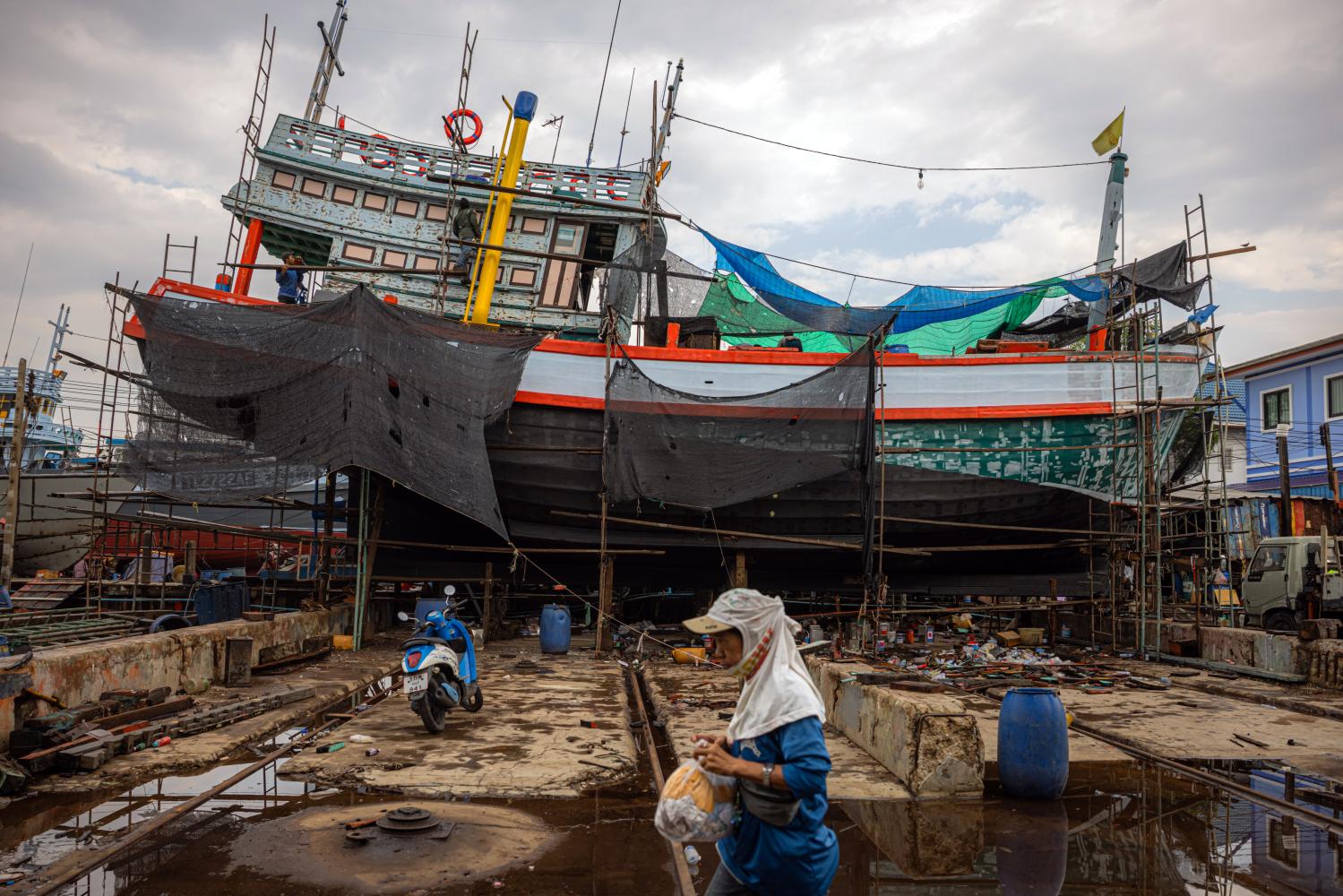
» There is no such thing as a free lunch. When global oil prices rise sharply, as they are doing now, someone must bear the cost. Some countries choose to absorb it through government support, as in Japan, while others pass the burden on to consumers, as in Thailand. Neither approach is inherently right or wrong; each carries different economic consequences. Policymakers must decide which set of outcomes is more acceptable and act accordingly.