



Showing 1 - 10 of 672
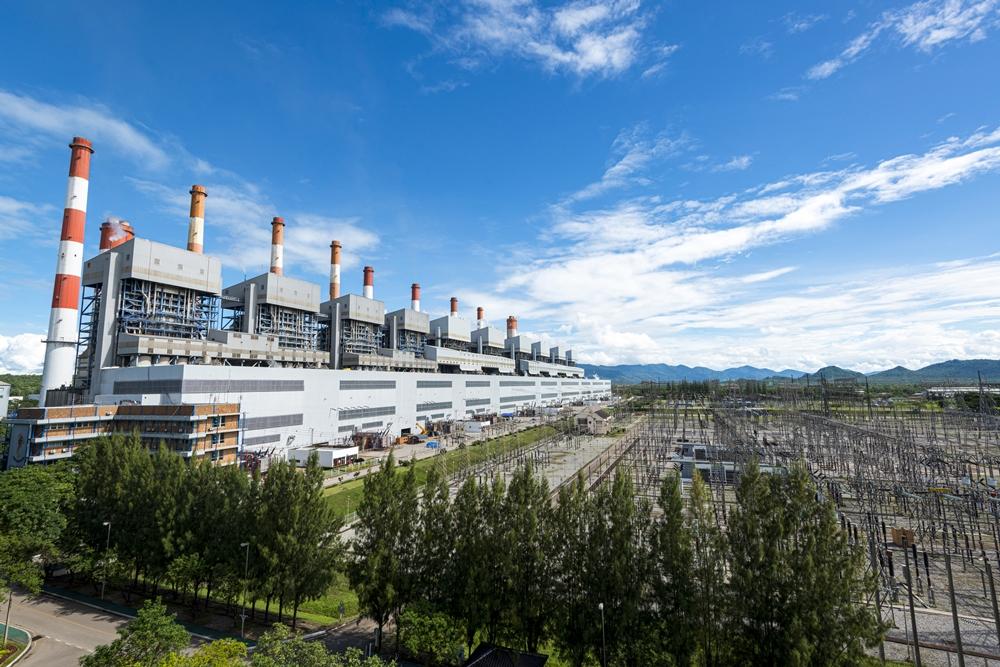
Urgent push for fair climate finance
Oped, Sarinee Achavanuntakul, Published on 01/04/2026
» Ever more visible, the various impacts from climate change are eroding both Thailand's economic competitiveness and the livelihoods of its people: season by season, in heat waves that flatten productivity, floods that swallow farmland, and coastal erosion that is slowly reclaiming communities.

Fuel reform now
Oped, Postbag, Published on 01/04/2026
» Re: "PM apology a good start," (Editorial, March 30).
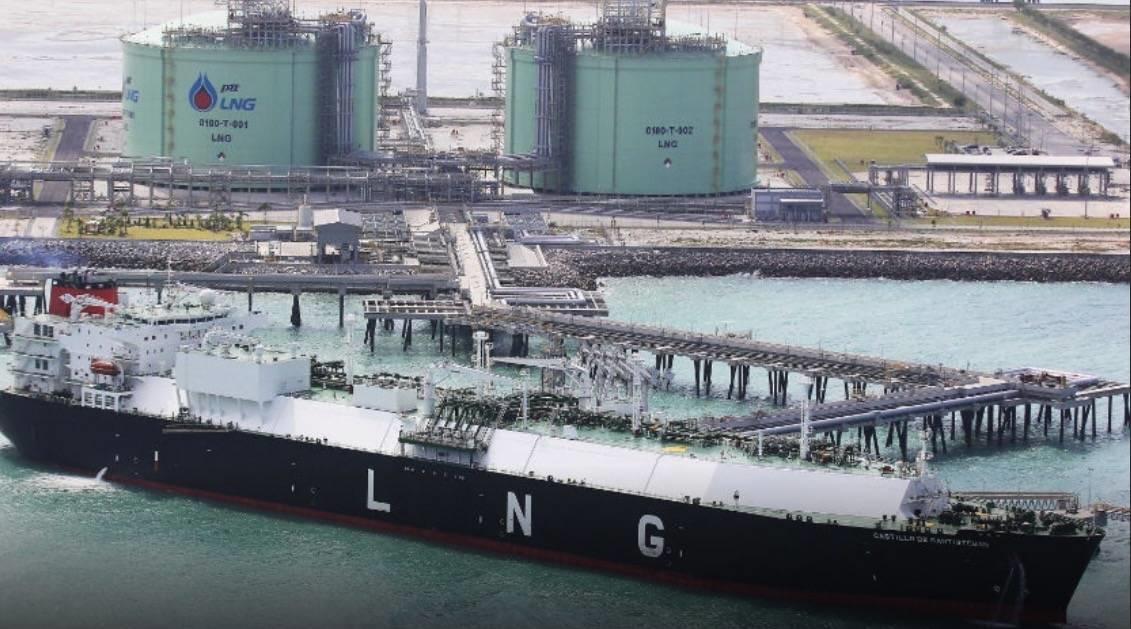
Iran war exposes Thai energy fragility
News, Sutthipath Kanittakul, Published on 28/03/2026
» The ongoing war in the Middle East is exposing a critical vulnerability in Thailand's energy system -- its heavy dependence on imported liquefied natural gas (LNG).

Tackle food waste, curb pollution
Oped, Edel S. Garingan, Published on 24/03/2026
» Climate change and air pollution are not driven by carbon dioxide alone. To address global warming, we must also address extremely powerful pollutants like methane, which has the capacity to trap heat in the atmosphere far more effectively than carbon dioxide over a short period of time.
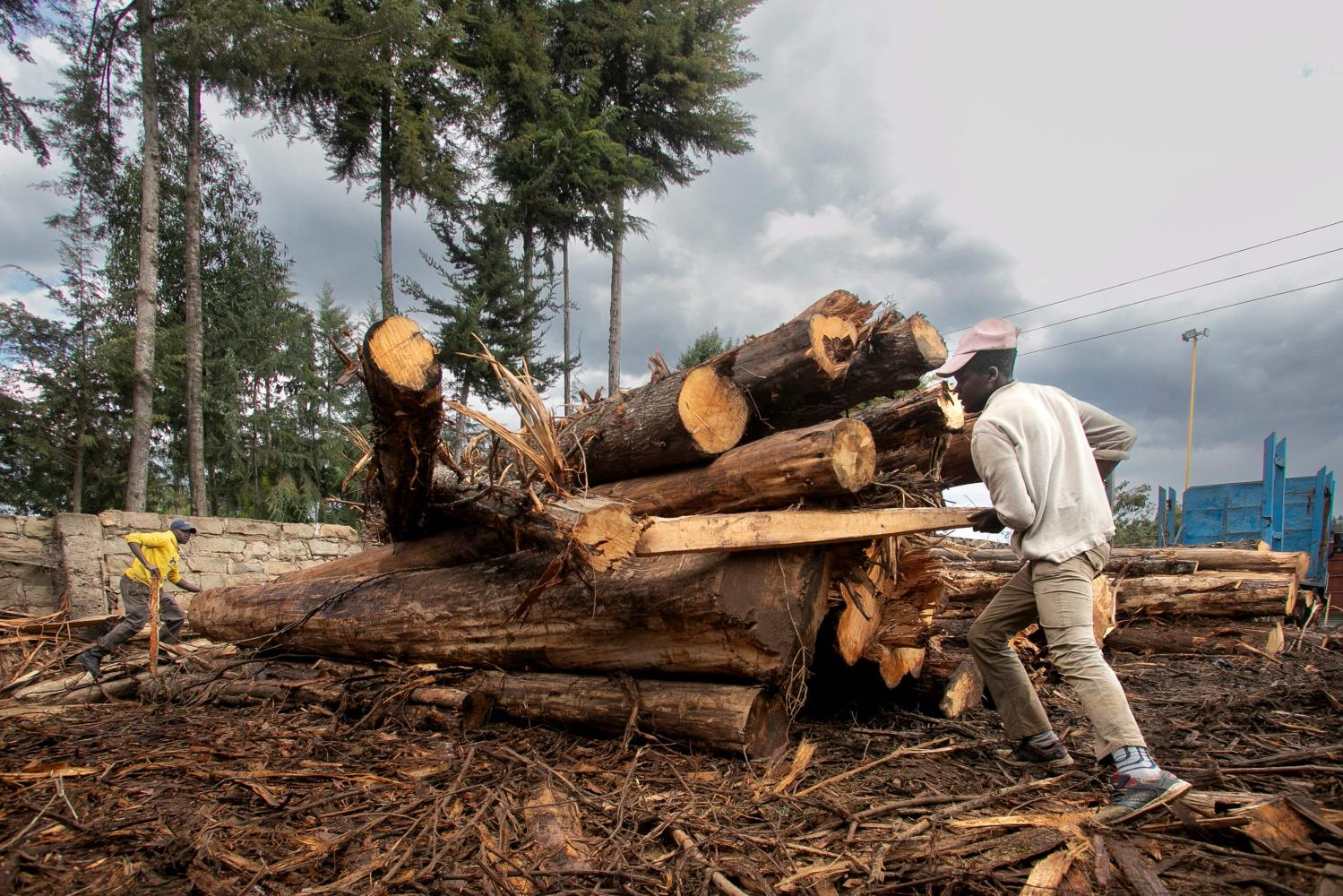
The economy depends on forests
Oped, Zhimin Wu, Published on 23/03/2026
» Money may not grow on trees, but much of our prosperity does.
'Green China' story hides true energy picture
News, Bjorn Lomborg, Published on 21/03/2026
» Many in the West gaze in awe at China's apparent dominance in green energy.

Solar boom risks leaving toxic legacy
Oped, Nattaphorn Buayam, Published on 11/03/2026
» Solar power is Thailand's master key in the fight against global warming. It is cheap, popular, and even promoted by the state. But beneath the success story lies a big question: What happens when millions of panels begin to die?
Time for region to double down on green energy
Oped, Lidy Nacpil, Published on 06/03/2026
» The escalating instability in the Middle East has sent shockwaves through global energy markets, forcing Southeast Asian nations into a precarious position. While the region has made significant pledges to transition toward renewables, the threat of interrupted gas supplies and surging LNG prices is creating a dangerous incentive to prioritise immediate energy security over long-term climate goals.
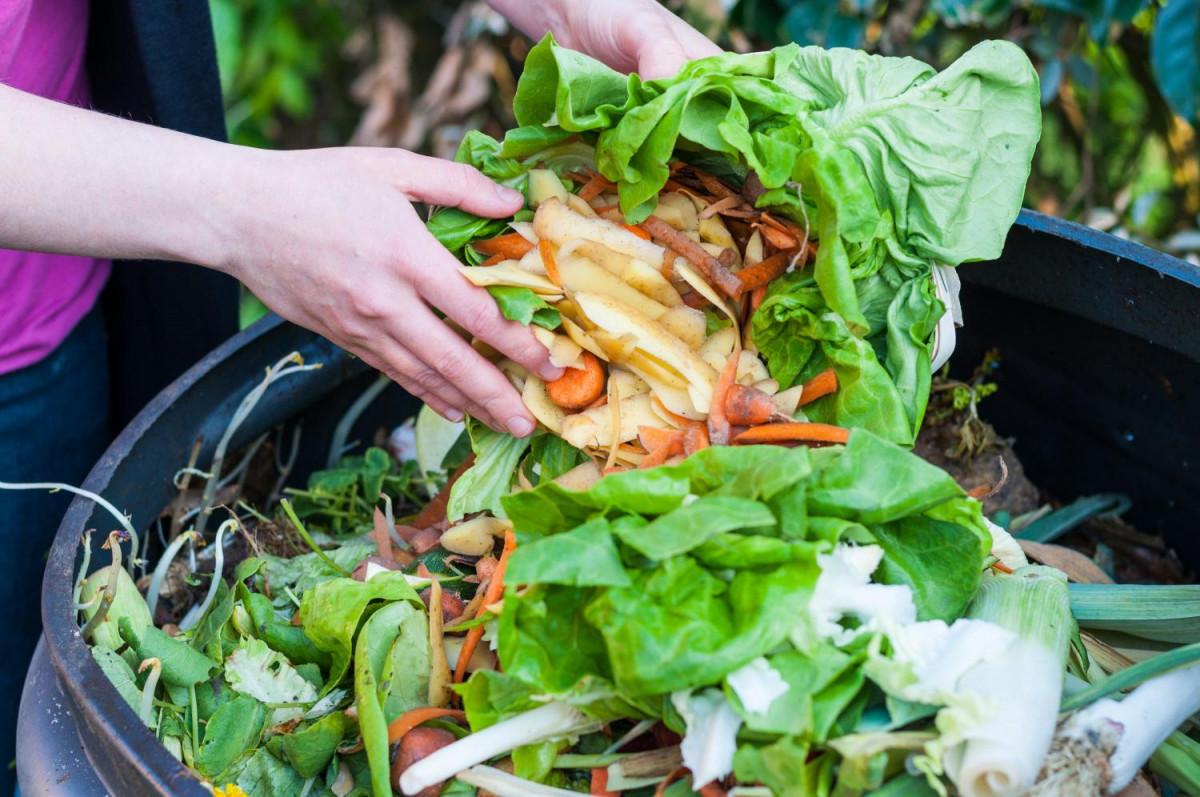
Why food waste composting may fail
Oped, Parichat Suknark, Published on 04/03/2026
» Imagine an enormous pile of leftover rice, vegetable scraps, or fruit peels dumped to landfill, slowly rotting and filling nearby communities with an unpleasant smell. But the smell is not the only problem.

Philanthropy must dive deeper
News, Shaun Seow, Published on 23/01/2026
» Long-term global stability depends heavily on what happens in the ocean. Nowhere is this more evident than in Asia, home to much of the Coral Triangle and vast mangrove and seagrass ecosystems that sustain fisheries, protect coastal communities, and store massive amounts of carbon. Together, these ecosystems underpin food security, employment, and climate resilience across the continent and beyond.