




Showing 1 - 10 of 1,564
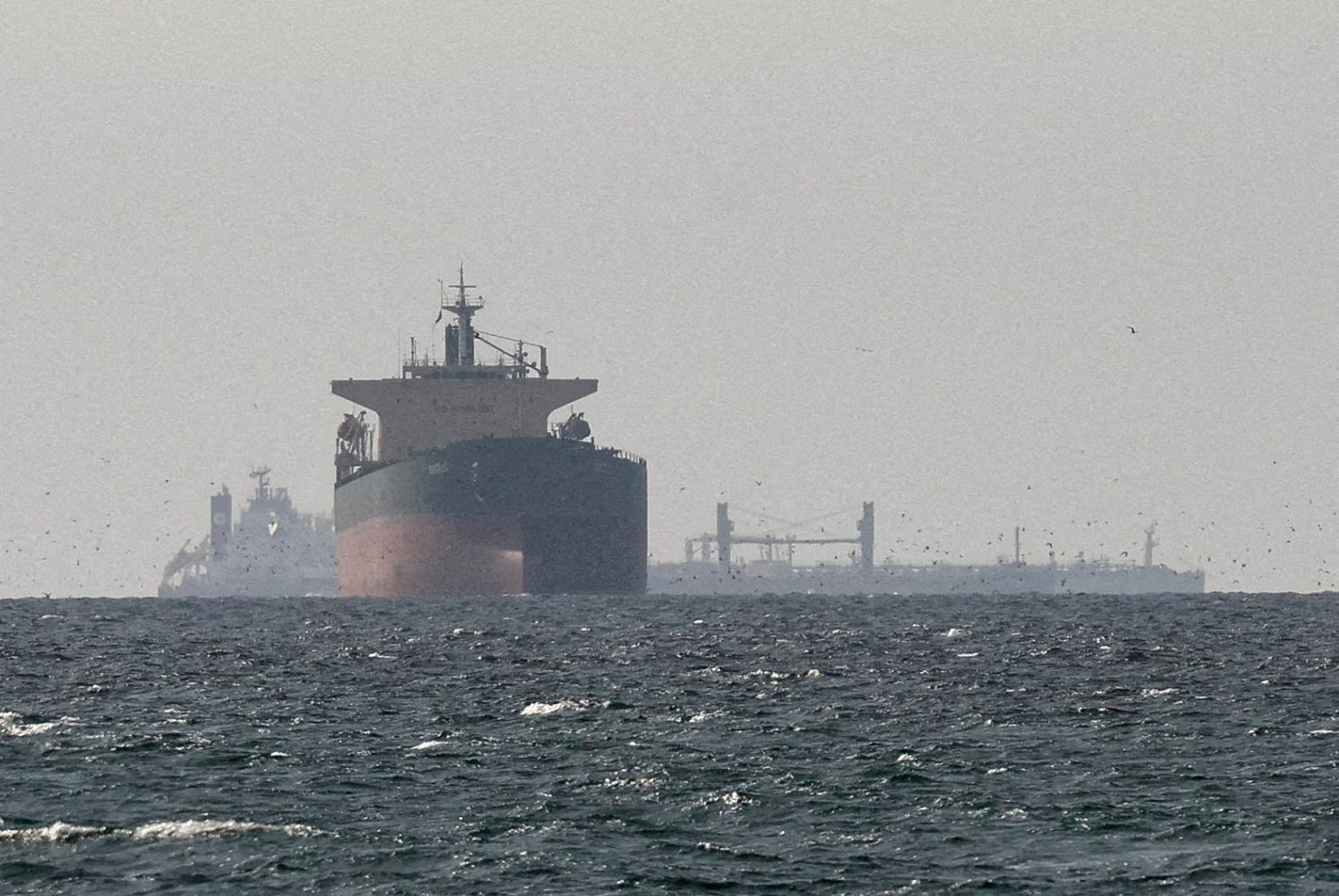
Is the Iran war America's Suez or its Gallipoli?
Oped, Yanis Varoufakis, Published on 21/04/2026
» When Egypt closed the Suez Canal for five months in 1956, it triggered events that shrunk the global standing of Britain's pound sterling, inaugurated the petrodollar age, and demonstrated how a small country can inflict serious damage upon the economic power that had subjugated it decades earlier.
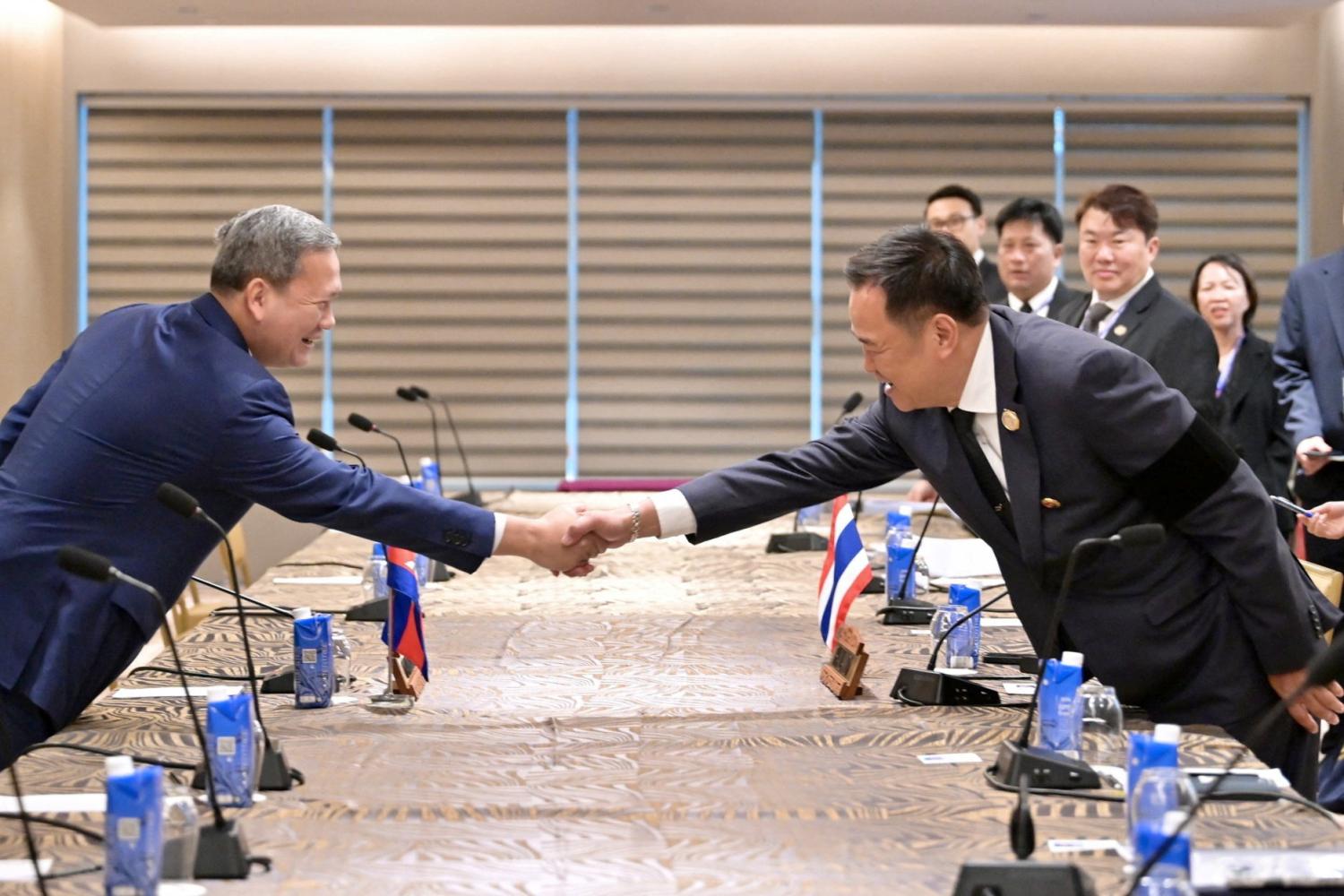
Border dispute needs steady dialogue
Oped, Kavi Chongkittavorn, Published on 21/04/2026
» Cambodian Prime Minister Hun Manet's recent comment prioritising bilateral negotiations is welcome news. However, it is not a breakthrough. Rather, it is a return to what should have been the modus operandi from the beginning.
Hormuz crisis reveals energy resilience gap
News, Laura Carvalho, Published on 18/04/2026
» The closure of the Strait of Hormuz has triggered what the International Monetary Fund calls a "global yet asymmetric" rupture, disrupting the flow of roughly one-quarter of oil, one-fifth of liquefied natural gas, and one-third of fertiliser supplies. Energy and fertiliser prices have risen, supply chains have rerouted, and financial conditions have tightened unevenly around the world.

Chinese economy turns a corner
News, Stephen Jen, Published on 18/04/2026
» China has turned a corner, finally. Five years after Beijing began cracking down on its bloated property sector, its economy is now on a much more sustainable path anchored in high-quality growth -- and the correction has left far fewer scars than many feared.
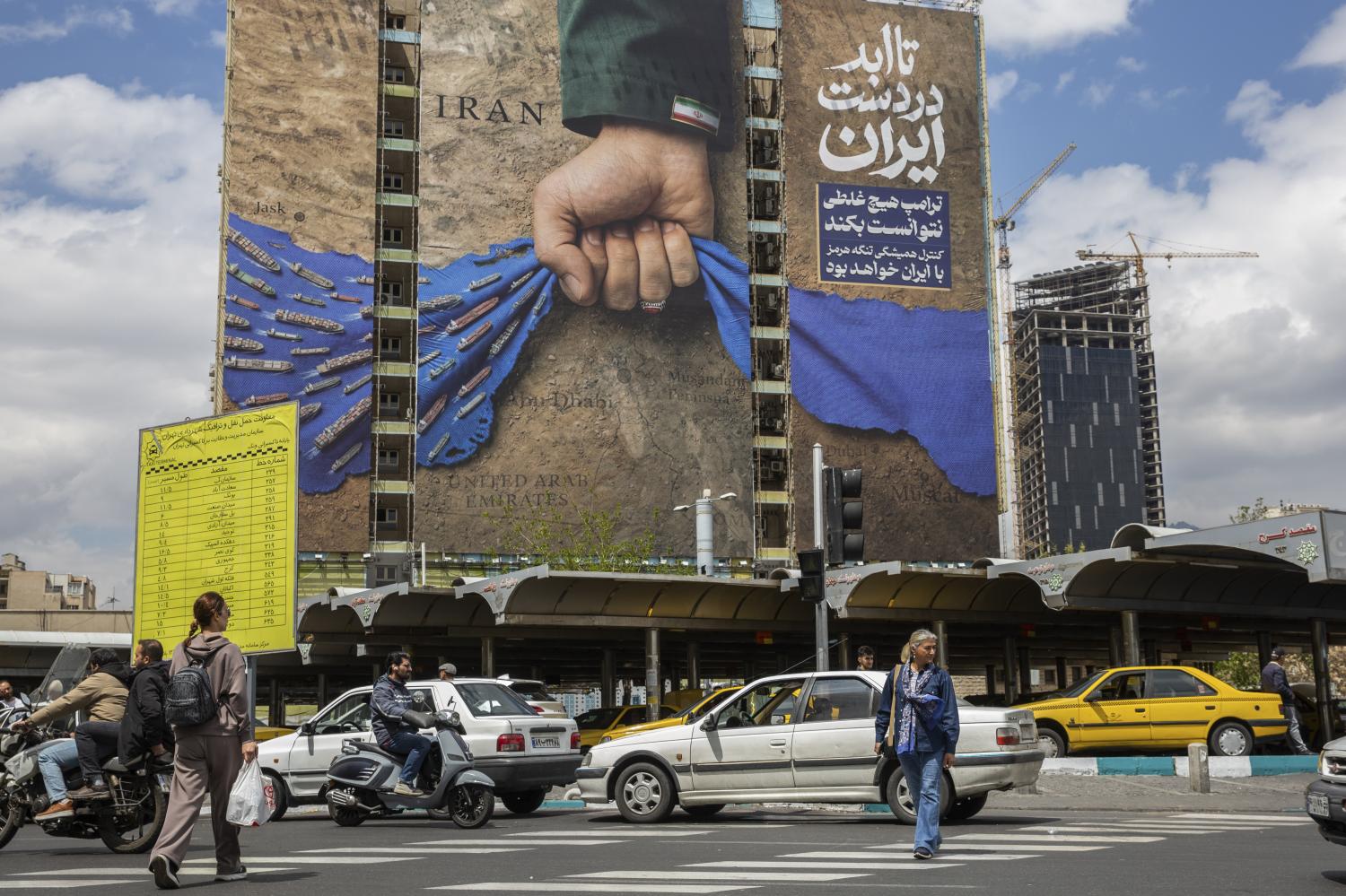
The war and its likely consequences
Oped, Thitinan Pongsudhirak, Published on 17/04/2026
» As the joint attack between the United States and Israel against Iran that resulted in a wider regional conflict in the Middle East approaches its two-month mark, the directions of the war remain precarious while some of the longer-lasting consequences appear evident. Unsurprisingly, the war has been detrimental and damaging for all states and societies concerned, not just within the affected region but the wider world. Already we can start counting some of the long-term costs.
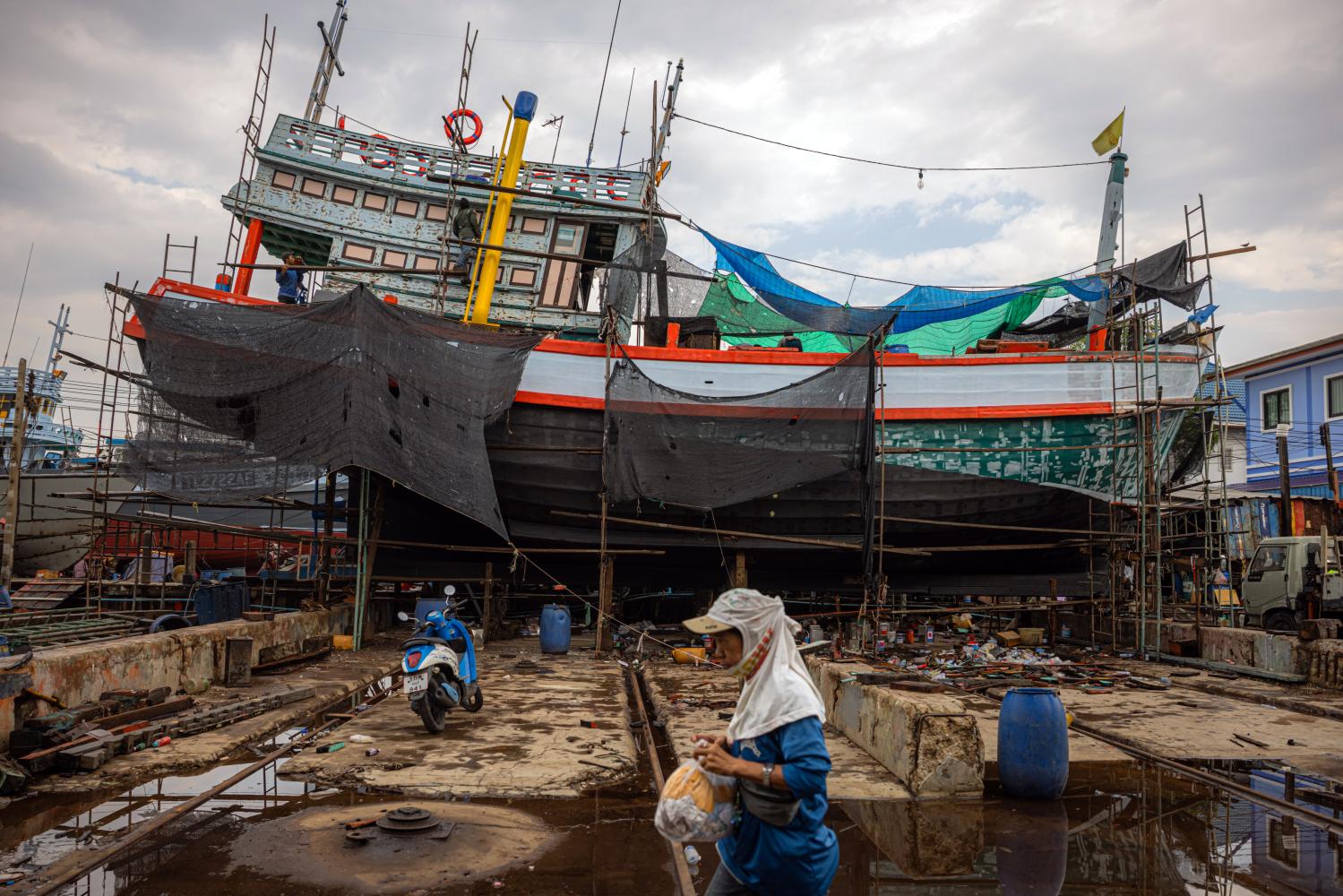
Oil shock risks wider chain reaction
Oped, Chartchai Parasuk, Published on 16/04/2026
» There is no such thing as a free lunch. When global oil prices rise sharply, as they are doing now, someone must bear the cost. Some countries choose to absorb it through government support, as in Japan, while others pass the burden on to consumers, as in Thailand. Neither approach is inherently right or wrong; each carries different economic consequences. Policymakers must decide which set of outcomes is more acceptable and act accordingly.
China's water security ambitions
News, Amit Ranjan and Genevieve Donnellon-May, Published on 15/04/2026
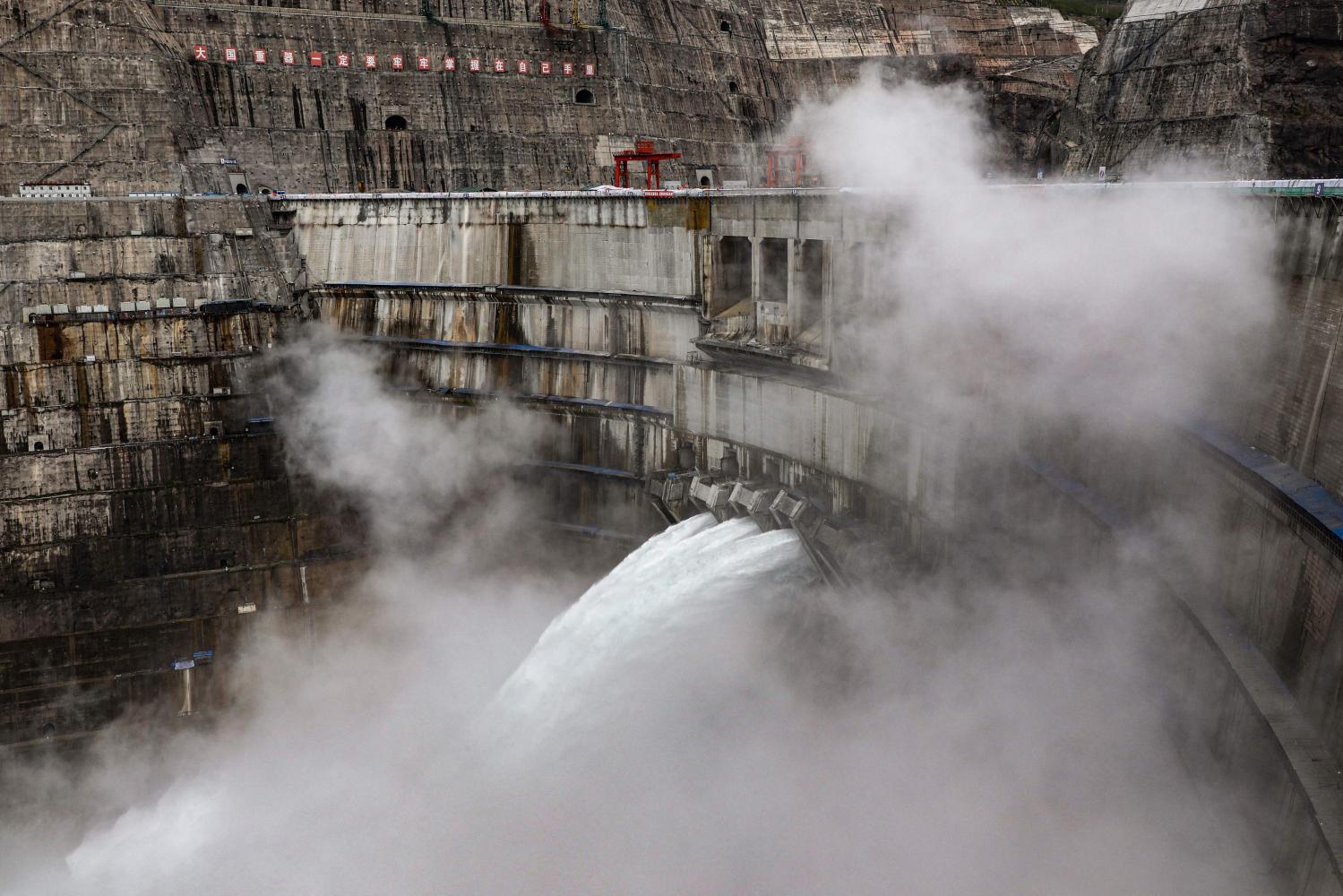
» China holds only 6% of the world's fresh water, which supports nearly 20% of the global population and generates over 18% of global gross domestic product. The country faces water challenges largely due to water quality concerns and significant spatio-temporal imbalances.

Cash flow fears
Postbag, Published on 11/04/2026
» Re: "Risk of acute crisis growing", (Opinion, March 5).
Asean banks face climate pressure
Oped, Rachel Ho, Published on 08/04/2026
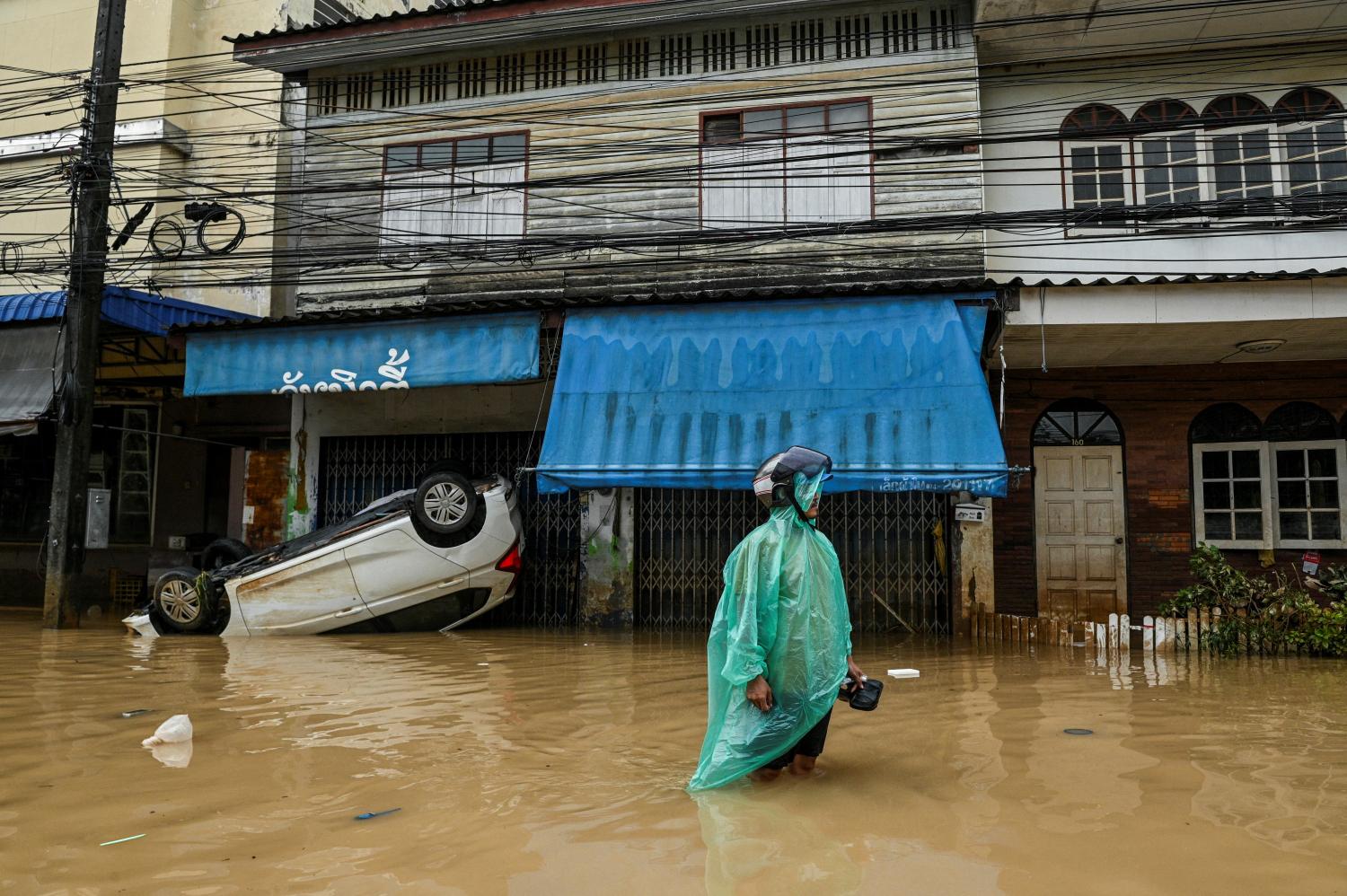
» The global oil and gas crisis is worsening. Amid the Middle East war, the central banks of countries in Southeast Asia must address a perfect storm of rising fuel prices, cost-of-living pressures, and worsening impacts of climate disasters.
Iran's water weapon against Gulf
Oped, Michael Christopher Low, Published on 07/04/2026
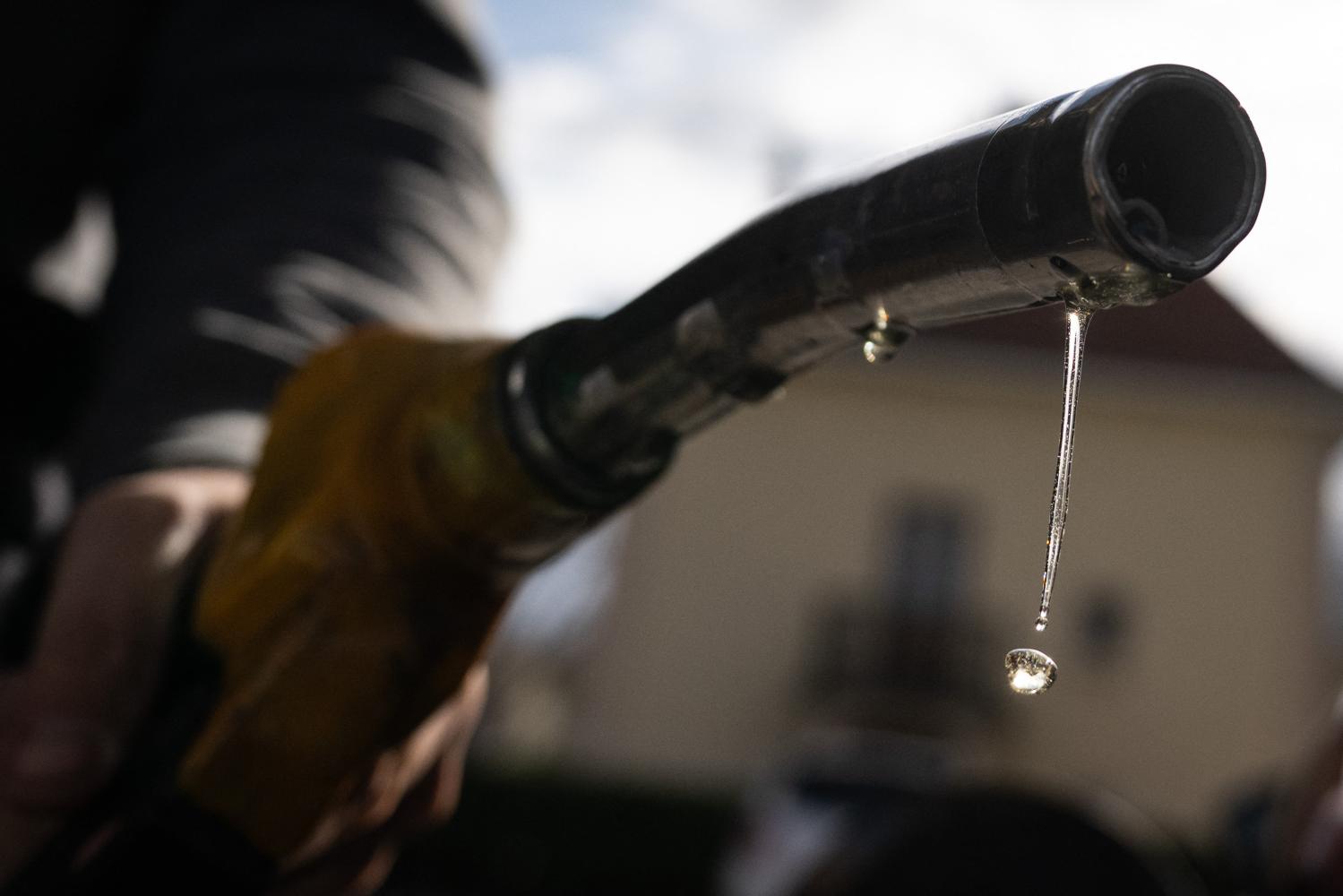
» The oil-rich monarchies of the Persian Gulf are often described as petrostates. But the US-Israeli war with Iran has highlighted that they are also saltwater kingdoms, societies whose survival depends on desalination, or converting seawater into potable water at industrial scale.