



Showing 1 - 10 of 147
Emerging markets stand strong
Oped, Kristalina Georgieva and Mohammed Al-Jadaan, Published on 12/02/2026
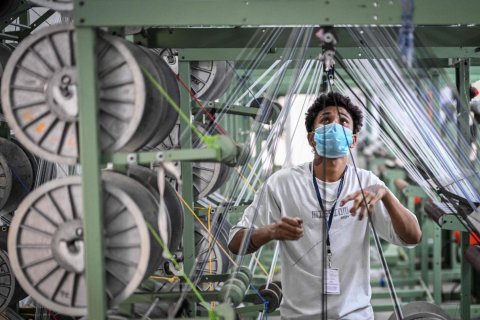
» It used to be that when advanced economies sneezed, emerging markets caught a cold. That is no longer true. Following recent global shocks, such as the post-pandemic inflation surge and a new wave of tariffs, emerging markets have held up well. Inflation has continued to slow, currencies have generally retained their value, and debt issuance costs have remained at manageable levels. There has been no sign of the kind of financial turbulence that came with past economic shocks.
Moderate global growth masks regional strains
Oped, John J. Metzler, Published on 14/01/2026
» Global economic growth still continues, but at a moderate pace. That's the verdict from the UN's World Economic Situation and Prospects 2026, which predicts that global economic output will grow by 2.7% this year, or slightly below the 2.8% estimated for 2025, but less than the pre-pandemic average of 3.2%.

Footpath chaos
Oped, Postbag, Published on 14/11/2025
» Re: "Public safety No.1," (Editorial, Oct 22). I am also a pedestrian and walk regularly. It is good for taking care of my health, especially my heart condition. To some extent, Thailand's walking paths are obviously good for citizens.

Growing pains
Oped, Postbag, Published on 27/10/2025
» Re: "Infrastructure upgrade to lift Thai tourism", (Business, Oct 25).

Narcotic nightmare
Oped, Postbag, Published on 10/10/2025
» Re: "Drug policy fails", (PostBag, Oct 8) & "PM hails successful drug suppression campaign", (BP, Oct 4).

Strongman warning
Oped, Postbag, Published on 30/09/2025
» Re: "Authoritarians' brave new cities", (Opinion, Sept 23).

Bolt from the blue
Oped, Postbag, Published on 29/09/2025
» Re: "Safety first in golf", (PostBag, Sept 25) & "Caddie dies after being hit by lightning on golf course", (BP, Sept 23).

Behind the smiles
Oped, Postbag, Published on 23/09/2025
» Re: "Govt denies seizing BBC footage", (BP, Sept 19).

Misguided policy
Oped, Postbag, Published on 22/09/2025
» Re: "B10,000 fine for drinking in pubs after hours", (Online, Sept 17)" & "Alcohol plans baffle industry", (Editorial, Sept 21).
An Asean free from 'wars on drugs'
Oped, Gloria Lai, Published on 19/09/2025
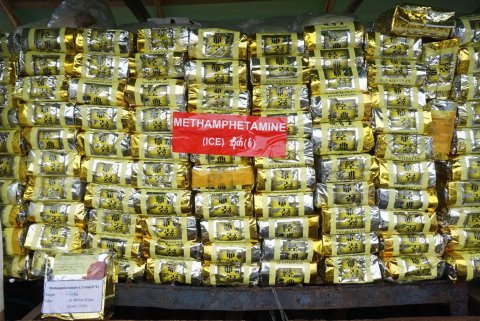
» Asean governments recently met in Singapore for a regional meeting about drugs, where the host nation urged renewed commitment to a "drug-free region". The problem isn't simply the recycling of an outdated mantra first declared in 1998, nor the fact that the region's drug markets have only expanded since then, but that this approach ignores how government policies themselves shape those markets -- and the devastating harms that follow.