




Showing 1 - 10 of 1,042
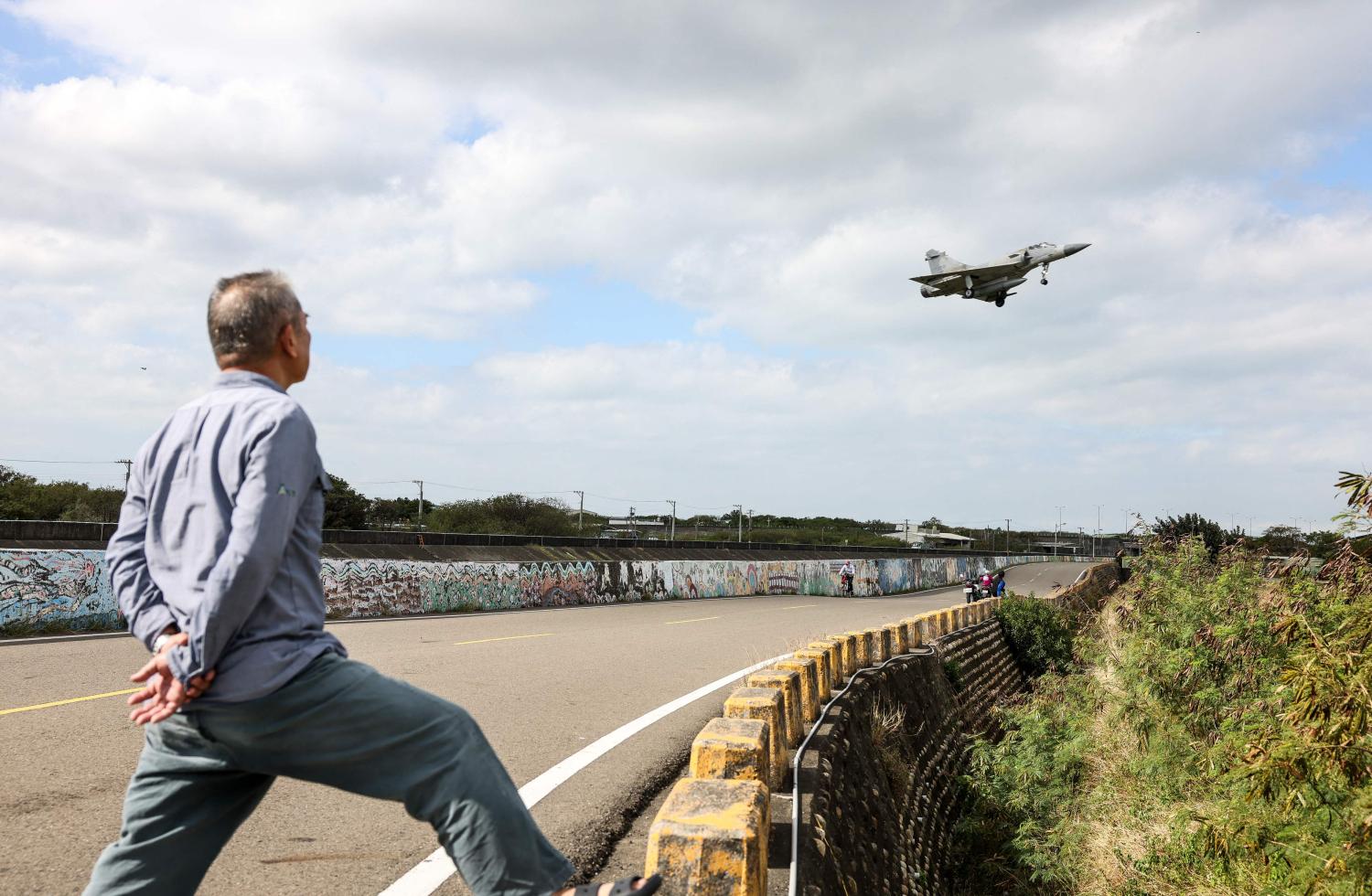
Chokepoints expose fragility of our global order
Oped, Todd G Buchholz, Published on 22/04/2026
» Most schoolchildren learn that the Earth is roughly 40,000km around. They do not learn that the global economy depends on just 160 of those kilometres.
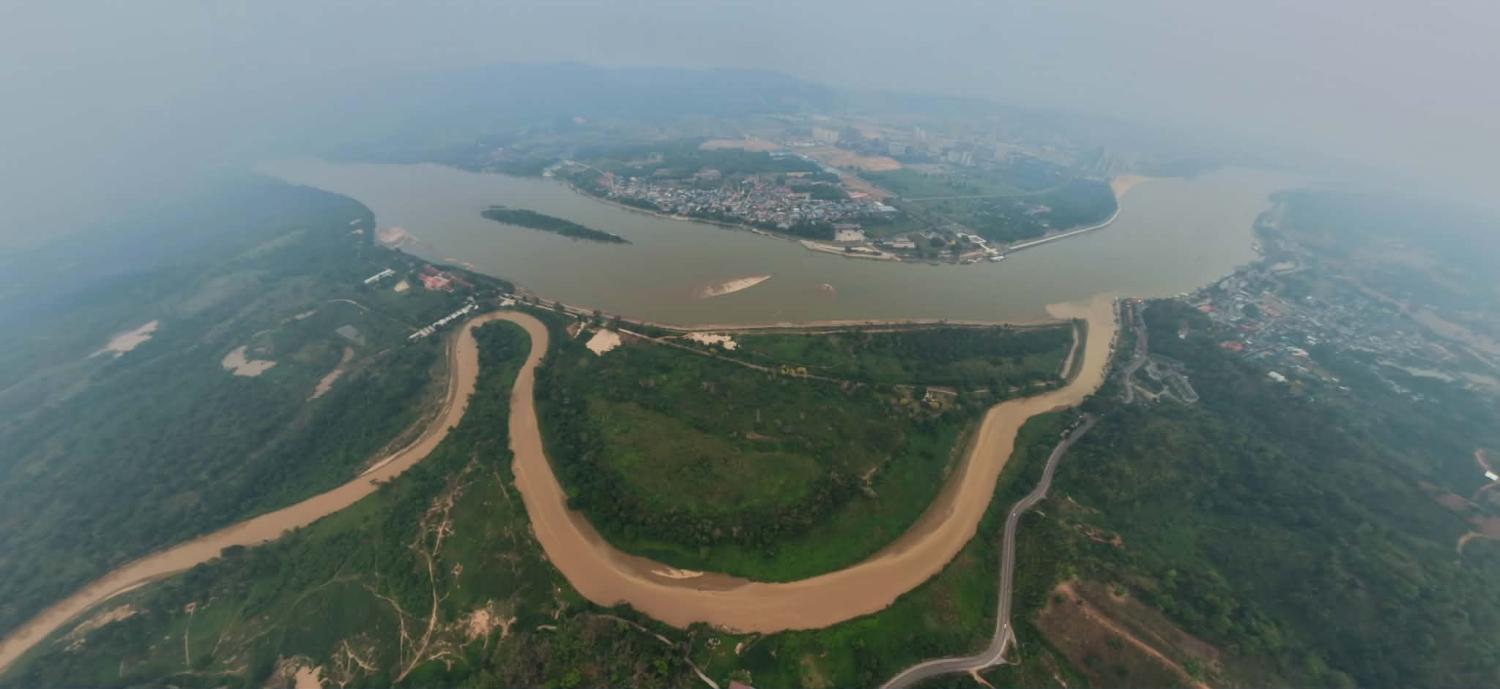
Mining is killing region's rivers
Oped, Pianporn Deetes, Published on 21/04/2026
» Last week, Thailand's Pollution Control Department (PCD) released a report on its tenth round of water quality monitoring tests on three rivers in the northern region. The report is based on samples taken from the Kok, Sai, Ruak, and Mekong rivers in the country's northernmost area.
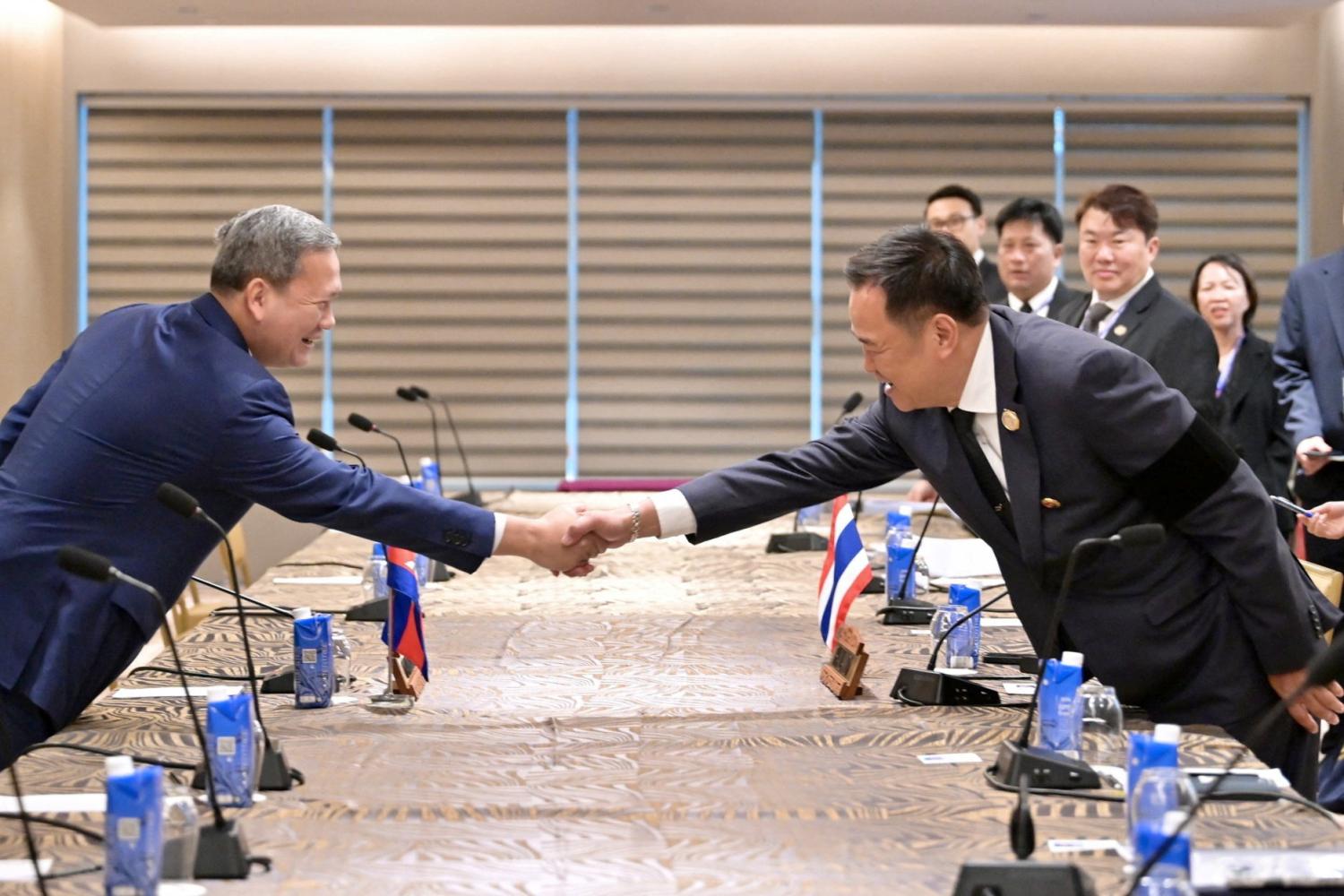
Border dispute needs steady dialogue
Oped, Kavi Chongkittavorn, Published on 21/04/2026
» Cambodian Prime Minister Hun Manet's recent comment prioritising bilateral negotiations is welcome news. However, it is not a breakthrough. Rather, it is a return to what should have been the modus operandi from the beginning.
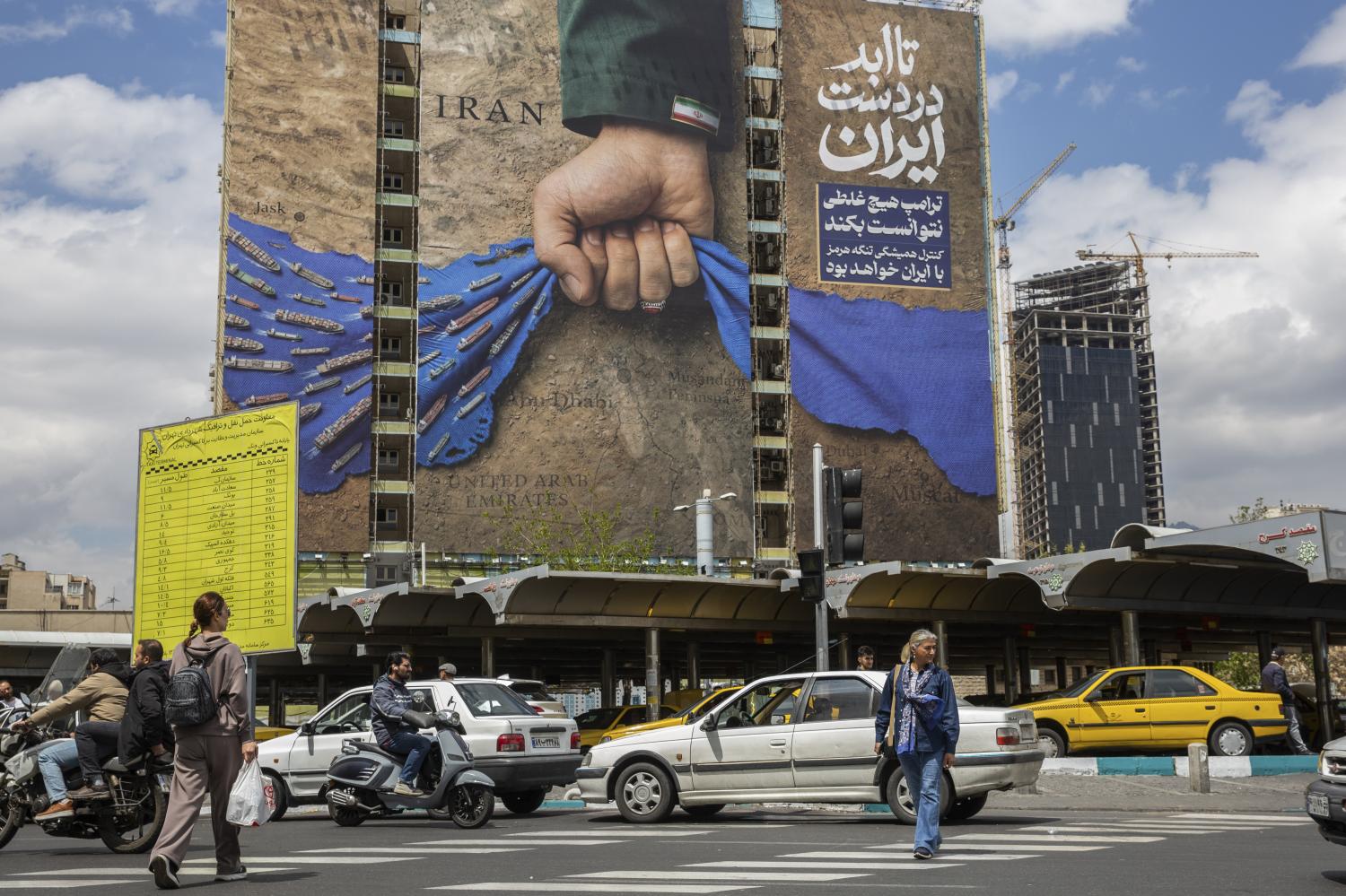
The war and its likely consequences
Oped, Thitinan Pongsudhirak, Published on 17/04/2026
» As the joint attack between the United States and Israel against Iran that resulted in a wider regional conflict in the Middle East approaches its two-month mark, the directions of the war remain precarious while some of the longer-lasting consequences appear evident. Unsurprisingly, the war has been detrimental and damaging for all states and societies concerned, not just within the affected region but the wider world. Already we can start counting some of the long-term costs.

Myanmar looks east again in search of legitimacy
Oped, Larry Jagan, Published on 17/04/2026
» Myanmar understands it needs to reach out to the world if it is to end its isolation and roll back the sanctions much of the West has levied against it. To this end, the men in green, now in civilian clothes, are seeking the support of traditional allies -- China and Asean, especially Thailand -- as well as Bangladesh and Pakistan, in an effort to reset foreign policy and regain international acceptance.
Oil shock risks wider chain reaction
Oped, Chartchai Parasuk, Published on 16/04/2026
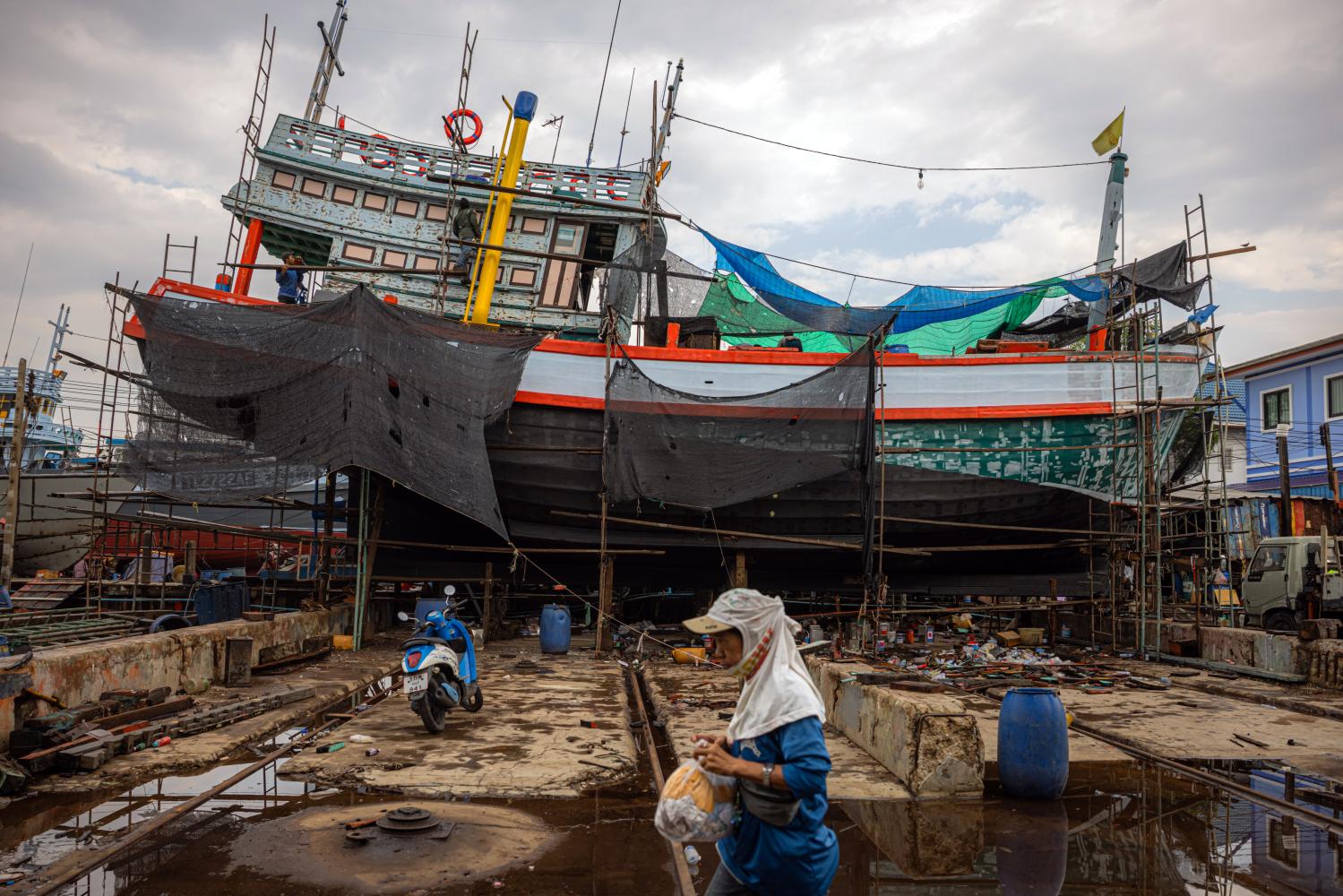
» There is no such thing as a free lunch. When global oil prices rise sharply, as they are doing now, someone must bear the cost. Some countries choose to absorb it through government support, as in Japan, while others pass the burden on to consumers, as in Thailand. Neither approach is inherently right or wrong; each carries different economic consequences. Policymakers must decide which set of outcomes is more acceptable and act accordingly.
The day the US became Britain at Suez
Oped, Philip J Cunningham, Published on 09/04/2026
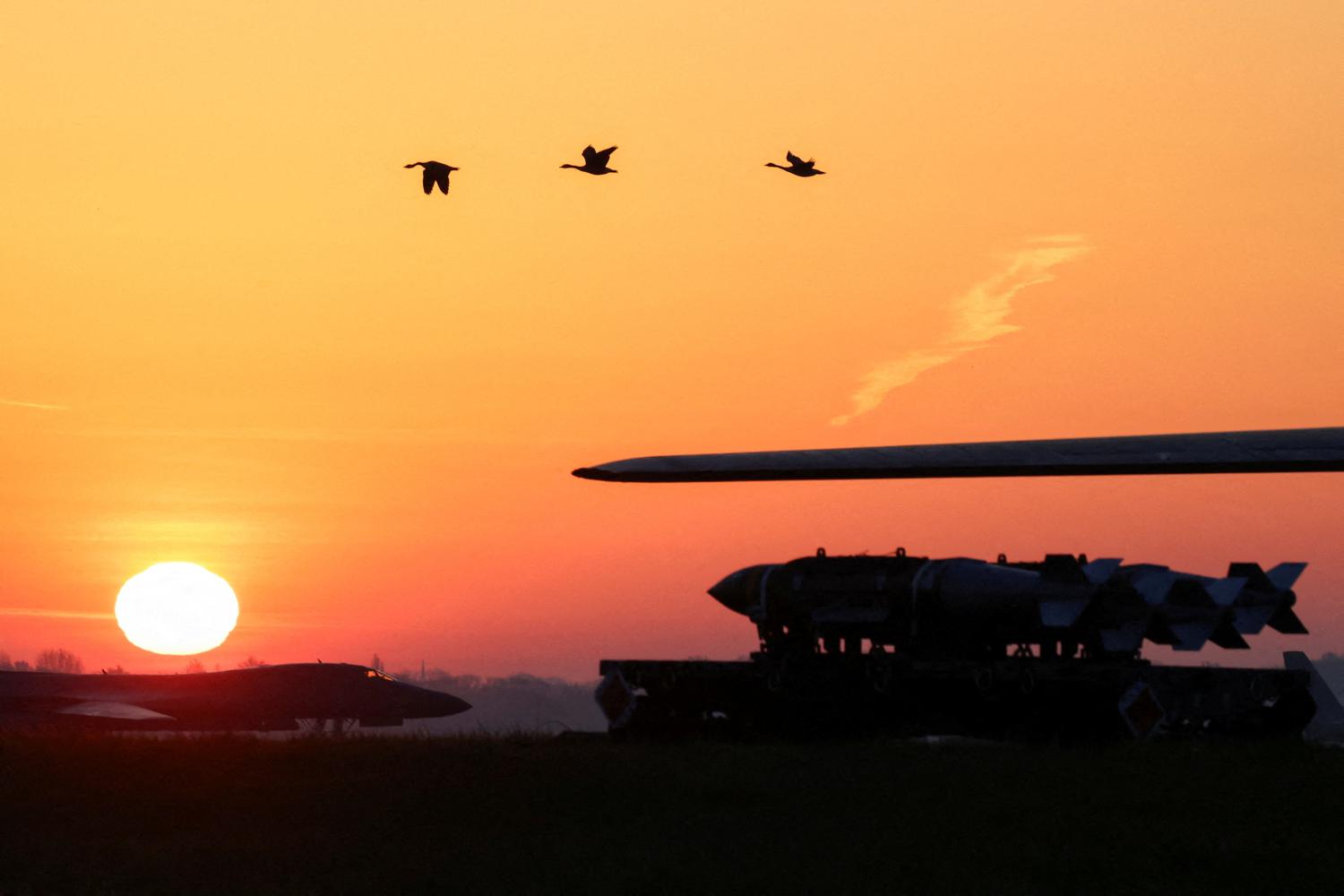
» The world's focus is on the US-induced debacle in the Strait of Hormuz, but it's another narrow strait that sums up the current state of US power in the world: Suez.

Policy debate a litmus test
Oped, Editorial, Published on 09/04/2026
» A major showdown looks set to take place between the government and the opposition as Parliament begins its policy debate later today.
Can alliances with the US be replaced?
Oped, Kavi Chongkittavorn, Published on 07/04/2026
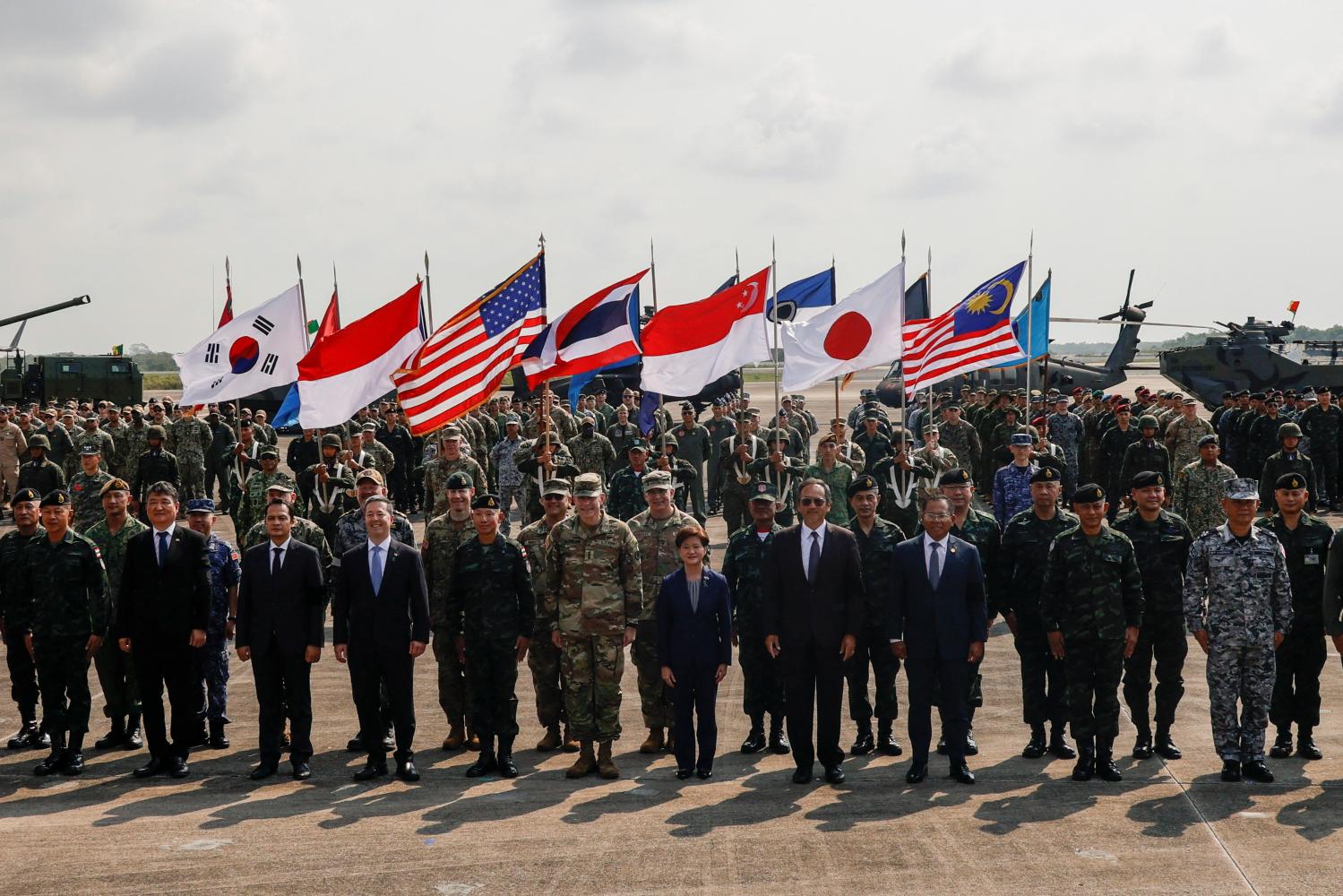
» The increasingly loud debate over the future of alliances -- after reports that the US could scale back or even withdraw from Nato -- is nerve-racking. It has caused alarm across Europe and in Southeast Asia, another node of the US alliance network. Even without any official decision, remarks by US President Donald Trump on social media were enough to shake already fragile US alliances. The question now frequently asked by Thai policymakers is: What comes next if alliances weaken?
Government stability tests performance
Oped, Thitinan Pongsudhirak, Published on 03/04/2026
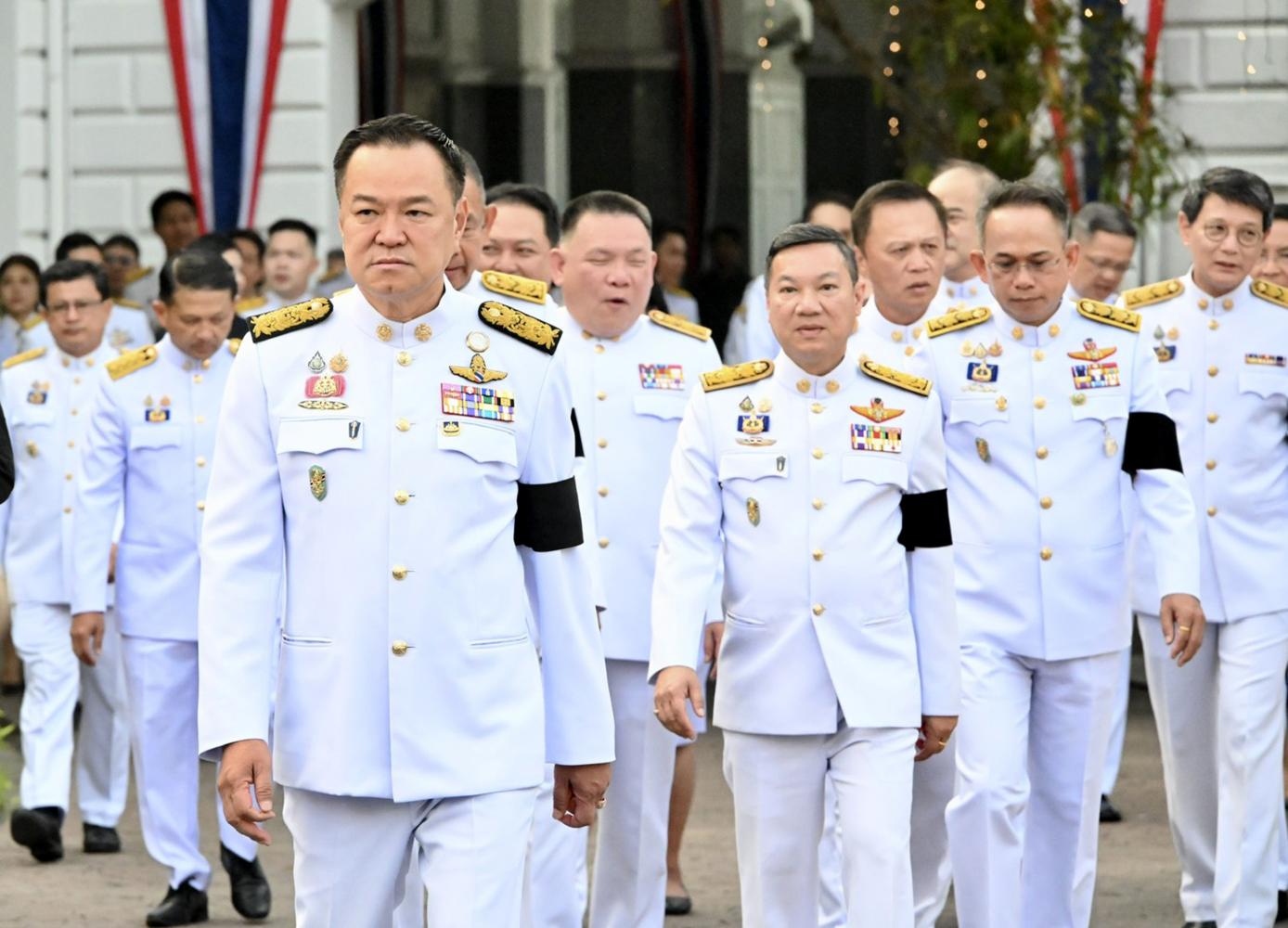
» Prime Minister Anutin Charnvirakul has gone from strength to strength, leveraging a stopgap minority government late last year into solid majority rule after the Feb 8 election.