




Showing 1 - 10 of 18

Old school forever
Oped, Postbag, Published on 04/03/2025
» Re: "AI has potential, but care needed", (Editorial, Feb 23).
Less is more in restoring Asia's past
Oped, Jeff Allen & Waraporn Suwatchotikul, Published on 01/08/2024
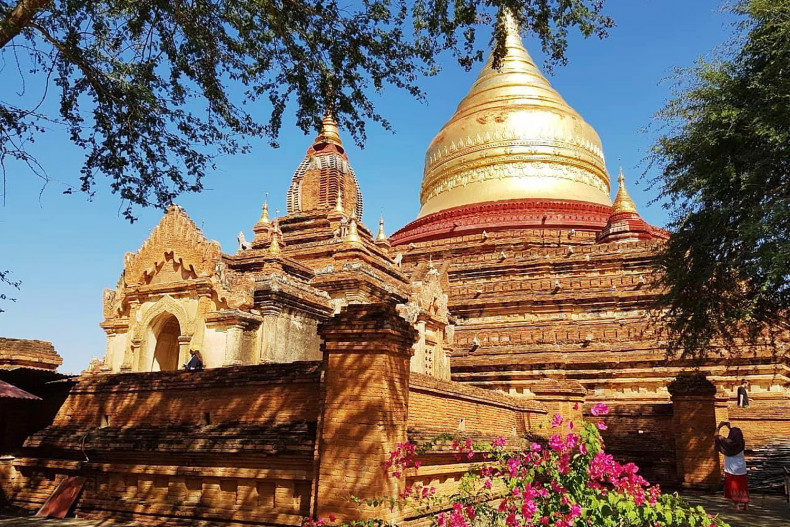
» For decades, restorations of Southeast Asia's archaeological sites have typically involved transforming the past rather than faithfully presenting it. Conservationists often take a heavy-handed approach, embellishing a site to effectively "manufacture" a ruin that will appeal to visitors. But this tends to do more harm than good.
Ensuring safety and health at work
Oped, Chihoko Asada-Miyakawa, Published on 26/04/2024
» Climate change is having serious impacts on the safety and health of workers in the Asia-Pacific region.

Getting historic renovations right
Oped, Atch Sreshthaputra, Published on 09/11/2023
» There has been some good news about the conservation of heritage architecture in Thailand in recent years -- but bad news as well. First, the good part: our society is waking up to the value of heritage. Despite little public funding and weak legal protection, some old buildings and sites are being conserved. Many people, companies and institutions throughout the nation now recognise that preserving our historic architectural resources improves our economy, communities and quality of life.

Graft central
Oped, Postbag, Published on 11/10/2023
» Re: "Chada says crackdown gathers pace", (BP, Oct 10).
Prioritising Kanchanaburi conservation
Oped, Weeraphan Shinawatra, Published on 27/04/2023
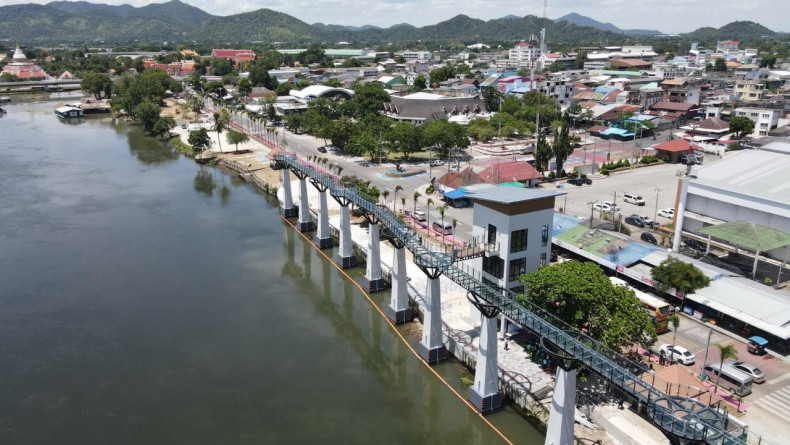
» 'If you build it, they will come." That's often the thinking behind big projects like amusement parks, shopping malls, tourism venues and sports arenas. Sometimes a new facility attracts many visitors, investors make a profit, or a government agency delivers substantial benefits to the public. Sometimes not.
Sports stadiums echo ancient divisions
Oped, EDWARD WATTS, Published on 20/08/2022
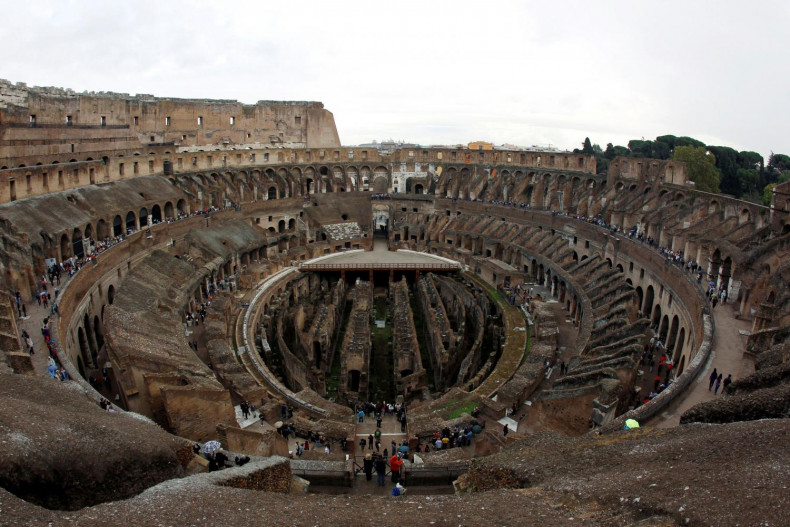
» More than 230 amphitheatres, among the largest and most memorable monuments left to us by the Romans, survive in cities from northern England to the banks of the Jordan River. The Romans built amphitheatres for more than 500 years in a range of sizes -- from a capacity of a few thousand to 50,000 in the Colosseum -- using a variety of techniques. The amphitheatre at Pompeii was built in the first century BCE by workers who excavated hillsides, placed terraced seating on the packed soil, and erected retaining walls to hold the rows of seats in place. The amphitheatre in Bordeaux was built nearly 300 years later as a freestanding oval fashioned out of brick, concrete, and cut stone.

Uniformly servile
Oped, Postbag, Published on 30/07/2022
» Re: "The dress code conundrum", (Life, July 26).
Geneva accord shows WTO has renewed clout
Oped, Ngozi Okonjo-Iweala, Published on 05/07/2022
» As a beautiful dawn crept over Lake Geneva on June 17, a remarkable thing happened at the World Trade Organization's headquarters. After nearly six days of negotiations at the WTO's 12th Ministerial Conference -- culminating in a marathon 48 hours of non-stop talks -- ministers and senior officials from the body's 164 member states adopted a historic package of agreements. The multilateral deals -- of a scale and scope that the WTO has not achieved since the mid-1990s -- will help people, businesses, and the planet.
Can we still unite to do big things?
Oped, Kevin Watkins, Published on 19/05/2022
» When US Secretary of the Treasury Henry Morgenthau opened the Bretton Woods Conference almost 80 years ago, he reminded delegates that failures of international cooperation had led to the Great Depression, social division and ultimately war. "Prosperity, like peace, is indivisible," he concluded, "we cannot afford to have it scattered here or there among the fortunate ... Poverty, wherever it exists, is menacing to us all."