



Showing 1 - 10 of 52

De Vicenzo's heartbreak: One wrong, one lost Masters
Sports, Brett Brasier, Published on 22/04/2026
» Scorecard rules require that you and your marker verify that the hole-by-hole scores are accurate and sign the card, and return it promptly after the round. Signing for a lower score on a hole results in disqualification, while signing for a higher score means the higher score stands. Before signing, ensure the score for each individual hole is correct. The card must be signed by both you and your marker to be valid.

Free relief, OB stakes and the one-club drop
Sports, Brett Brasier, Published on 11/02/2026
» Please allow me to try and explain what is an immovable obstruction once more. They are basically artificial, fixed objects like cart paths, sprinklers, or fences -- they allow for a free, one-stroke relief drop if they interfere with a player's lie, stance, or swing. Relief is not permitted for line-of-sight interference. Players must find the nearest point of complete relief, not closer to the hole, and drop within one club-length.
A few simple setup tweaks
Sports, Brett Brasier, Published on 06/08/2025
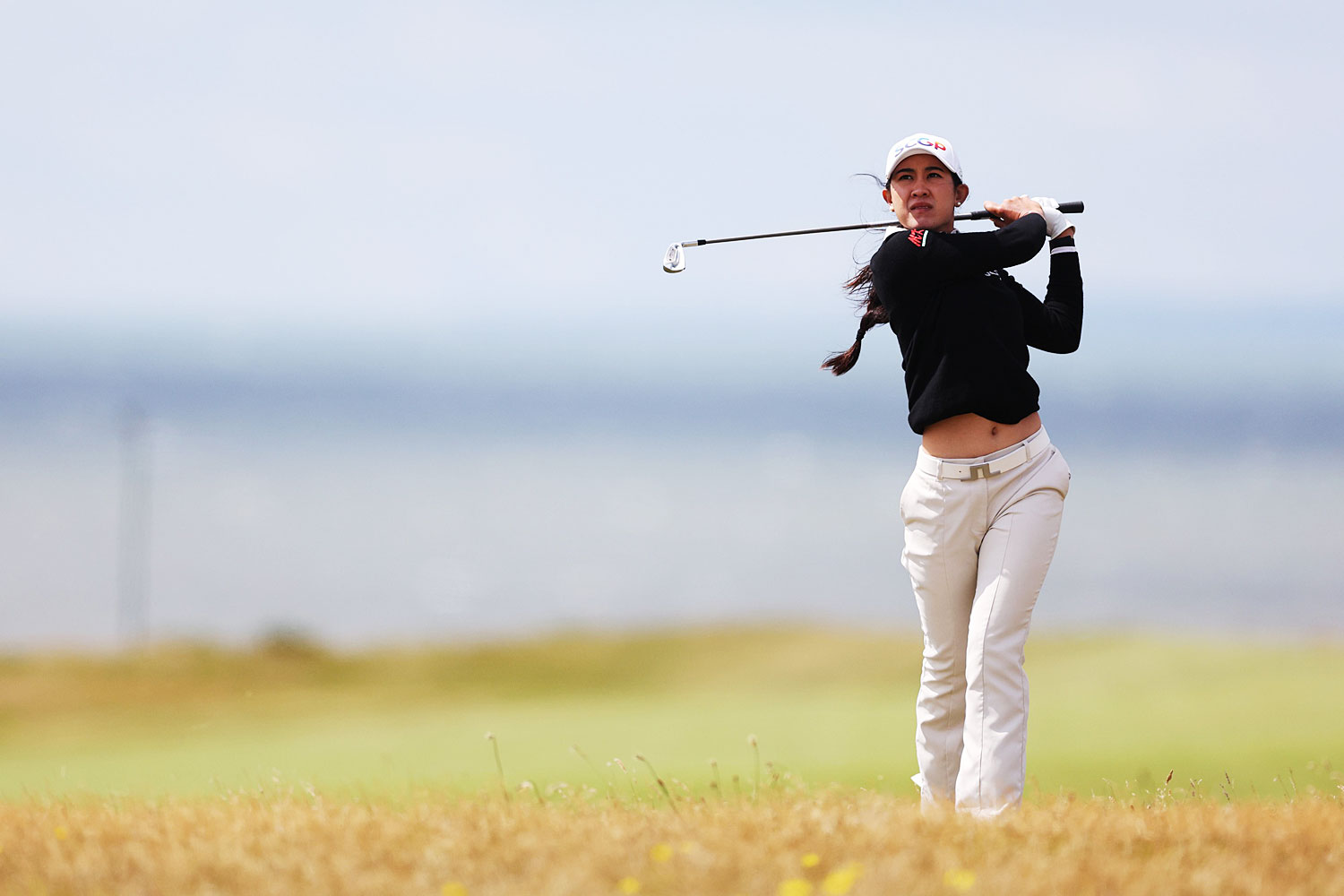
» Those of us getting on in life usually have more time to play but suffer from less flexibility, less range of motion and less speed. It's a sad combination, especially when your brain still remembers the swing you used to have.

Why pressure and practice games matter
Sports, Brett Brasier, Published on 16/07/2025
» It's been proven that the brain can't learn unless you are challenging it with random tasks. Showing up to the range and hitting your driver for hours on end won't do much to improve your golf game. This is exactly why practice games are so effective. They simulate real pressure that you will feel on the course and encourage you to practise like you play.

Emotional control is the golfer's true handicap
Sports, Brett Brasier, Published on 30/04/2025
» During a round of golf be aware of your emotions during different stages of the 18 holes. Try to monitor your feelings and your attitude towards how you're playing and towards your playing partners. Try to practise self-awareness during your round, so that you don't allow any emotions to cloud your judgment, that might initiate negative golfing thoughts. Recognise that a bad shot or hole will naturally trigger a sense of a feeling of loss, because you've added one or more shots to your score.
Anger management a vital key to success
Sports, Brett Brasier, Published on 16/04/2025
» The vital importance of having a great brain box that's sparking and works well under all the problems thrown at a golfer during any round, is perhaps just as vital as the mechanics of a good golf swing. Just think of all the rubbish that Rory had to face in winning last week, the constant mundane old boring useless questions that he had to answer whilst smiling and showing interest in replying to what he had for breakfast and what he watched on TV last night.

Fairway to heaven: Tips for seniors
Sports, Brett Brasier, Published on 09/04/2025
» For those of us walking up the last few holes of life here are a few facts that you should be fully aware of, even though they are a little depressing.

Master your putting and transform your game in '25
Sports, Brett Brasier, Published on 08/01/2025
» Let's start the New Year off with something very basic 'Putting' -- as whether we like it or not for the average golfer, half of golf is putting. Top players earning their living on Tour only use up around 26, 27 or 28 putts per round. This basically relates to two putts every other hole and just one putt for the hole in between.
Out of bounds: Mastering thoughts for better rounds on course
Sports, Brett Brasier, Published on 27/11/2024
» The following is from Dr Brasier's experiences of many rounds of golf with many strange people. Golfers don't have a particular tool for creating good rounds, or from their thoughts as they create a good score. All thoughts we have in our minds are not ours. Hidden things from the subconscious are just thoughts. For example, fear is a thought, blocking something out is a thought, habit is a thought, apprehension of a particular course, shot or opponent is a thought. Several kinds of anxieties, any "What if" -- these are also thoughts.
How mental barriers affect a player's game
Sports, Brett Brasier, Published on 06/11/2024
» The psychological area that comes with the game of golf is hugely underestimated. If you don't think hard about how your brain is working, as you are walking around the course it is important, think of all the players who used to play great yet couldn't even hit a cow's backside with a cricket bat.