



Showing 1 - 10 of 116

Risk of crisis growing more acute
Oped, Chartchai Parasuk, Published on 05/03/2026
» This article is a follow-up to my previous piece titled "Fiscal deficit will trigger 2026 crisis". In that article, I argued Thailand's heavy dependence on external liquidity, combined with the government's need for 860 billion baht annually to finance its deficits, would lead to a severe liquidity shortage and, ultimately, a financial crisis.
Time for Indo-Pacific unity is now
Oped, Akihisa Nagashima, Published on 26/12/2025
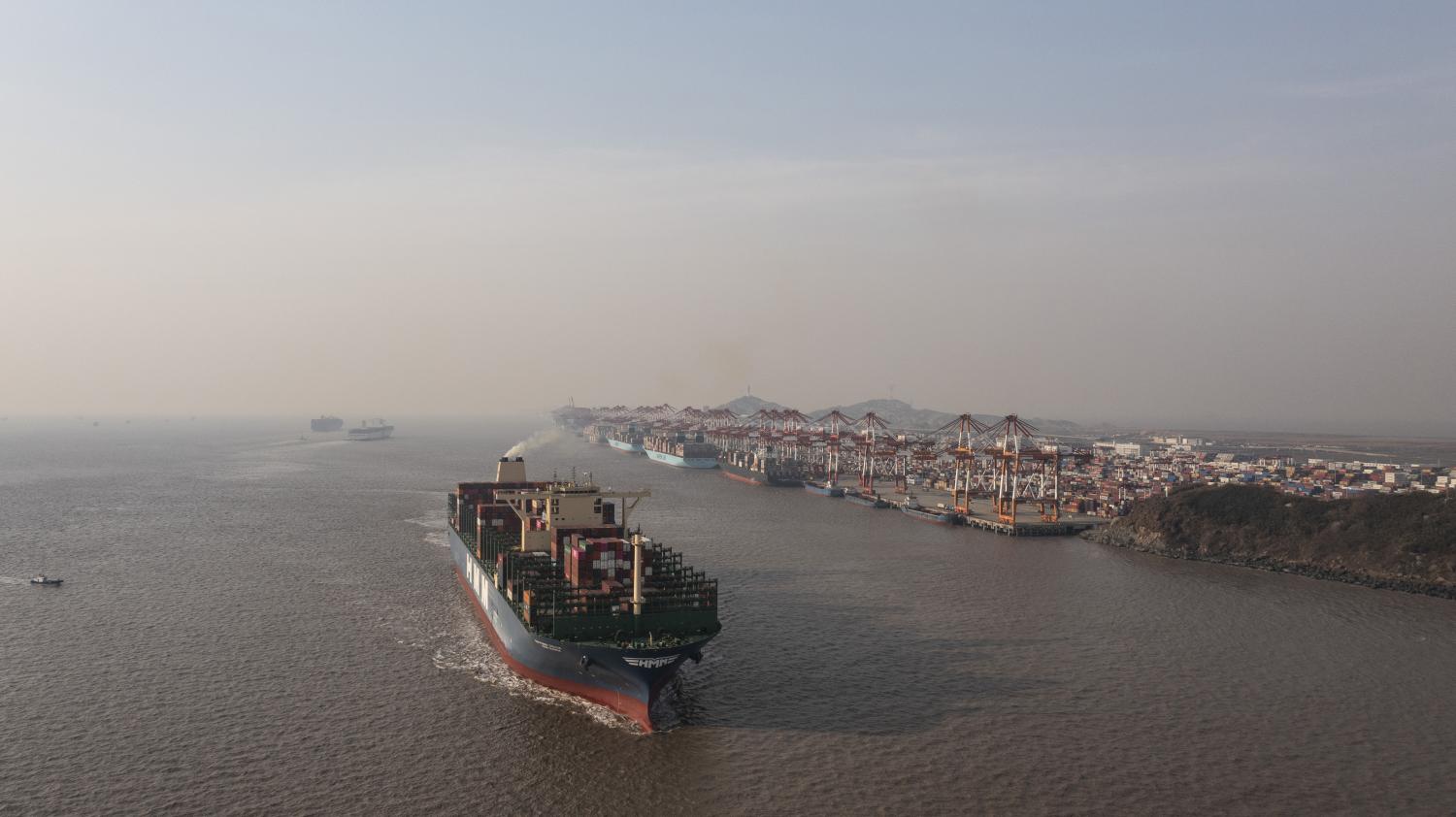
» We are living in an age of global disruption. Supply chains are being reconfigured to avoid dependence on any one producer or country. Trade ties are being upended by high and unpredictable tariffs (and the threat of more). Longstanding alliances are being strained by doubts about partners' reliability.

G20 must commit to debt relief
Oped, Olusegun Obasanjo, Published on 04/12/2025
» As G20 leaders met in Johannesburg last month, they faced a grim reality: many developing-country governments are spending more than they can afford on debt service. To keep funds flowing to foreign creditors, policymakers have been forced to cut spending on education, health care, and infrastructure. These countries have so far avoided default, but at the expense of their own development.

VAT hikes alone won't narrow deficit
Oped, Chartchai Parasuk, Published on 27/11/2025
» This article is not meant to attack Finance Minister Ekniti Nitithanprapas’s Medium-Term Fiscal Framework (MTFF) for the fiscal years from 2026 to 2030. It is meant to emphasise the fragility of a Thai fiscal position that requires multiple revenue enhancement measures.
Cutting Asia's reliance on dollars
Oped, Yasuto Watanabe & Hiro Ito, Published on 02/10/2025
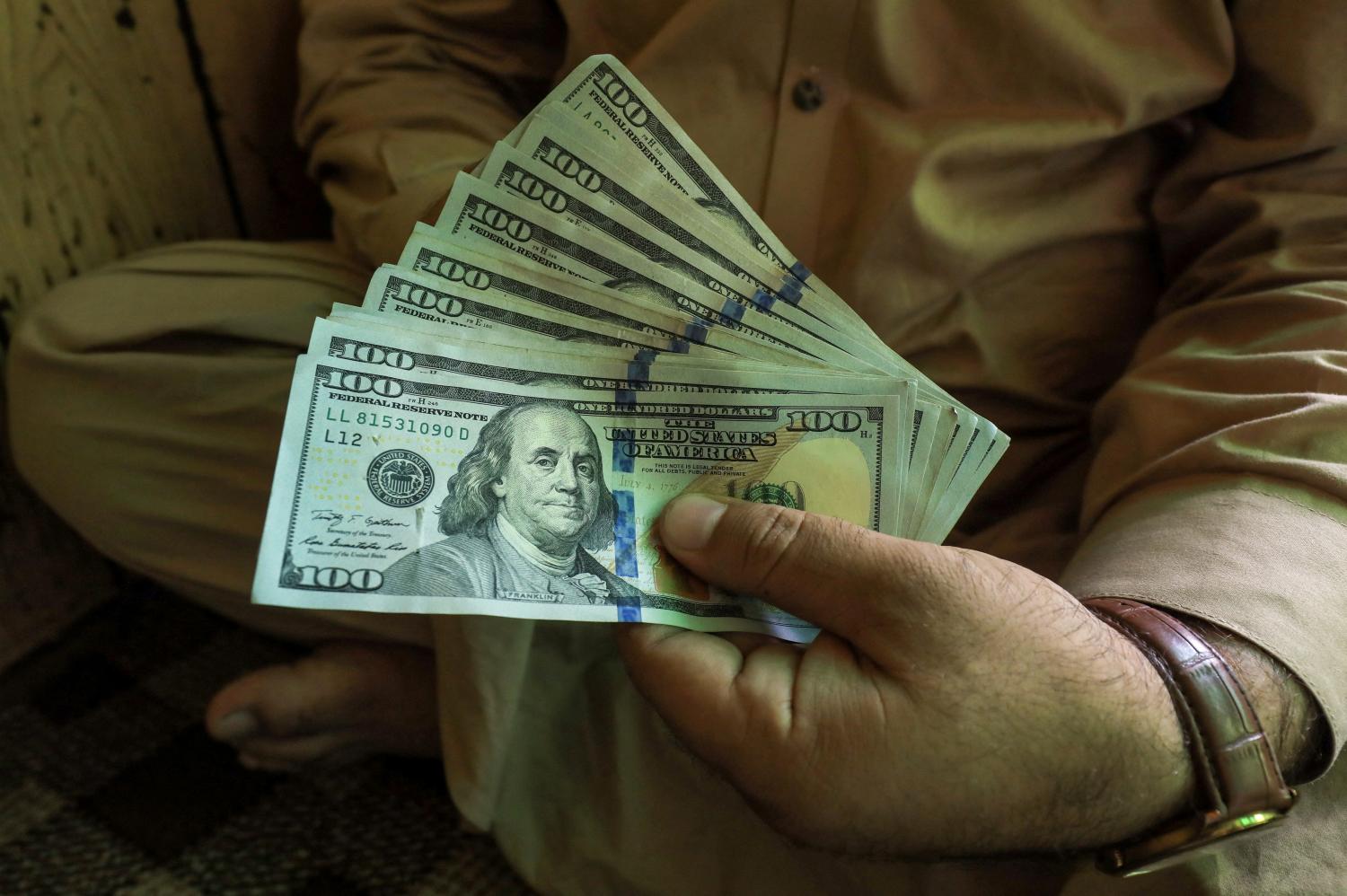
» The US dollar remains the world's leading reserve currency, but recent developments -- particularly President Donald Trump's unilateral economic diplomacy, including weaponisation of the dollar -- have fuelled doubts about whether it will maintain that status. While some of America's geopolitical rivals may hope to displace the dollar, the real challenge facing Asian economies is to manage the vulnerabilities created by their heavy dependence on it.
Renminbi debt in a dollar-denominated world
Oped, Paola Subacchi, Published on 25/09/2025
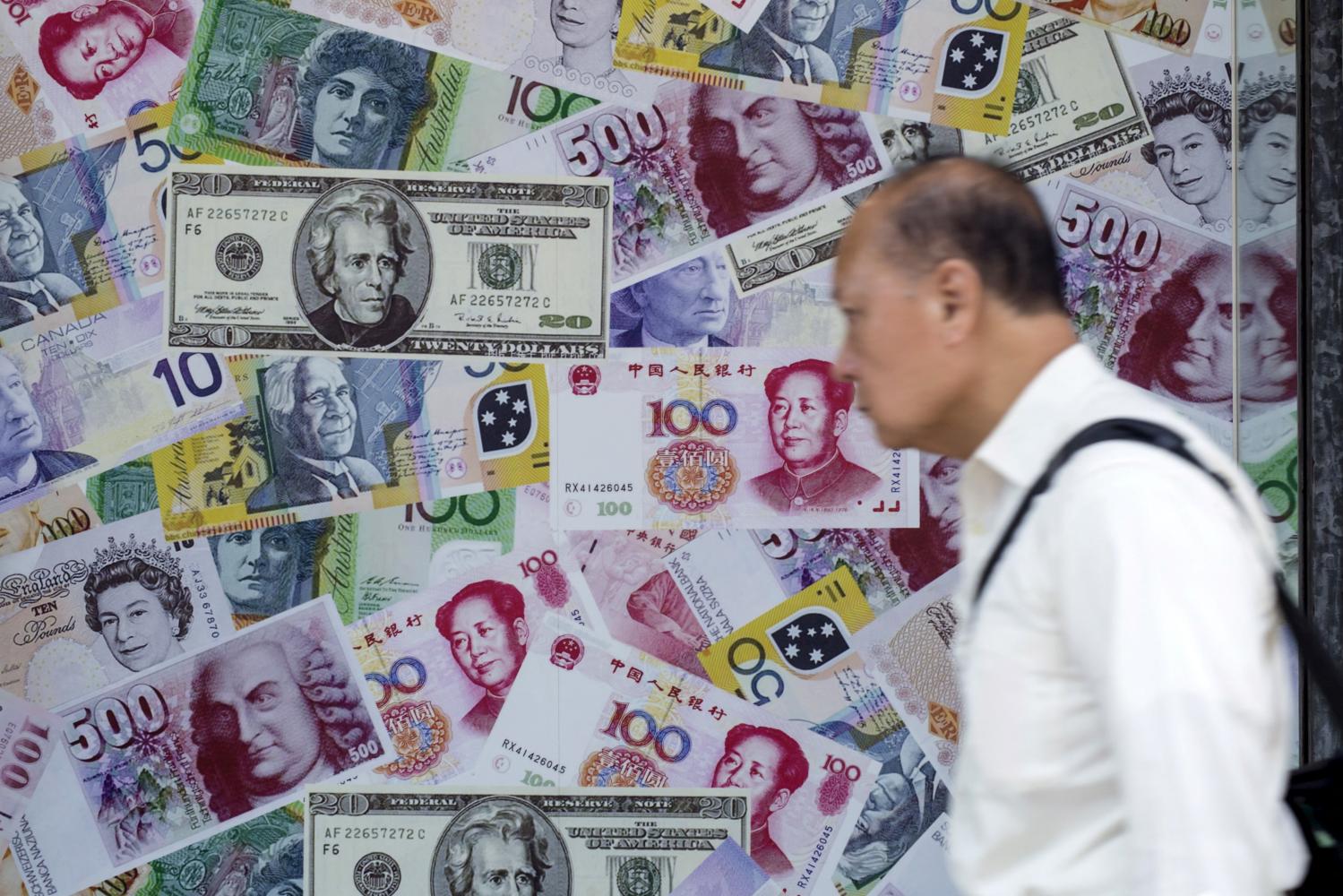
» When governments borrow on international markets, they do so overwhelmingly in US dollars. Roughly two-thirds of international debt issuance is denominated in foreign currencies, of which nearly half is in dollars and about 40% is in euros. The rest is spread across other currencies, including the Chinese renminbi.

No time to wait for Thai fiscal reform
Oped, Wichit Chantanusornsiri, Published on 17/09/2025
» The daunting mission of the four-month-old government led by Prime Minister Anutin Charnvirakul is to revive an economy that has been sluggish for a long time. Can the Anutin government deliver? After all, tackling "bread-and-butter" issues requires fiscal sustainability.
The incalculable costs of corrupt statistics
Oped, Diane Coyle, Published on 29/08/2025
» With GDP and employment figures dominating political debates, it is easy to forget that they are hardly timeless truths. In fact, how we measure progress has shifted dramatically over time. The Physiocrats -- eighteenth-century French economists who saw agriculture as the source of all wealth -- regarded farms' output as the most important economic indicator. The Soviet Union, for its part, focused exclusively on goods production and ignored services altogether.

1% GDP growth impacts will be severe
Oped, Chartchai Parasuk, Published on 21/08/2025
» Where did I get the idea that GDP growth in the second half of 2025 would only be 1.0%? The answer is the government, as the National Economic and Social Development Council (NESDC) told me so.
Voting fraud still an issue
Oped, Editorial, Published on 19/08/2025
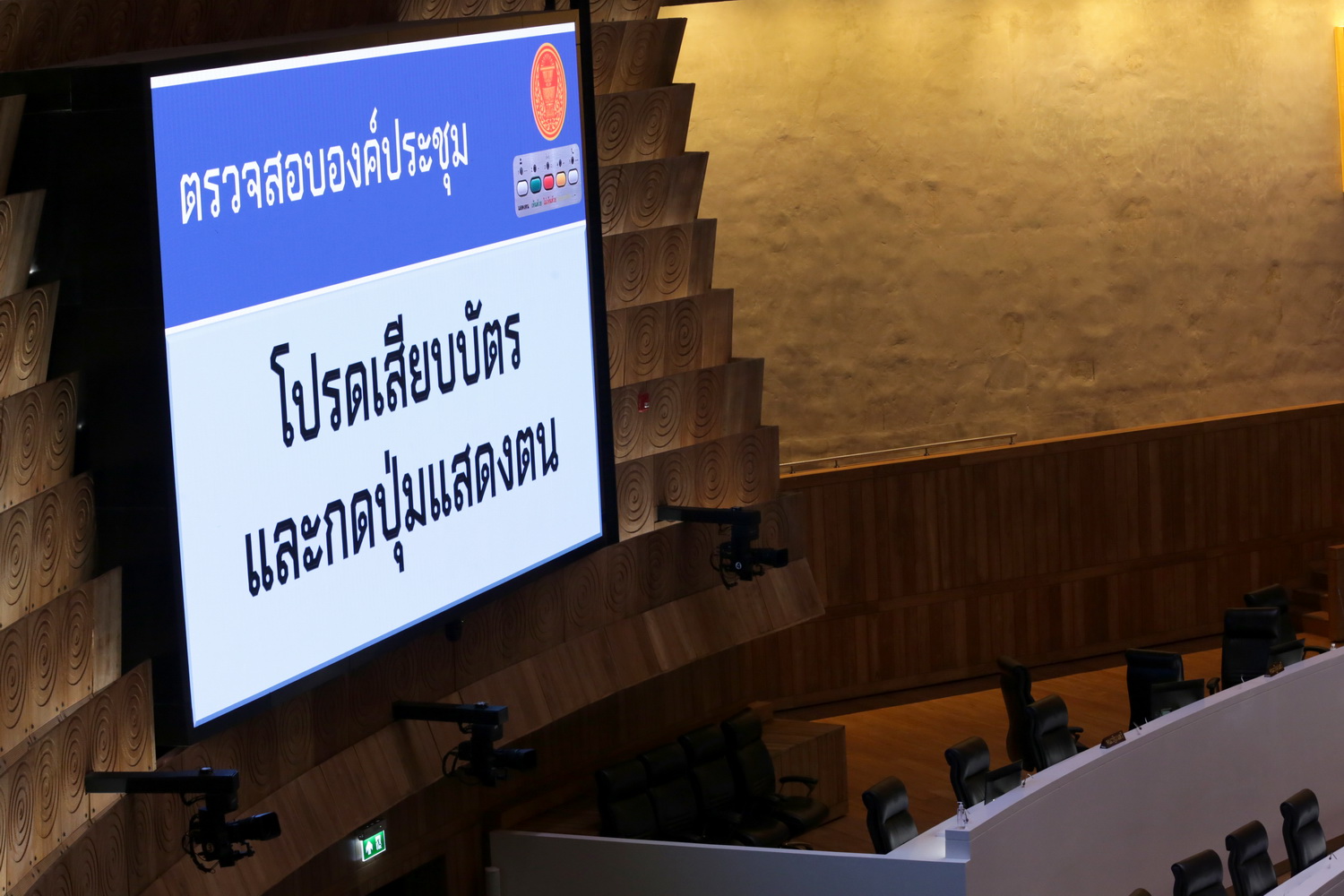
» The latest report about MPs receiving cash offers to vote for bills proposed by the government shows how money politics continues to corrode Thailand's parliamentary system. An immediate and thorough investigation is needed to clear up any doubts about the integrity of our lawmakers and find out who the wrongdoers are, in the hope of preventing illegal lobbying in the future.