



Showing 1 - 10 of 16
The new Covid challenge
Asia focus, Nareerat Wiriyapong, Published on 11/07/2022
» As many Thais return to the office, entertainment venues reopen and wearing face masks is no longer mandatory in outdoor public places, new daily coronavirus cases have begun to climb lately, notably among school students.

Development the natural way
Asia focus, Apiradee Treerutkuarkul, Published on 11/07/2022
» Southeast Asian countries don't have to follow the economic development models of the last century to grow and thrive, say advocates for a nature-based economic model.
Will China hit its growth target?
Asia focus, Shang-Jin Wei, Published on 09/05/2022
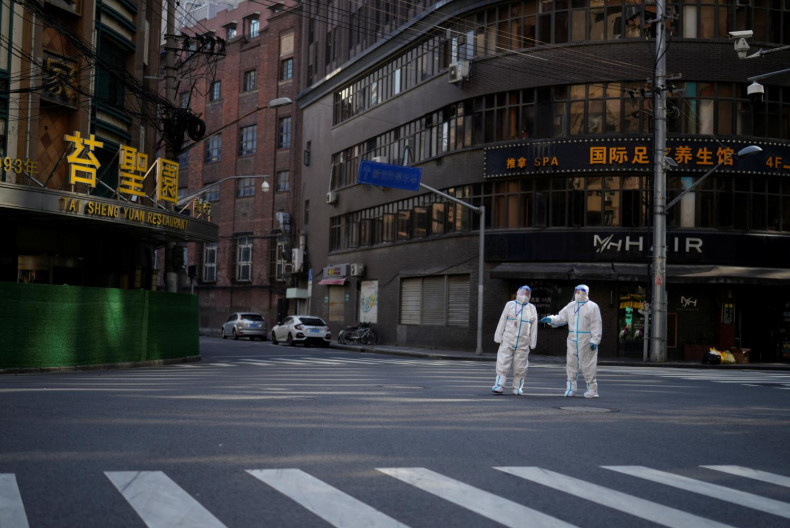
» In early March, Premier Li Keqiang announced that China was targeting GDP growth of "about 5.5%" this year. That would be ambitious even without Russia's war against Ukraine and the attendant increases in global energy and food prices.
Asean's next move
Asia focus, Nareerat Wiriyapong, Published on 29/11/2021
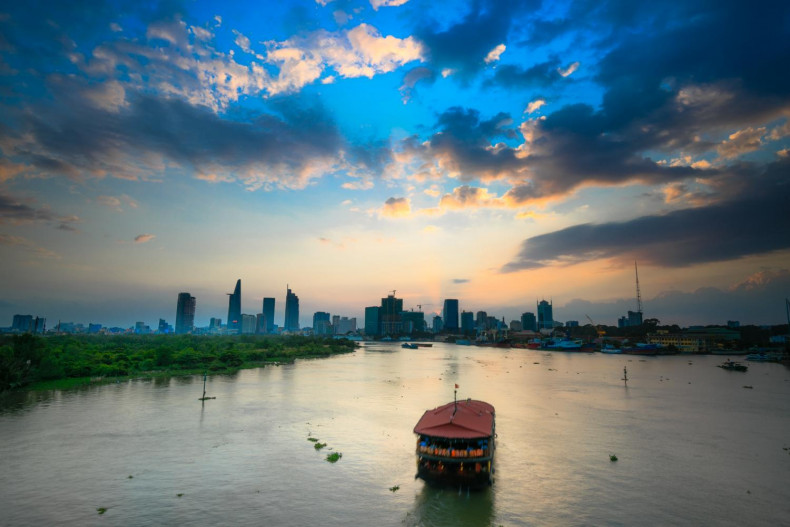
» The coronavirus pandemic has taken a severe toll on Asean countries again this year, with millions infected and tens of thousands of fatalities. While the worst of the surge appears to have passed, recovery will depend on pandemic management, especially the pace and efficacy of vaccinations, and response to the risks of new variants emerging.
Energy crossroads
Asia focus, Nareerat Wiriyapong and Ismira Lutfia Tisnadibrata, Published on 04/10/2021
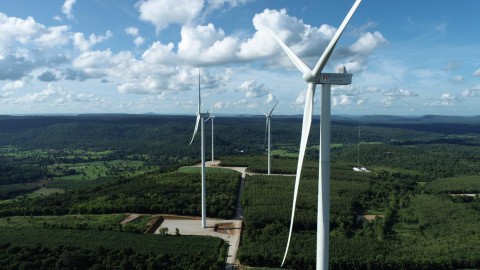
» The coronavirus pandemic has taken a huge toll on nearly all forms of economic activity and the energy sector is no exception. Mobility restrictions and lockdowns have put energy resilience to the test as demand plunges and many projects come to a standstill.
Biodiversity dividend
Asia focus, Apiradee Treerutkuarkul, Published on 16/08/2021
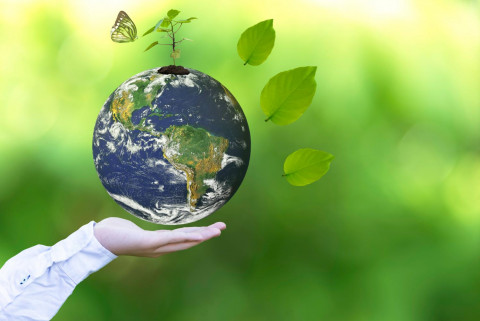
» Making biodiversity an integral part of economic and development strategy can bring a return on investment in economic, social and environmental terms. Southeast Asia, home to at least 60% of the world's tropical peatlands, 42% of all mangroves and 15% of tropical forests, has huge potential to capitalise such investments.
Tackling Asia's plastic pollution
Asia focus, By Jed Alegado, Clemens Kunze and Kevin Li, Published on 07/06/2021
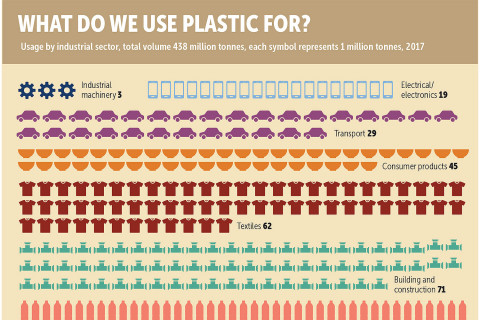
» Less than a century ago, most products in Asia were made mainly from natural materials, and were built to last or to biodegrade easily. People wrapped food in leaves or paper and carried it in reusable containers, returned glass milk bottles so that they could be sterilised and used again, and ate in restaurants using ceramic plates and stainless-steel cutlery.
Vaccinating Asean for a lower-carbon future
Asia focus, Jibran Ahmed, Published on 25/01/2021
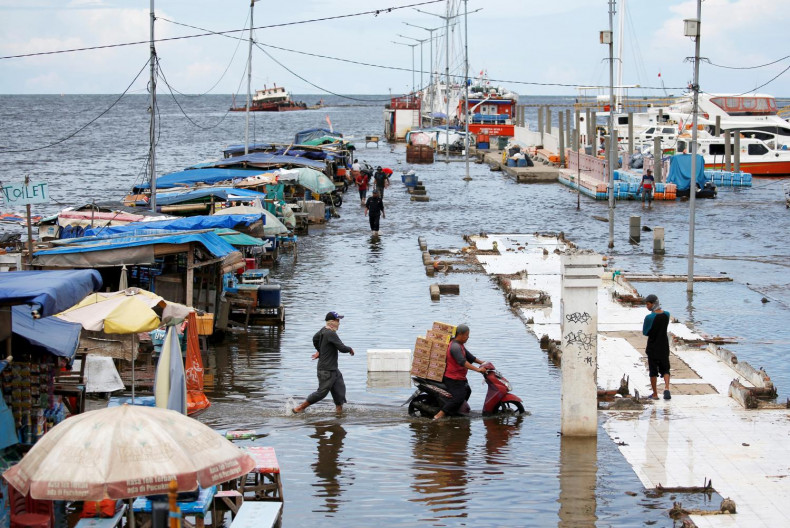
» It is said that green shoots can be found in anything if one looks hard enough. The Covid year of 2020 flew squarely in the face of that. With over 96 million infected and 2 million fatalities, the last 12 months have been traumatic for so many families around the world.

Growing back better
Asia focus, Patpon Sabpaitoon, Published on 13/07/2020
» The prolonged Covid-19 outbreak has caused widespread suffering as countries grapple with simultaneous health and socio-economic crises on an unprecedented scale. At a time of extreme global fragility, many businesses also remain unsure about how they can recover from the worst hardships they have ever experienced.
Plastic loves the pandemic
Asia focus, Nareerat Wiriyapong, Published on 04/05/2020
» The Covid-19 pandemic has upended daily life and commerce throughout the world. As one of the millions working from home over the past few weeks, I've grown accustomed to having meals delivered to my doorstep. Before that, I rarely used food delivery services; dining out was the norm rather than eating at home.