



Showing 1 - 10 of 30
How it all started
B Magazine, Story & photos by Suthon Sukphisit, Published on 22/03/2020
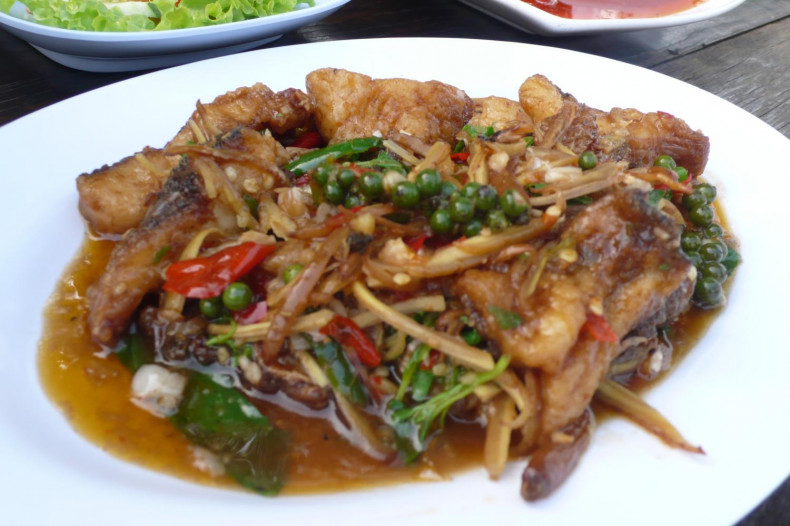
» Knowing what you eat is not merely knowing where you indulge in good food.
Keeping it real
B Magazine, Story & photos by Suthon Sukphisit, Published on 09/02/2020
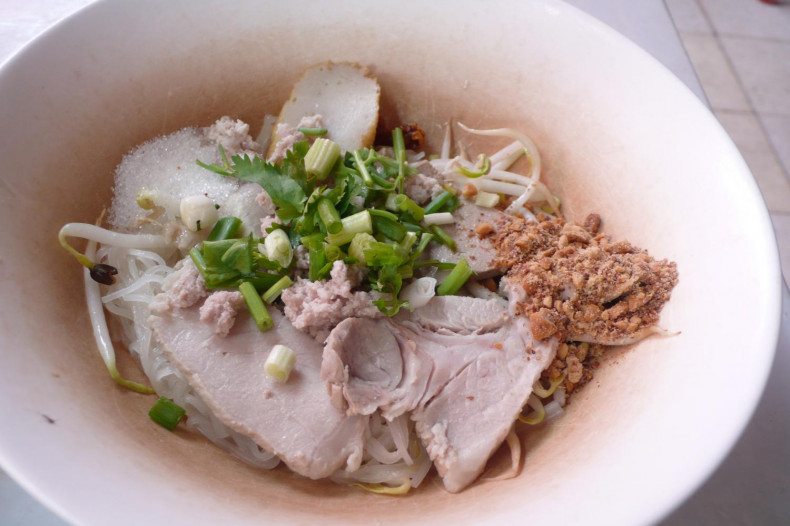
» Thailand can be dubbed the land of kuay tio (Chinese noodle) dishes. But we know very little about how they came into existence. It is known that kuay tio nuea (beef noodle soup) was created about a century ago in Chinatown, where a large number of migrant Chinese workers sold their cheap labour loading goods using their bare shoulders or pulled carts. Homeless and desperate, they took refuge in temporary shelters or storage warehouses at night. They went for the cheapest food, which was boiled pig or cow intestines with steamed rice. Peddlers sold the food in front of an opium den, where many labourers went to sleep at night after eating dinner.
Nutritious balancing act
B Magazine, Story & photos by Suthon Sukphisit, Published on 26/01/2020
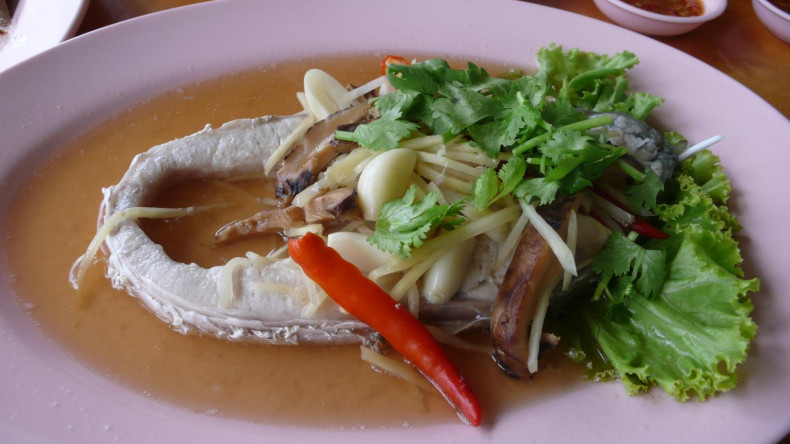
» In good health, people like to travel in search of delicious food or spend time cooking their own meals. When sick, loss of appetite occurs naturally. This symptom is universal, regardless of race, gender or age. As food consumption is crucial to maintain our health it is important to have some basic knowledge about types of food we should eat or avoid when we don't feel well.
The crunchy cure
B Magazine, Story by Suthon Sukphisit, Published on 15/12/2019
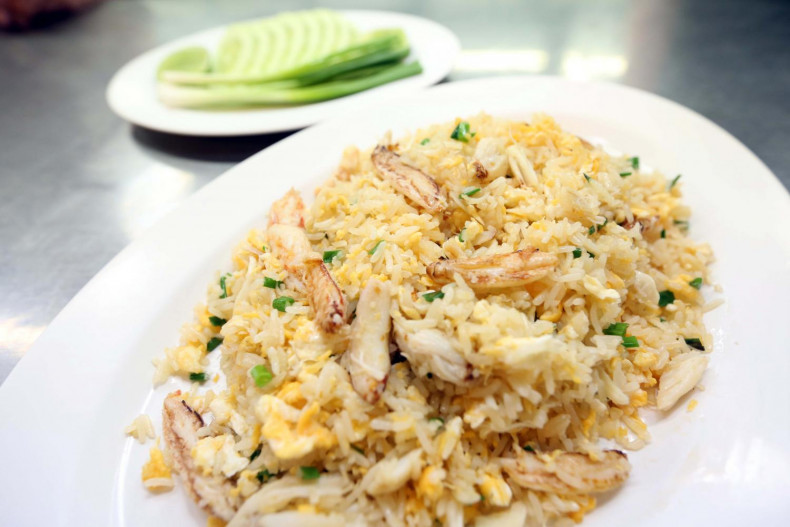
» When not feeling well, you may be advised to eat a lot of vegetables to overcome your sickness. Such advice is indeed sensible because a number of illnesses are caused by unhealthy diet, eg too much fatty meat, deep-fried foods and carbohydrates. Fresh vegetables are rich with vitamins, protein, minerals and fibre. They are cholesterol-free, fat-free and unsalted.
Going for a dip
B Magazine, Story & photos by Suthon Sukphisit, Published on 08/12/2019
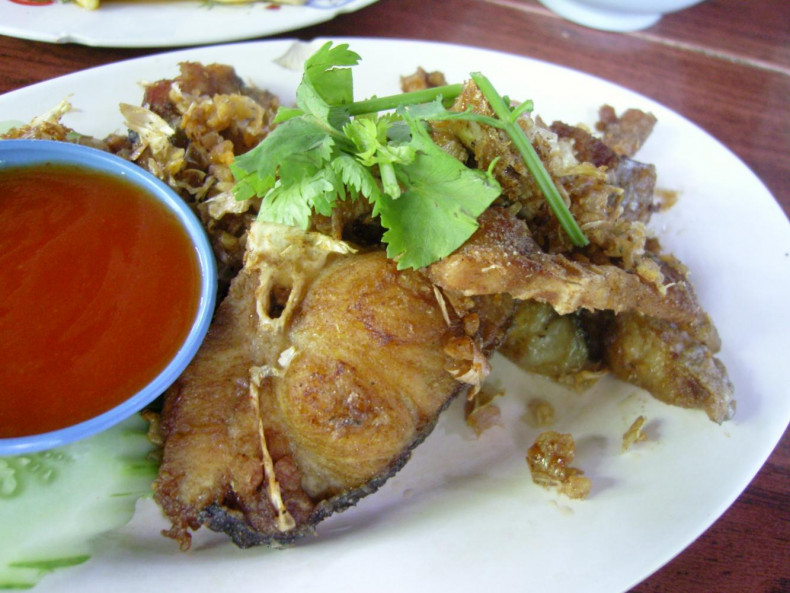
» Nam jeem (dipping sauce) has an incredibly strong influence on Thai food. But there is no explanation as to which sauce should be served with certain dishes. No rules exist when it comes to nam jeem.
Worth the effort
B Magazine, Story & photos by Suthon Sukphisit, Published on 17/11/2019
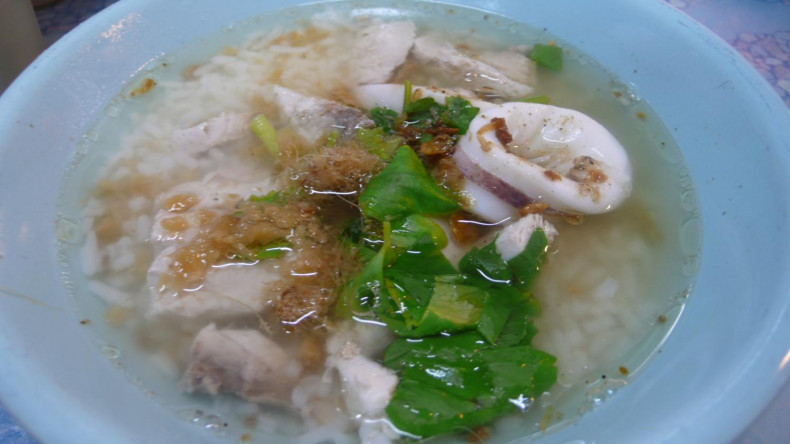
» Those who can cook may have received tips from gurus or books, but to be a good cook you need regular practice to maintain consistency and improve taste. This is a basic rule cooks have always adhered to.

Back to the future
B Magazine, Story & photos by Suthon Sukphisit, Published on 20/10/2019
» Food production has developed considerably over the years and it is hard to foresee what it will be like in the future. No one knows what kind of raw materials and ingredients will be used or how the food will taste. However, we can trace back how Thai dishes were prepared in the past and how they have been developed to this day.
Eat your fill and be healthy
B Magazine, Story & photos by Suthon Sukphisit, Published on 13/10/2019
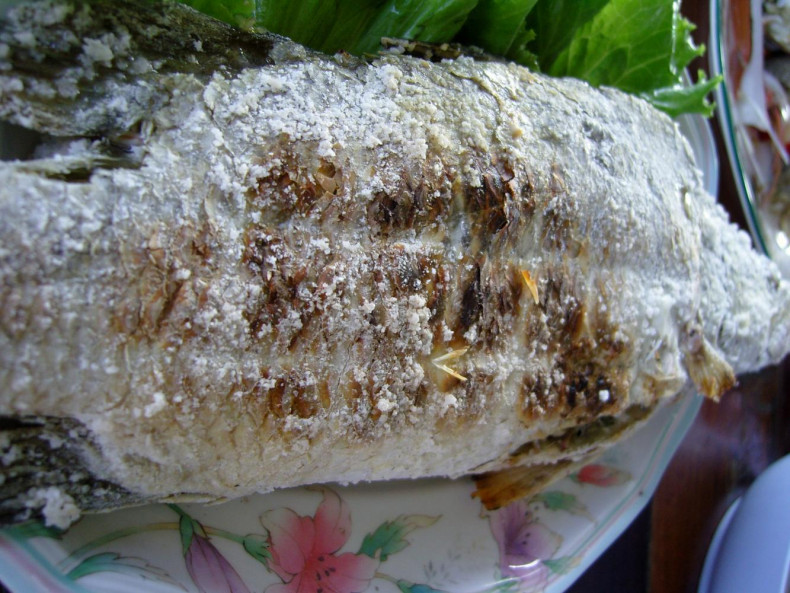
» Among the most concerning health issues for Thais these days, especially in Bangkok, is high cholesterol. There are many contributing factors, but, broadly speaking, it's a result of unhealthy diets. However, the prospect of watching what you eat is a daunting one for many people, when it is so easy to get food anywhere at anytime. And once they've fallen into a pattern of unhealthy eating, most people find it difficult to escape the cholesterol trap.
Curry extraordinaire
B Magazine, Suthon Sukphisit, Published on 22/09/2019
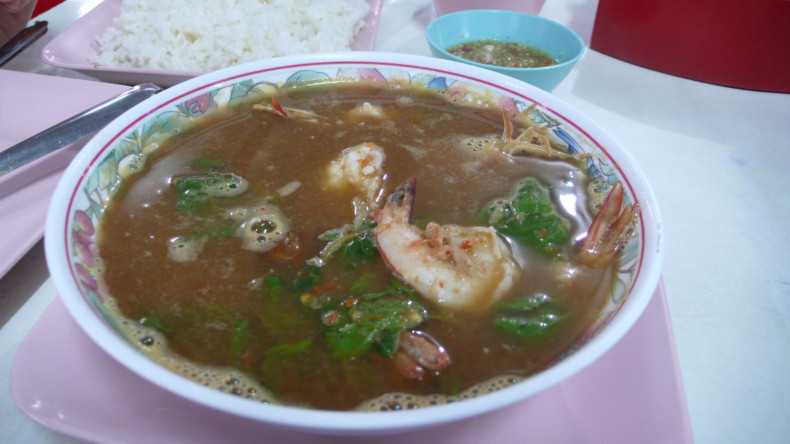
» Traditional Thai cuisine is loosely grouped as tom (boiled dishes), yam (spicy salad), tam (pounded food) and gaeng (curries). Deep-fries, stir-fries and steamed dishes are influenced by Chinese cooking.
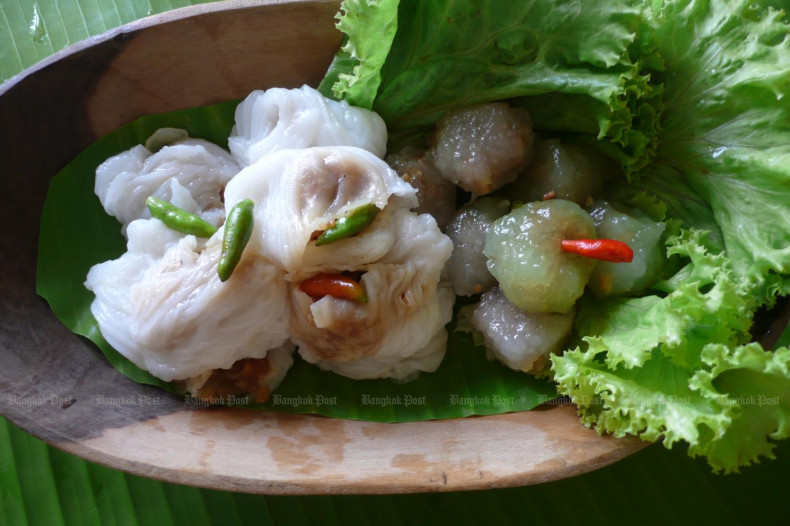
Change with the seasons
B Magazine, Suthon Sukphisit, Published on 25/08/2019
» When visitors come to Thailand, enjoying some local cuisine is usually high on the agenda. They will eat dishes like khao ka moo (pork leg stew with rice), pad Thai, massaman or khao pad kaprow (fried rice with sweet basil), and go home feeling they have had an authentically Thai food experience.