




Showing 1 - 10 of 2,669
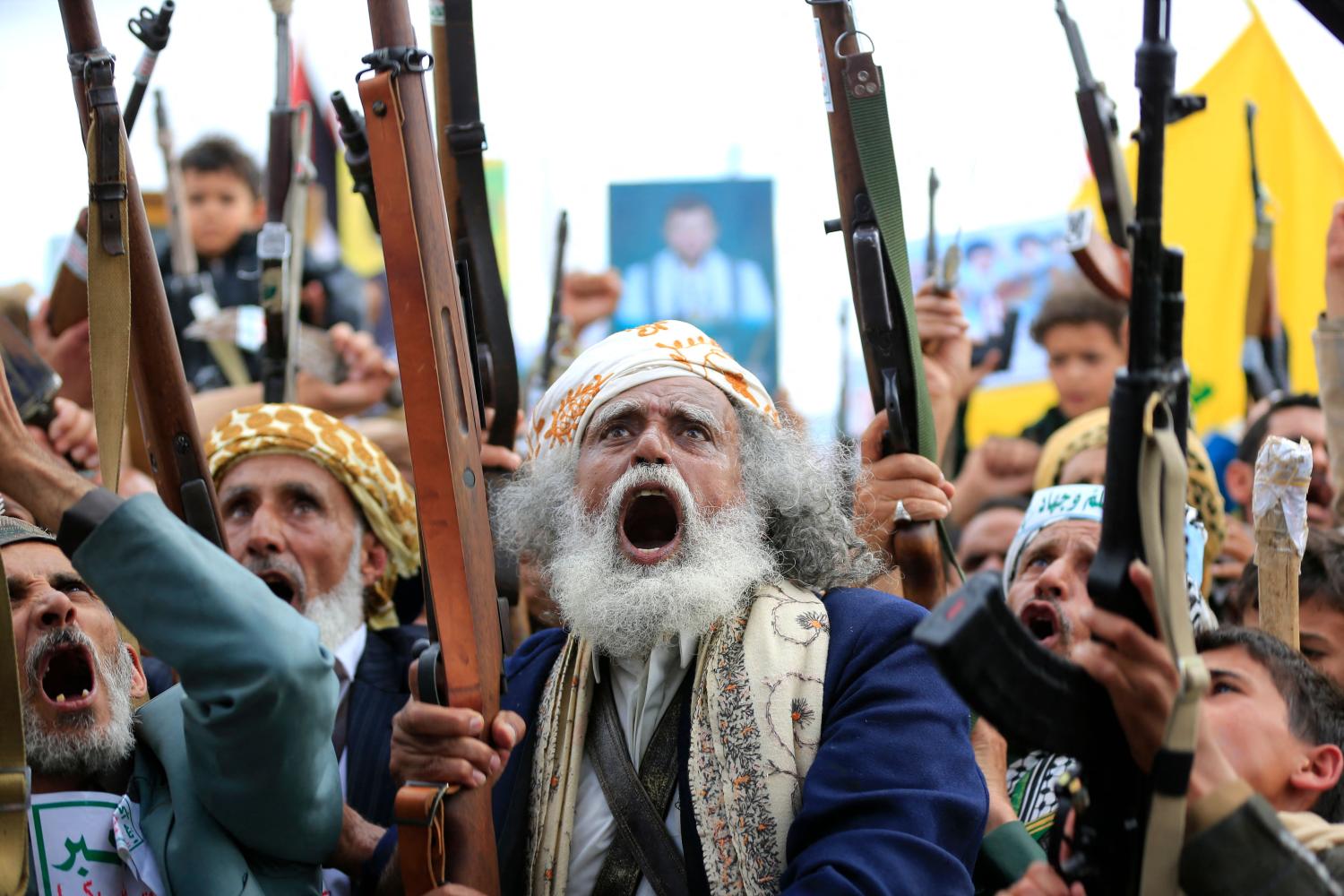
How can we future-proof the global economy?
Oped, Mohamed A El-Erian, Published on 23/04/2026
» An uncomfortable reality is becoming increasingly difficult to ignore. The global economy is in a period of "more frequent and violent shocks", as Nobel laureate Michael Spence puts it. Instead of facing isolated and temporary disruptions, we are confronting a structural shift towards unsettling volatility, deepening fragmentation, and a wider dispersion of outcomes for countries, companies, and households. The old world is gone, and virtually everyone risks losing out in the new one. The question is by how much and what to do about it.

Time for fair reform
Oped, Postbag, Published on 22/04/2026
» Re: "Another perspective" & "Leave S112 alone", (April 20, April 19). I sincerely thank Khun Yingwai Suchaovanich and Khun Felix Qui for their thoughtful comments on our application of our lese majeste law, aka S112. This law demands our thorough scrutiny before being used, for as our beloved late national father told us, "(its) use ultimately damages the monarchy".
Is the Iran war America's Suez or its Gallipoli?
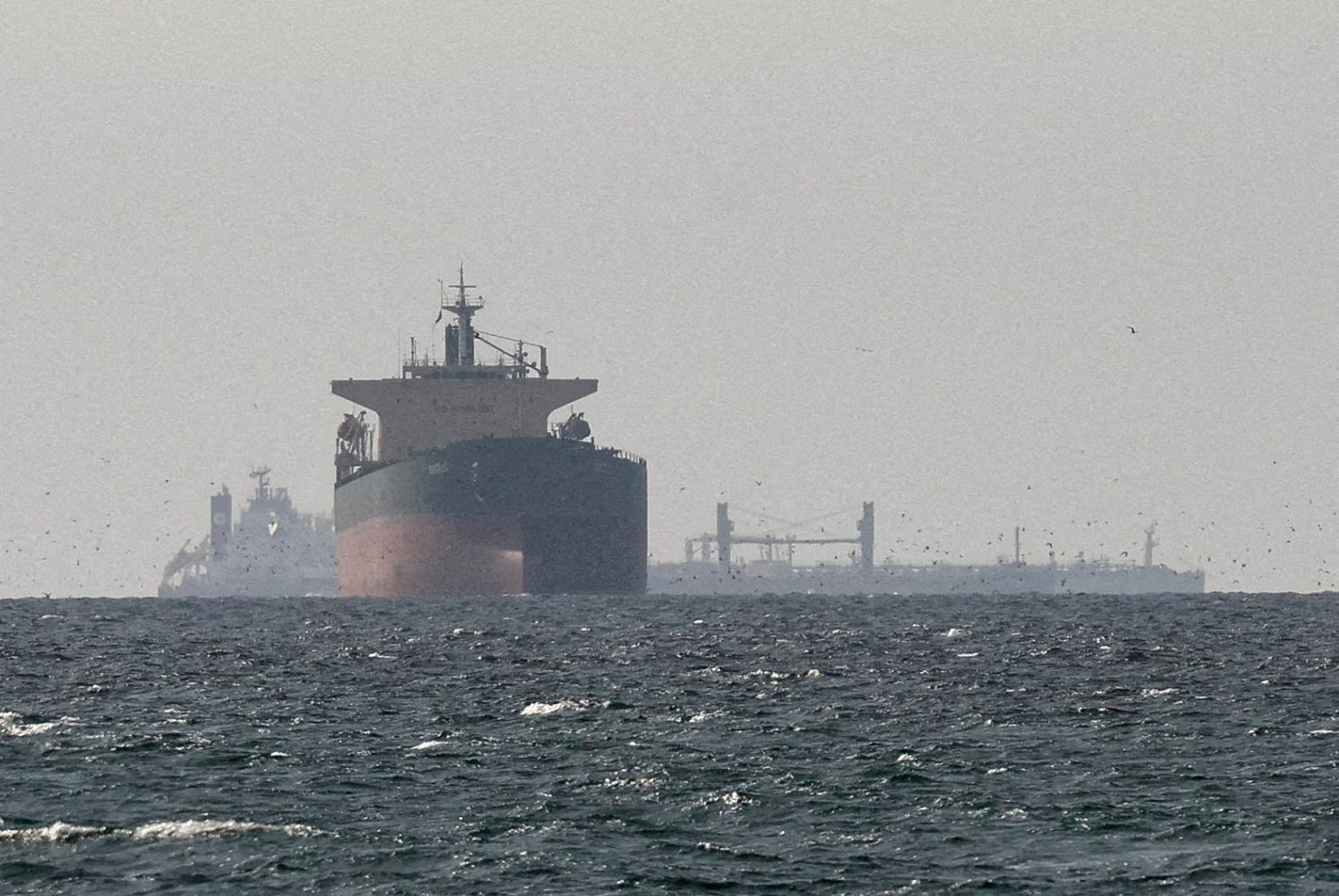
Oped, Yanis Varoufakis, Published on 21/04/2026
» When Egypt closed the Suez Canal for five months in 1956, it triggered events that shrunk the global standing of Britain's pound sterling, inaugurated the petrodollar age, and demonstrated how a small country can inflict serious damage upon the economic power that had subjugated it decades earlier.
Crypto push undermines US power
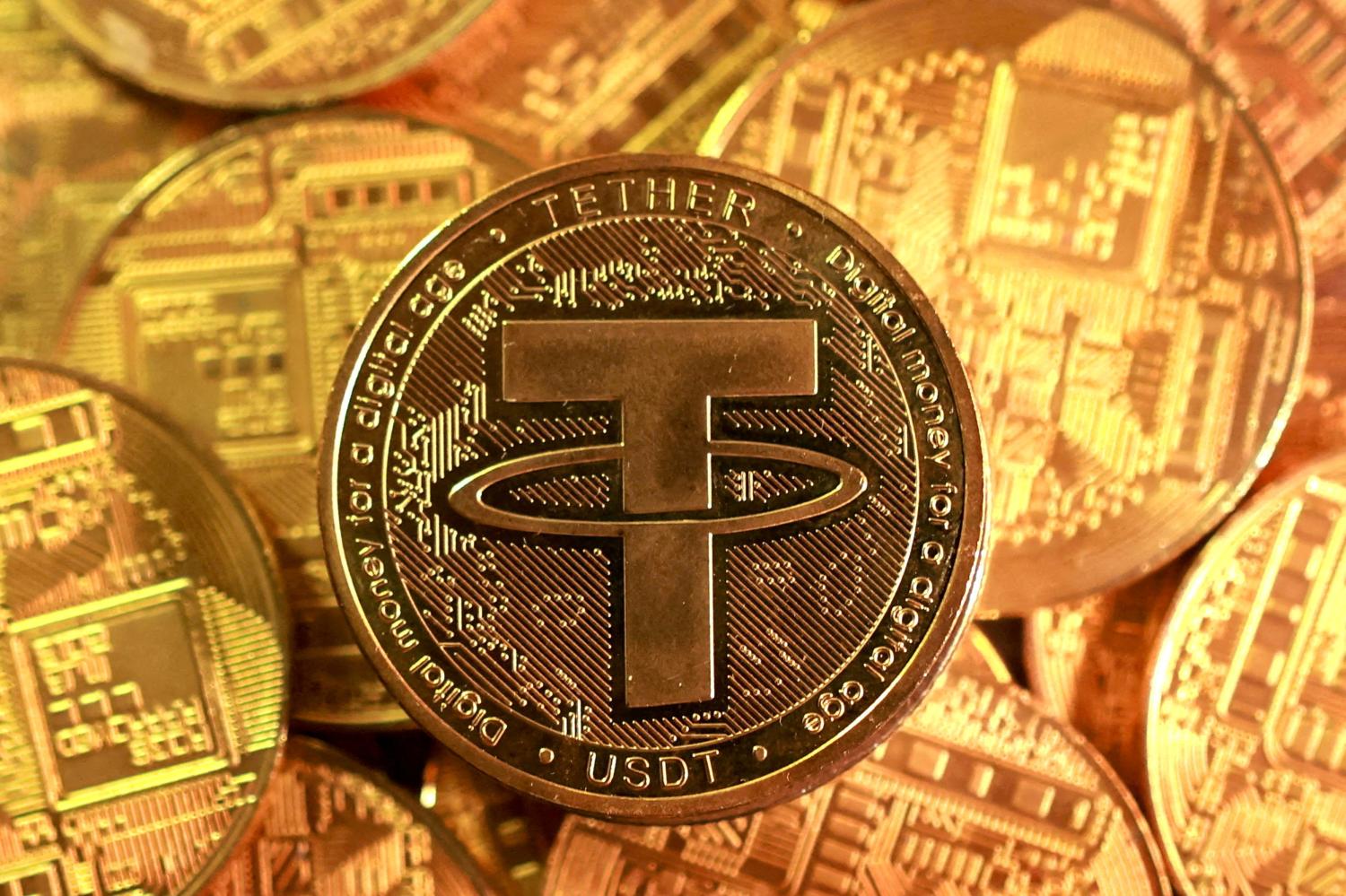
Oped, Jayati Ghosh, Published on 20/04/2026
» The Ouroboros, the ancient image of a serpent devouring its own tail, has long symbolised self-defeating strategies. It is thus an apt metaphor for US President Donald Trump's current policies. His reckless and illegal war against Iran is the clearest example, but his administration's enthusiastic embrace of crypto currencies represents a subtler, slower-burning expression of the same self-destructive tendency.
Hormuz crisis reveals energy resilience gap
News, Laura Carvalho, Published on 18/04/2026
» The closure of the Strait of Hormuz has triggered what the International Monetary Fund calls a "global yet asymmetric" rupture, disrupting the flow of roughly one-quarter of oil, one-fifth of liquefied natural gas, and one-third of fertiliser supplies. Energy and fertiliser prices have risen, supply chains have rerouted, and financial conditions have tightened unevenly around the world.
Chinese economy turns a corner
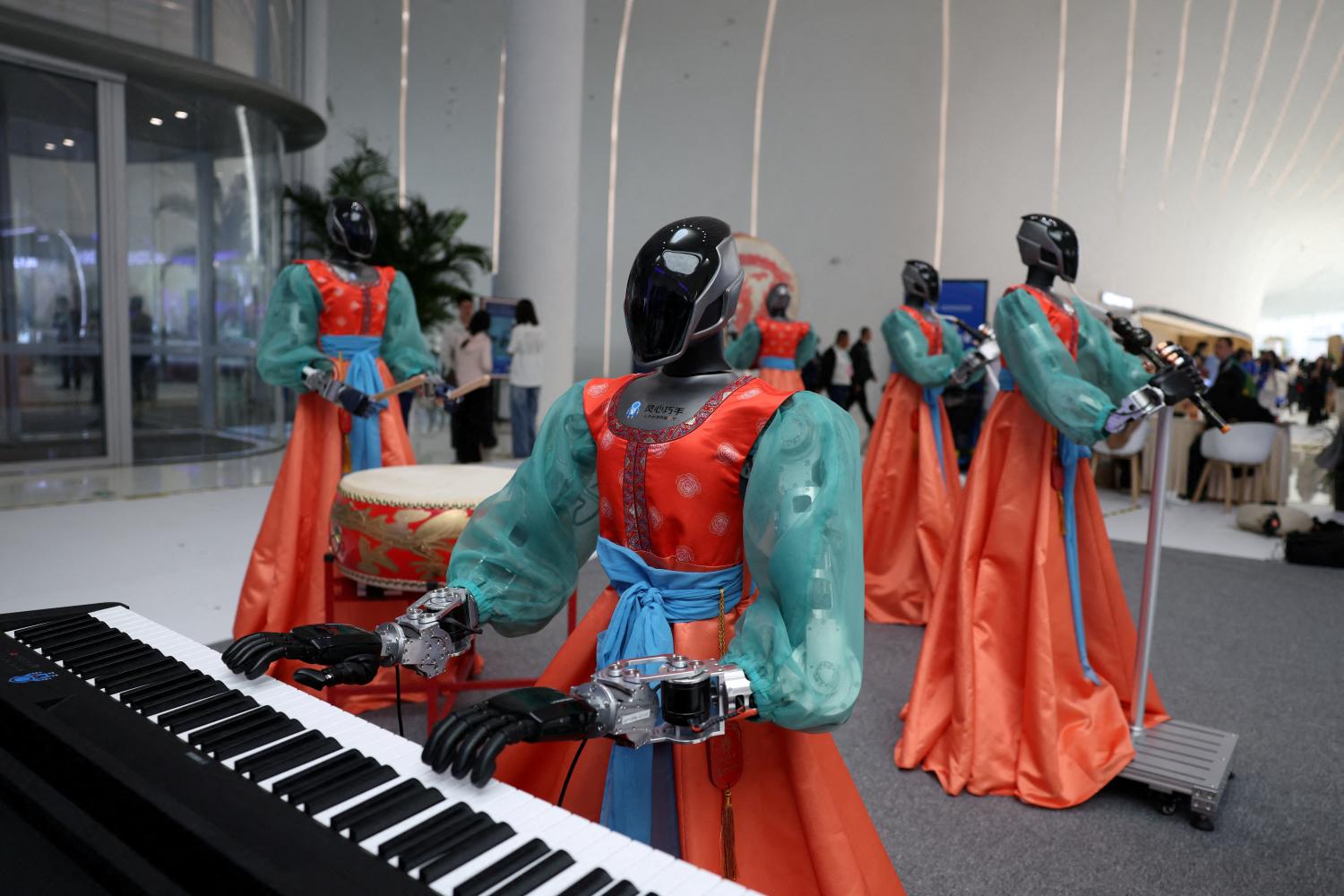
News, Stephen Jen, Published on 18/04/2026
» China has turned a corner, finally. Five years after Beijing began cracking down on its bloated property sector, its economy is now on a much more sustainable path anchored in high-quality growth -- and the correction has left far fewer scars than many feared.
The war and its likely consequences
Oped, Thitinan Pongsudhirak, Published on 17/04/2026
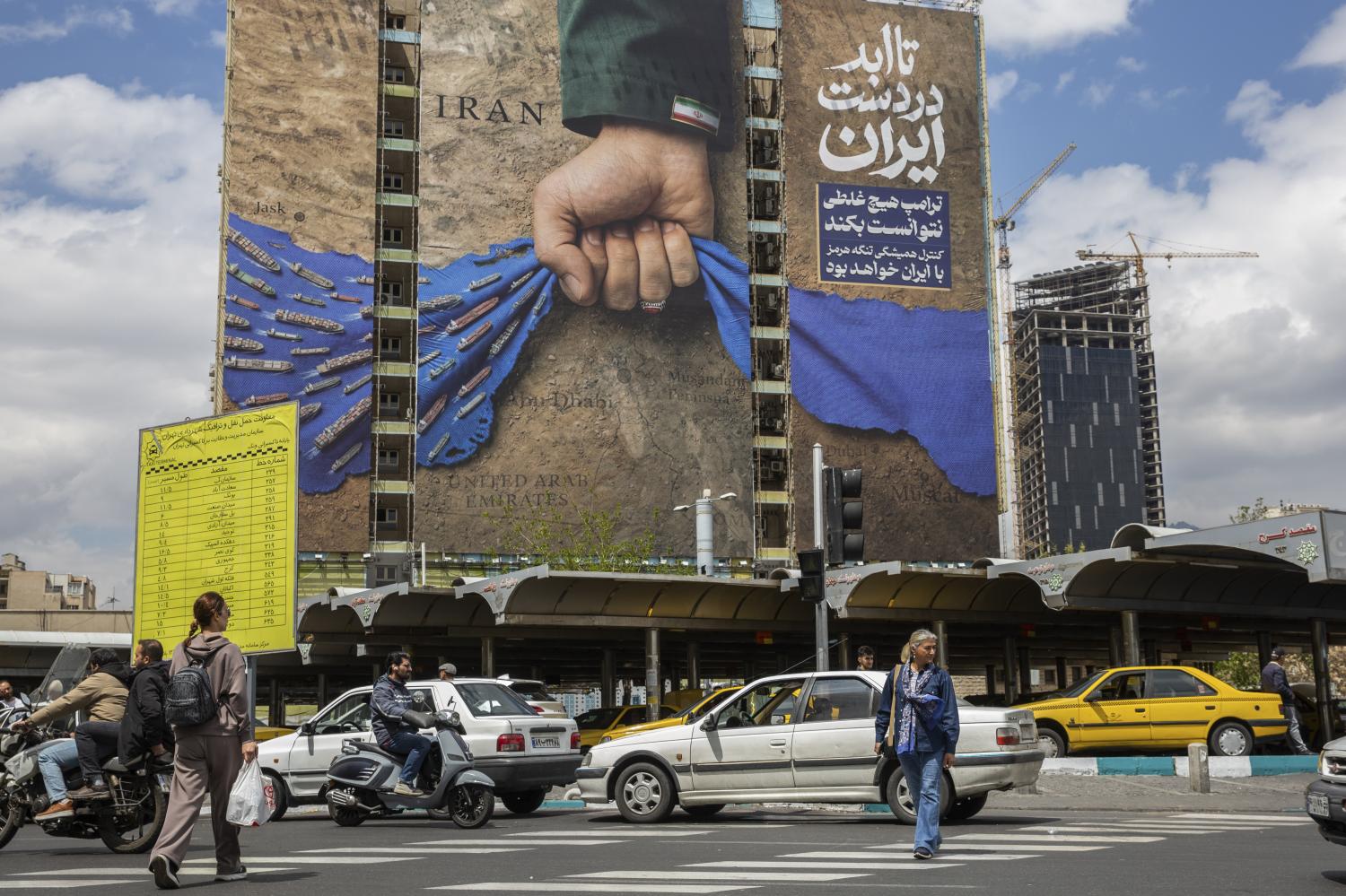
» As the joint attack between the United States and Israel against Iran that resulted in a wider regional conflict in the Middle East approaches its two-month mark, the directions of the war remain precarious while some of the longer-lasting consequences appear evident. Unsurprisingly, the war has been detrimental and damaging for all states and societies concerned, not just within the affected region but the wider world. Already we can start counting some of the long-term costs.
Climate fixation fails world's poor
Oped, Bjorn Lomborg, Published on 17/04/2026
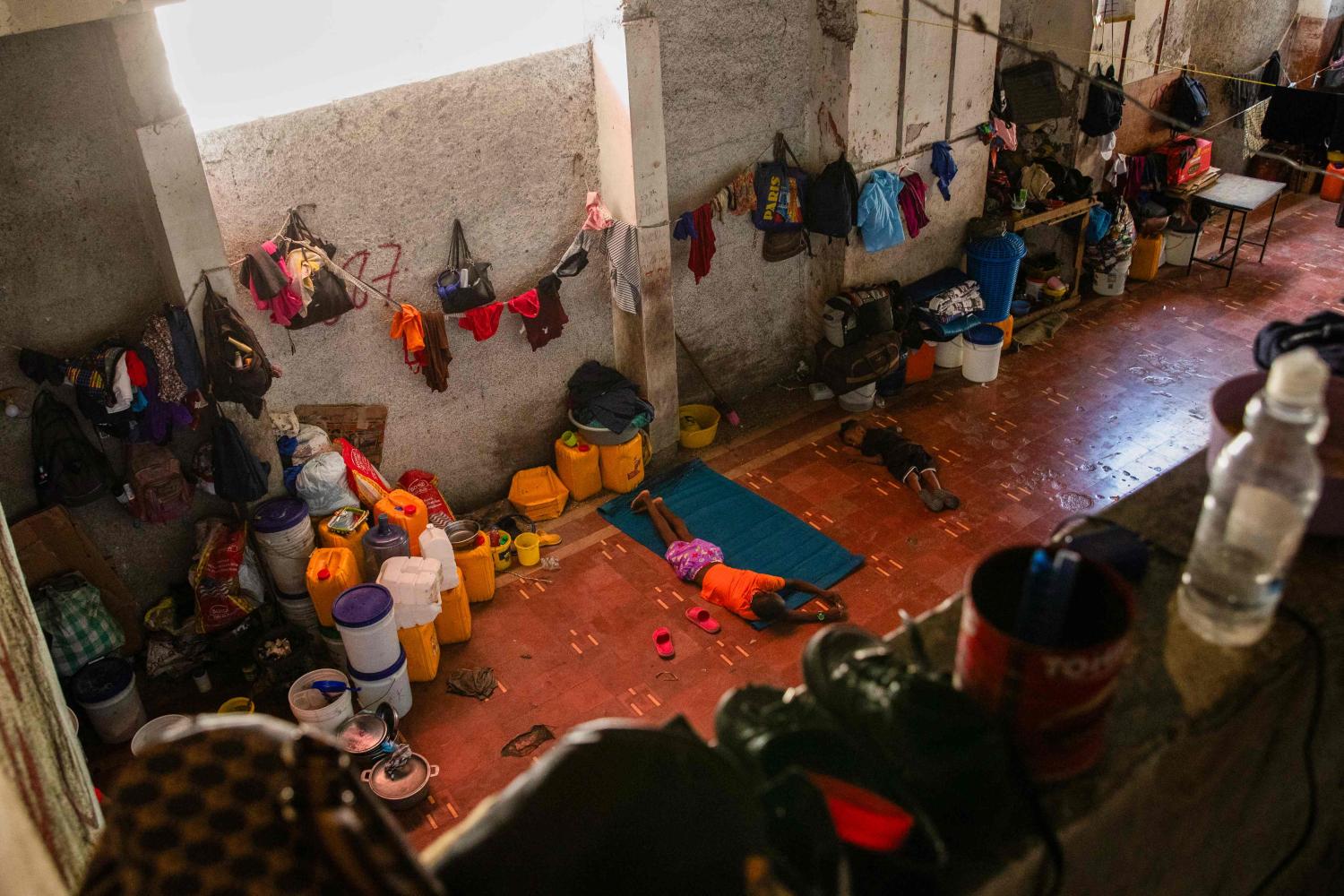
» This week in Washington, more than 10,000 delegates, finance ministers, and central bankers are gathering for the World Bank and IMF Spring Meetings. Their stated goal: accelerate global development, drive economic growth, and lift billions out of poverty.

When will the IMF ever learn?
Oped, Timothy Kaldas, Published on 16/04/2026
» This year's International Monetary Fund Spring Meetings come at a time of heightened economic uncertainty and intense scrutiny of the institution's capabilities and approach. Critics on the left argue that the IMF imposes regressive austerity measures on borrowers, exacerbating poverty, hampering economic growth, and undermining their ability to achieve debt sustainability. On the right, US President Donald Trump's administration has accused the IMF of "mission creep," claiming that it has strayed from its core mandate of maintaining macroeconomic stability.
Oil shock risks wider chain reaction
Oped, Chartchai Parasuk, Published on 16/04/2026
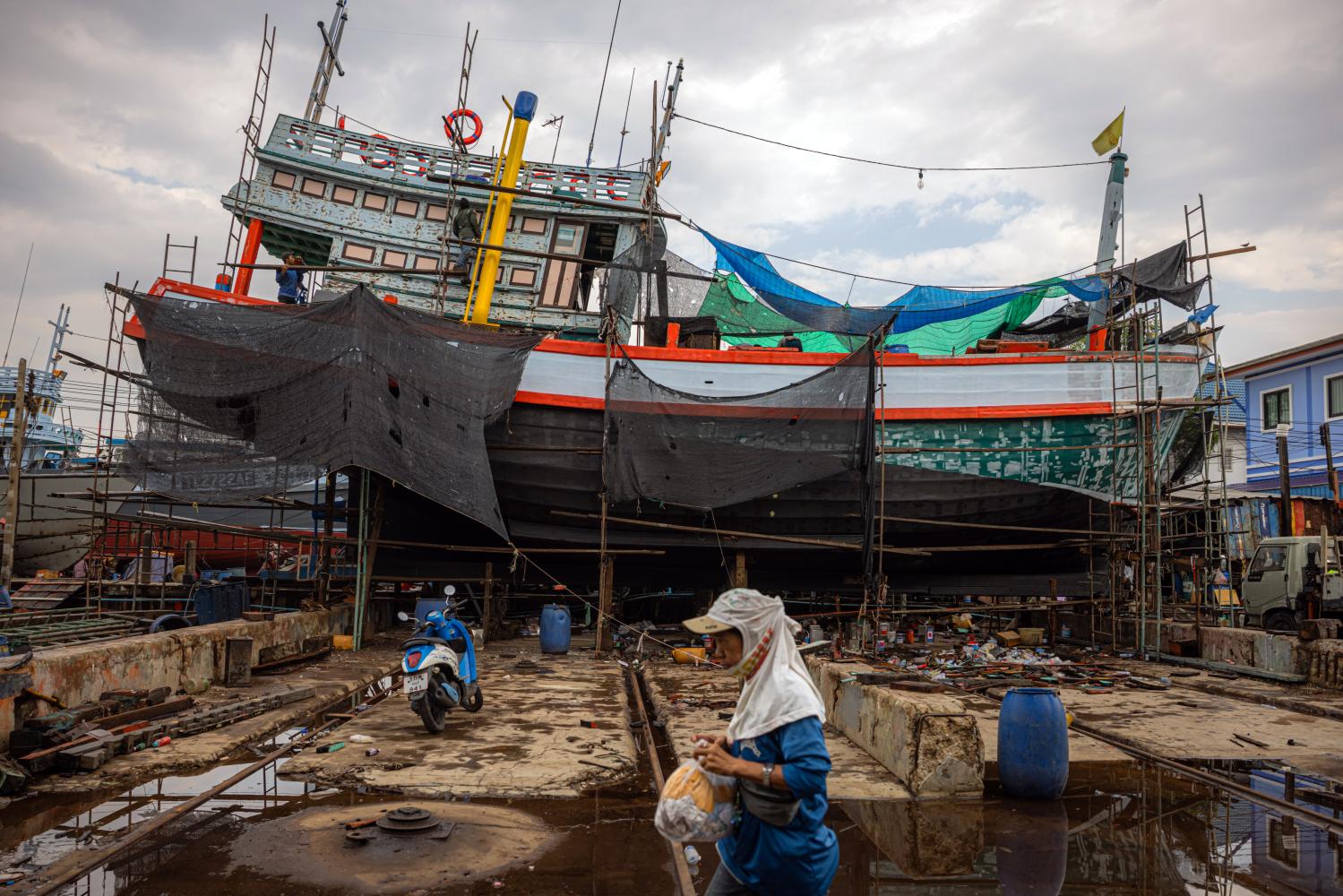
» There is no such thing as a free lunch. When global oil prices rise sharply, as they are doing now, someone must bear the cost. Some countries choose to absorb it through government support, as in Japan, while others pass the burden on to consumers, as in Thailand. Neither approach is inherently right or wrong; each carries different economic consequences. Policymakers must decide which set of outcomes is more acceptable and act accordingly.