



Showing 1 - 10 of 266
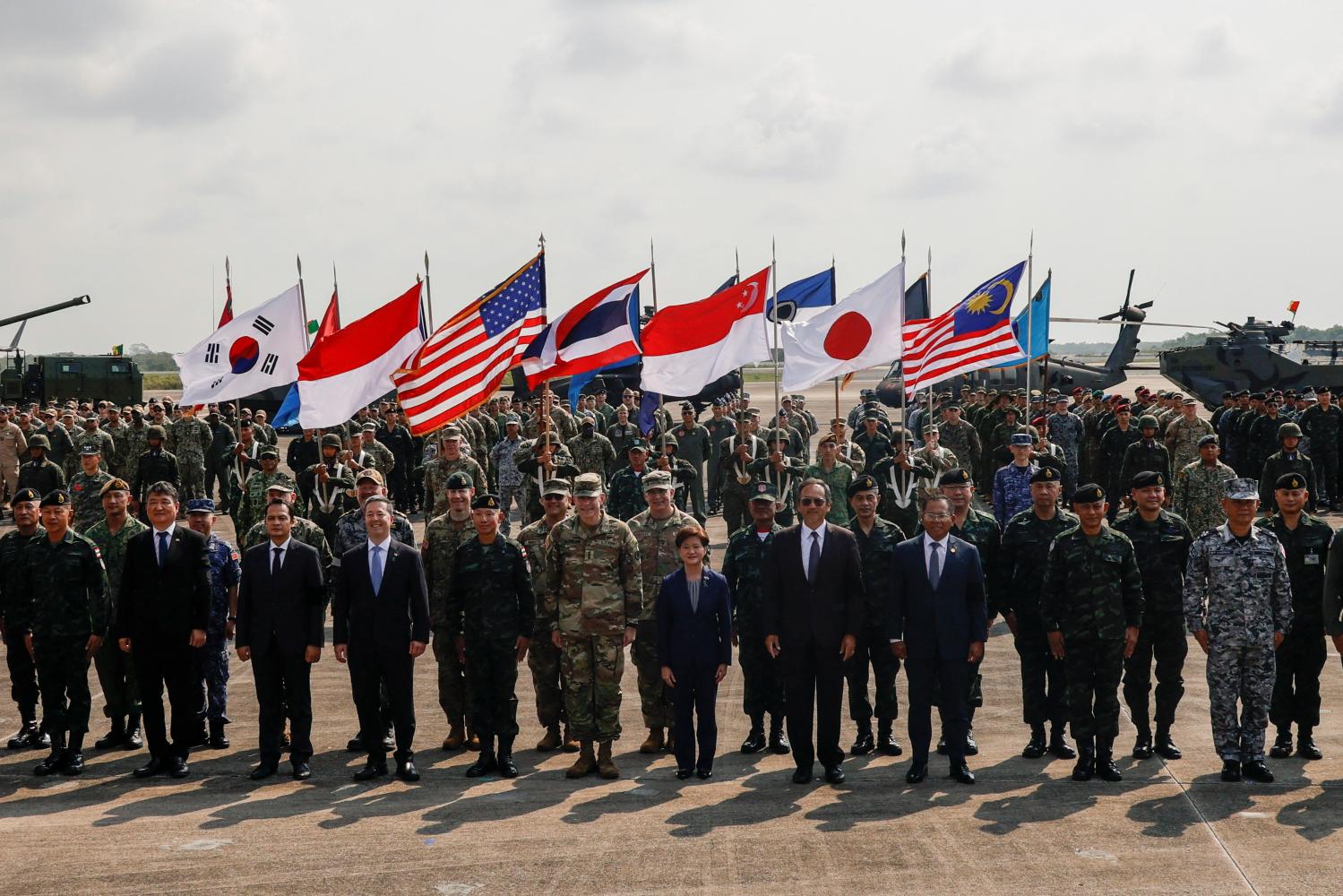
Can alliances with the US be replaced?
Oped, Kavi Chongkittavorn, Published on 07/04/2026
» The increasingly loud debate over the future of alliances -- after reports that the US could scale back or even withdraw from Nato -- is nerve-racking. It has caused alarm across Europe and in Southeast Asia, another node of the US alliance network. Even without any official decision, remarks by US President Donald Trump on social media were enough to shake already fragile US alliances. The question now frequently asked by Thai policymakers is: What comes next if alliances weaken?

Government stability tests performance
Oped, Thitinan Pongsudhirak, Published on 03/04/2026
» Prime Minister Anutin Charnvirakul has gone from strength to strength, leveraging a stopgap minority government late last year into solid majority rule after the Feb 8 election.
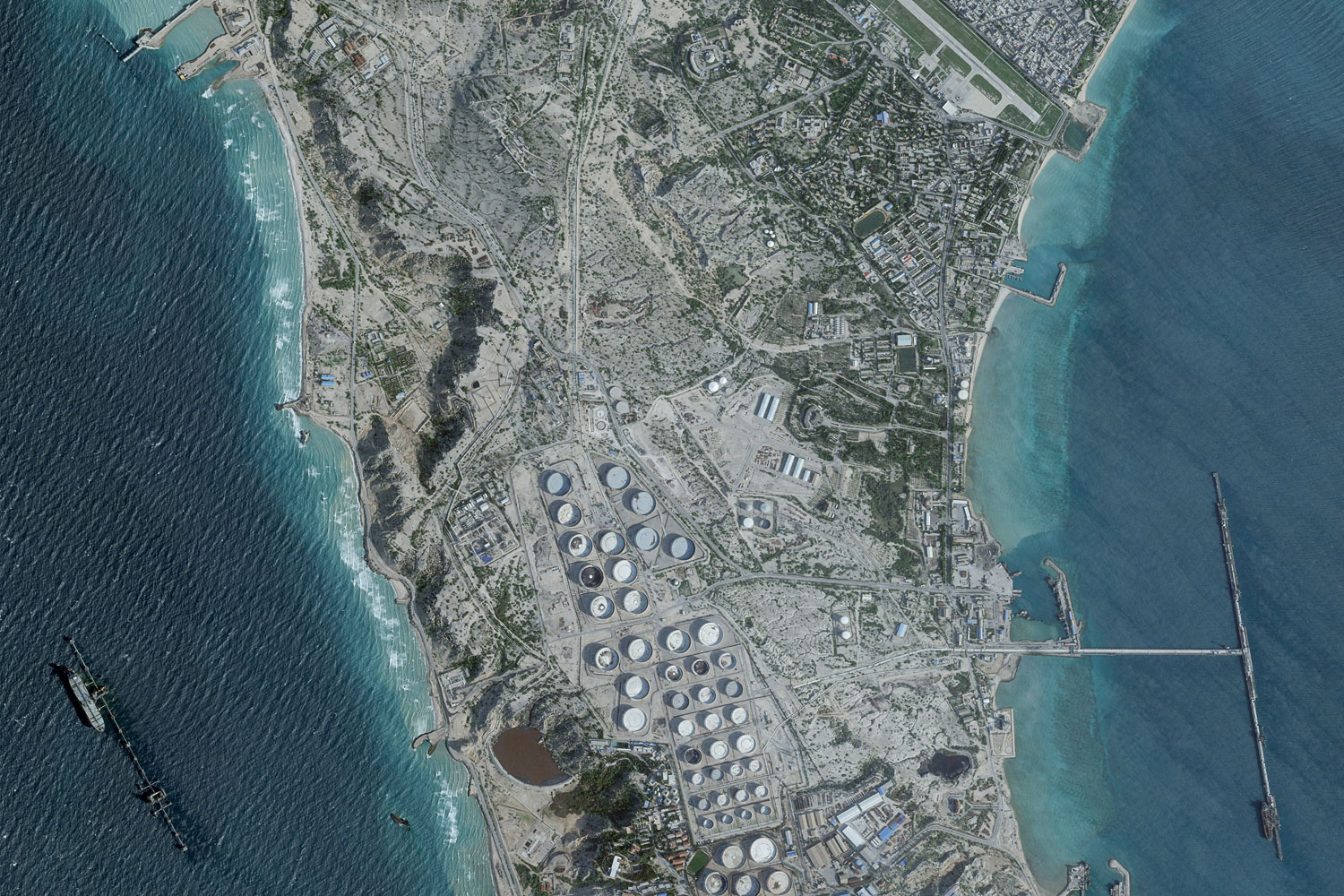
Will Kharg Island decide the future of US alliances?
Oped, Carla Norrlöf, Published on 03/04/2026
» The key question about Iran's energy-export terminal on Kharg Island is not whether the United States can seize or disable it. Of course it can.

When being neutral is no safeguard
Oped, Philip J Cunningham, Published on 18/03/2026
» 'Don't worry about it, we are neutral!" was Thailand's flippant response to the Islamist terrorist attack on America in 2001 when hijacked jets carrying innocent passengers and filled to the brim with aviation fuel smashed into the Twin Towers and the Pentagon on Sept 11.

Lesson from India to avoid the middle-income trap
Oped, Arvind Panagariya, Published on 18/03/2026
» Among Indian Prime Minister Narendra Modi's most ambitious goals is to transform his country into a developed economy by Aug 15, 2047 -- the centenary of Indian independence. Given India's growth record over the past two decades, the speed and scale of its infrastructure development in recent years, and the Modi government's willingness to enact large-scale economic reforms, India is likely to become one of the few developing countries to avoid the middle-income trap.

Phuket stands at a tourism crossroads
Oped, Ajaree Tavornmas, Published on 12/03/2026
» Phuket has long stood as one of Asia's most celebrated destinations. Framed by the Andaman Sea, its turquoise waters, rich cultural fabric and globally recognised hospitality have attracted millions of visitors for decades. Tourism accounts for approximately 95% of the province's economy, generating more than 500 billion baht annually from over 14 million Thai and international travellers. With around 1,500 registered hotels and more than 100,000 rooms, the island is undeniably a cornerstone of Thailand's tourism industry.
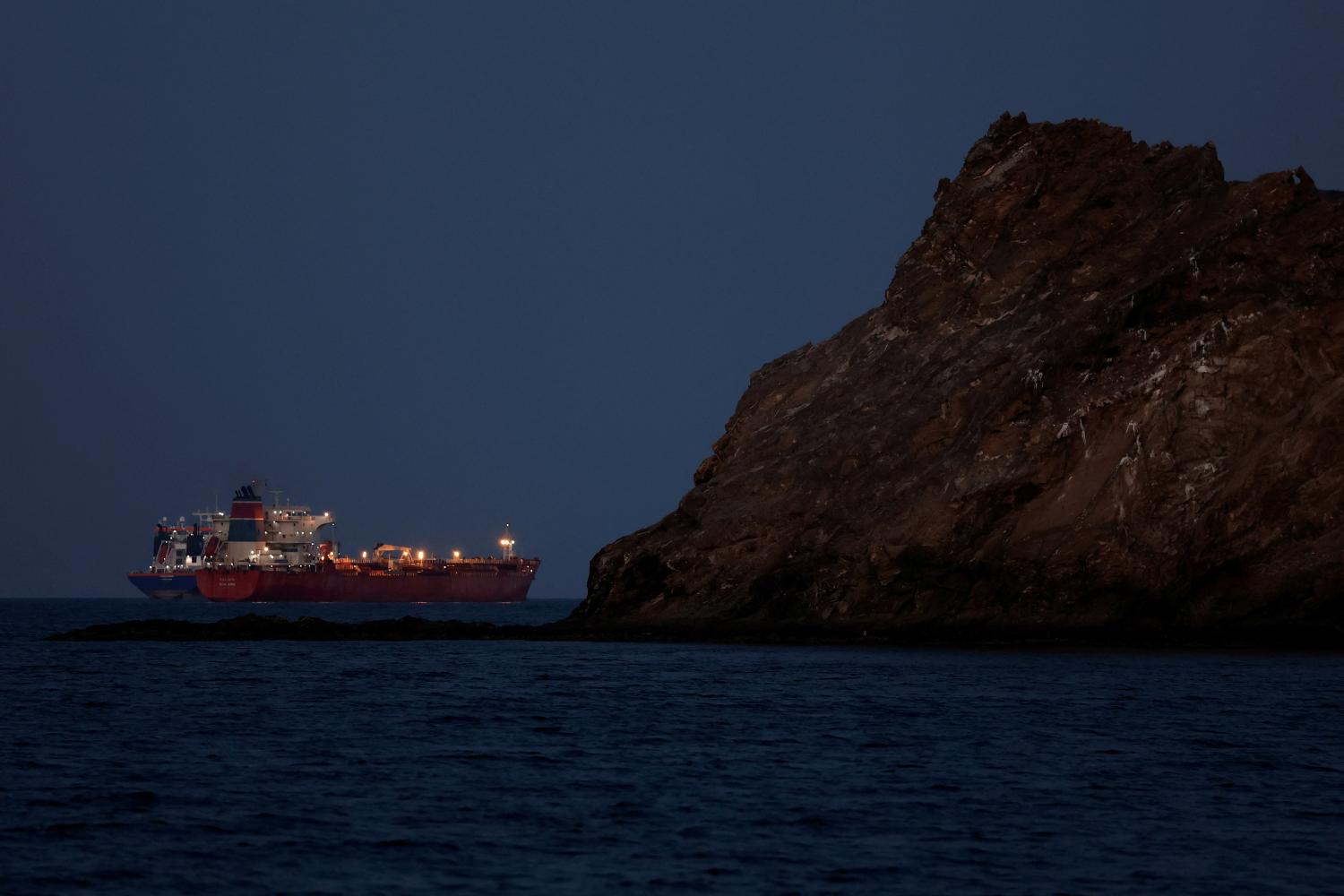
The Iran war is upending global energy markets
Oped, Carolyn Kissane, Published on 12/03/2026
» The war with Iran is widening faster than many expected. The Islamic Republic's retaliation against Arab Gulf states has extended beyond military targets to critical civilian infrastructure, including airports, water desalination plants, and energy facilities. Hezbollah has opened a second front from Lebanon. US President Donald Trump suggests that operations could last "four to five weeks", but with nearly 50 senior Iranian officials having been killed, it is unclear who might be positioned to negotiate an off-ramp.
Preparing for AI-enabled bioweapons
Oped, Sania Nishtar, Published on 11/03/2026
» We don't know when the next epidemic or pandemic will hit, or where the next infectious threat will emerge. But we do know that the nature of the threat is constantly evolving. One of the most sobering takeaways from this year's Munich Security Conference was that AI-enabled gene editing has radically lowered the barrier to developing genetically engineered bioweapons. We must prepare to live with even deeper uncertainty about whether emerging infectious threats are natural or man-made, and whether they have been accidentally or deliberately released.
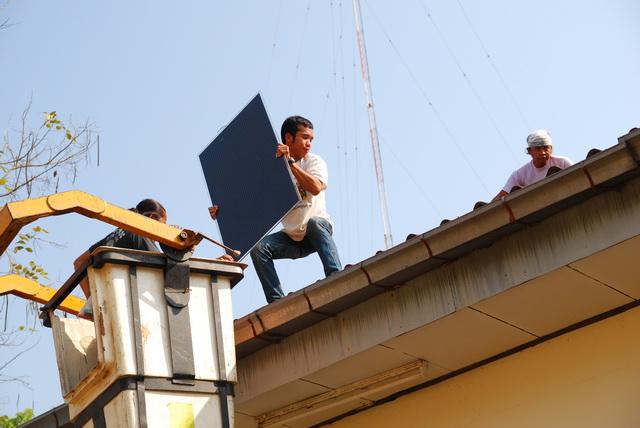
Solar boom risks leaving toxic legacy
Oped, Nattaphorn Buayam, Published on 11/03/2026
» Solar power is Thailand's master key in the fight against global warming. It is cheap, popular, and even promoted by the state. But beneath the success story lies a big question: What happens when millions of panels begin to die?

Risk of crisis growing more acute
Oped, Chartchai Parasuk, Published on 05/03/2026
» This article is a follow-up to my previous piece titled "Fiscal deficit will trigger 2026 crisis". In that article, I argued Thailand's heavy dependence on external liquidity, combined with the government's need for 860 billion baht annually to finance its deficits, would lead to a severe liquidity shortage and, ultimately, a financial crisis.