




Showing 1 - 10 of 2,030
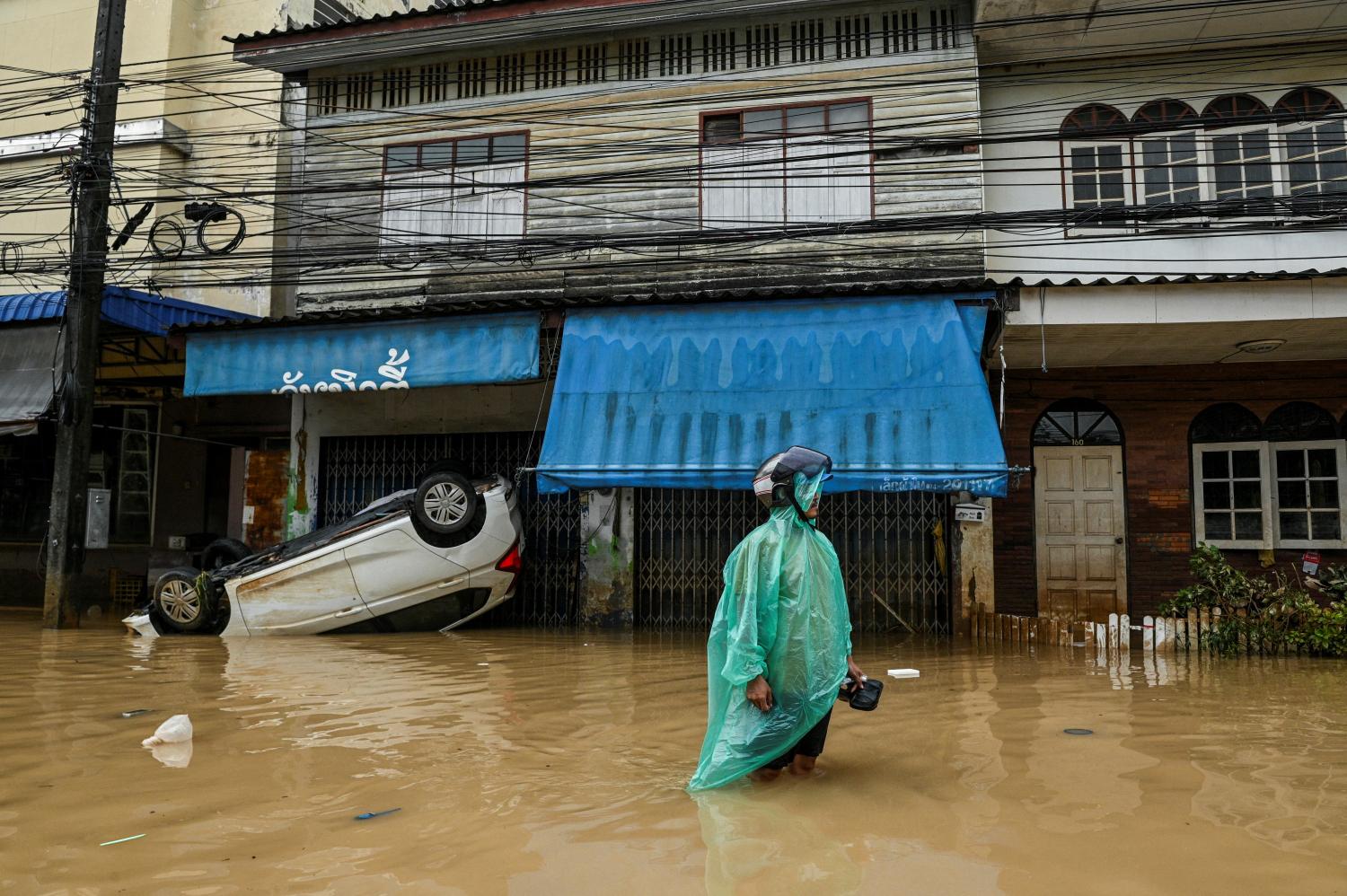
Asean banks face climate pressure
Oped, Rachel Ho, Published on 08/04/2026
» The global oil and gas crisis is worsening. Amid the Middle East war, the central banks of countries in Southeast Asia must address a perfect storm of rising fuel prices, cost-of-living pressures, and worsening impacts of climate disasters.
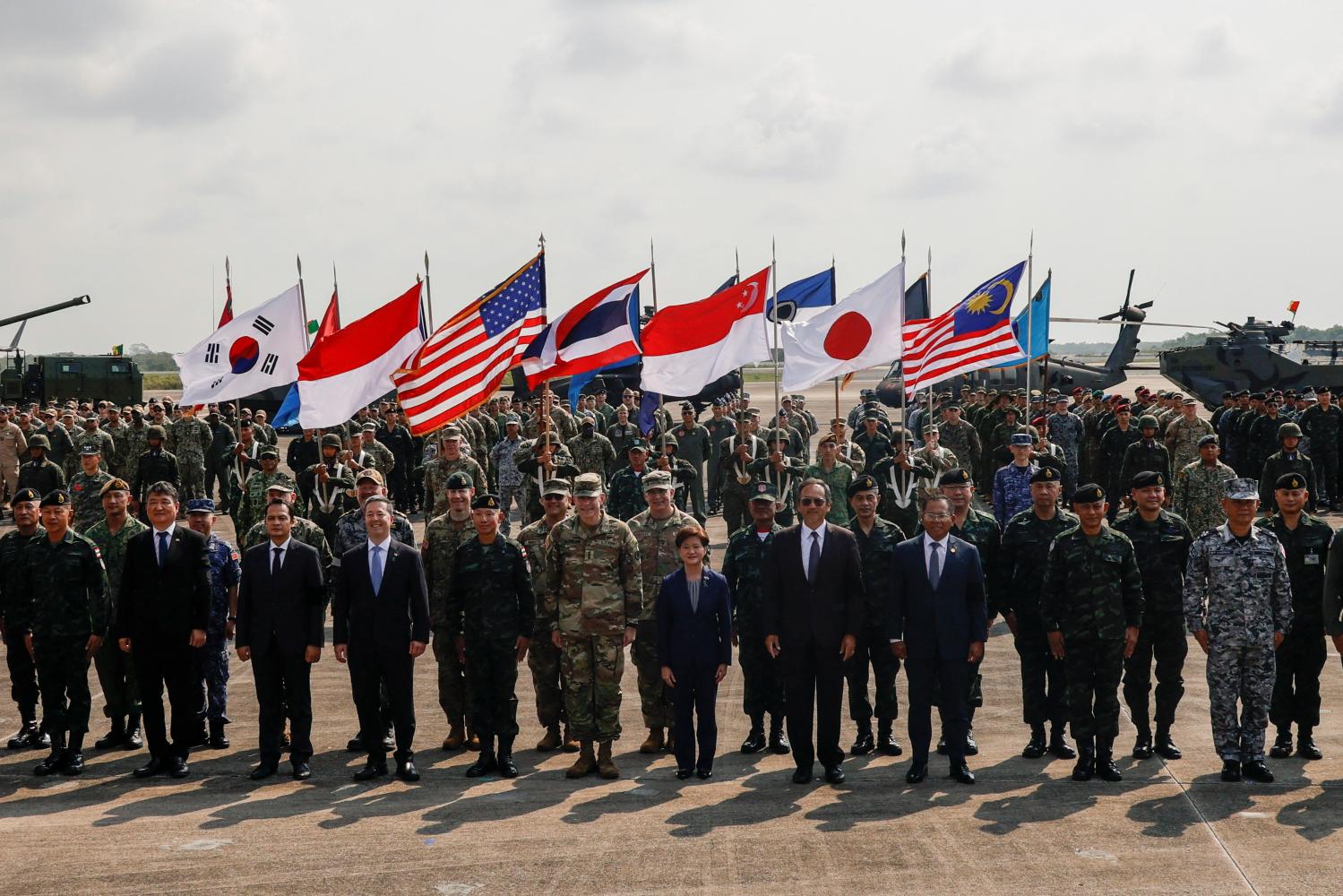
Can alliances with the US be replaced?
Oped, Kavi Chongkittavorn, Published on 07/04/2026
» The increasingly loud debate over the future of alliances -- after reports that the US could scale back or even withdraw from Nato -- is nerve-racking. It has caused alarm across Europe and in Southeast Asia, another node of the US alliance network. Even without any official decision, remarks by US President Donald Trump on social media were enough to shake already fragile US alliances. The question now frequently asked by Thai policymakers is: What comes next if alliances weaken?

Bridge to nowhere
Oped, Editorial, Published on 07/04/2026
» New Myanmar president Snr Gen Min Aung Hlaing will be sworn in on Friday.
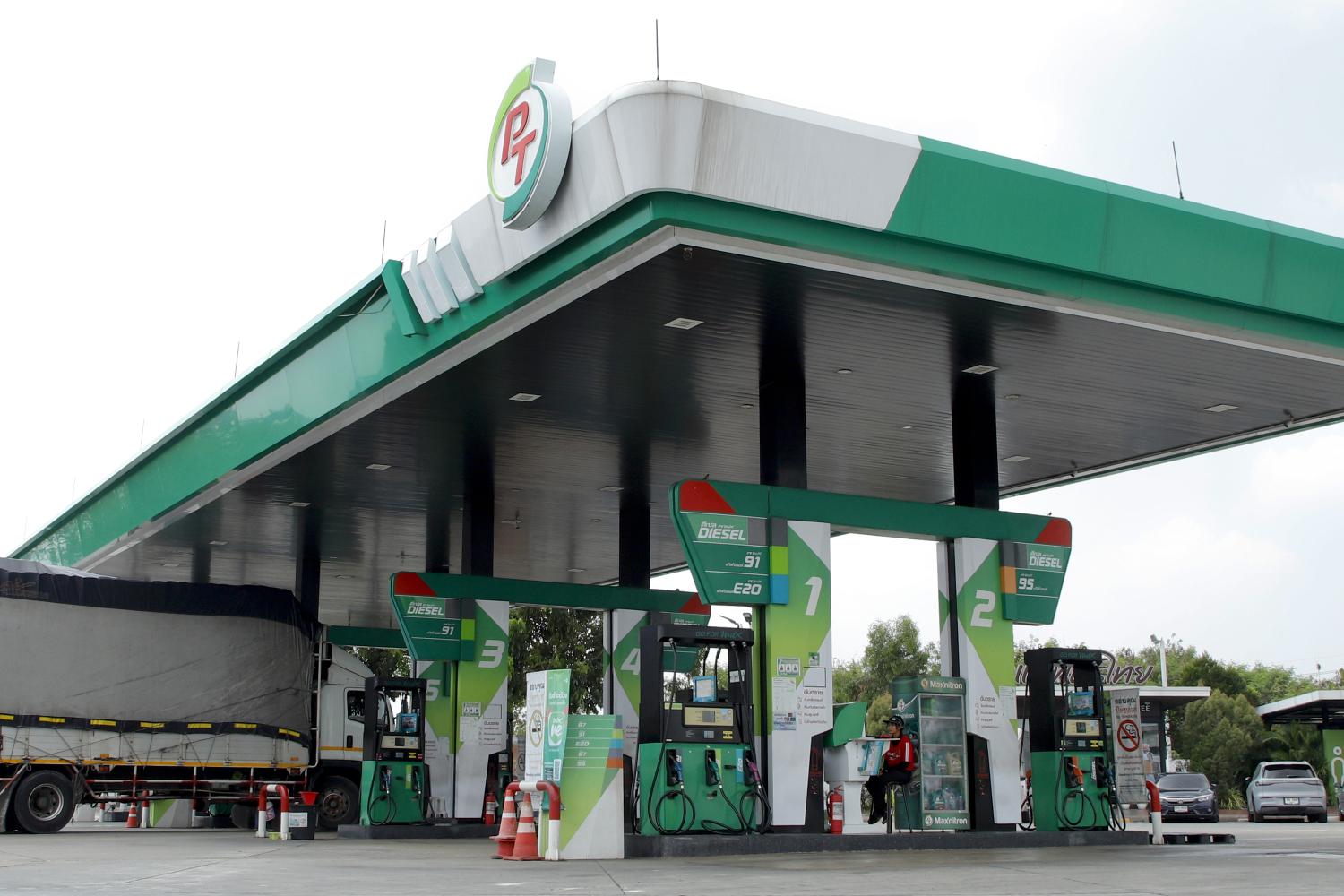
Conflicts of interest worsen crisis
News, Veera Prateepchaikul, Published on 06/04/2026
» Transport Minister Phiphat Ratchakitprakarn's resignation as head of the committee handling the oil crisis caused by the war in the Middle East has spared him from public criticism over a potential conflict of interest linked to his family's oil trading business.

Fairness key during crisis
News, Editorial, Published on 06/04/2026
» Surging oil prices driven by war in the Middle East are forcing our new government to act more to rein in oil prices and pacify public anger directed at oil refineries.

New government must tackle SLAPP lawsuits
News, Chairith Yonpiam, Published on 04/04/2026
» As the Anutin Charnvirakul government is about to officially begin work on Monday, with the cabinet formally sworn in, the public expects it to fulfil electoral pledges, address urgent issues, and pass crucial laws in the parliamentary pipeline.
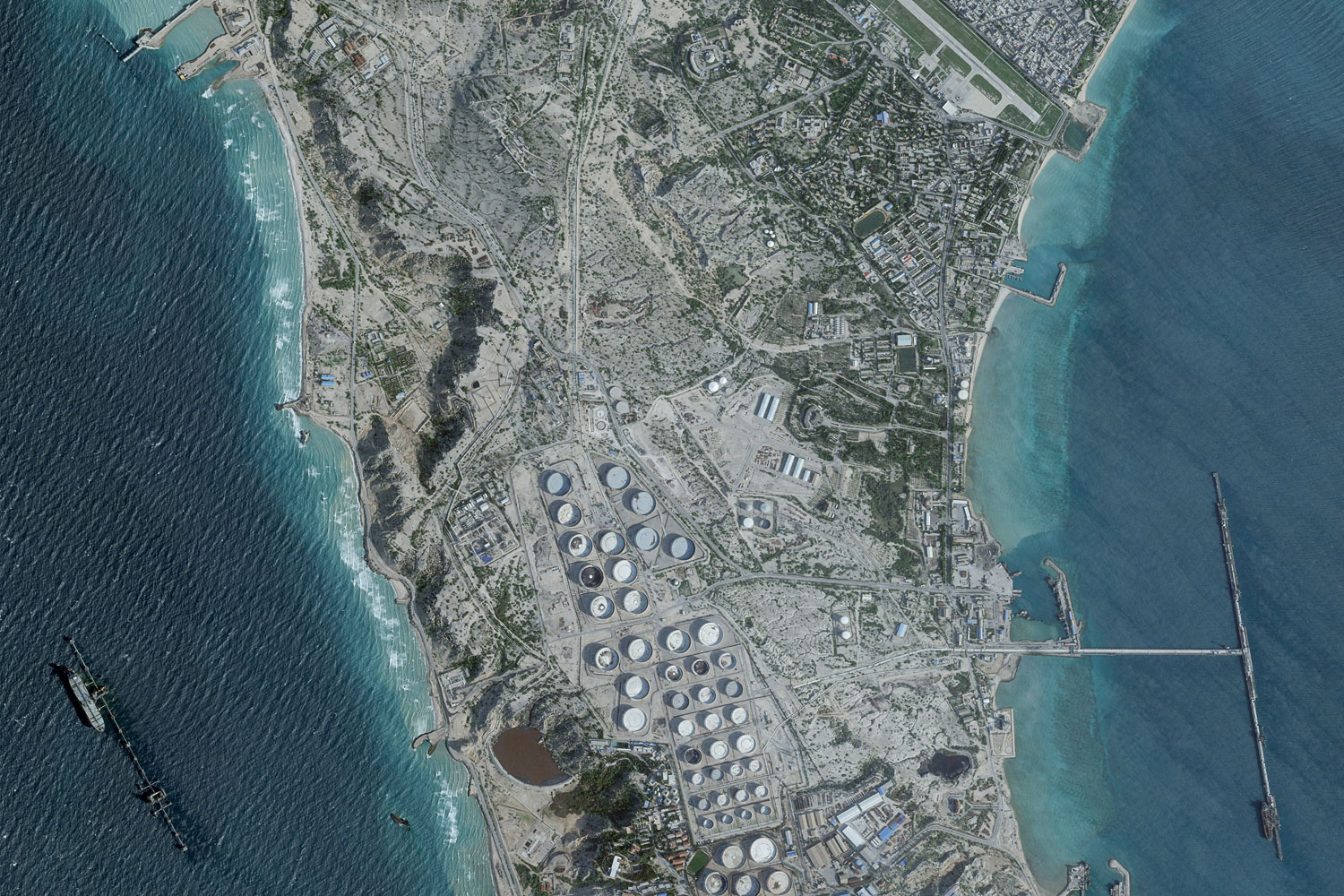
Will Kharg Island decide the future of US alliances?
Oped, Carla Norrlöf, Published on 03/04/2026
» The key question about Iran's energy-export terminal on Kharg Island is not whether the United States can seize or disable it. Of course it can.
The silent engines of Asean realism
Oped, Imran Khalid, Published on 30/03/2026
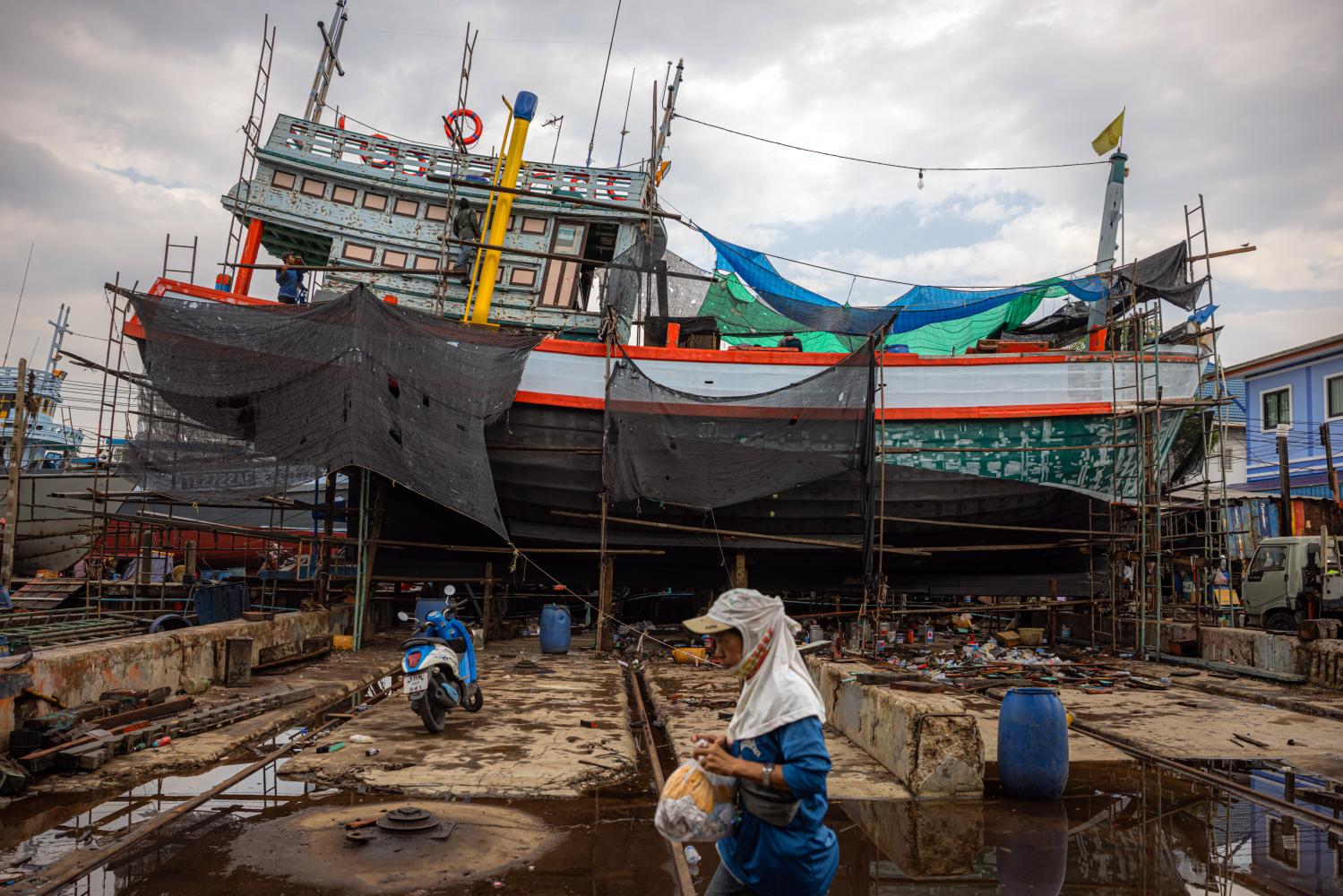
» The global economy is currently tackling what may be the most significant energy disruption since the 1970s. The effective throttling of the Strait of Hormuz -- now seeded with Iranian Maham mines and subject to a tense, IRGC-monitored tolling system -- has physically severed the energy arteries that sustain the industrial heart of Southeast Asia.

Target the young
Postbag, Published on 29/03/2026
» Re: "Population shrinks to 65.8m", (BP, March 26).
Asean's energy security at risk
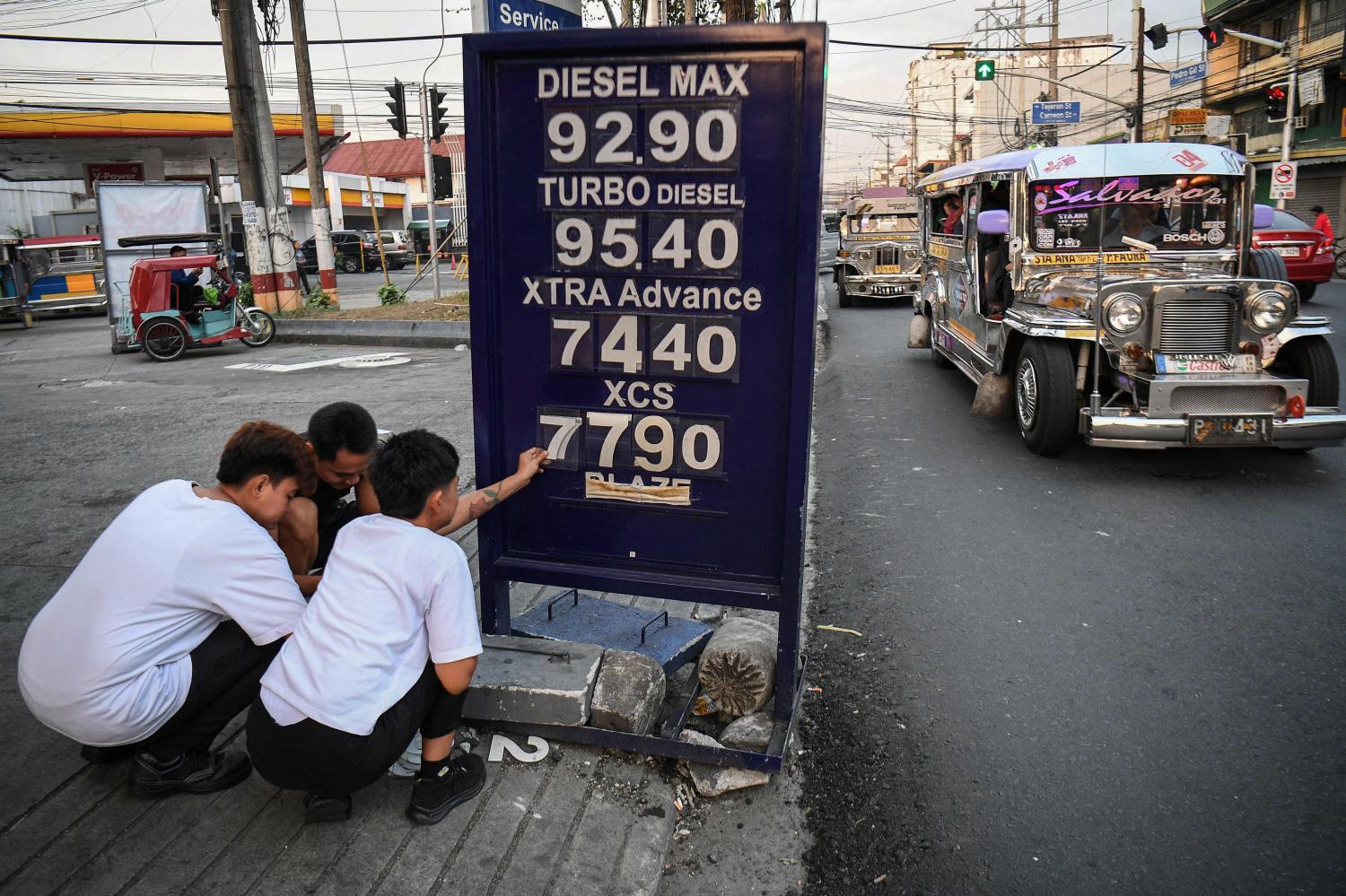
Oped, Ma. Theresa P. Lazaro, Published on 26/03/2026
» In June 1986, the five founding members of the Association of Southeast Asian Nations (Asean) assembled in Manila to discuss Asean's response to the global energy crisis, which began with the Iranian Revolution in late 1978.