



Showing 1 - 10 of 12
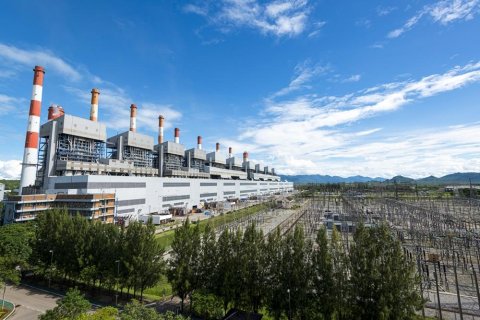
Phasing out coal makes economic sense
Oped, Rapeepat Ingkasit, Published on 24/12/2025
» Thailand's recent update to its Nationally Determined Contribution (NDC 3.0) was met with polite applause from diplomatic circles and global communities. By finally aligning the national net-zero target with the mid-century goals of our neighbours, the kingdom appears to be getting back on track.
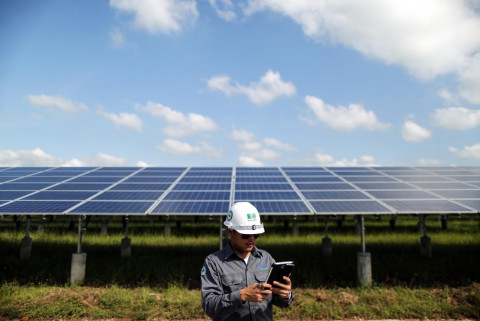
Thailand's cleaner grid is within reach
Oped, Rapeepat Ingkasit, Published on 11/06/2025
» Thailand is approaching a pivotal moment in shaping its energy future. The draft Power Development Plan 2024 (PDP2024) -- currently awaiting finalisation -- outlines the country's power strategy for the next two decades. But as it stands, the draft leans heavily on legacy thermal infrastructure, including continued reliance on fossil fuels.
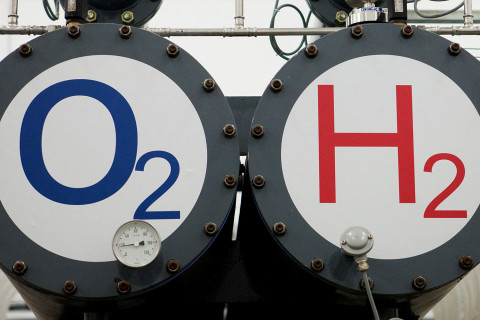
The role of hydrogen in clean power
Oped, Chakorn Loetnithat, Published on 14/05/2025
» On a hot afternoon in Chanthaburi province's Koh Jik, a small island striving for 100% renewable energy, a new power system is being tested. The goal? To see if hydrogen can keep the lights on when there's no sun or wind.

Power price trap
Oped, Postbag, Published on 21/01/2025
» Re: "Power tariff faces trim of 17 satang", (Business, Jan 17).
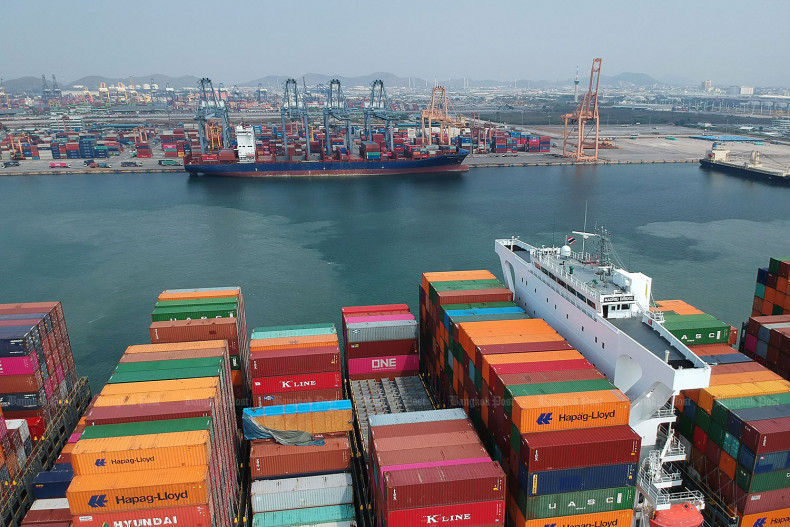
Global foreign investment is falling
Oped, John J Metzler, Published on 28/06/2024
» How does today's climate of international chaos and uncertainty serve as a business barometer for foreign investment?
The key to greener heavy industry
Oped, Keun Lee & John Mathews, Published on 30/08/2023
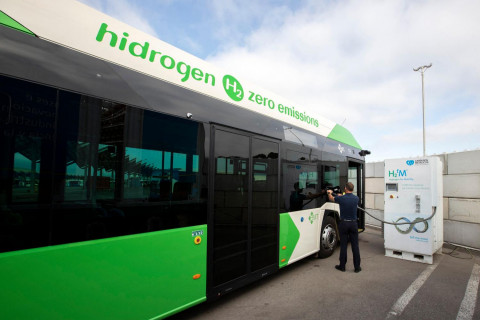
» For decades, solar and wind arrays offered a visible indication that the transition towards a green economy was progressing. But if we are to reduce -- and, eventually, eliminate -- carbon dioxide emissions, we will have to find a "clean" way not only to produce electricity, but also to power hard-to-abate heavy industries, such as steel, cement, and fertiliser production. Solar and wind energy alone cannot do this job, but hydrogen can.
Energy transition confronts reality
Oped, Daniel Yergin, Published on 03/02/2023
» The "energy transition" from hydrocarbons to renewables and electrification is at the forefront of policy debates nowadays. But the last 18 months have shown this undertaking to be more challenging and complex than one would think just from studying the graphs that appear in many scenarios. Even in the United States and Europe, which have adopted massive initiatives to move things along, the development, deployment, and scaling up of the new technologies on which the transition ultimately depends will be determined only over time.
Is Asean ready for green hydrogen?
News, Citra Endah Nur Setyawati and Alloysius Joko Purwanto, Published on 30/01/2023
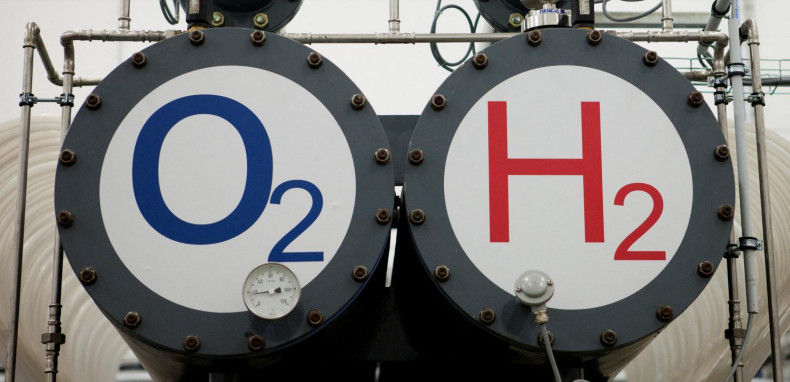
» Climate change and the energy transition have made research and development (R&D) in clean energy a priority as countries aim to reach net-zero by 2050. Hydrogen has been categorically singled out as a possible source of energy in the not-too-distant future. Indeed, hydrogen has been widely used in many applications, including in refining ammonia and petroleum, and the production of methanol and synthetic fuels which have more emissions. These applications accounted for more than 93% of global hydrogen consumption in 2020.
A faster route to greener shipping
Oped, Aideé Saucedo Dávila, Published on 07/09/2022
» Delegates from over 190 countries recently gathered in Lisbon for the UN Ocean Conference, the most important event on this issue this year. Opening the meeting, UN Secretary-General António Guterres urged governments "to raise their level of ambition for the recovery of ocean health".
The global methane imperative
News, Sarah Vogel and Marcelo Mena, Published on 29/04/2022
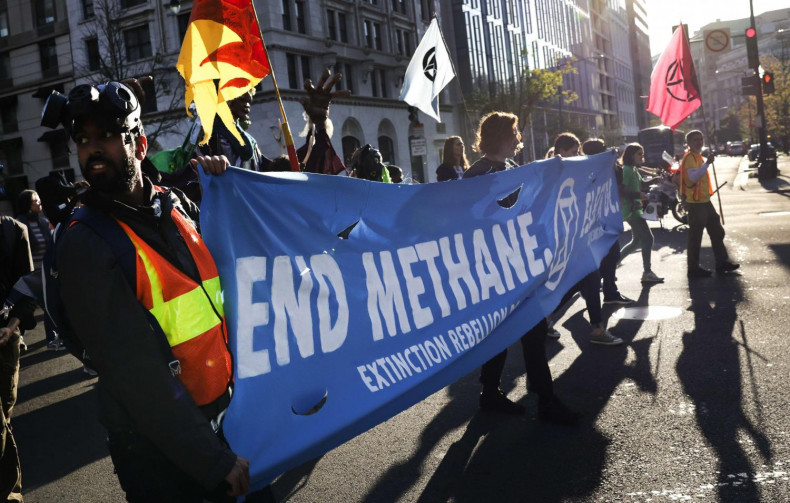
» One of the most important achievements of last year's United Nations Climate Change Conference (COP26) in Glasgow was the Global Methane Pledge, a commitment by more than 100 countries to cut methane emissions by 30% by 2030. Reducing methane emissions is not only among the quickest and most effective ways to stem climate change; it would also go a long way towards improving public health.