




Showing 1 - 10 of 391
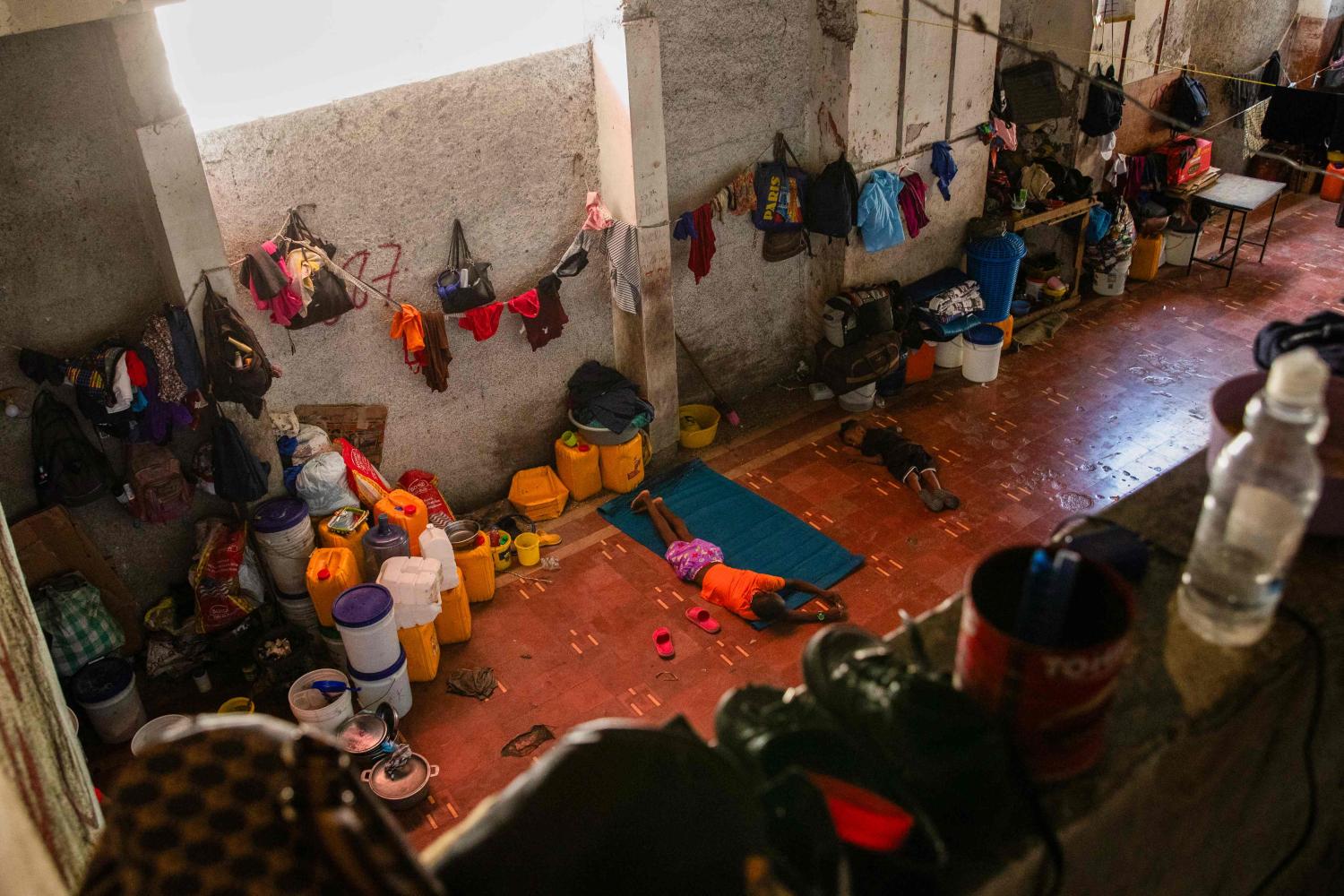
Hormuz crisis reveals energy resilience gap
News, Laura Carvalho, Published on 18/04/2026
» The closure of the Strait of Hormuz has triggered what the International Monetary Fund calls a "global yet asymmetric" rupture, disrupting the flow of roughly one-quarter of oil, one-fifth of liquefied natural gas, and one-third of fertiliser supplies. Energy and fertiliser prices have risen, supply chains have rerouted, and financial conditions have tightened unevenly around the world.
Climate fixation fails world's poor
Oped, Bjorn Lomborg, Published on 17/04/2026
» This week in Washington, more than 10,000 delegates, finance ministers, and central bankers are gathering for the World Bank and IMF Spring Meetings. Their stated goal: accelerate global development, drive economic growth, and lift billions out of poverty.

Our shared heritage
News, Editorial, Published on 13/04/2026
» Songkran, the traditional new year, has become a time when Thai and Cambodian netizens wage a war on screens, as both have defiantly claimed ownership over the centuries-old tradition.

Cash flow fears
Postbag, Published on 11/04/2026
» Re: "Risk of acute crisis growing", (Opinion, March 5).

Save Dutch embassy
Postbag, Published on 04/04/2026
» Re: "City's green spaces losing ground", (Opinion, March 30).
Urgent push for fair climate finance
Oped, Sarinee Achavanuntakul, Published on 01/04/2026
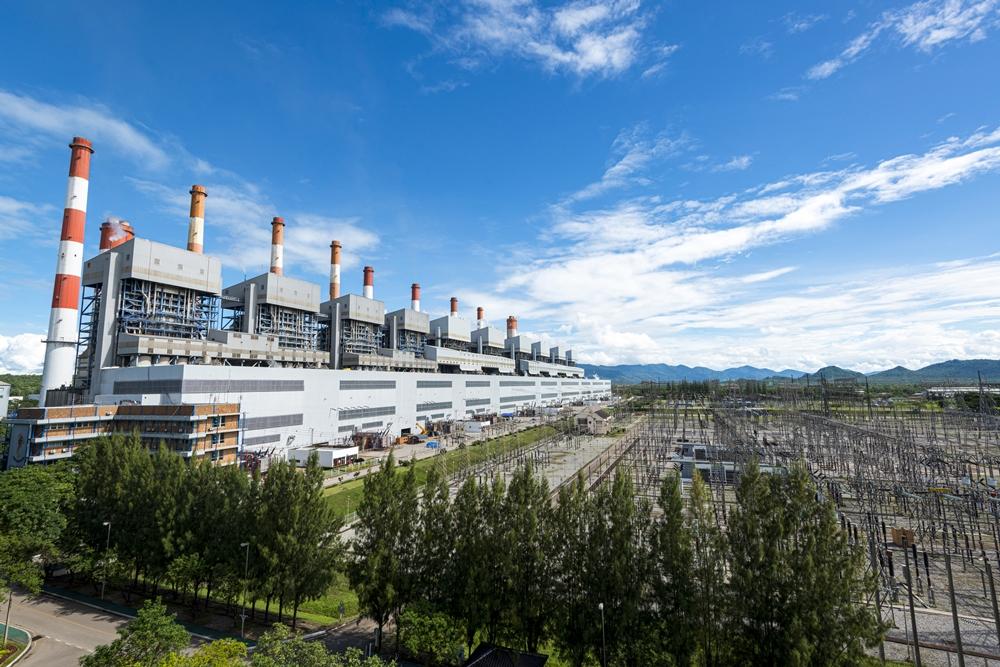
» Ever more visible, the various impacts from climate change are eroding both Thailand's economic competitiveness and the livelihoods of its people: season by season, in heat waves that flatten productivity, floods that swallow farmland, and coastal erosion that is slowly reclaiming communities.

Fuel reform now
Oped, Postbag, Published on 01/04/2026
» Re: "PM apology a good start," (Editorial, March 30).

Save women's sport
Oped, Postbag, Published on 31/03/2026
» Re: "Women's sport limited to 'biological females'", (Sport, March 28).
Iran war exposes Thai energy fragility
News, Sutthipath Kanittakul, Published on 28/03/2026
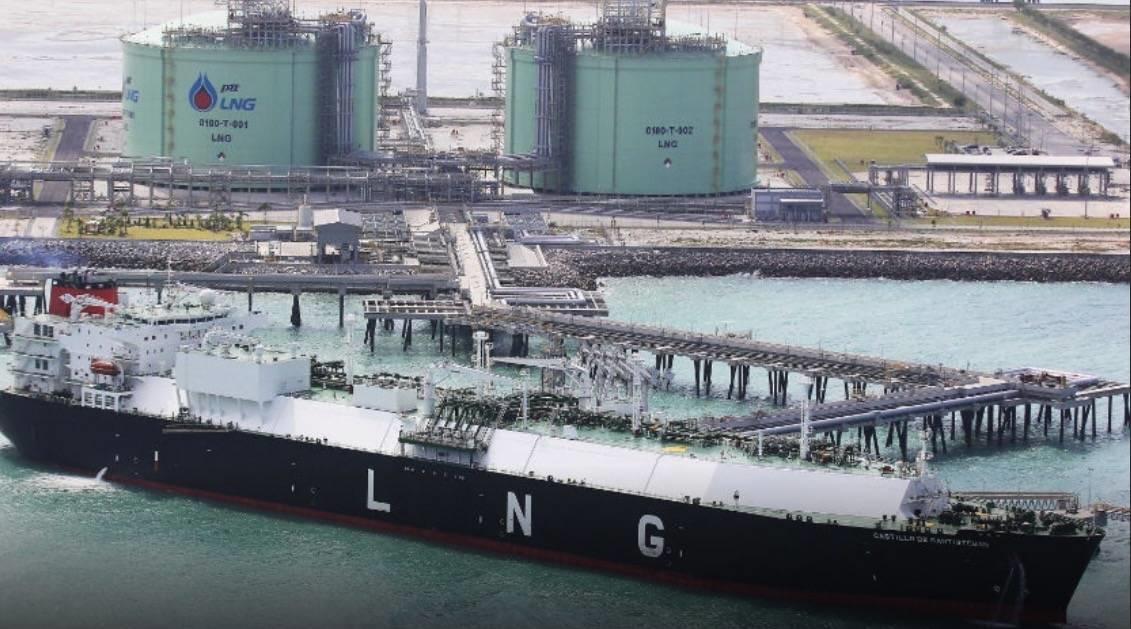
» The ongoing war in the Middle East is exposing a critical vulnerability in Thailand's energy system -- its heavy dependence on imported liquefied natural gas (LNG).
PM's crisis-coping skills again in doubt
Oped, Nattaya Chetchotiros, Published on 26/03/2026
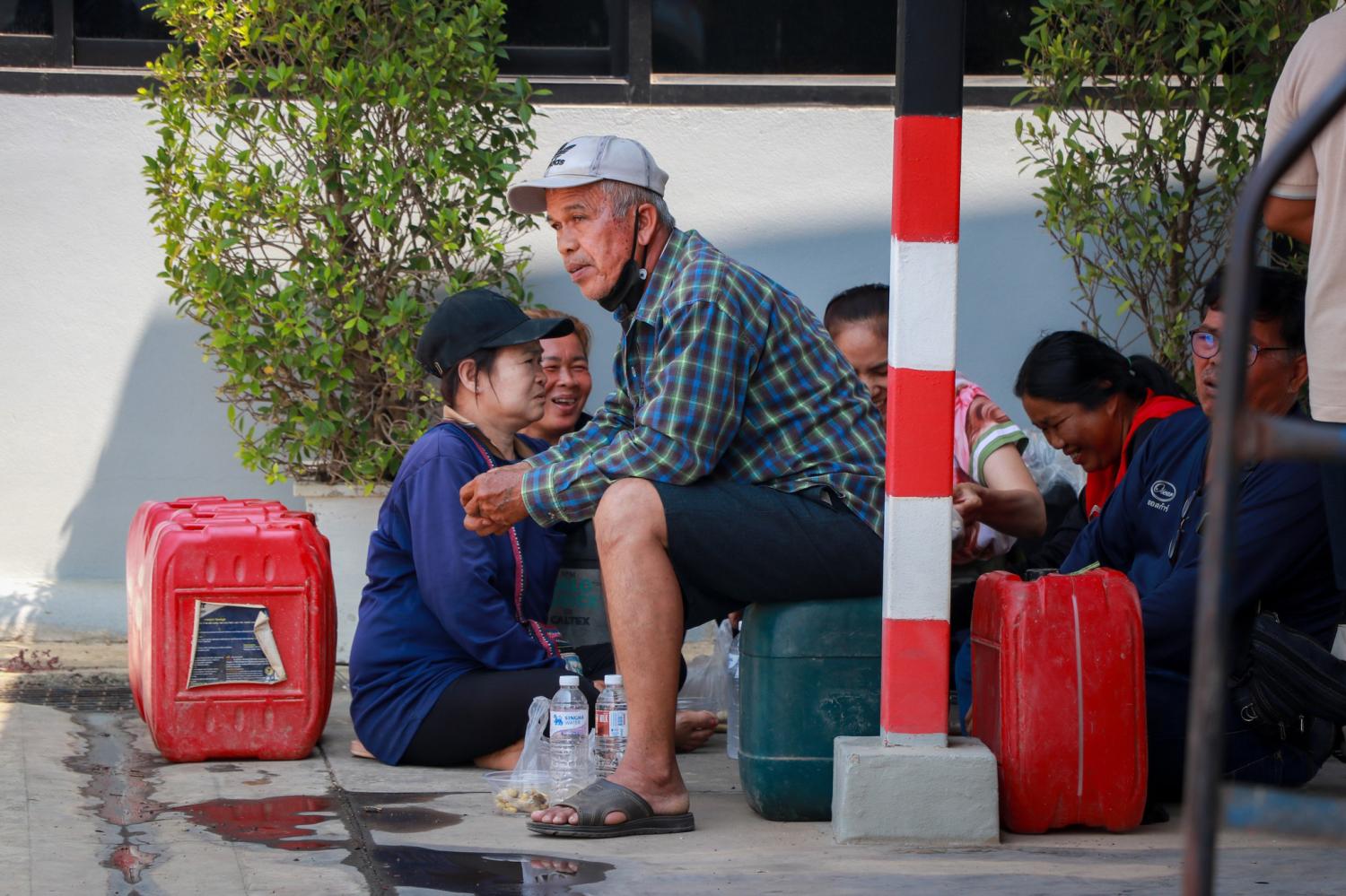
» A joint military attack on Iran by the United States and Israel appears to have had a profound political impact on the Anutin government. Prime Minister Anutin Charnvirakul and his ministers have come under heavy criticism from the public and commentators alike for what is widely seen as a failure to handle the oil supply situation effectively.