



Showing 1 - 9 of 9
Our tariff-era dollar, your problem
Oped, Qiyuan Xu, Published on 04/02/2026
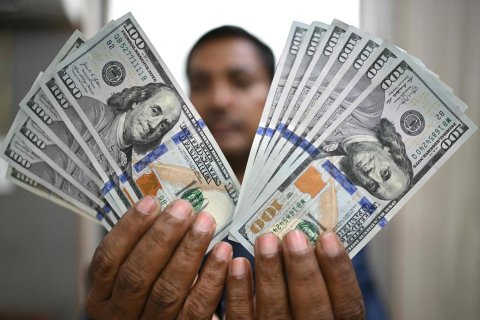
» In 2025, the dollar index, which measures the greenback's strength against a basket of major currencies, fell by roughly 9.4%. Over the same period, the United States' average effective tariff rate rose by around 14.4 percentage points, from 2.4% to 16.8%, according to the Yale Budget Lab. Taken together, these shifts imply that, in the import trade domain, the US experienced an effective exchange-rate depreciation of around 24%.
Trade conflicts destroy the planet
Oped, Qiyuan Xu, Published on 12/12/2025
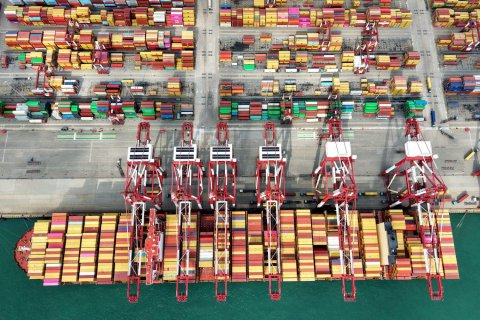
» Tariff wars are often justified as necessary to protect or reshore manufacturing jobs and to improve national security. But, according to new research, these conflicts produce another outcome that is largely overlooked: pollution. When global supply chains are forced into inefficient detours, carbon dioxide emissions rise.
WTO at 30 after decades of challenges
Oped, Supachai Panitchpakdi, Published on 30/07/2025
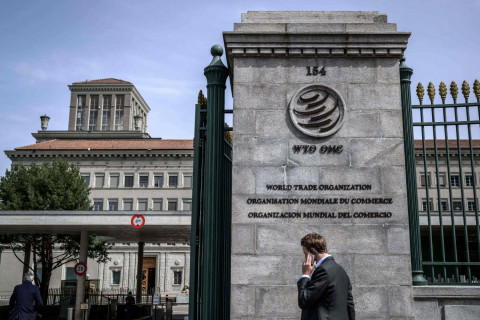
» When I sat down to write an article "WTO at 10" for a commemorative book for the occasion in 2005, little did I know of the huge challenges the WTO and the multilateral trading system would have to confront in the following two decades.
Global foreign investment is falling
Oped, John J Metzler, Published on 28/06/2024
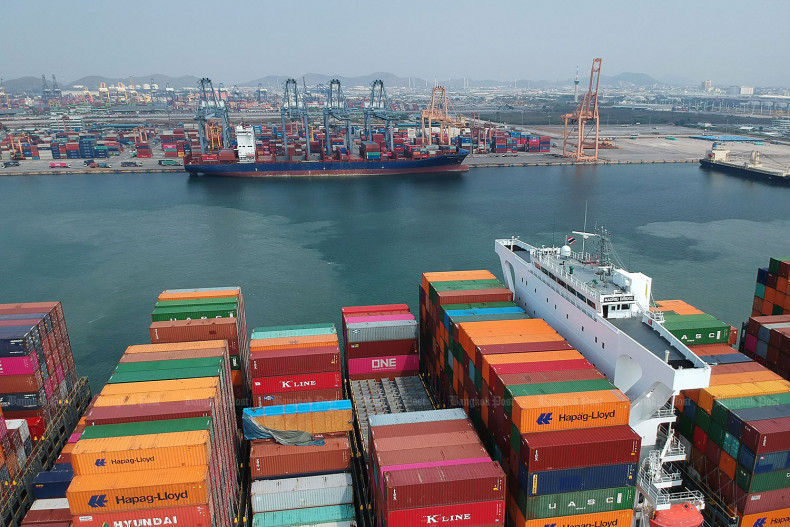
» How does today's climate of international chaos and uncertainty serve as a business barometer for foreign investment?

ESG: Time for action not words
Oped, Renaud Meyer, Published on 28/12/2023
» Not a week goes by without an ESG meeting, a CEO summit, a sustainability expo. This flurry of events highlights how much the business context has changed in the last decade and is set to change further in the coming years as stakeholders bring their growing influence to bear. Consumers, employees, and other economic actors, especially millennials, are becoming more environmentally and socially conscious. Not only are they increasingly holding companies to account for their performance on various socioeconomic issues, but they are also voicing their expectations for companies to contribute to solving the most complex challenges of our time in view of supporting the achievement of the Sustainable Development Goals (SDGs).
Monetary curbs have long-term consequences
Oped, Jayati Ghosh, Published on 19/11/2022
» The Spanish-American philosopher George Santayana famously warned that "those who cannot remember the past are condemned to repeat it". But sometimes even those who can recall the past have a selective memory and draw the wrong conclusions. This is how the global policy response to the current bout of inflation is playing out, with governments and central banks across the developed world insisting that the only way to tame soaring prices is by raising interest rates and tightening monetary policy.
World in crisis needs trade, aid
Oped, Ngozi Okonjo-Iweala, Rebeca Grynspan and Pamela Coke-Hamilton, Published on 28/07/2022
» We are in the toughest period the world economy has faced since the creation of the multilateral system more than three-quarters of a century ago. A quadruple shock of Covid, climate change, conflict and cost-of-living has undone years of hard-fought development gains. As financial conditions tighten, even countries that had seemed on track to prosperity and stability now stare into the abyss of debt distress, fragility and uncertainty about the future.
Thai economy out of sync, out of sight?
Oped, Pavida Pananond, Published on 27/08/2021
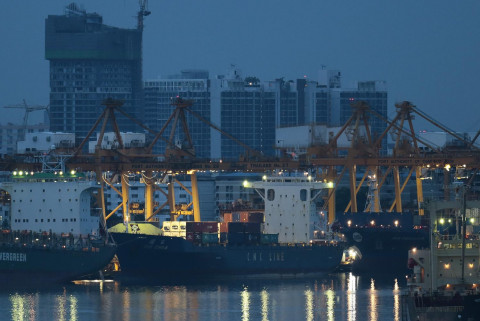
» The changing nature of globalisation, compounded by pandemic-induced disruptions require a rethink of Thailand's place and direction in the global economy. Already hampered by pre-Covid trends of global slowdown in trade and investment, the economy is facing tougher challenges as the pandemic has forced multinational companies to reconsider their supply chain configuration. The changing contours of the global economy on the one hand and ongoing political tensions at home that have delayed much-needed structural reforms on the other are becoming a perfect storm that could blow away Thailand's chances of maintaining its once central role in Southeast Asia's economic dynamism.
RCEP shores up trade, value chains
Oped, Pavida Pananond and Thitinan Pongsudhirak, Published on 20/11/2020
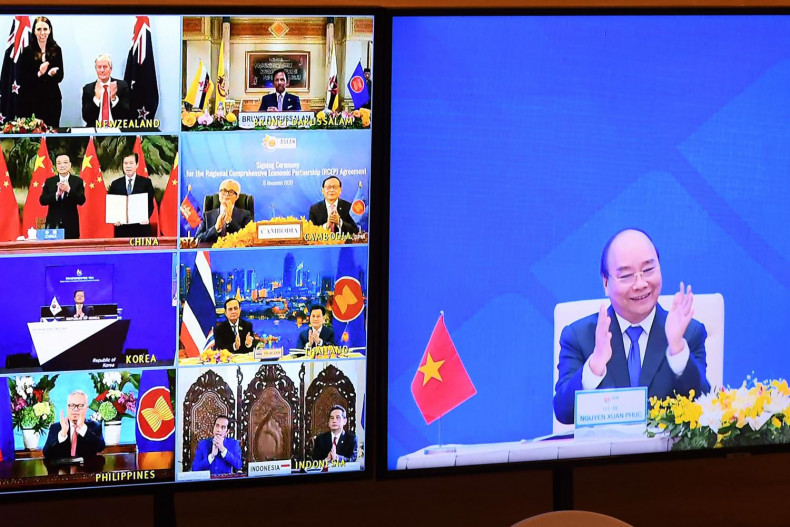
» Although it is far from the best outcome in trade liberalisation, the finalisation of the 15-member Regional Comprehensive Economic Partnership (RCEP) among economies of Northeast Asia and Southeast Asia, along with Australia and New Zealand, has highlighted and even salvaged Asean's adverse pandemic year.