



Showing 1 - 10 of 11

Donor funding crisis goes global
News, Jayati Ghosh, Published on 21/05/2025
» Towards the end of the ancient Indian epic the Mahabharata, Krishna's Yadava clan self-destructs. Many dark omens presage their downfall: nature behaves erratically and pests multiply. Sin, deception, and violence proliferate, eroding trust and solidarity. Clan members humiliate and insult wise elders. When Krishna's extended family goes on a picnic, the men get drunk, argue, and attack each other, until eventually all of them are dead.
Protectionism will not protect
Oped, Winnie Byanyima & Michael Marmot, Published on 16/05/2025
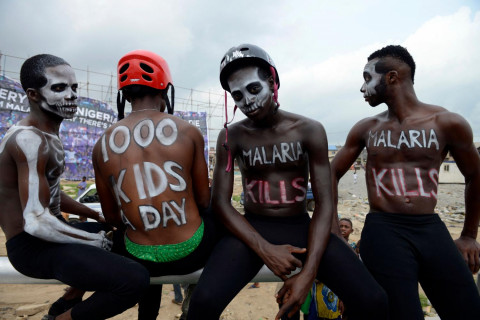
» As many Global North countries turn inwards, foreign assistance has become an easy target. The decimation of the US Agency for International Development (USAID) has dominated headlines, but the United Kingdom and many European countries have also cut their foreign-aid budgets. Policymakers in these countries view this spending as a form of charity and think that bolstering their economic and military might can deliver more benefits for more people.

Thai HIV response faces setback
Oped, Stephen Mills, Published on 21/02/2023
» Thailand was a model for how a country should respond to the HIV epidemic. Whenever there was an HIV innovation -- whether it be a drug or a behavioural approach -- Thailand would be one of the first countries to adopt it. This began with the 100% Condom Programme in the early 1990s and continued all the way to 2016, when WHO declared that Thailand was the first country in Asia to eliminate mother-to-child transmission of both HIV and syphilis, an impressive feat many countries are still hard-pressed to mimic. Thailand became one of the first middle-income countries in 2014 to embrace pre-exposure prophylaxis (PrEP) by supporting community-based organisations (CBOs) to test key populations, such as men who have sex with men and transgendered individuals, for HIV and provide this critical drug to them.

A model for HIV management
News, Tares Krassanairawiwong, Apiwat Kwangkaew and Patchara Benjarattanaporn, Published on 09/01/2023
» The key to ending Aids is to end inequality, and countries most affected by the disease must lead the effort against the disease by closing the economic gap.
Global HIV response is in danger
Oped, Taoufik Bakkali, Published on 27/07/2022
» Last year, world leaders came together at the United Nations in New York and agreed on a groundbreaking Political Declaration on HIV and Aids. That plan takes on the inequalities that drive the pandemic and will dramatically reduce new HIV infections and Aids-related deaths by 2025 and end the Aids pandemic as a global health threat by 2030 -- if world leaders fulfil it. But the world -- especially the Asia and Pacific region -- is not on track.
A Valentine reminder that people with HIV deserve love
News, Gita Sabharwal and Patchara Benjarattanaporn, Published on 13/02/2021
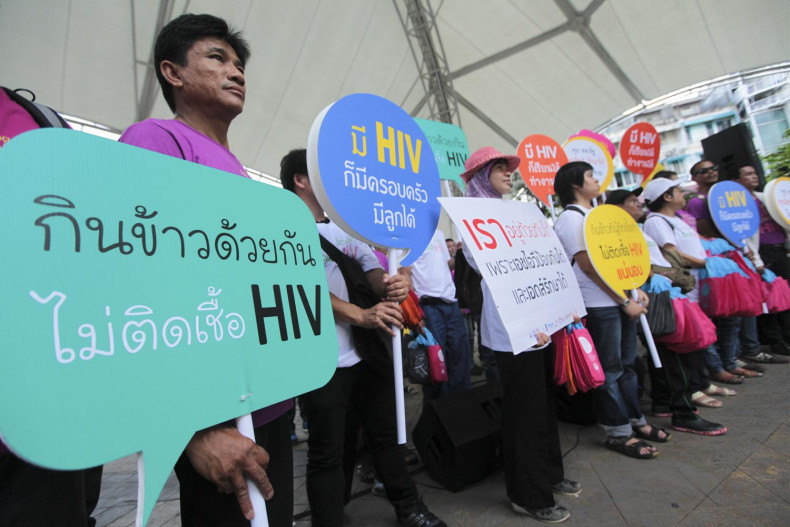
» Six years ago, Pete learned that he was HIV positive, a point in his life when he struggled to understand what this meant and had almost given up on life. However, this is where his story begins. Pete managed to overcome the stigma and discrimination and decided to publicly disclose his HIV-positive status on social media and educate people about HIV from his experiences, becoming today an influential voice in Thailand.
Tackle entrenched inequalities to end epidemics
News, Winnie Byanyima, Published on 07/07/2020
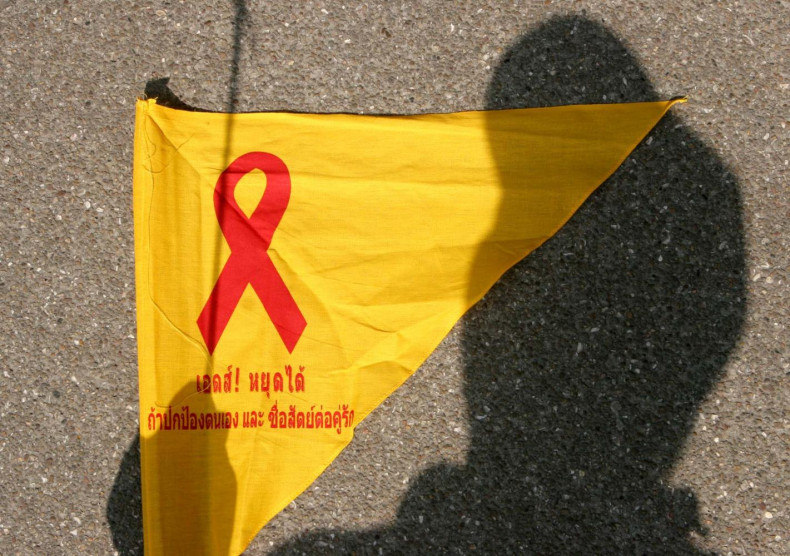
» Like the HIV epidemic before it, Covid-19 is exploiting the extreme inequalities between countries and within them among disadvantaged and vulnerable communities. I am proud that decades of experience in responding to HIV are being used in the fight against the coronavirus and that activists all over the world are working hard to make sure that the disruption to HIV services is minimised.
Communities are the difference in HIV response
News, Winnie Byanyima, Published on 30/11/2019
» Communities have always played a huge part in the response to HIV. People coming together, organising themselves and demanding their right to health. For people most vulnerable to HIV, it is no exaggeration to say that communities often make the difference between life and death.
Unleashing community potential to end HIV/Aids
News, Gunilla Carlsson, Published on 17/07/2019
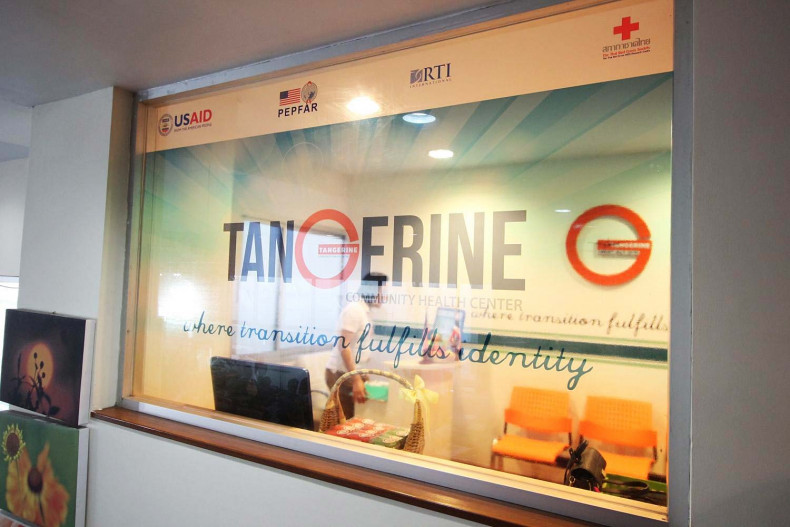
» All countries have committed to achieve the Sustainable Development Goals by 2030. This includes the commitment to end the Aids epidemic as a public health threat. Yet with just eleven years to go, it is a mixed picture. In many countries, great progress continues to expand access to HIV treatment and prevention options that are, in turn, reducing Aids-related deaths and new HIV infections. But there are still far too many countries where Aids-related deaths and new infections are not decreasing fast enough, even rising in some cases, even though we know how to stop the virus.
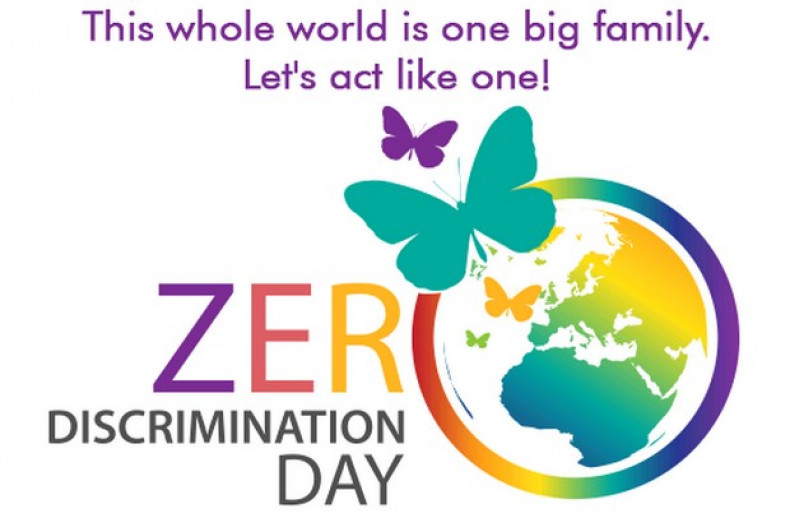
Let's end HIV/Aids stigma now
News, Taweesak Lertprapan, Suwannachai Wattanayingcharoenchai & Patchara Benjarattanaporn, Published on 01/03/2019
» Today, Thailand joins countries around the world to mark Zero Discrimination Day in order to highlight the urgent need to take action against discrimination.