



Showing 1 - 10 of 55

Tensions cool on border
News, Mongkol Bangprapa, Published on 02/01/2026
» Major powers, diplomatic missions and humanitarian organisations have commended Thailand for freeing 18 Cambodian soldiers and reinforcing momentum behind the fragile ceasefire between the two countries.
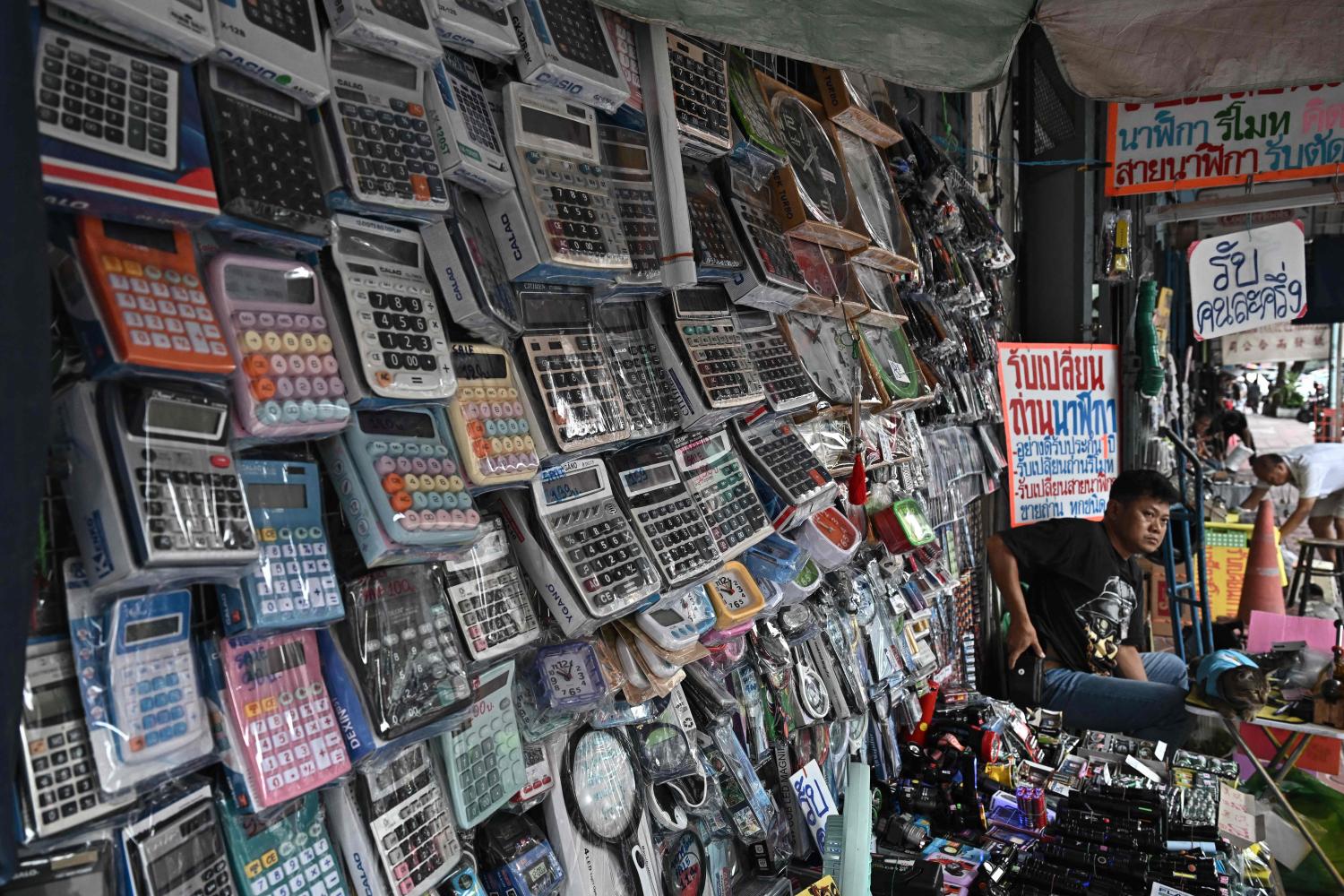
Institutional redesign in order for economic change
News, Diane Coyle, Published on 30/12/2025
» The Nobel Prize in economics was awarded both this year and last year to scholars who, in different ways, emphasised the importance of institutions to economic growth.
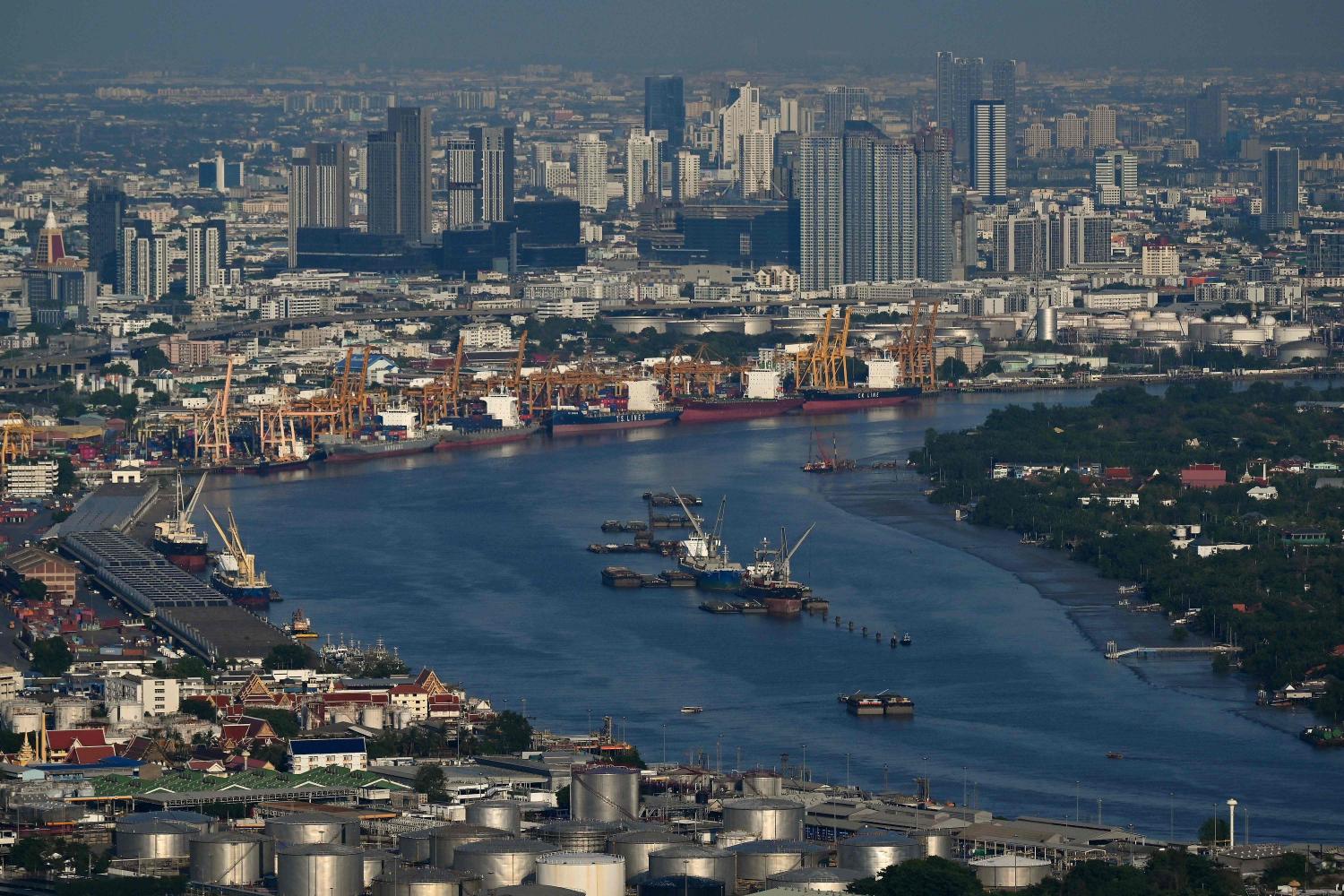
The effects of unfinished momentum
News, Peerasit Kamnuansilpa, Published on 08/11/2025
» Why do some nations surge confidently into the future while others advance only in half-steps, not declining but not accelerating either? In their influential book Why Nations Fail (first published in 2012), Daron Acemoglu -- now a Nobel Prize economist -- and James Robinson, both economists and political scientists at the University of Chicago, offer a helpful lens for understanding Thailand's development path without casting blame or provoking division.

Was DeepSeek-R1 release a Sputnik moment for AI?
News, Daron Acemoglu, Published on 07/02/2025
» After the release of DeepSeek-R1 on Jan 20 triggered a massive drop in chipmaker Nvidia's share price and sharp declines in various other tech companies' valuations, some declared this a "Sputnik moment" in the Sino-American race for supremacy in artificial intelligence. While America's AI industry arguably needed shaking up, the episode raises some difficult questions.

Rethinking national prosperity through institutions
News, Antara Haldar, Published on 13/11/2024
» Each autumn, a telephone call from Stockholm launches one or a few scholars to international fame with the bestowal of the Nobel Memorial Prize in Economic Sciences -- a process that Irving Wallace dramatised in his 1962 potboiler The Prize.

Why do some countries prosper while others falter?
News, Jeffrey Frankel, Published on 06/11/2024
» Why have some countries grown rich and others not? The three winners of this year's Nobel Prize in Economic Sciences -- Daron Acemoglu, Simon Johnson, and James A Robinson -- offer a simple answer: institutions. Countries with "inclusive" institutions -- which underpin an open society, accountable government, economic freedom, and the rule of law -- do better than those with "extractive" institutions that reward those in power.

I'm with the band -- how music made me British
News, Howard Chua-Eoan, Published on 31/08/2024
» 'Wonderwall' is all I remember. The rest of Oasis is a blur to me. I was still living in New York City when the band had their global breakthrough -- and that song was everywhere. From the album (What's the Story) Morning Glory?, it's one of the few mid-1990s songs whose lyrics this Boomer can remember. I admired its Beatles-like off-kilter poetics, its love-will-save-the-day (if not, maybe it'll just save me) sentimentality. And Liam Gallagher's voice, while not beautiful, was pure plaintive Britpop, a plangent inflexion echoing from as far back as 1962's Love Me Do by John Lennon and Paul McCartney.

Hipster antitrust policy is actually conservative
News, Matthew Yglesias, Published on 11/06/2024
» Antitrust policy is having a moment. Led by Federal Trade Commission Chair Lina Khan, US President Joe Biden's administration is turning its attention to suspect activity not only in Big Tech and Big Oil, but also in Big Alcohol, Big Hotel and Big Concert. The rationale for this new push, however, is ambiguous: Is antitrust law a tool to protect consumers from higher prices, or to defend small businesses against big ones?
Gap's Met Gala denim moment stunning, smart
News, Andrea Felsted, Published on 11/05/2024
» Among the many luxury brands showing off their lavish creations at the Met Gala this week were a handful of more mainstream names. One standout was The Gap Inc, which dressed actress Da'Vine Joy Randolph.

'Empower, Inspire, Transform'
News, Published on 12/03/2024
» Marking International Women's Day this month, 10 extraordinary women from a wide range of fields who have empowered, inspired and transformed change in their communities through their pursuit of excellence have been named the Bangkok Post's Women of the Year 2024.