



Showing 1 - 10 of 3,555

Fix Thailand's data confusion
Oped, Jompon Pitaksantayothin, Published on 20/02/2026
» Thailand has made significant strides in building a data governance framework, most notably through the Personal Data Protection Act (PDPA) 2019. Data now underpins how citizens exercise their rights, how governments deliver services, how businesses innovate, and ultimately, how democracy is sustained.
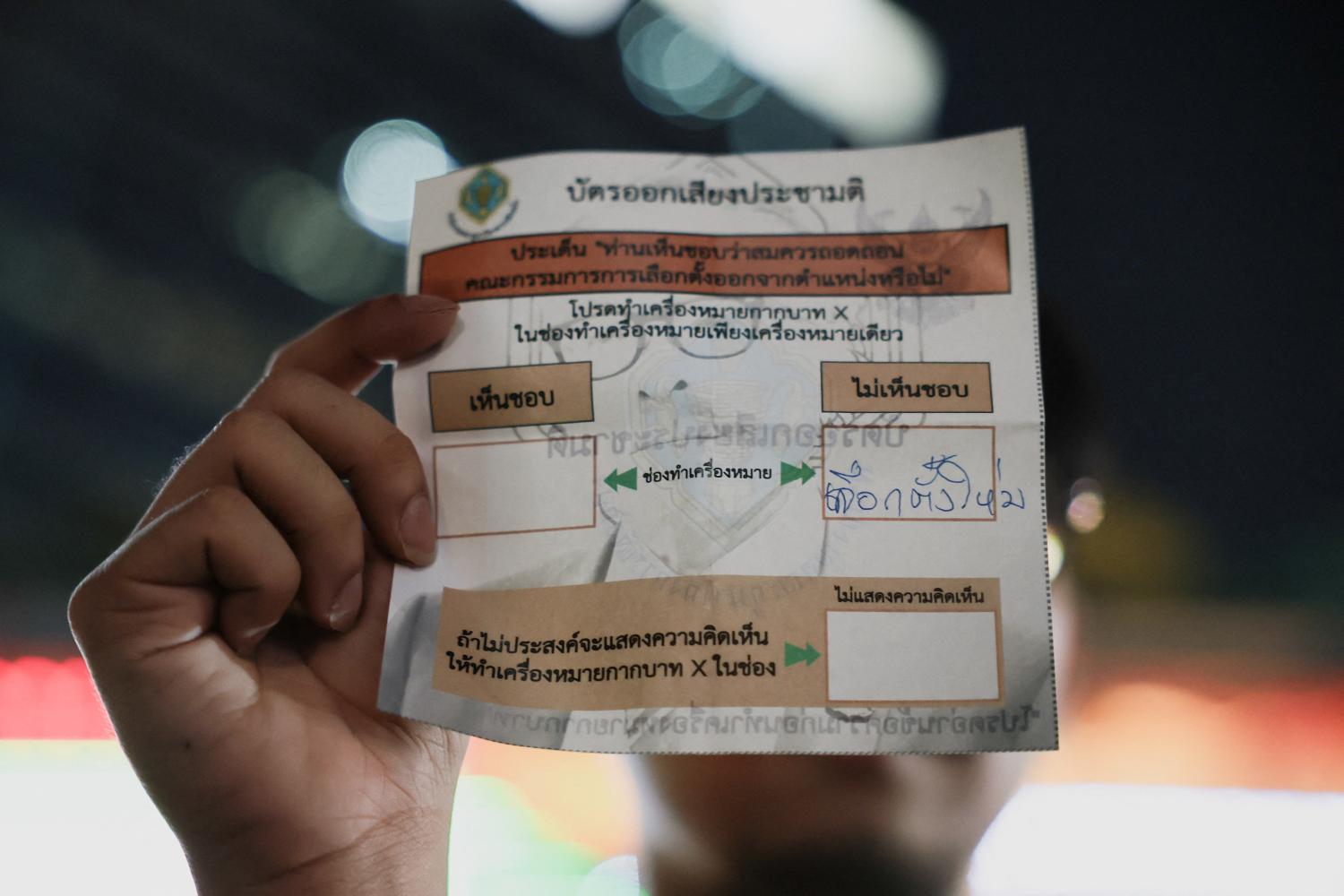
The gist of Thai politics over 20 years
Oped, Thitinan Pongsudhirak, Published on 20/02/2026
» Thailand's democratic institutions have been repressed and kept weak to the point that confusion still prevails almost two weeks after the Feb 8 election, which purportedly showed a clear victory for the ruling Bhumjaithai (BJT) Party under Prime Minister Anutin Charnvirakul. On the one hand, Mr Anutin and BJT stalwarts are busy forming a coalition government with other parties. On the other hand, fraud allegations from civil society groups and the opposition People's Party have reached a critical mass with the plausibility that the recent vote might be nullified to pave the way for a new poll.
Japan's Takaichi wins strong new mandate
Oped, John J. Metzler, Published on 19/02/2026
» A political Tsunami swept across Japan as recent national elections delivered a resounding victory for the incumbent party and its maverick leader, Sanae Takaichi. Though the outcome was assumed, her stunning triumph in the Feb 8 election was unexpected.

Not data-driven
Oped, Postbag, Published on 18/02/2026
» Re: "Harnessing data to boost road safety", (BP, Feb 17). Your special report today highlights a government initiative to tap into Japanese data collection in an effort to reduce the catastrophic number of people killed on Thai roads every year.

EC is losing public trust
Oped, Editorial, Published on 18/02/2026
» If any good has come from the performance of the Election Commission (EC) following the Feb 8 election, it is this: the organisation has exposed the top-down "mandarin" culture of the Thai bureaucracy, where officials act as regulators of the people rather than their servants.
Could a Brics currency rival the dollar?
Oped, Jim O'Neill, Published on 18/02/2026
» Could the Brics (Brazil, Russia, India, China, South Africa) ever launch a shared currency to challenge the US dollar's dominant position in the world economy? Like many conventional international economists, I have generally dismissed the idea, despite my own role in coining the Brics acronym, which led to the creation of a formal Brics club (since expanded into the Brics+, with the addition of five new members).
Asean's role in a new world order
Oped, Chartsiri Sophonpanich, Published on 16/02/2026
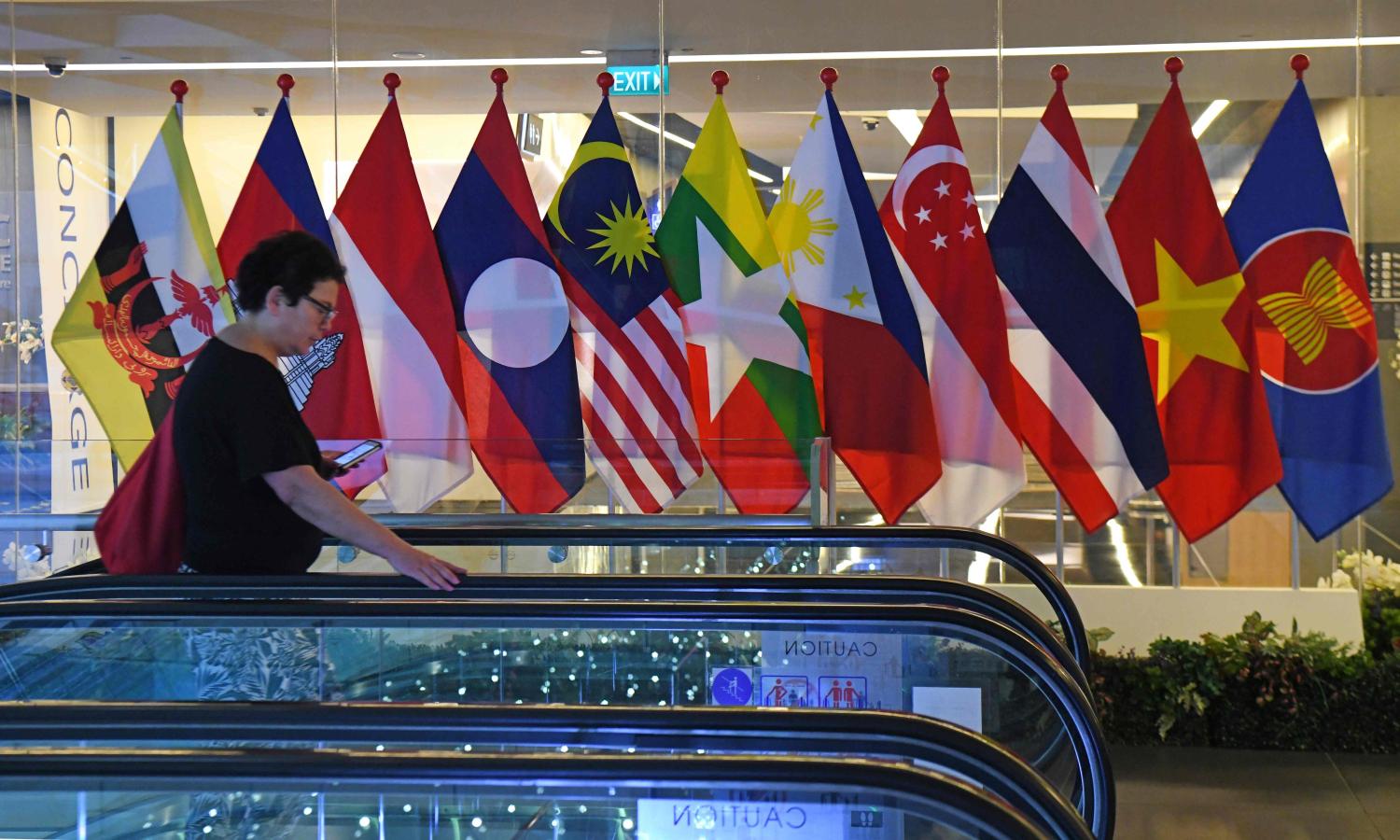
» Profound shifts are reshaping the global economy as political uncertainty, geopolitical rivalry and changing trade patterns disrupt the old world order, while a new one has yet to fully emerge.

Take the guns away
Oped, Postbag, Published on 16/02/2026
» Re: "School shooting suspect arrested", (BP, Feb 12).
Implications of conservative triumph
Oped, Thitinan Pongsudhirak, Published on 13/02/2026
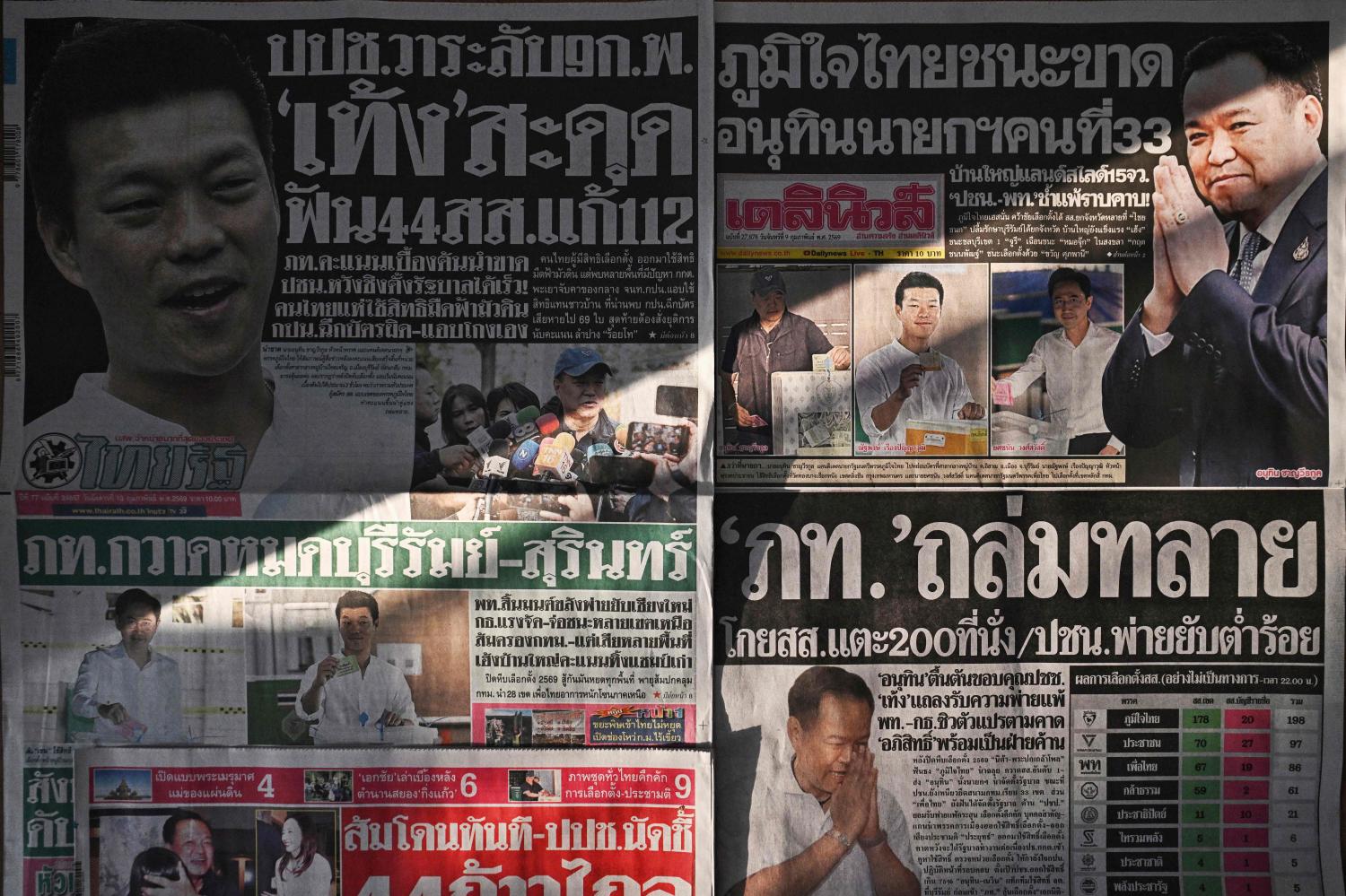
» The incumbent and conservative Bhumjaithai (BJT) Party has surprisingly swept Thailand's Feb 8 election with a commanding win. With the previously poll-leading and progressive People's Party (PP) coming in a distant second, Thailand appears headed for a conservative coalition government revolving around BJT and like-minded junior partners. Known for its conservative stance and being pro-status quo, it would not be surprising if the BJT-led coalition government, led by Prime Minister-elect Anutin Charnvirakul, were not challenged by the Constitutional Court, the Election Commission, and other supervisory agencies, which have derailed and dissolved reform-minded winning parties in the past.

How world's super-rich are rewriting the rules
Oped, Joseph E Stiglitz & Jayati Ghosh, Published on 13/02/2026
» Ongoing efforts to derail multilateral tax cooperation lie at the heart of a global programme to replace democratic governance with coercive rule by the extremely wealthy -- or what we call 21st-century Caesarism. Any strategy to counter this programme, therefore, must recognise that taxing extreme wealth is essential to saving democracy.