



Showing 1 - 10 of 197
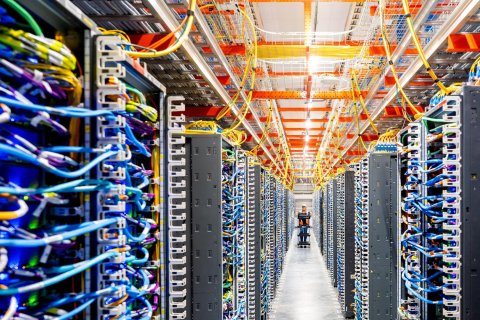
When infrastructure meets AI
Oped, Bertrand Badré & Saurabh Mishra, Published on 16/01/2026
» Infrastructure investment is booming. Around the world, governments are pouring trillions of dollars into roads, power grids, data centres, water systems, and housing, with many responding to intensifying climate shocks and the growing need for adaptation. Yet the construction industry -- the single largest force physically reshaping the planet -- is among the last major sectors to unlock all the benefits that digital technology offers. As a result, it accounts for about 21% of greenhouse-gas emissions, produces half of global landfill waste, and overspends by US$1.6 trillion a year.
Five energy market trends for 2026
Oped, Ron Bousso, Published on 01/01/2026
» Energy markets enter 2026 in a downbeat mood as geopolitical uncertainty clouds the outlook and increasing signs of swelling oil and gas supplies threaten to sink prices.
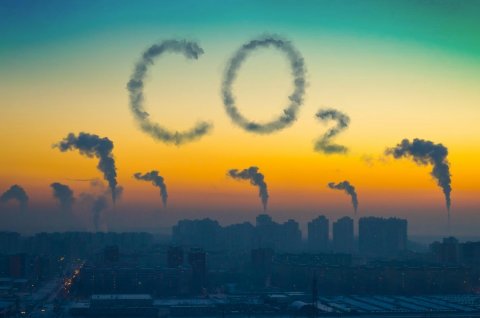
Let us link our carbon markets
Oped, Xue Song, Published on 08/12/2025
» With CBAM set to cost the region billions from 2026, an Asia-led carbon corridor could turn that threat into a lasting climate and strategic advantage.

Flood response ideas
Oped, Postbag, Published on 30/11/2025
» Re: "When flood warnings come too late", (Opinion, Nov 29).
How China won innovation in lieu of freedom
Oped, Jennifer Lind, Published on 28/11/2025
» A decade ago, China's government unveiled Made in China 2025 -- a bold vision for transforming the country from the world's assembly line into a global innovation leader. The plan was met with considerable scepticism, particularly in the West, where a robust scholarly consensus held that authoritarianism was fundamentally incompatible with innovation. China was light-years behind the global frontier. Barring drastic political change, many observers concluded, China would remain a "copycat nation".

Solidarity first
Oped, Postbag, Published on 24/11/2025
» Re: "Asean regains footing despite setbacks", (Opinion, Nov 21).

New tech disrupts global order
Oped, Mark Blyth & Daniel Driscoll, Published on 18/11/2025
» News media tend to focus on the world's major powers because they command more resources by dint of their relatively larger economies, militaries and energy endowments. But there are costs to such dominance. For example, a single American Gerald R Ford-class aircraft carrier costs $13 billion (421.6 billion baht), while the F-35 fighter jet costs about $100 million. So, if you can build your military equipment for less than your opponent, you can gain a strategic advantage.
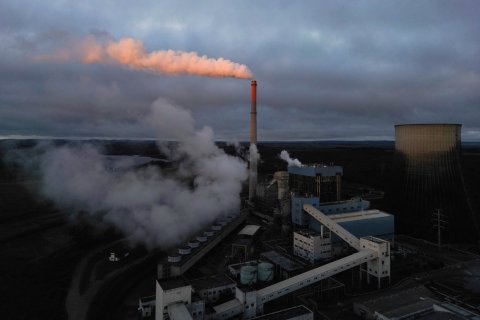
Why climate finance is no longer enough
Oped, Laura Carvalho, Published on 11/11/2025
» With the UN Climate Conference (COP30) in Belém, Brazil, kicking off, it is clear that the world's widely shared commitment to a just energy transition is falling by the wayside. In the year since governments signed on to the agreement at COP29 to scale up climate finance -- with a goal of mobilising $1.3 trillion (42 trillion baht) annually by 2035 -- wealthy countries have been retreating from their pledges. Worse, these signs of bad faith are coming just as the costs of climate adaptation and decarbonisation in developing countries are mounting.

Rethinking finance beyond aid
Oped, Justin Yifu Lin & Yan Wang, Published on 06/11/2025
» Traditional donors have sharply scaled back their aid commitments to developing countries over the past year. Some, like the United States, have virtually eliminated their aid programmes. According to the Organisation for Economic Co-operation and Development (OECD), official development assistance (ODA) from member countries declined by 7.1% in 2024, its first annual drop in six years.

Carbon capture, hydrogen and net zero
Oped, Areeporn Asawinpongphan, Korn Amnauypanit & Annop Jaewisorn, Published on 05/11/2025
» Solar farms, wind turbines, and electric vehicles are crucial to slashing carbon emissions, but they can't carry Thailand all the way to net zero.