



Showing 1 - 4 of 4
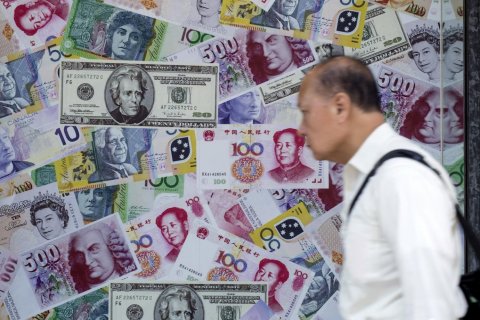
Renminbi debt in a dollar-denominated world
Oped, Paola Subacchi, Published on 25/09/2025
» When governments borrow on international markets, they do so overwhelmingly in US dollars. Roughly two-thirds of international debt issuance is denominated in foreign currencies, of which nearly half is in dollars and about 40% is in euros. The rest is spread across other currencies, including the Chinese renminbi.

US fiscal state is everyone's issue
Oped, Paola Subacchi, Published on 28/05/2025
» As Donald Trump's "big, beautiful" tax bill heads to the US Senate, investors everywhere are growing increasingly uneasy. On May 16, the credit-rating agency Moody's downgraded US sovereign debt from its long-held triple-A status to Aa1 -- following similar decisions by Standard & Poor's (in 2011) and Fitch Ratings (2023). Given the sheer volume of US debt -- which now stands at $36 trillion, or 124% of GDP -- and rising interest costs, these institutions have concluded that US debt metrics are no longer in line with those of similarly rated sovereigns.
Sanctions need global governance
Oped, Paola Subacchi & Rosa M Lastra, Published on 12/04/2024
» As Russia's war against Ukraine has entered its third year, Western governments are finding it increasingly difficult to muster the funding Ukraine needs to defend itself. The European Union struggled to reach a €50 billion (1.9 trillion baht) aid deal in February, and the United States remains deadlocked over its own US$60 billion (about 2.2 trillion baht) funding package. Now, calls to use Russia's own assets to fund the Ukrainian war effort are growing louder.
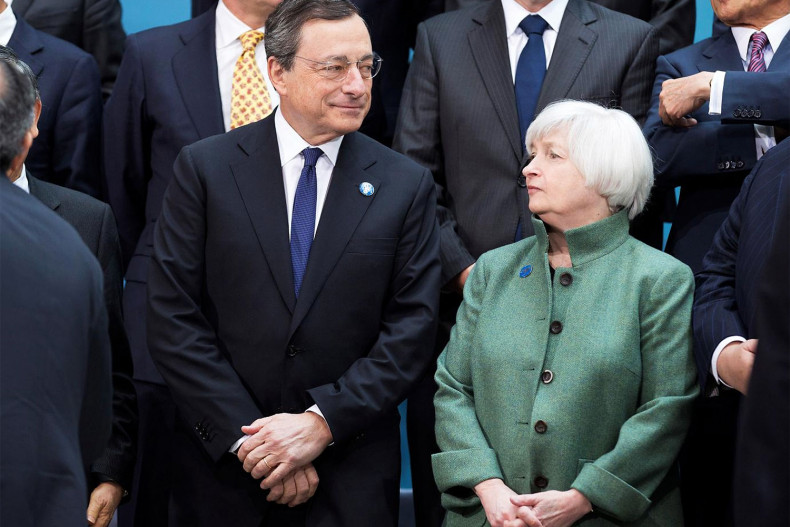
Janet Yellen's new financial multilateralism
Oped, Paola Subacchi, Published on 13/03/2021
» The International Monetary Fund and World Bank have sprung into action in ways that would have been inconceivable even a year ago. Under former President Donald Trump, the US -- the main shareholder, with veto rights, in both institutions -- did little to shape their policies. Now, the US is taking the lead in coordinating their role and helping poor countries respond to the Covid-19 crisis.