



Showing 1 - 10 of 181
America will pay for pushing India away
Oped, Brahma Chellaney, Published on 11/12/2025
» At a time when US policy towards India has become distinctly punitive, Indian Prime Minister Narendra Modi's warm reception for Russian President Vladimir Putin in New Delhi last week could not have been more pointed. Mr Modi's message was clear: India is a sovereign power that will not be dragooned into choosing sides in a widening rift between "the West and the rest".
India seeks strong growth as key tests loom
Oped, Anne O Krueger, Published on 02/12/2025
» In the aftermath of World War II, the end of colonial rule produced a wave of newly independent -- and mostly poor -- countries, which were labelled "developing economies".
Trump squeezes India over Russian oil
News, Ron Bousso, Published on 24/10/2025
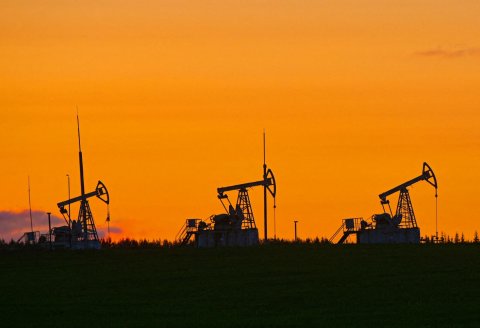
» Donald Trump is putting more pressure on India to slash its Russian oil purchases. This could deprive Moscow of vital revenue, but it will mostly just push more Russian oil into an increasingly large shadow market. The US president said on Wednesday that Indian Prime Minister Narendra Modi has pledged to stop buying oil from Russia, an agreement India has yet to confirm.

Guns and guests
Oped, Postbag, Published on 12/09/2025
» Re: "Beijing 'centre' of new world order", (World, Sept 5). The display of China's latest weapons and what its mammoth military parade means on the world stage could be misconstrued as a cruel celebration of the cast of invited autocrats and despots (sans the belligerent and offended Trump).
The postwar era's first democratic authoritarian
Oped, Antara Haldar, Published on 08/09/2025
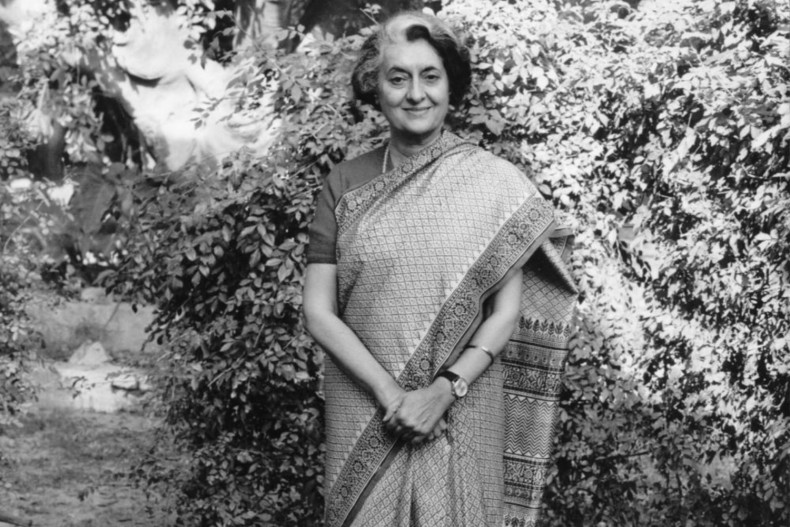
» The 78th anniversary of India's independence last month offers an opportunity to recall one of the most insidious moments in the country's post-independence history: prime minister Indira Gandhi's 1975 decision to declare an emergency and suspend civil liberties. A new book by political scientist Srinath Raghavan, Indira Gandhi and the Years That Transformed India, not only revisits that fateful move, but also traces its lasting impact half a century later.

Appeasing China won't help counter Trump
Oped, Brahma Chellaney, Published on 02/09/2025
» In 2020, China's stealth encroachments into India's Himalayan borderlands triggered deadly clashes and a prolonged military standoff that nearly erupted into war. Five years on, the border crisis remains largely unresolved, yet Indian Prime Minister Narendra Modi is headed to China in an apparent effort to ease friction -- just when India is facing punishing tariffs imposed by US President Donald Trump.

Risky central bank politicisation
Jamie McGreever, Published on 29/08/2025
» There is legitimate debate about the actual independence of modern-day central banks, but almost everyone agrees that overt politicisation of monetary policy — as we appear to be seeing in the United States — is dangerous. Why is that?
India winning the poverty fight
News, Shamika Ravi, Published on 16/08/2025
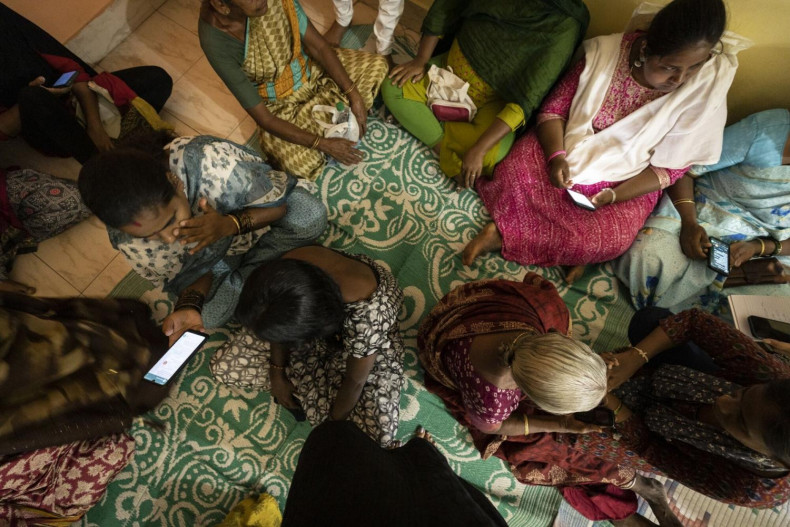
» Contrary to popular belief, democracy is about far more than holding elections or ensuring the peaceful transfer of political power. At its core lies the duty of elected representatives to respond to the fundamental needs of all citizens -- especially the marginalised and vulnerable -- regardless of their political or religious affiliations. Reducing poverty and fostering inclusive development are critical to fulfilling this democratic responsibility.
India's power sector needs reform
Oped, Arvind Subramanian, Navneeraj Sharma, Abhishek Anand & Praveen Ravi, Published on 06/08/2025
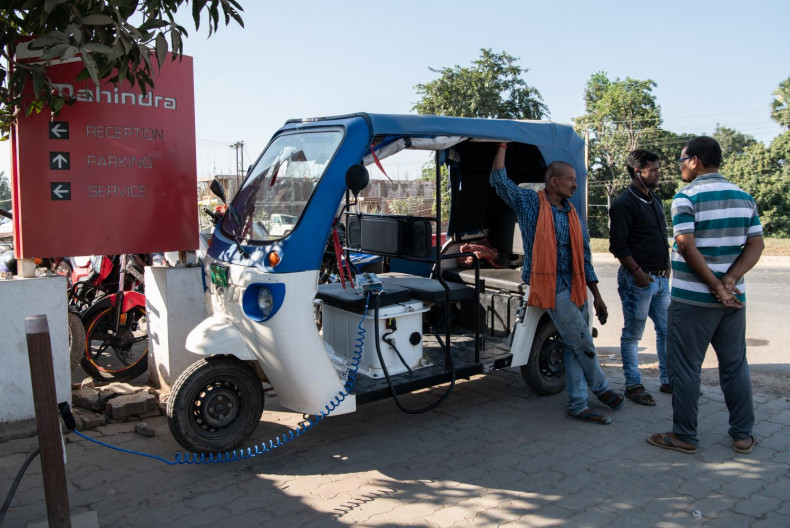
» As the use of energy-guzzling AI grows, the countries that embrace renewables will gain an obvious competitive advantage. And on this front, China has established a substantial lead. According to the Financial Times, the country is on track to source 50% of its power from renewables (mainly solar and wind, but also nuclear, hydro, and battery-storage systems) by 2028.
A Faustian bargain for the Global South
Oped, Jayati Ghosh, Published on 05/08/2025
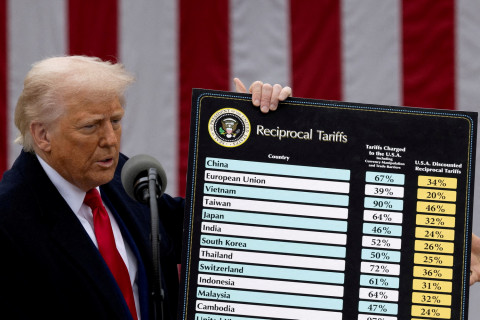
» US President Donald Trump's tariff policies have unleashed global economic turmoil and a wave of protectionist measures. While many of his frequently changing tariffs may prove short-lived, their use as geopolitical weapons is poised to reshape international trade for years to come.